DbcultAccessing Vault...
6.1/10
Senior Film Conservator
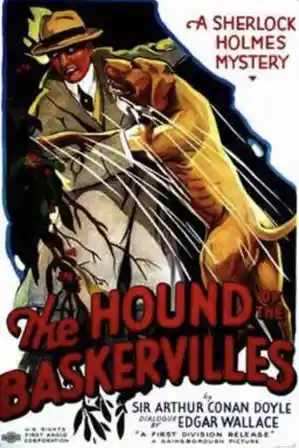
A definitive 6.1/10 rating for a film that redefined the boundaries of cult cinema. The Hound of the Baskervilles remains a cornerstone of transgressive art.
If you are a Sherlock Holmes completionist or someone who loves the sound of hissing old film prints, then yes. It is a short, strange watch that feels like looking at a moving museum exhibit.
Regular viewers who want high-stakes action or a scary monster will probably find this 1931 version of The Hound of the Baskervilles pretty boring. It is more about people in suits standing very still near microphones.
I found myself watching this on a Tuesday night when I didn't want to think too hard. It’s only about 70 minutes long, so it doesn't overstay its welcome, even when the plot drags its feet.
The first thing you notice is the sound. Since it was made in 1931, the audio has this constant hum that sounds like a distant beehive. 🐝
Robert Rendel plays Sherlock Holmes, and he’s... different. He isn't the fast-talking genius we see today; he’s more like a polite uncle who happens to be really good at finding footprints.
He wears a very tall hat and spends a lot of time looking through a magnifying glass that doesn't actually seem to magnify anything. It’s a small detail, but once I noticed it, I couldn't stop looking at it.
The movie starts with the legend of the hound, and the guy telling the story looks genuinely terrified of the script he's reading. It’s a bit stiff, but it sets the mood well enough.
When Sir Henry Baskerville (played by John Stuart) arrives, he seems more annoyed about his missing boot than the fact that a demon dog wants to kill him. I suppose I would be too if I only had one good shoe in the 1930s.
Stuart is okay, but he mostly just stands there looking handsomely confused. He has that classic movie star face where you can’t tell if he’s thinking about the scene or what he wants for lunch.
The sets for the Baskerville Hall are actually pretty great. They look like they were built out of heavy stone, even though they were probably just painted plywood and plaster.
I loved the way the shadows hit the walls. It reminded me a bit of the lighting in Black Waters, where the darkness feels like it’s actually a character in the room.
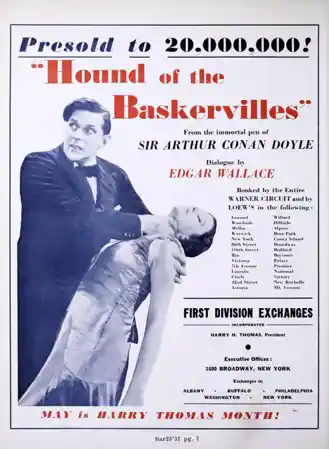
There is a scene where they are out on the moor, and the fog is so thick you can barely see the actors' faces. It looks like someone left a smoke machine running in a closet and then opened the door. 🌫️
It’s very atmospheric, even if it feels a bit cheap. You can tell they didn't have the budget to go to a real moor, so they just dumped a bunch of dirt on a soundstage.
The pacing is where things get a little rocky. There are long stretches where people just talk about what they are going to do, instead of actually doing it.
It’s a bit like watching The Life of Riley if that movie took place in a haunted mansion instead of a comedy setting. Just a lot of back-and-forth dialogue that doesn't always move the needle.
One thing that really stuck out to me was the servant, Barrymore. He has this incredibly suspicious beard that looks like it might fall off if he sneezes too hard.
He keeps sneaking around with a candle. Every time he’s on screen, the music (what little there is) gets all dramatic for no reason.
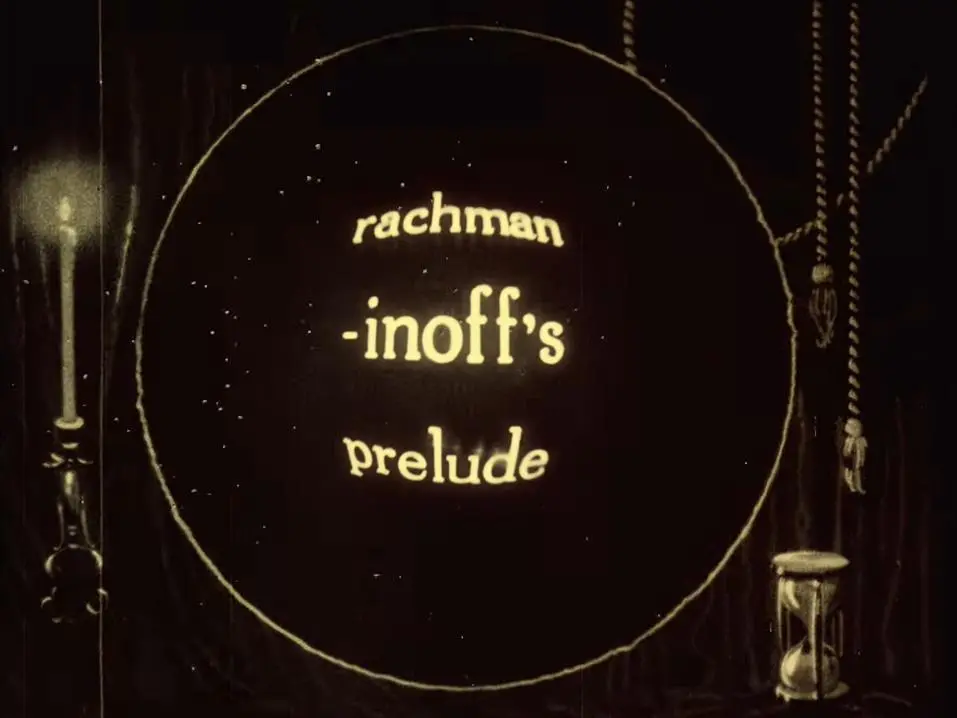
Speaking of music, there isn't much of it. Most of the movie is just the sound of shoes clomping on wooden floors and the occasional loud bird noise from outside.
It makes the whole thing feel very lonely. Which I guess is the point when you're stuck in a giant house with a murderer.
I kept waiting for the dog. I wanted to see the big, scary hound that everyone was so worried about. 🐕
When it finally shows up, it’s just... a dog. A very nice-looking dog that looks like it wants a treat rather than a piece of Sir Henry’s neck.
They try to make it look scary with some camera tricks, but it’s hard to be intimidated by something that looks like it would play fetch with you. It’s almost funny how much they hyped it up.
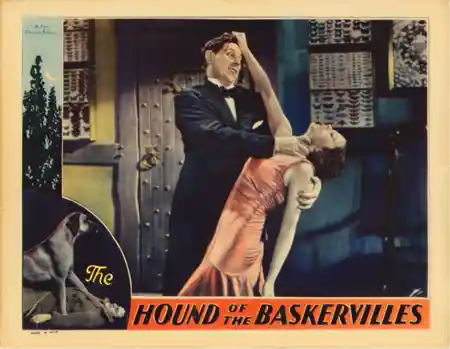
There’s a strange moment near the middle where Dr. Watson (Frederick Lloyd) just stares into the camera for a second too long. It felt like he forgot his line or was checking to see if the director was still awake.
The dialogue is very "proper." Everyone calls each other "My dear fellow" or "Old chap" every five seconds. It’s charming in a way that modern movies just can’t replicate without sounding fake.
It’s much better than the acting in The Man of Shame, which felt like everyone was shouting at a wall. Here, they at least sound like they are in the same room.
The ending happens very fast. Holmes basically explains everything in about two minutes, and then the movie just stops. No big wrap-up, no long goodbye.
It felt like the crew had a bus to catch. Or maybe they just ran out of film. 🎞️
I didn't mind the abruptness, though. It fits the vibe of these early 30s mysteries. They get in, tell the story, and get out before you have time to ask too many questions.
Is it the best version of this story? No, the 1939 one with Basil Rathbone is much better. But this one has a weird, ghostly energy that I kind of liked.
It feels like a relic. Something you find in the back of a drawer that still works, even if it’s a bit rusty around the edges.
I think the most interesting part is seeing how they handled the transition to sound. You can see the actors struggling not to move too much because the microphones were probably hidden in the flower vases.
If you have an hour to kill and you like old-fashioned mysteries, give it a go. Just don't expect a masterpiece. It’s just a creaky old movie about a dog and some guys in fancy hats. 🎩
One more thing—the way they handle the reveal of the killer is actually pretty clever for the time. It’s a bit more subtle than I expected from a movie this old.
It’s not quite as polished as something like The Love Trap, but it has more heart. You can tell they were trying to do something special with the limited tools they had.
Anyway, it’s a decent watch for a rainy afternoon. Just bring your own snacks, because the pacing is definitely going to make you hungry.
IMDb 7.2
1927
Community
Log in to comment.