DbcultAccessing Vault...
Cult Review
Senior Film Conservator
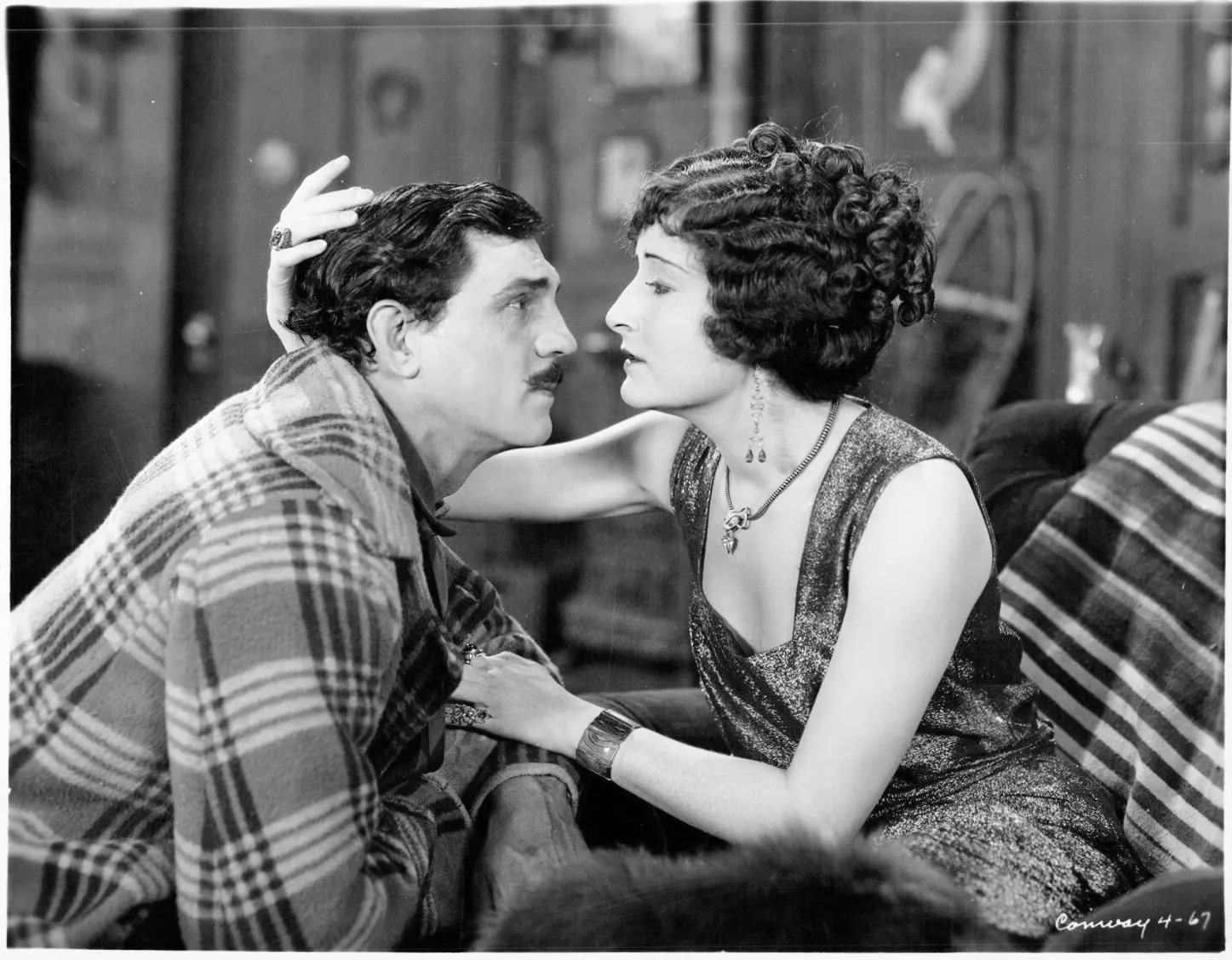
Step back into the roaring twenties, a pivotal era for cinematic innovation, and immerse yourself in the raw, untamed world of The Hunted Woman (1925). This silent film, a compelling blend of frontier drama, romantic intrigue, and thrilling adventure, transports audiences to the lawless, gold-fevered outposts of Alaska. It’s a testament to the power of early cinema to craft narratives that, despite their age, still resonate with universal themes of greed, love, and the relentless pursuit of justice in a world governed by its own harsh rules. As an avid connoisseur of classic cinema, I find myself continually drawn to these forgotten gems, films that, through their visual storytelling and expressive performances, capture a unique historical and artistic essence. The Hunted Woman stands as a vibrant example of this, a narrative tapestry woven with threads of human desire and desperation against an unforgiving backdrop.
At its core, the film is a masterclass in silent-era melodrama, utilizing exaggerated gestures and evocative intertitles to convey the complex emotional landscape of its characters. The setting itself, a wild Alaskan frontier, becomes almost a character in its own right, mirroring the untamed passions and volatile nature of the human spirit. It’s a place where fortunes are made and lost in an instant, where morality is a luxury few can afford, and where survival often hinges on a keen wit and an even keener instinct. This stark environment provides the perfect crucible for the dramatic conflicts that unfold, pitting man against nature, man against man, and ultimately, man against his own inherent flaws. The influence of writers like James Oliver Curwood, known for his tales of the wild, is palpable, lending an authentic, rugged feel to the narrative, which Dorothy Yost and Robert N. Lee skillfully adapted for the screen.
Our journey begins with John Aldous, portrayed with earnest conviction by Francis McDonald, an author drawn to the Alaskan wilds not for gold, but perhaps for inspiration, or a sense of adventure. His decision to grubstake two rough-hewn miners, De Bar and McDonald, sets in motion a chain of events that will irrevocably alter his destiny. The discovery of a rich gold mine by these prospectors isn't merely a stroke of luck; it’s a Pandora's Box, unleashing a torrent of human greed and ambition that threatens to engulf everyone in its path. This early plot point immediately establishes the high stakes and the perilous nature of life in the gold fields, where the promise of wealth often comes hand-in-hand with treachery. It’s a theme explored in many frontier narratives, but here, it’s given a particularly visceral treatment.
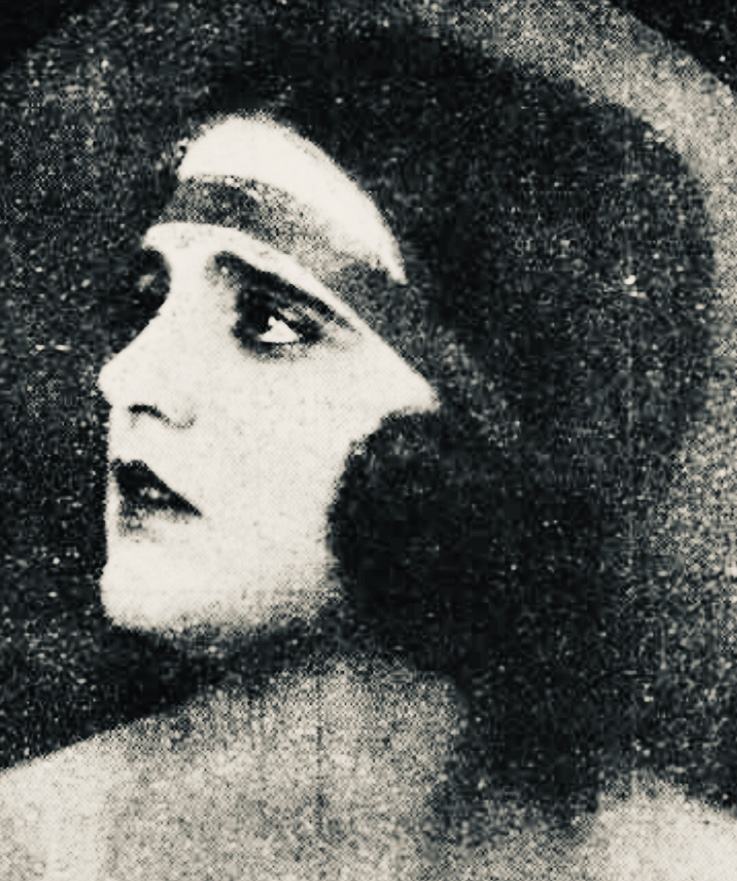
Into this harsh tableau steps Joanne Gray, played by the captivating Diana Miller, a woman of evident culture and refinement, strikingly out of place amidst the rough-and-tumble denizens of the mining town. Her arrival is not one of leisure but of desperate purpose: to locate her husband, who has vanished without a trace in the unforgiving gold fields. This quest immediately endears her to the audience, creating a sense of vulnerability and determination. Her initial encounter with Quade, the proprietor of the local dance-hall, portrayed with menacing intensity by Victor McLaglen, is a chilling introduction to the dark underbelly of this frontier society. Quade is not merely a villain; he embodies the predatory opportunism that thrives in lawless territories, a character type often seen in silent films depicting societal fringes, not unlike some of the darker figures in The Yellow Traffic or The Black Circle.
John Aldous’s intervention in Joanne’s defense marks the pivotal moment of their connection, a spark of chivalry in a brutal world. His subsequent efforts to aid her search, leading him to a grave ominously marked with Gray's name, add layers of poignant mystery and foreshadowing. The narrative expertly weaves together their personal quest with the broader drama of the gold rush. It’s during this tense period that a drunken De Bar, in a moment of unguarded exuberance, reveals the secret of the rich gold claim to Joanne. This seemingly innocuous disclosure, however, is overheard by the ever-opportunistic Quade, setting the stage for a dramatic escalation of conflict. The film cleverly uses these overheard conversations and chance encounters to propel the plot forward, building suspense with each new twist.
Quade's reaction to learning of the gold claim is swift and brutal. He tortures De Bar, extracting the mine's location with ruthless efficiency. This act of violence underscores the film's gritty realism and the desperate stakes involved. Quade's subsequent move—dynamiting the hillside above Aldous's cabin, trapping John and Joanne inside—is a classic cinematic maneuver, creating an intense, confined space where emotions run high. It’s within this forced isolation, facing imminent danger, that John and Joanne confess their mutual love, a moment of tender vulnerability amidst the surrounding chaos. This scene is particularly effective in silent film, relying on the actors' expressions and the dramatic situation to convey profound emotion, a technique that would be further refined in later melodramas like Forbidden Fruit (1921).
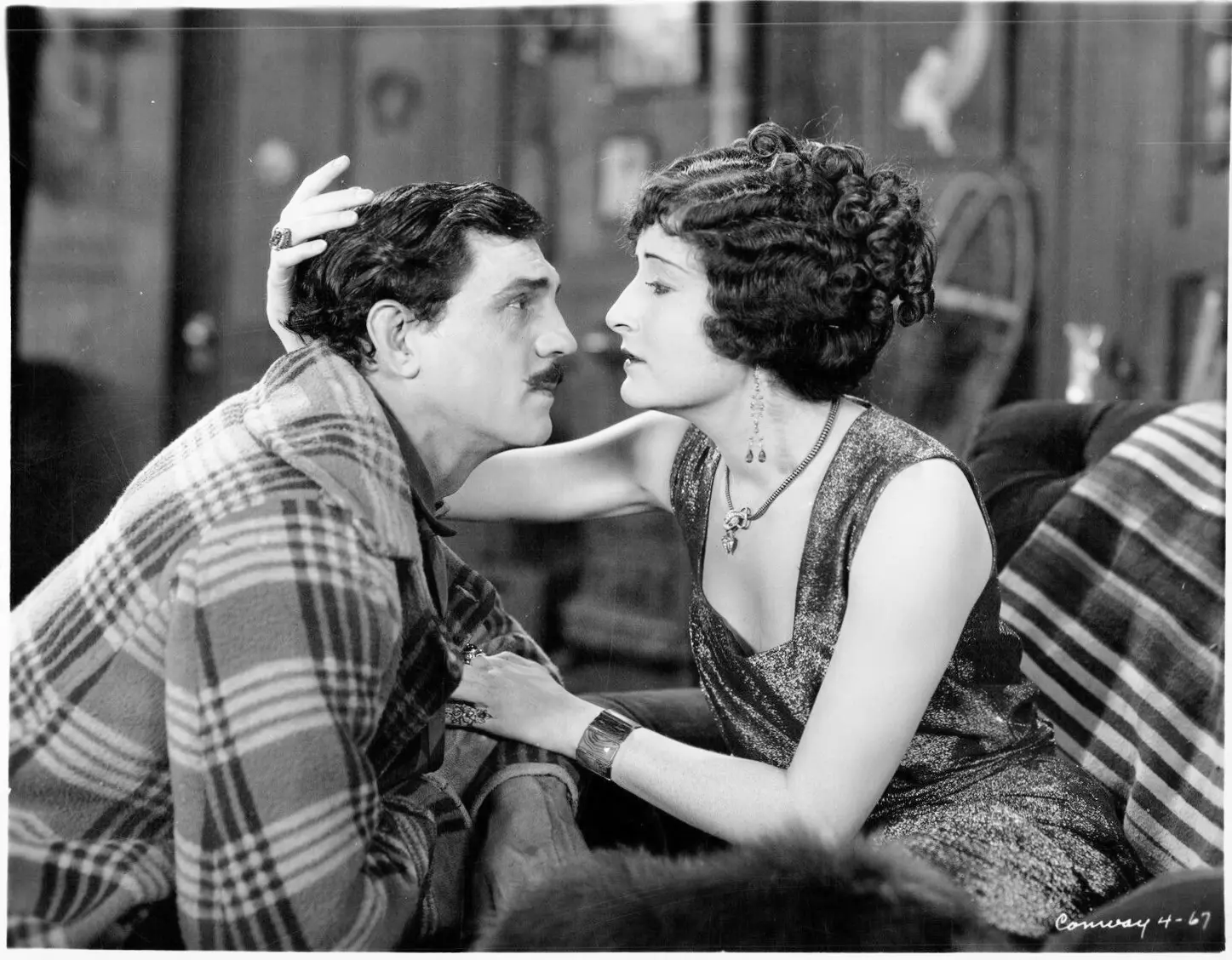
Upon their rescue, the narrative takes another sharp turn. John is informed that Joanne's husband has been found dead, paving the way for the lovers to marry. This period of presumed happiness, however, is short-lived, a cruel deception orchestrated by fate. John soon uncovers the shocking truth: Joanne's husband, Rann, is not only alive but is also Quade's partner. This revelation shatters the fragile peace, plunging the couple back into a maelstrom of deceit and danger. The film excels at these unexpected twists, keeping the audience on the edge of their seats, much like the intricate plots of contemporary thrillers. The moral ambiguity introduced by Rann's true identity elevates the story beyond simple good-versus-evil, suggesting a more complex web of relationships and motivations.
The performances in The Hunted Woman are central to its success. Diana Miller, as Joanne Gray, embodies both fragility and resilience, navigating the treacherous landscape of the Alaskan frontier and the even more treacherous landscape of human betrayal. Her expressive eyes and carefully modulated gestures convey a wide range of emotions, from despair to burgeoning love, and finally, to resolute determination. Francis McDonald, as John Aldous, projects an image of steadfast integrity, a moral compass in a world adrift. His character’s journey from detached observer to committed lover and protector is compelling, making him a truly sympathetic protagonist. Victor McLaglen, in particular, is a standout as Quade. His imposing physical presence and menacing demeanor make him a truly formidable antagonist, a character whose villainy is both palpable and terrifying. His portrayal captures the essence of a man consumed by avarice, willing to commit any atrocity to achieve his desires. The supporting cast, including Earl Schenck, Seena Owen, Cyril Chadwick, and Edward Peil Sr., contributes to the rich tapestry of the frontier town, each character adding a layer of authenticity to the setting.
The film’s climax is a brutal and swift resolution to the tangled web of relationships. Quade abducts Joanne, with Rann asserting his claim over her as his wife, leading to a violent confrontation. Quade, in a fit of rage or calculated malice, kills Rann, only to be immediately dispatched by the vengeful De Bar. This rapid succession of deaths brings a swift, if bloody, closure to the primary conflict, emphasizing the swift, often brutal justice of the frontier. It’s a stark reminder that in such a lawless environment, life is cheap, and retribution is often meted out personally rather than through formal legal channels. This kind of raw, uncompromising resolution is a hallmark of many adventure stories from the era, resonating with the spirit of films like The Wolver or The Coming of the Law, where personal justice often supersedes official decree.
Beyond the thrilling plot mechanics, The Hunted Woman delves into profound thematic territory. It explores the corrosive power of greed, demonstrating how the allure of gold can corrupt even the most basic human decency. It also champions the enduring power of love, showcasing how genuine affection can blossom even in the most hostile environments, offering a beacon of hope amidst despair. The film subtly critiques the absence of law and order in frontier settings, highlighting the chaos and violence that can erupt when societal norms break down. Yet, it also celebrates the resilience of the human spirit, the capacity for individuals to overcome immense adversity and find happiness against all odds. The narrative arc, from initial attraction to profound betrayal and ultimately to a hard-won peace, is deeply satisfying.
The cinematography, though constrained by the technology of its time, effectively captures the rugged beauty and inherent dangers of the Alaskan landscape. The use of natural light and carefully composed shots adds to the film’s atmospheric quality, drawing the audience into this remote world. The editing maintains a brisk pace, ensuring that the dramatic tension never wanes, a crucial element for a silent film needing to hold audience attention without dialogue. The film’s ability to convey complex emotional states and intricate plot developments purely through visual means is a testament to the artistry of silent cinema, an art form that often gets overlooked in contemporary discussions of film history. It’s a reminder that compelling storytelling transcends spoken words, relying instead on universal visual language.
In its entirety, The Hunted Woman is more than just a historical artifact; it is a vibrant, engaging piece of cinematic art that continues to speak to modern audiences. Its themes of love, loss, betrayal, and redemption are timeless, making it a compelling watch for anyone interested in the foundational narratives of American cinema. The film serves as a powerful reminder of the ingenuity and storytelling prowess of the silent era, proving that even without sound, a film can deliver a narrative rich in emotional depth and thrilling action. For those who appreciate the raw energy and dramatic flair of early Hollywood, this film is an essential viewing experience, a window into a bygone era of moviemaking that still holds considerable power to entertain and provoke thought. It stands as a testament to the enduring appeal of the frontier narrative, a genre that continues to captivate across generations, much like the enduring appeal of stories found in Old New York or Bluff (1924), each exploring different facets of human nature under duress.
The lasting image of John and Joanne, finally looking forward to a happy life together, is a powerful one. It’s a hard-won peace, forged in the crucible of violence and deceit, yet it speaks to the enduring human capacity for hope and resilience. This narrative arc, from initial turmoil to ultimate tranquility, provides a satisfying conclusion to a tumultuous journey. It solidifies the film’s status not just as an adventure story, but as a poignant exploration of human relationships under extreme pressure. The Hunted Woman is a silent masterpiece that deserves to be rediscovered and celebrated, a cinematic journey into the heart of the Alaskan wilderness and the depths of the human soul.
IMDb 6.1
1914
Community
Log in to comment.