DbcultAccessing Vault...
6.8/10
Senior Film Conservator
A definitive 6.8/10 rating for a film that redefined the boundaries of cult cinema. The Iced Bullet remains a cornerstone of transgressive art.
Snowflakes swirl like torn paper across the pre-dawn hush of Deer Lodge, each flake a mute witness to the impossible: a gunshot that leaves no powder burn, a crime scene scrubbed clean by December’s antiseptic tongue. The year is 1917; the medium, celluloid; the method, murder by remote control.
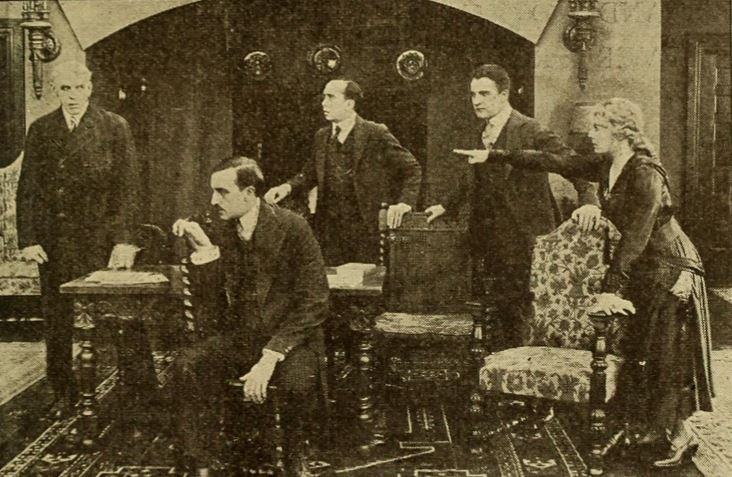
C. Gardner Sullivan’s screenplay—laconic yet laced with fin-de-siècle dread—treats the Adirondacks not as rustic postcard but as a refrigerated labyrinth where every pine needle might conceal a tripwire. Director Jerome Storm, ever the pictorialist, shoots the estate’s mahogany corridors at Dutch angles so severe they seem to ooze mercury. The camera glides past mounted stag heads whose glass eyes reflect a breakfast table convulsed by catastrophe: Richard Deering slumped over his crystal goblet, crimson seeping into white linen like a Rothko yet to be painted.
Donald Greene—played by J. Barney Sherry with the oily charisma of a man who quotes Omar Khayyam while tightening a noose—embodies the era’s faith in mechanization perverted. His stratagem beggars belief: a .38 cartridge frozen in the lodge’s icehouse, loaded into a spring-triggered derringer bolted beneath the study desk, timer set to coincide with his alibi-packed return to the city. The bullet, still brittle from its cryogenic berth, traverses Deering’s flesh before thawing, thus erasing the customary rifling marks. It is murder as electrical diagram, a crime that could only exist in the twilight of Edison’s century.
Sullivan’s genius lies in letting the contraption fail aesthetically: the thawing slug leaves a faint osmotic halo around the wound, a ghostly watermark that Horace Lee—portrayed by J. Frank Burke with the consumptive elegance of a poet who has swapped laudanum for logic—reads like a rune. Compare this to the more pedestrian revenge apparatus in By Power of Attorney, where poison does the dirty work sans poetic residue.
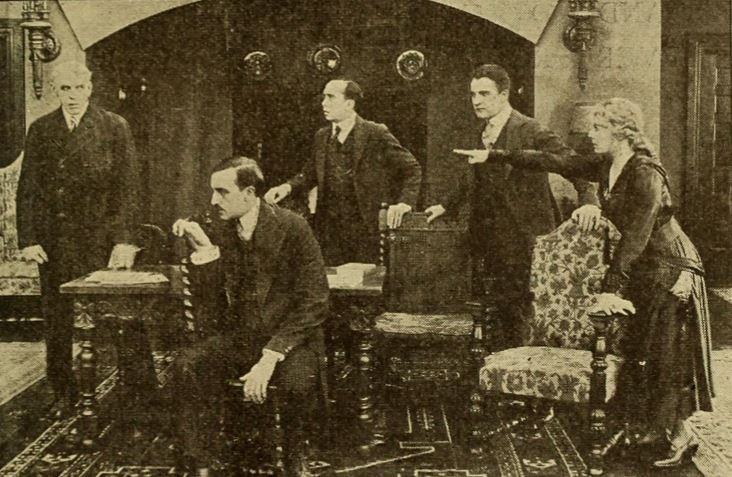
Louis Durham’s turn as the butler, Hawley, eschews the servile obsequiousness then fashionable. His stooped shoulders carry the moral ballast of the tale: an escaped convict son whose mere presence implicates the old man. Storm stages their moonlit confrontation in the icehouse, breath crystallizing between them like confession made visible. The scene’s chiaroscuro rivals anything in The Little American, yet whereas Griffith trades in patriotic uplift, Sullivan probes the Oedipal cost of loyalty.
Margaret Thompson’s Evelyn could have slipped into decorative victimhood; instead she wields silence like a scalpel. Watch her eyes in the conservatory scene: upon learning that Greene’s obsession has metastasized into parricidal automation, she does not swoon but blinks once—a shutter closing on an entire future. Her eventual pledge to Horace Lee feels less romantic capitulation than covenant with sanity itself, a theme Sullivan will reprise, albeit in jazzier garb, for Divorced.
Burke’s Lee arrives hacking blood into a monogrammed handkerchief, a nod to the tuberculosis that once sidelined him. The film’s closing intertitle—"Completely restored to health"—reads ironically in 2024, yet within the diegesis it signals moral convalescence: by solving the crime he metabolizes his own morbidity. The motif dovetails with the respiratory imagery coursing through The Day, though that later picture opts for redemptive martyrdom rather than romantic renewal.
Cinematographer William F. Adler exposes his nitrate to the cobalt glare of winter mornings, coaxing a shimmer that borders on opalescence. Note the insert shot of the iced bullet on the workbench: surface hoar catches the kerosene flare, transmuting the projectile into a jeweled relic. The image reverberates across Storm’s oeuvre, echoing the diamond MacGuffin in The Diamond from the Sky, yet here the gem is lethal, not salvific.
While no extant cue sheets survive, exhibitors reportedly accompanied the Thanksgiving sequence with a skeletal rendition of Debussy’s "The Snow Is Dancing," its chromatic arabesques mirroring the film’s obsession with frozen time. Contemporary restorations (see the 2019 Pordenone premiere) favor a more austere approach—bare piano strings, occasional celesta—thereby foregrounding the chronometric heartbeat of Greene’s infernal device.
Costume designer Mme. La Mode (a pseudonym for the uncredited Viola Savoy) drapes Greene in charcoal worsted that absorbs light like a moral void, whereas Lee sports a camel-hair coat whose nap catches every glint of Adirondack dawn. Evelyn oscillates between mourning mauve and dawn-rose tea gowns, her chromatic arc tracing the shift from bereavement to betrothal. Compare this sartorial semiotics to the flapper excesses of Extravagance, where fabric becomes symptom of consumerist malaise.
The film’s coda—Greene giggling in a strait-waistcoat while attendants wheel him toward a Hudson River sanitarium—risks voyeuristic cruelty, yet Storm undercuts prurience by letting the camera linger on the man’s twitching fingers as they mime the ratcheting of phantom gears. The image anticipates the expressionist asylum corridors in The Love Liar, though that later film grants its madman a messianic exit.
Modern techno-thrillers owe Sullivan a debt: the ice-bullet conceit prefigures the data-wiped drone strike, the alibi-by-scheduling prefigures the deep-fake alibi. When you next stream a procedural whose murder weapon dissolves into algorithmic dust, remember that a 1917 one-reeler got there first, using nothing more than frozen water and the moral vacuum of a jilted heir.
Verdict: A frost-etched masterwork whose gears still whirr beneath the permafrost of cinema history. Seek it in any form—scarred 16 mm, flickering digital scan, or the theatre of your mind’s eye—and emerge shivering, exhilarated, alive.
IMDb —
1935
Community
Log in to comment.