DbcultAccessing Vault...
5.1/10
Senior Film Conservator
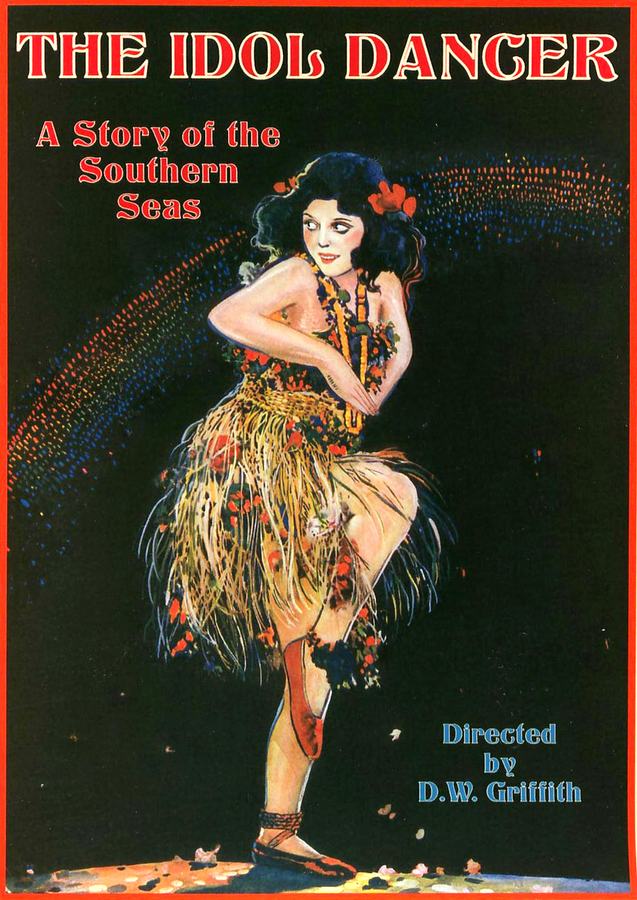
A definitive 5.1/10 rating for a film that redefined the boundaries of cult cinema. The Idol Dancer remains a cornerstone of transgressive art.
By 1920, David Wark Griffith had already ascended to the status of a cinematic deity, yet his creative restlessness often led him away from the sprawling battlefields of his earlier epics toward more intimate, albeit no less melodramatic, character studies. The Idol Dancer represents a fascinating, if somewhat overlooked, entry in this transitional period. Filmed largely on location in Florida—which serves as a surprisingly convincing stand-in for the South Seas—the film eschews the historical grandeur of his previous works for a focused, almost claustrophobic examination of moral decay and spiritual awakening. It is a work that breathes with the humid air of the tropics, capturing a specific brand of colonial anxiety that was beginning to permeate the American consciousness.
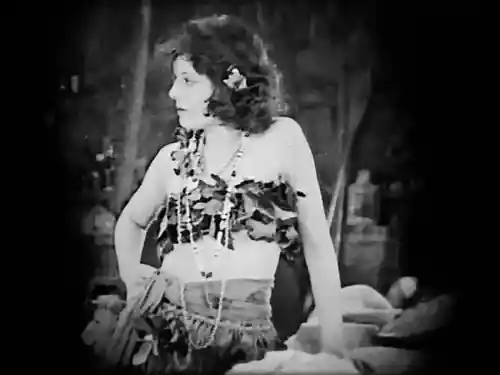
One cannot discuss this film without acknowledging the tragic brilliance of Clarine Seymour. As Mary, the 'Idol Dancer,' Seymour delivers a performance of such high-voltage energy that she frequently threatens to shatter the very frame of the film. Her movements are not merely choreography; they are an ontological statement. Unlike the more reserved heroines found in Beulah or the domestic tragedies of the era, Seymour’s Mary is a whirlwind of atavistic joy and defiance. It is heartbreaking to consider that this was one of her final roles before her untimely death, as she possessed a screen presence that could have easily rivaled the greatest stars of the 1920s. Her interaction with the camera is predatory and playful, a stark contrast to the stiff moralizing of the film’s antagonists.
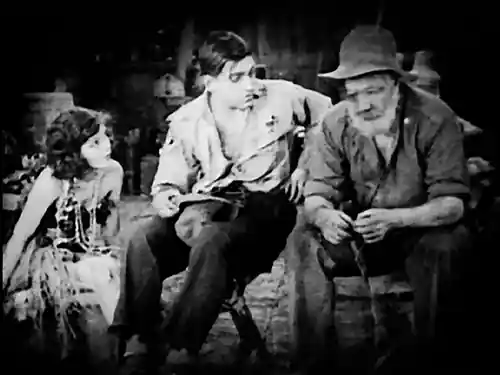
In many ways, Seymour serves as the bridge between the 'Griffith Girl' archetype and the burgeoning 'Flapper' persona. While Griffith often favored the ethereal fragility seen in films like The Waif, here he allows Seymour to inhabit a space of raw physical agency. Her dancing is the heartbeat of the island, a rhythmic pulse that the religious zealot, played with a terrifyingly cold conviction by Anders Randolf, seeks to extinguish in the name of a sterile salvation.
Opposite Seymour is Richard Barthelmess, portraying Dan, the alcoholic beachcomber. Barthelmess, fresh off his success in 'Broken Blossoms,' brings a weary, soulful quality to a role that could have easily descended into caricature. His Dan is a man who has looked into the abyss of his own failures and found the view oddly comfortable. The chemistry between the 'wastrel' and the 'native' provides the film’s emotional core, suggesting a shared marginalization that transcends their disparate backgrounds. This thematic exploration of the social outcast is a recurring motif in Griffith’s filmography, echoing the character dynamics found in The Aryan, where the desert—much like the island here—acts as a crucible for the soul.
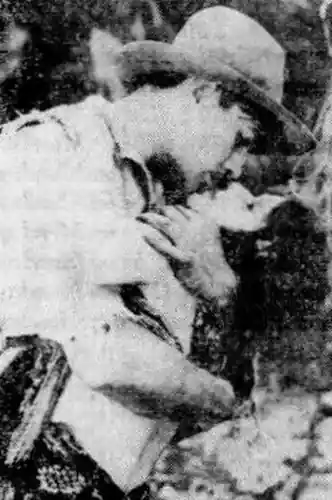
Dan’s redemption arc is handled with a surprising amount of nuance. It isn't a sudden epiphany sparked by a sermon, but rather a slow re-engagement with the world facilitated by Mary’s unyielding vitality. The film suggests that 'civilization' is not a set of rules imposed from above, but a capacity for empathy and sacrifice found in the most unlikely of places. This subversion of missionary tropes is where the film finds its most lasting relevance.
Technically, The Idol Dancer is a masterclass in the use of natural light and location shooting. Billy Bitzer, Griffith’s longtime collaborator, utilizes the harsh, direct sunlight of the tropics to create a high-contrast visual world. The shadows are deep and unforgiving, reflecting the internal conflicts of the characters. When compared to the stage-bound aesthetics of The Idol of the Stage, this film feels remarkably modern, almost documentary-like in its capturing of the island’s flora and the textured reality of the beachcomber’s shack.
The editing, too, displays Griffith’s signature cross-cutting, though here it is used to build psychological tension rather than just physical suspense. We jump from the zealot’s prayer meetings to Mary’s ecstatic dances, creating a dialectic between the spirit and the flesh. It is a visual dialogue that speaks volumes more than the intertitles ever could. The film’s pacing mimics the ebb and flow of the tide, building toward a climax that is as much about spiritual liberation as it is about physical survival.
The central conflict of 'civilizing' the 'other' is handled with a complexity that might surprise modern viewers. While the film certainly operates within the racial and cultural biases of 1920, it doesn't offer a wholesale endorsement of the missionary project. The zealot is portrayed as a figure of repression, his 'civilization' a form of psychic violence. In contrast, the 'savages'—as the intertitles occasionally call them—possess a communal integrity and a zest for life that the Westerners lack. This critique of Western hypocrisy is a thread that runs through several films of the period, including The Rights of Man: A Story of War's Red Blotch, which similarly questioned the moral authority of the 'civilized' world in the wake of global conflict.

Griffith seems to be asking: Who is the true idolater? The native who dances before a wooden carving, or the white man who worships a vengeful, joyless god of his own making? By placing the alcoholic Dan and the vibrant Mary at the center of the narrative, Griffith suggests that the only true divinity is found in the connection between individuals, regardless of the icons they stand before. This was a radical sentiment for 1920, and it elevates the film from a mere tropical adventure to a philosophical inquiry.
When viewed alongside contemporary works like Good Gracious, Annabelle, which dealt in lighthearted societal satire, The Idol Dancer appears significantly more somber and ambitious. It shares more DNA with the gritty realism of Hearts of Men or the moral complexities of Bought. Griffith was clearly interested in moving beyond the simple binaries of good and evil, exploring the 'gray' areas of human behavior—a theme that would reach its zenith in his later masterpieces.
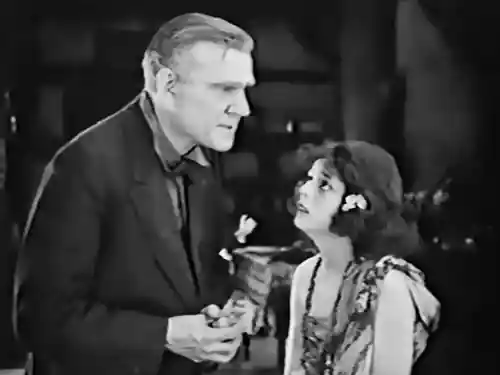
Furthermore, the film’s portrayal of a woman’s struggle for autonomy in a patriarchal colonial system can be compared to the themes in A Perfect Lady, though Griffith’s approach is far more visceral. The 'Idol Dancer' is not trying to be a perfect lady; she is trying to be a free human being. This quest for freedom is what makes the film resonate today, even as its more dated elements occasionally grate against modern sensibilities.
The Idol Dancer helped codify the South Seas as a cinematic landscape of moral testing. This setting would later be used in countless films to explore the 'primitive' versus the 'modern,' but Griffith’s version remains one of the most visually arresting. The island is not just a backdrop; it is a character in its own right, exerting a gravitational pull on the souls of the protagonists. It is a place where the social structures of the mainland—the structures that define the characters in films like The Amazons—simply dissolve under the heat of the sun and the rhythm of the drums.
The film also serves as a precursor to the 'tropical noir' and the 'beachcomber' subgenres that would flourish in the decades to follow. Richard Barthelmess’s performance, in particular, set the template for the cynical, world-weary expatriate that would become a staple of Hollywood storytelling. His Dan is the spiritual ancestor of many a Humphrey Bogart character, a man who finds his morality only when he is far removed from the society that supposedly invented it.
While critics of the time were divided on the film—some found its moralizing heavy-handed, while others were captivated by its exoticism—from a modern perspective, its value lies in its idiosyncrasies. It is a film that refuses to be one thing. It is part adventure, part theological debate, and part tragic romance. It captures a master director at a moment of profound curiosity, willing to take his camera into the wild to see what truths might be unearthed in the sand.
The tragic loss of Clarine Seymour shortly after production casts a long shadow over the viewing experience, making her vibrant performance feel like a ghostly transmission from a future that never was. Yet, in the flickering light of the projection, she remains eternal—the 'Idol Dancer' who refused to be civilised, reminding us that the most profound human truths are often found in the dance, not the sermon. For those interested in the evolution of silent cinema and the complex history of colonial representation, this film is an essential, if haunting, artifact.
Critical Note: For those seeking to broaden their understanding of 1920s cinema beyond Griffith, I highly recommend exploring the stylistic contrasts in European works like Den sorte drøm or the Hungarian social dramas like Toprini nász. Each offers a unique lens on the era's preoccupation with class and moral destiny.

IMDb —
1926
Community
Log in to comment.