DbcultAccessing Vault...
Cult Review
Senior Film Conservator
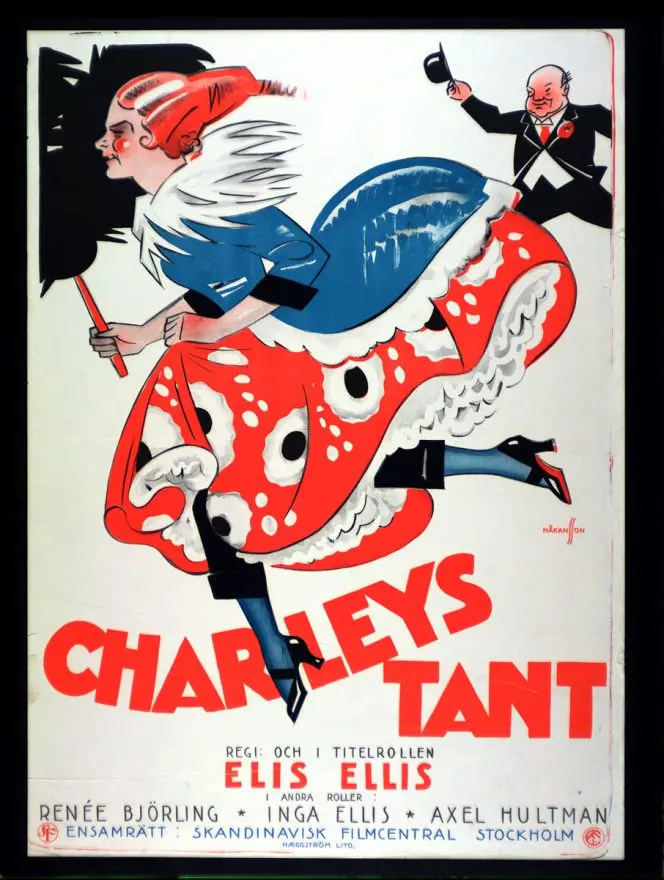
Is Charleys tant worth your time in the modern era of high-speed digital comedy? Short answer: yes, but only if you have a high tolerance for the rhythmic, exaggerated pantomime of the silent era.
This film is specifically for historians of comedy and fans of the 'man-in-a-dress' trope who want to see its early cinematic evolution. It is absolutely not for viewers who demand naturalistic acting or high-stakes dramatic tension. This is a film of gears, levers, and perfectly timed door-slams.
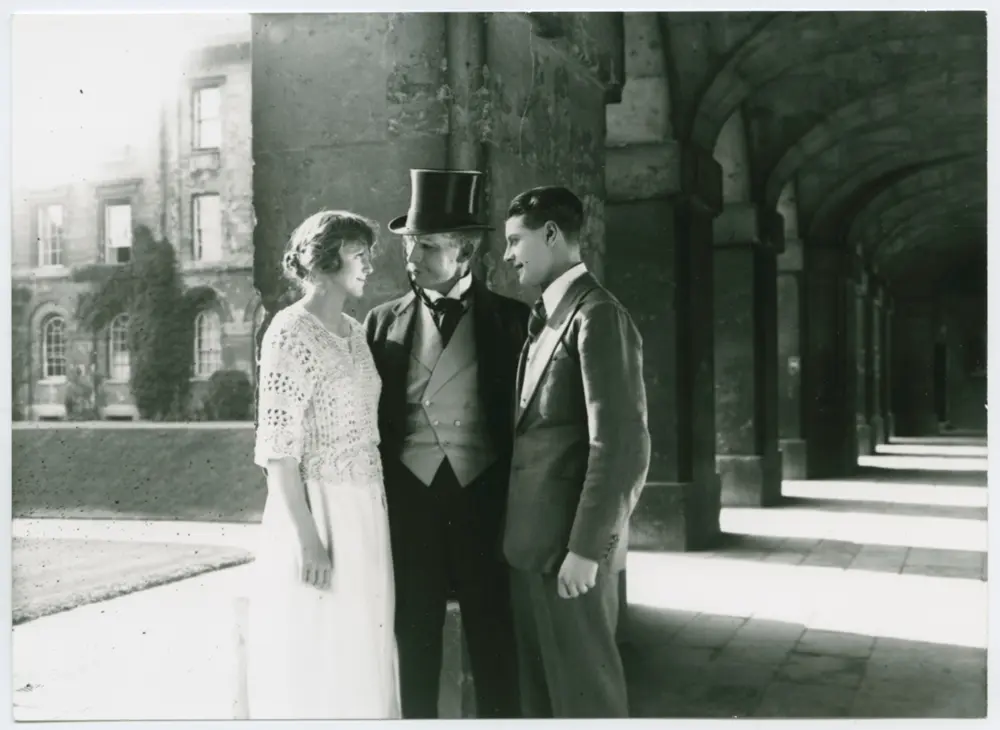
1) This film works because Elis Ellis understands the physical demands of farce better than most of his contemporaries, turning a stage play into a visual hurricane.
2) This film fails because the pacing occasionally stutters during the transition between outdoor Oxford scenes and the claustrophobic interior sets.
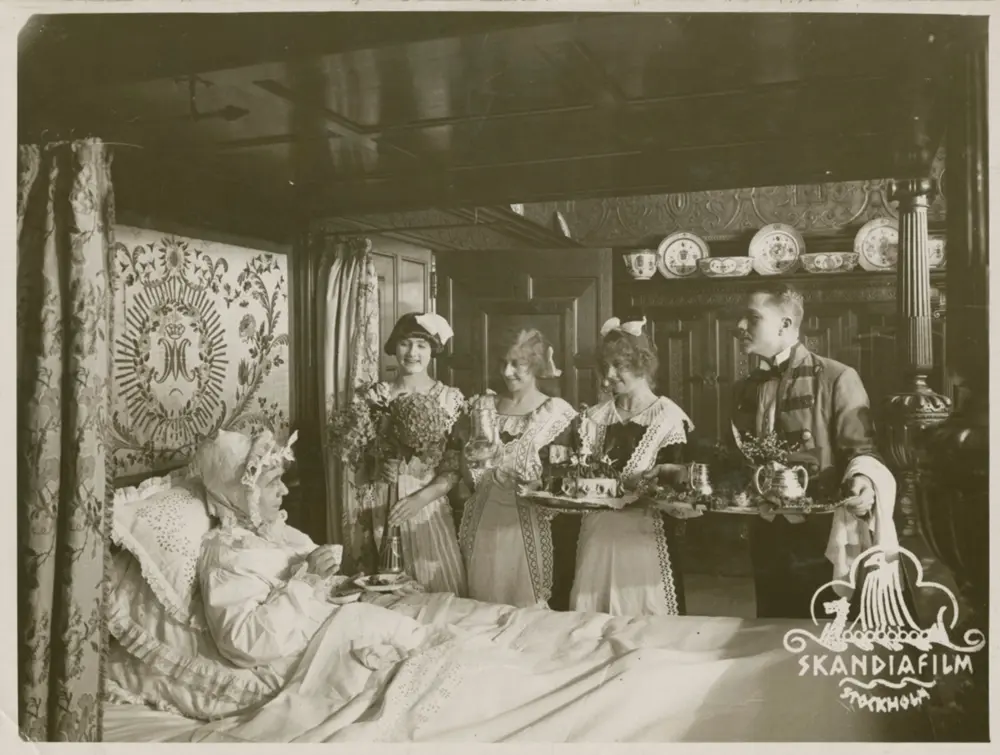
3) You should watch it if you want to see how 1920s Sweden interpreted British humor with a local, frantic energy.
The 1926 adaptation of Brandon Thomas’s play is a fascinating relic. While many silent films of the era, such as The Pitfall, were leaning into the grim shadows of expressionism or social realism, Elis Ellis decided to lean into the absurd. The plot is thin, but the execution is thick with sweat and effort. Jack and Charles are not characters so much as they are catalysts for disaster.
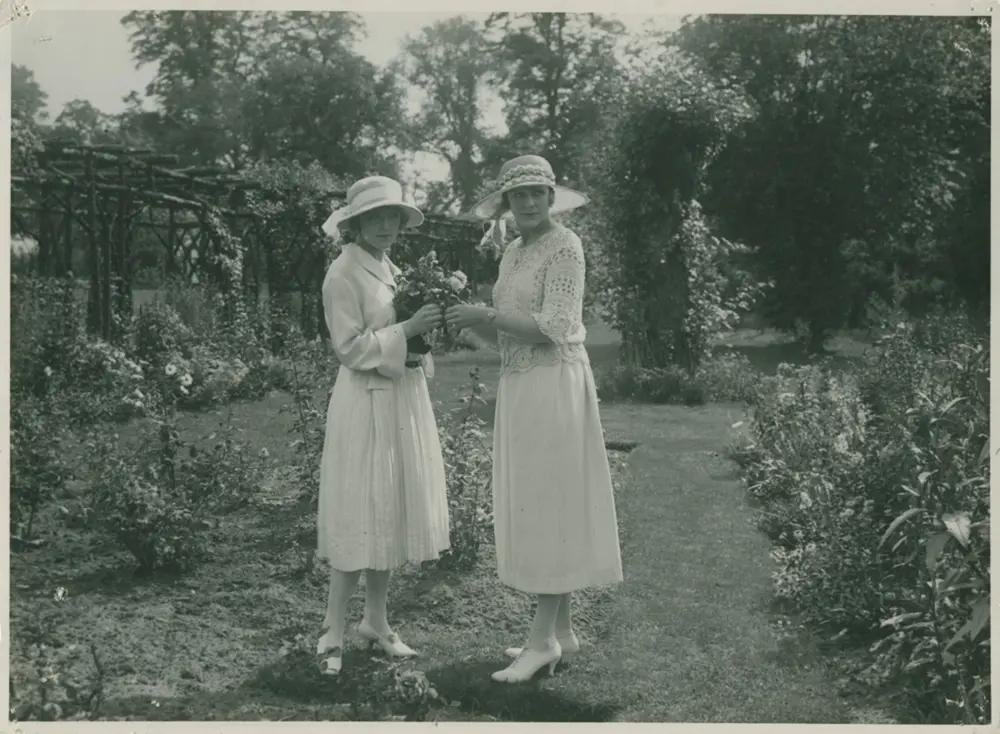
The setup is simple. Two boys need a chaperone. They find a friend. They put that friend in a dress. In a modern context, the 'drag' element might feel dated, but in 1926, it was a subversive tool used to mock the very men who claimed to uphold moral standards. When the elderly suitors begin to chase the fake aunt, the film shifts from a college comedy into a biting satire of predatory greed.
Elis Ellis doesn't just play the role; he consumes it. His performance as the fake aunt is a masterclass in silent communication. He uses his eyes to signal to the audience while his body language remains stiff and 'lady-like' for the characters on screen. It’s a dual performance that requires immense physical control. It works. But it’s flawed by the era’s tendency to over-act for the back row of a theater that isn't there.
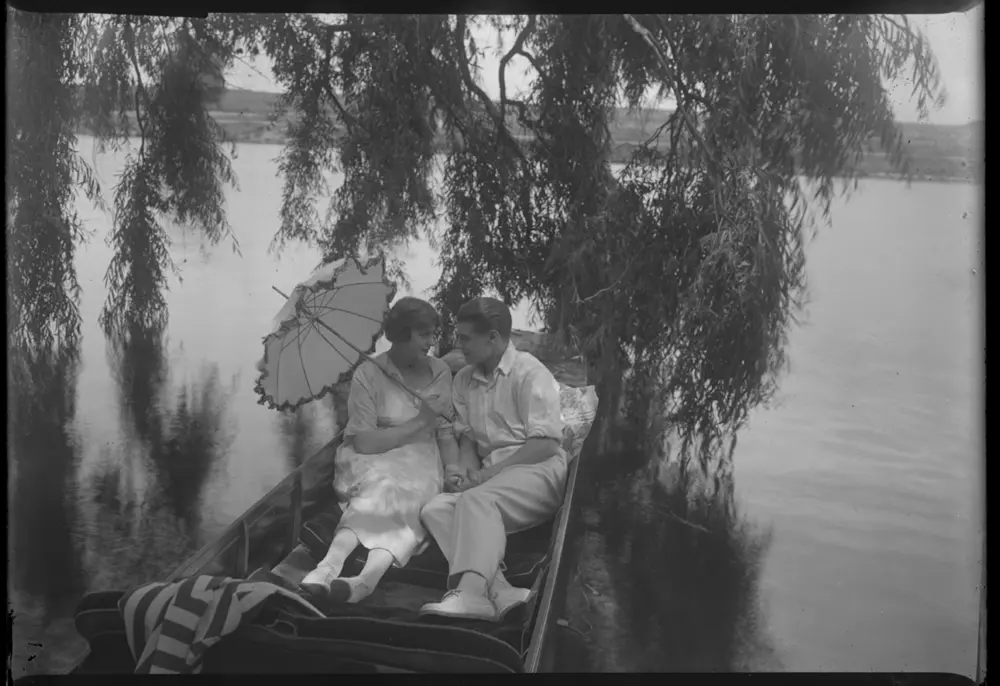
Compare this to the more grounded performances in Bonds of Love. Where that film seeks a heart-wrenching connection, Charleys tant seeks a rib-cracking laugh. Ellis is a hurricane in a tea set. Every time he adjusts his lace cap or fumbles with a fan, the screen vibrates with a kinetic energy that is rare for 1920s Swedish cinema.
The camera work here is functional, bordering on invisible. This isn't the experimental visual feast you might find in Tseka komissar Mirostsenko. Instead, the cinematography serves the blocking. The director ensures that the 'aunt' is always the focal point, even when the frame is crowded with four or five actors. The use of depth is particularly impressive in the garden scenes, where characters hide behind hedges, creating a multi-layered stage for the slapstick to unfold.
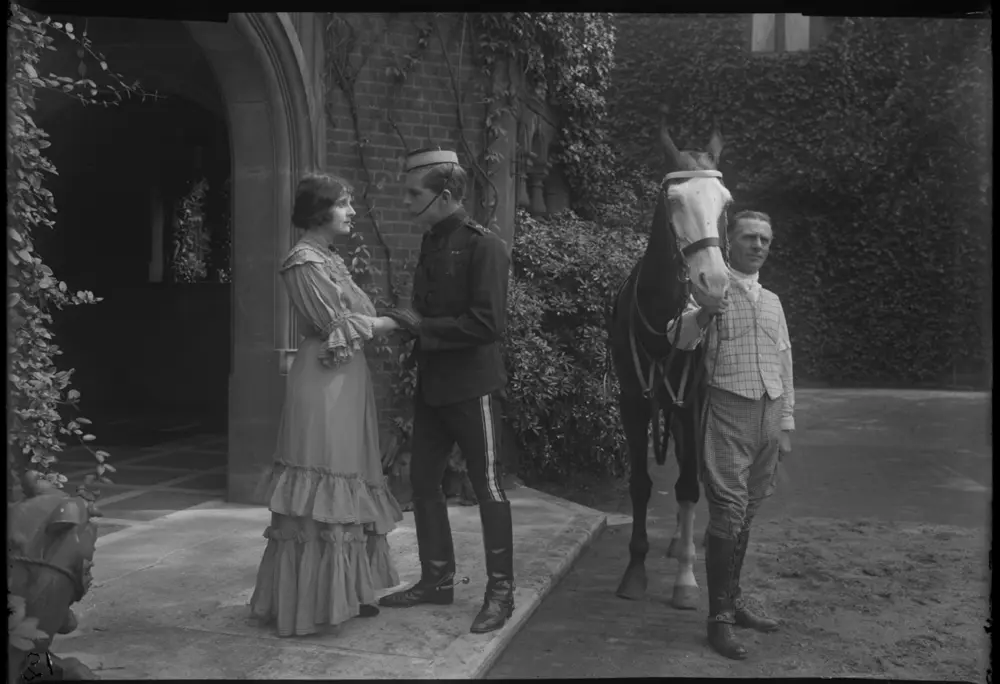
One surprising observation: the film is remarkably bright. Most silent films from this period suffer from heavy shadows or poor restoration, but the 1926 Charleys tant maintains a crisp, airy quality that reflects the lightheartedness of the script. It feels like a summer afternoon caught in amber.
While the film is presented as a romp, there is a cynical undercurrent regarding wealth. The suitors aren't in love with the aunt; they are in love with her Brazilian fortune. This greed makes their eventual humiliation satisfying. It’s a trope we see in other films of the period like The Agent, where money is the ultimate corruptor of the soul. Here, it’s just played for laughs.
'The wig is a mask that reveals the true face of the men chasing it.'
This quote, though perhaps too poetic for such a silly film, rings true. The moment the 'aunt' appears, the dignity of the older generation evaporates. They become buffoons. It is a brutal, simple deconstruction of authority.
Yes, if you are interested in the history of comedy. This film provides a direct link between 19th-century theater and the physical comedy of the mid-20th century. It is a fast-paced, well-acted farce that overcomes its technical limitations through sheer energy. However, if you dislike silent movies or find cross-dressing humor tired, you should skip it.
The recurring joke about the aunt being from Brazil—'where the nuts come from'—is a fascinating bit of 1920s pop culture. It represents the 'exotic' unknown of the time. In the film, this allows the fake aunt to behave in ways that would be unacceptable for a Swedish or British lady. It’s a loophole for chaos. This same sense of exotic mystery can be seen in The Virgin of Stamboul, though handled with far more drama there.
In Charleys tant, the 'foreignness' is just a shield. It’s a permission slip for Babbs to be as unhinged as possible. And unhinged he is. Whether he's pouring tea into a hat or trying to escape a marriage proposal, the character is a prototype for the modern sitcom lead. It’s loud. It’s messy. It’s effective.
Charleys tant is a loud, proud relic. It doesn't ask for your respect; it demands your laughter. While it lacks the psychological depth of Sherlock's Home, it makes up for it with a relentless pace. Elis Ellis is the soul of the project, and his commitment to the bit is what saves the film from being a mere footnote. It’s a comedy of errors that actually gets the errors right. It’s clunky in parts, sure. But it’s alive. In a world of dead, dusty archives, that’s worth a lot.
IMDb 5.9
1935
Community
Log in to comment.