DbcultAccessing Vault...
3.4/10
Senior Film Conservator
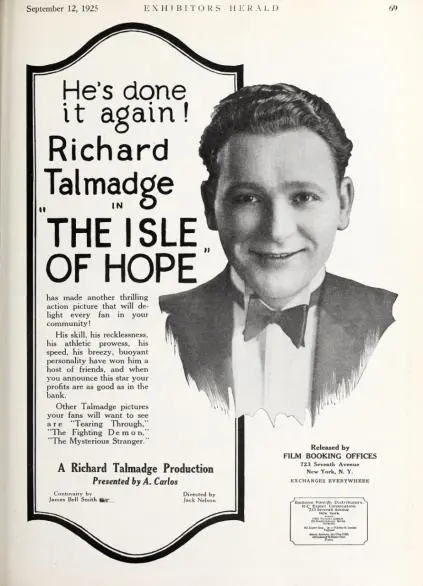
A definitive 3.4/10 rating for a film that redefined the boundaries of cult cinema. The Isle of Hope remains a cornerstone of transgressive art.
Is The Isle of Hope a hidden gem of the silent era? Short answer: No, but it is a fascinating showcase of Richard Talmadge's unparalleled physical energy. This film is specifically for those who appreciate the 'stunt-first' school of 1920s filmmaking and silent adventure enthusiasts; it is not for viewers who require narrative complexity or nuanced character development.
The Isle of Hope is worth watching if you are a student of early action cinema. While the plot is paper-thin, the physical performance of Richard Talmadge provides a bridge between the acrobatics of Douglas Fairbanks and the later work of Buster Keaton. However, if you are looking for a gripping survival drama, you will likely find the pacing frustratingly uneven. It is a curiosity, not a masterpiece.
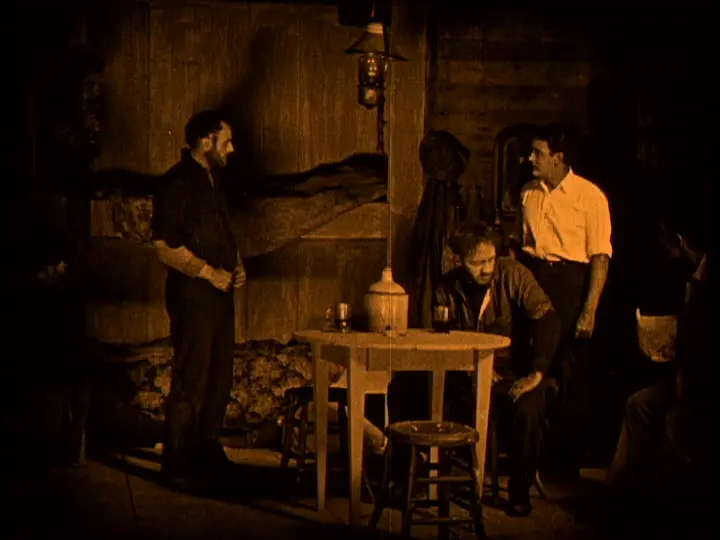
1) This film works because of Richard Talmadge’s kinetic screen presence and his ability to turn a simple survival scenario into a series of athletic feats.
2) This film fails because the 'treasure hunt' subplot is introduced too late and resolved with too little tension.
3) You should watch it if you enjoy the 'pampered socialite learns a lesson' trope executed with 1920s flair.
The setup of The Isle of Hope is as old as storytelling itself: the reversal of fortune. We see a wealthy playboy, played with a certain smug charm by Talmadge, who believes the world is his for the taking. Contrast this with Helen Ferguson’s character, the daughter of a sea captain, who possesses the practical knowledge he lacks. This dynamic is far more interesting than the actual search for gold.
The island serves as a leveler. In the city, the playboy is a king; on the sand, he is a liability. This thematic core reminds me of the social friction found in A Man and His Money, where wealth is similarly stripped away to reveal the man beneath. The film spends a significant amount of time on the initial struggle for survival, which is where the directing shines through the most.
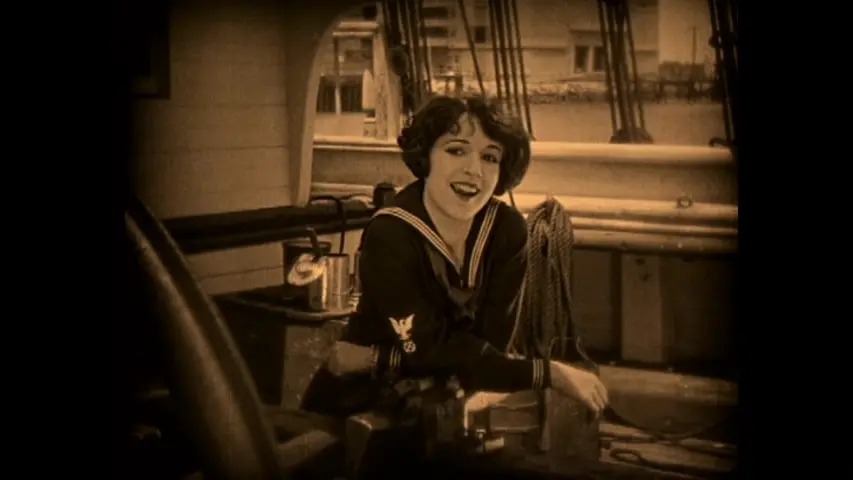
One specific scene involves the playboy attempting to build a shelter. It isn't played for slapstick comedy in the way we might expect. Instead, it’s a slow realization of his own inadequacy. It works. But it’s flawed. The transition from survival to treasure hunting feels like a pivot required by the studio rather than a natural evolution of the story.
Richard Talmadge was never the most subtle actor, but his physicality is undeniable. In The Isle of Hope, he utilizes the natural environment of the island—rocks, trees, and cliffs—as his playground. Unlike the more staged stunts in '49-'17, the action here feels grounded in the location. He doesn't just climb; he maneuvers with a grace that suggests he was born for this specific type of role.
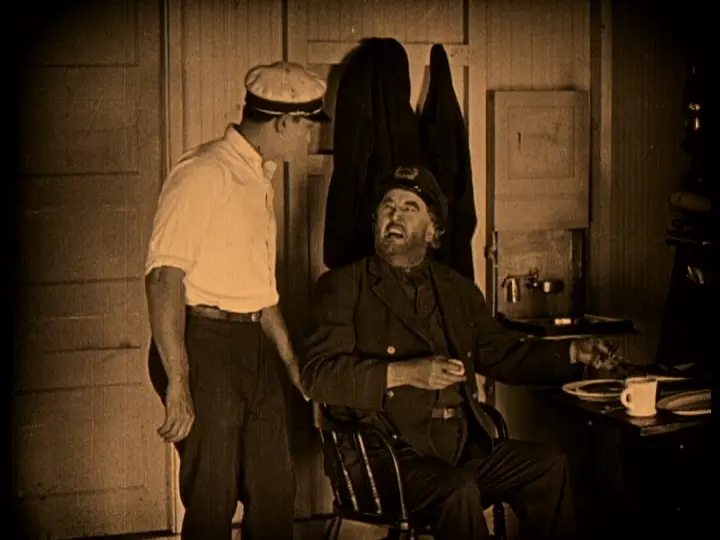
His chemistry with Helen Ferguson is serviceable, though Ferguson is often given the short end of the stick. While she starts as a capable foil, the script eventually relegates her to the 'prize' to be won. Ferguson, who showed much more range in The House Built Upon Sand, does her best with the material, but the film is clearly a vehicle for Talmadge.
The directing by James Bell Smith is straightforward. There are no avant-garde flourishes here like those found in Pasteur or the atmospheric dread of The City of Silent Men. Smith focuses on clarity. He wants you to see the stunt, see the reaction, and move to the next beat. It’s efficient, if uninspired.
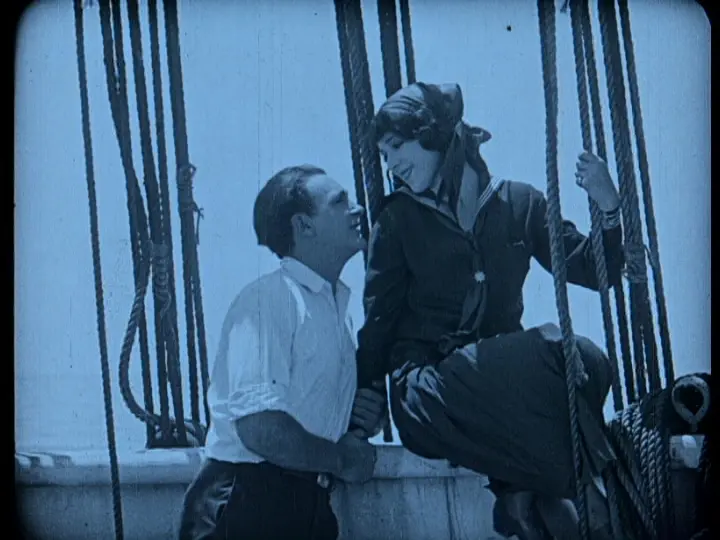
The biggest issue with The Isle of Hope is its narrative split personality. For the first half, it’s a survival drama. For the second, it’s a treasure hunt. The introduction of the buried treasure feels like a desperate attempt to add stakes to a story that was already working as a character study. By the time the treasure is found, the emotional stakes have already peaked.
This narrative clutter is something we see in many films of this era, such as Wild Women, which also struggled to balance its adventure elements with its comedic undertones. In The Isle of Hope, the treasure is a MacGuffin that doesn't actually change the characters; it just gives them something to do in the third act. The film would have been stronger if it had focused entirely on the psychological breakdown and rebuilding of the playboy.
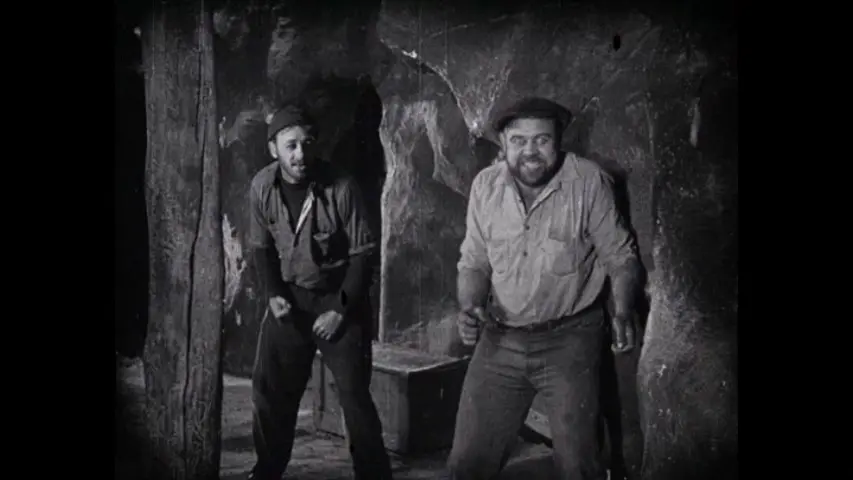
Visually, the film benefits greatly from its location shooting. The 1920s were a time when 'exotic' locations were a major draw for audiences, and the island scenery provides a sense of scale that studio sets simply couldn't match. The cinematography uses natural light effectively, particularly in the scenes at dusk which create a sense of isolation and vulnerability.
However, the pacing is a slog. Silent films often suffer from 'middle-act bloat,' and this is a prime example. There are several sequences of the duo wandering the island that could have been trimmed by half. If you compare the pacing here to the tight editing of Miss Jackie of the Navy, the difference is stark. This film breathes too much, and not in a way that adds atmosphere.
Yes, if you view it as a historical document of Richard Talmadge’s career. His performance is the glue holding a mediocre script together. If you are looking for a deep narrative, look elsewhere. If you want to see a man jump off things and look good doing it, this is for you.
Pros:
The location photography is genuinely impressive for 1925. Talmadge is a magnetic lead who carries the film through its slower moments. The social commentary on class, while simplified, adds a layer of depth often missing from pure adventure films.
Cons:
The female lead is eventually underutilized. The treasure hunt plot feels forced and lacks real tension. The pacing in the second act is sluggish and repetitive.
The Isle of Hope is a mid-tier silent adventure that survives on the back of its lead actor. It lacks the thematic weight of Breaking Home Ties or the grand scale of Jamestown, but it remains an entertaining enough diversion for those who love the era. It is a film that is better in its individual moments—a jump here, a climb there—than it is as a cohesive whole. It’s a 6/10 that feels like a 7/10 whenever Talmadge is in motion, and a 4/10 whenever the characters start looking for gold. Watch it for the history, not the story.
IMDb 6.7
1935
Community
Log in to comment.