DbcultAccessing Vault...
5.1/10
Senior Film Conservator
A definitive 5.1/10 rating for a film that redefined the boundaries of cult cinema. The Joy Girl remains a cornerstone of transgressive art.
Is The Joy Girl worth watching today? Short answer: Yes, but only if you appreciate the biting irony of silent-era social climbing. It is a film for those who find the transactional nature of the 'Roaring Twenties' more interesting than its glitz; it is not for viewers who require a sympathetic protagonist or modern pacing.
This film works because it refuses to sugarcoat the motivations of its lead characters. Jewel is not a victim of circumstance; she is a victim of her own ambition. The film fails because its final 'test' of character feels more like a cruel psychological game than a romantic revelation. You should watch it if you want to see Olive Borden at the height of her expressive powers, navigating a plot that feels surprisingly modern in its cynicism.
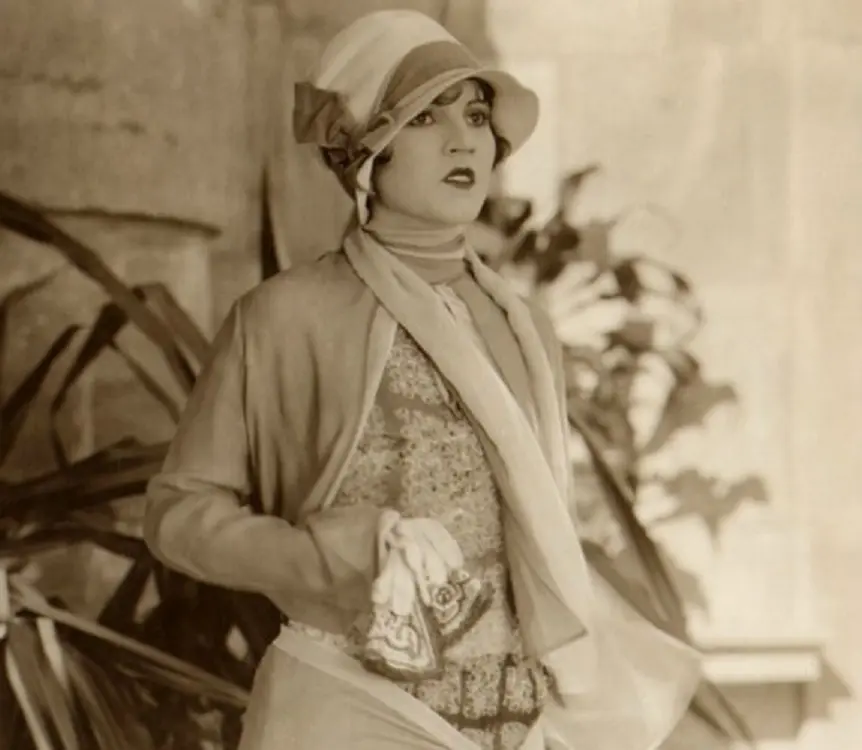
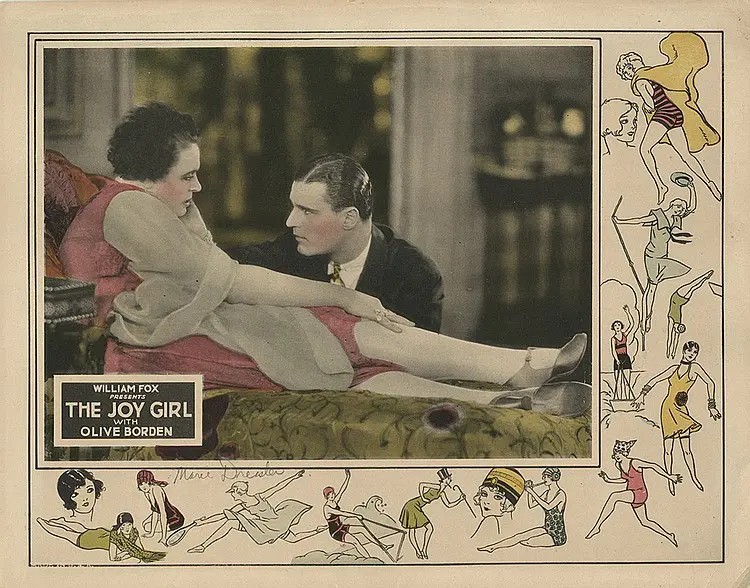
The Joy Girl is not your typical silent romance. Directed by Allan Dwan, it functions as a skeletal autopsy of the American Dream during the late 1920s. The setting of Palm Beach is crucial. It isn't just a backdrop; it is a character that demands a certain price for entry. Jewel, played with a sharp, almost predatory grace by Olive Borden, understands this price perfectly. She is a woman who treats her beauty as her primary capital, and she is determined to trade it for the highest possible dividend.
In one particularly telling scene, Jewel looks at her true love and her wealthy prospect not as men, but as choices in a ledger. The way the camera lingers on her face as she makes the 'wrong' choice for the 'right' financial reasons is chilling. It reminds me of the social desperation found in The Princess of Park Row, though here the stakes feel significantly more personal and grounded in domestic ruin.
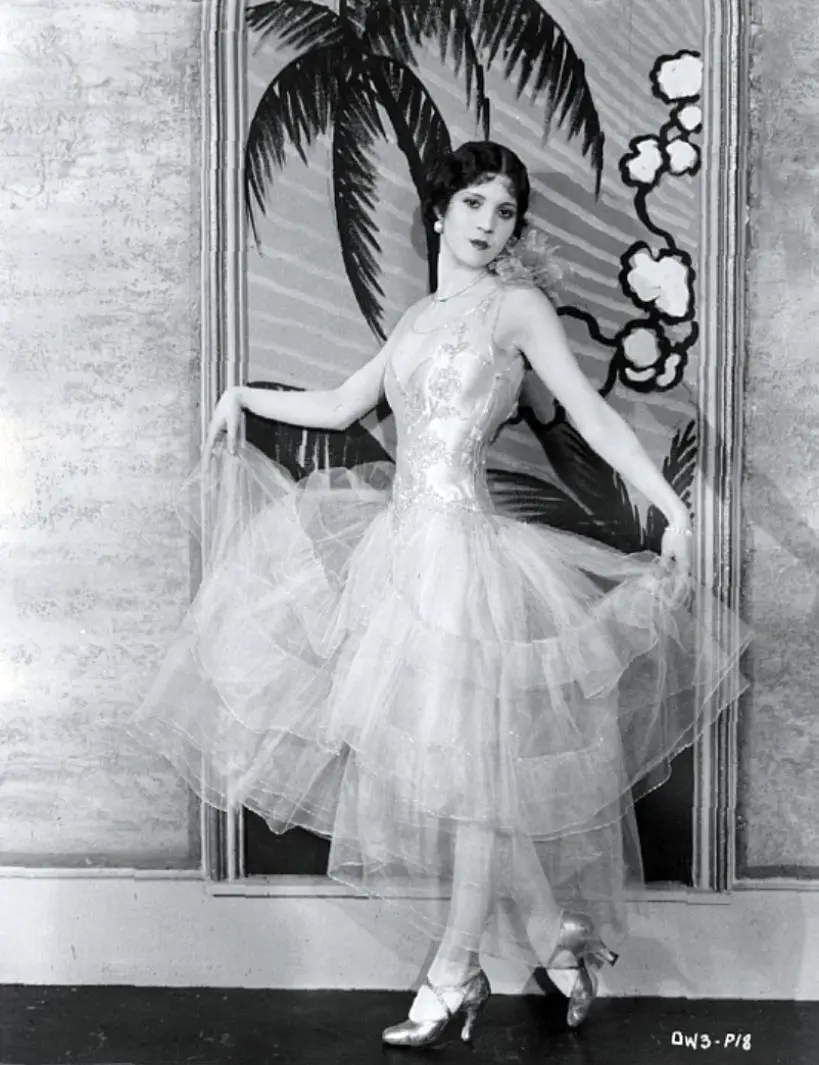
Olive Borden was often marketed as a 'Joy Girl' in real life, but her performance here subverts that label. She brings a hardness to Jewel that is rare for female leads of this era. She isn't the waif-like victim we see in films like Little Dorrit. Instead, she is calculating. When she discovers her husband is a fraud, her reaction isn't just one of heartbreak; it is one of professional embarrassment. She has been out-hustled.
The chemistry between Borden and Neil Hamilton is fraught with a tension that only silent film can truly capture. Without dialogue, their mutual realization of their shared poverty becomes a masterclass in facial economy. They don't just look sad; they look bankrupt. It is a brutal sequence that strips away the romanticism usually associated with the 'struggling couple' trope.
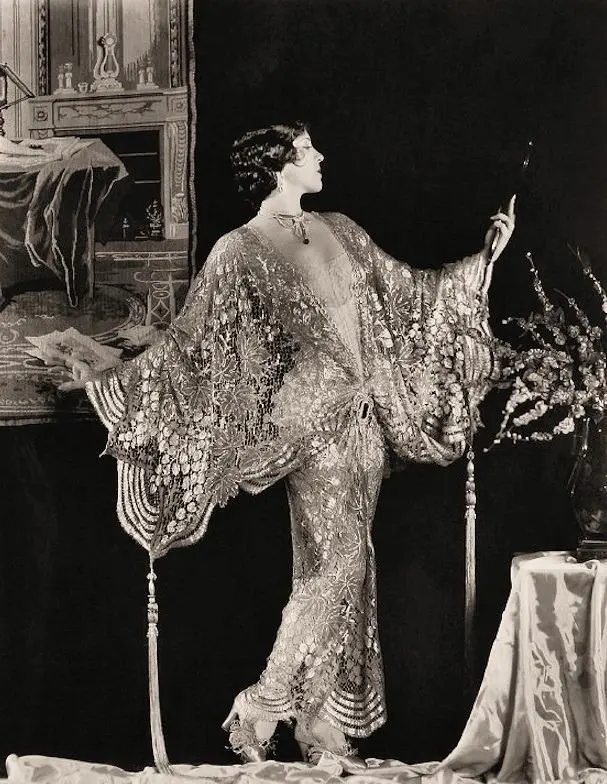
The second act of the film takes an unexpected turn into the world of retail. Jewel’s return to the hat shop is where the film finds its soul. In the 1920s, millinery was a rare path to female independence, and the film treats her work with genuine respect. The cinematography in the shop is cluttered and busy, contrasting with the airy, vacuous spaces of the Palm Beach mansions. It suggests that while the mansions are empty, the shop is full of life and purpose.
This focus on labor as a redemptive force is a recurring theme in films of the period, such as Our Mrs. McChesney. However, The Joy Girl adds a layer of irony: Jewel is catering to the very socialites she once tried to join. Every hat she pins is a reminder of the life she almost stole. It’s a subtle, effective way to show her growth without relying on melodramatic title cards.

If you are looking for a historical document that captures the anxieties of the pre-Depression era, the answer is a resounding yes. The film captures a world on the brink of a nervous breakdown. Everyone is pretending to be someone else. It is a hall of mirrors where the only thing that is real is the desire for a bank account. It lacks the warmth of Any Woman, but it makes up for it with a cynical wit that feels ahead of its time.
However, if you are looking for a lighthearted romp, stay away. Despite the title, there is very little joy in The Joy Girl. It is a movie about the consequences of greed and the fragility of social standing. It is a cold film. But it is a smart one.
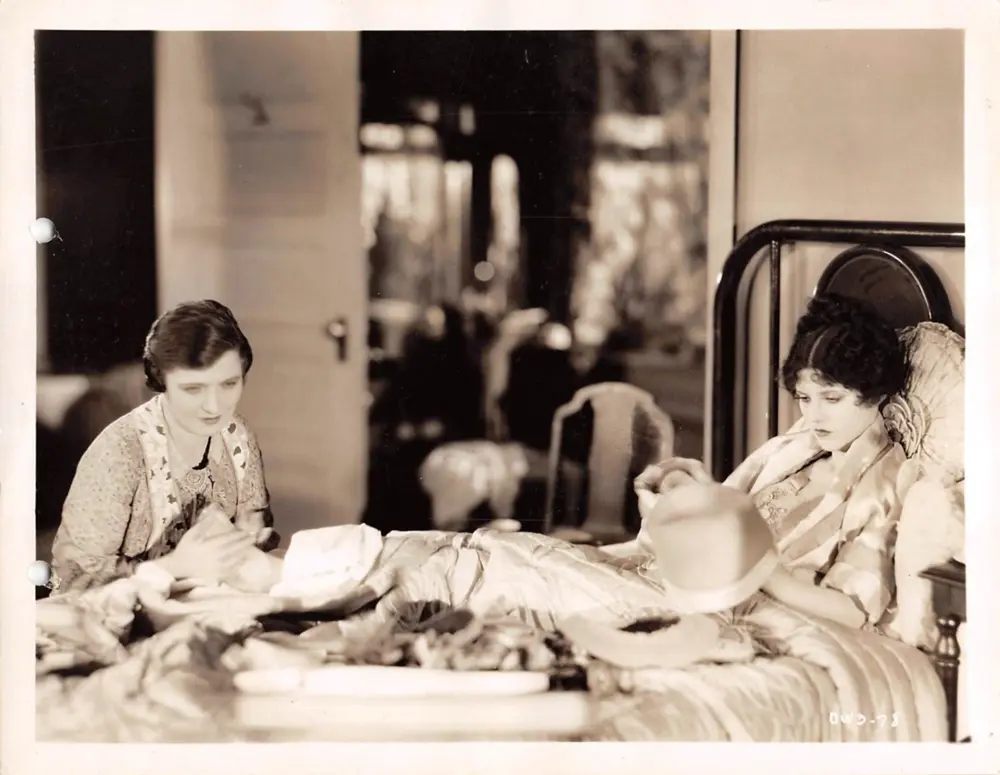
The final reveal—that the man Jewel truly loved was actually rich all along—is the most debatable part of the film. From a modern perspective, this 'test' is incredibly manipulative. He watched her marry a fraud and suffer through social disgrace just to see if she would eventually 'earn' his wealth through hard work at the hat shop. It’s a patriarchal power play that the film presents as a happy ending.
I find this ending to be the film's biggest flaw. It undermines Jewel’s journey toward independence. By making her reward a rich husband, the film suggests that her hard work was merely a prerequisite for being 'saved' by a man. It’s a stark contrast to the more grounded resolutions found in Monika Vogelsang. Still, it provides a fascinating look at the moral expectations placed on women at the time.
Pros:
Cons:
The Joy Girl is a fascinating, if somewhat cold, relic of the silent era. It works. But it’s flawed. While it eventually bows to the conventions of the time with a 'happy' ending, the journey there is filled with a surprising amount of grit and social commentary. Olive Borden proves she was more than just a pin-up, delivering a performance that is as sharp as the needles in her character's hat shop. It is a film that understands that in the world of the wealthy, everything—including love—has a price tag. If you can stomach the dated gender politics of the finale, you will find a film that is surprisingly honest about the American obsession with status.
IMDb —
1927
Community
Log in to comment.