DbcultAccessing Vault...
Cult Review
Senior Film Conservator

The 1917 cinematic landscape was a fertile ground for moralistic dramas, yet few possessed the sheer, unadulterated cynicism found in The Lair of the Wolf. Directed with a keen eye for the shadows of the human psyche, this film transcends the typical melodrama of its era to present a stark, almost nihilistic view of the power dynamics inherent in marriage and commerce. It is a work that demands our attention not merely as a relic of the silent era, but as a precursor to the domestic noir that would flourish decades later.
At the center of this maelstrom is Oliver Cathcart, portrayed with a chilling, understated menace by Charles Hill Mailes. Cathcart is not your standard mustache-twirling villain; he is a predator of the boardrooms and the drawing rooms alike. His destruction of the Taylor family is presented as a cold, calculated business maneuver, a detail that echoes the themes of economic ruthlessness found in The Corner. By stripping the Taylors of their livelihood, he doesn't just take their money; he erodes their very humanity, leading to the maternal demise of Mrs. Taylor and the spiritual annihilation of Mr. Taylor. This isn't just a plot point; it's a scathing critique of the burgeoning capitalist fervor of the early 20th century.
Margaret Dennis, played with a haunting vulnerability by Gretchen Lederer, serves as the audience's surrogate into this den of iniquity. Her choice to marry Cathcart is framed not as an act of greed, but as a desperate reach for security in a world that offers little to widows. The tragedy of her character lies in her initial blindness—a theme we see explored with similar pathos in The Path Forbidden. When her son Jim (the stalwart Val Paul) forces her to choose, we witness the agonizing fragmentation of the maternal bond under the pressure of societal expectation and personal hope.
The middle act of the film shifts to Cathcart's country estate, a setting that functions as a physical manifestation of his psychological dominance. Here, the 'Lair' of the title becomes literal. The cinematography—relying heavily on the interplay of light and dark—captures the isolation of Margaret as she begins to peel back the layers of her husband's depravity. It is a masterclass in atmospheric tension, reminiscent of the gothic undertones seen in An Innocent Magdalene, where the home is no longer a sanctuary but a site of surveillance and suffering.
"The estate is not merely a residence; it is a panopticon where Cathcart exerts his will over servants and spouse alike, a microcosm of the feudal hierarchies that refuse to die in the modern age."
Raymond Taylor's presence near the estate adds a layer of simmering volatility. His courtship of Milly, the maid, is not just a romantic subplot; it is a strategic positioning of the working class against the landed gentry. Raymond is the embodiment of the 'embittered son,' a recurring archetype in the era's literature, yet here he is given a specific, visceral motivation that makes his eventual involvement in the plot feel inevitable rather than coincidental.
The introduction of Steve, Taylor's sister, played with a refreshing autonomy by Donna Drew, provides the film with its most modern element. Her quest for 'adventure' and her subsequent departure from the domestic sphere mark her as a 'New Woman' of the 1910s. It is her agency that ultimately unravels the web of lies spun around Jim Dennis. The thunderstorm sequence—a classic trope of the silent era—is utilized here with maximum narrative efficiency. It forces the characters into a shared refuge, stripping away their social facades and creating the alibi that will eventually serve as the fulcrum of justice.
The murder of Oliver Cathcart is handled with a restraint that heightens its impact. We don't see the act as much as we feel its necessity. The subsequent arrest of Jim, based on the erroneous testimony of Milly, highlights the fallibility of the legal system and the ease with which the innocent can be sacrificed to maintain the status quo. This thematic thread of the 'innocent lie' or the 'wrongly accused' is a hallmark of the period, often seen in works like The Innocent Lie, yet The Lair of the Wolf grounds it in a much grittier reality.
The final act’s shift to the courtroom and the gardener’s confession is where the film’s moral complexity truly shines. Robert Shepherd, the gardener, is a character who has lived in the periphery of Cathcart’s shadow. His confession—that he killed the master to protect his daughter Bess—is a powerful subversion of the master-servant dynamic. It is a moment of primal paternal instinct that the film justifies through the legal concept of 'temporary derangement.'
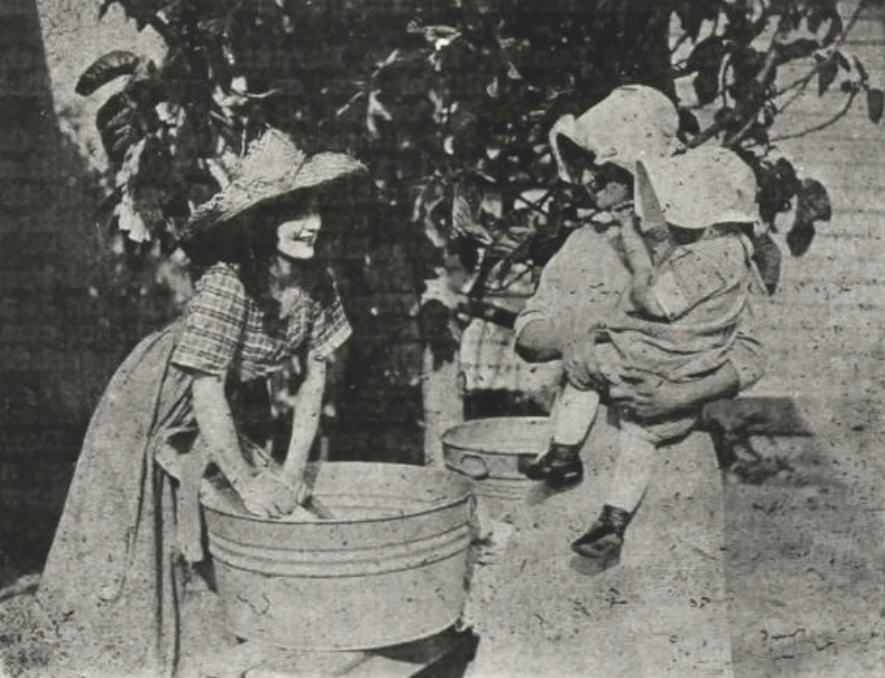
This resolution is fascinating from a historical perspective. It reflects a societal recognition of the 'crime of passion' as a legitimate defense against the tyranny of the powerful. Shepherd’s acquittal is not just a personal victory; it is a symbolic execution of the abusive patriarch. The film suggests that when the law fails to protect the vulnerable, a different kind of justice—primal, visceral, and collective—must take its place. This is a far cry from the more whimsical resolutions of films like Aladdin and the Wonderful Lamp; this is a story rooted in the dirt and blood of survival.
The ensemble cast delivers performances that are remarkably restrained for 1917. Joseph W. Girard and Martha Mattox provide supporting turns that fill the frame with a sense of lived-in history. The direction by Charles Hill Mailes (who also starred) shows a sophisticated understanding of pacing. The way he juxtaposes the luxury of the estate with the squalor of the Taylors' existence creates a visual dialogue about inequality that requires no intertitles to understand.
The screenplay by E. Magnus Ingleton is a masterclass in narrative economy. Every character, from the adventurous Steve to the tragic gardener, serves a purpose in the larger thematic machinery. There is no wasted motion. The film moves with the relentless momentum of a Greek tragedy, where the flaws of the protagonist (Margaret’s naivety) and the hubris of the antagonist (Cathcart’s belief in his invulnerability) collide with devastating force.
When comparing The Lair of the Wolf to its contemporaries, its darkness becomes even more apparent. While The Sentimental Lady might offer a more traditional, softened view of female struggle, The Lair of the Wolf refuses to look away from the bruises and the broken lives. It shares a certain DNA with the social realism of The Governor's Boss, particularly in its depiction of how personal power can be used as a blunt instrument of oppression.
Furthermore, the film’s exploration of the 'den' or the 'lair' as a place of hidden sin connects it to the more sensationalist but equally moralistic In the Python's Den. However, where that film leans into the pulp, The Lair of the Wolf remains grounded in a psychological realism that feels surprisingly modern. The character of the gardener, for instance, isn't just a plot device; he is a man pushed to the brink by a system that devalues his humanity and that of his child.
One cannot discuss this film without acknowledging its technical merits. The use of location shooting for the country estate adds a level of verisimilitude that was often lacking in the studio-bound productions of the time. The way the camera captures the wind-swept trees and the isolation of the rural landscape mirrors the internal state of Margaret Dennis. It is a visual language of loneliness that speaks louder than any dialogue could.
The editing, too, is noteworthy. The cross-cutting between Jim’s journey to the estate and the events of the murder creates a sense of impending doom. It is a technique that was being perfected by Griffith around this time, but here it is used with a specific focus on domestic suspense rather than epic spectacle. This intimate focus is what makes the film so effective; it makes the stakes feel personal and immediate.
In the grand pantheon of silent cinema, The Lair of the Wolf deserves a more prominent place. It is a film that challenges its audience, forcing them to confront the uncomfortable realities of domestic life and the systemic injustices that allow men like Oliver Cathcart to thrive. It is a story of survival, of the bonds between mothers and sons, and of the radical power of truth in a world built on deception.
As we look back at this 1917 masterpiece, we see the seeds of so many genres that would follow—from the family drama to the courtroom thriller to the film noir. It is a testament to the power of silent storytelling that a century later, the plight of Margaret Dennis and the righteous fury of the Taylors still resonate with such visceral intensity. This is not just a movie; it is a haunting, beautiful, and ultimately redemptive journey into the heart of human darkness and the light that occasionally, through sheer force of will, manages to break through.
A seminal work of early American cinema that remains as potent today as it was at the dawn of the 20th century.

IMDb 6.5
1934
Community
Log in to comment.