DbcultAccessing Vault...
6/10
Senior Film Conservator
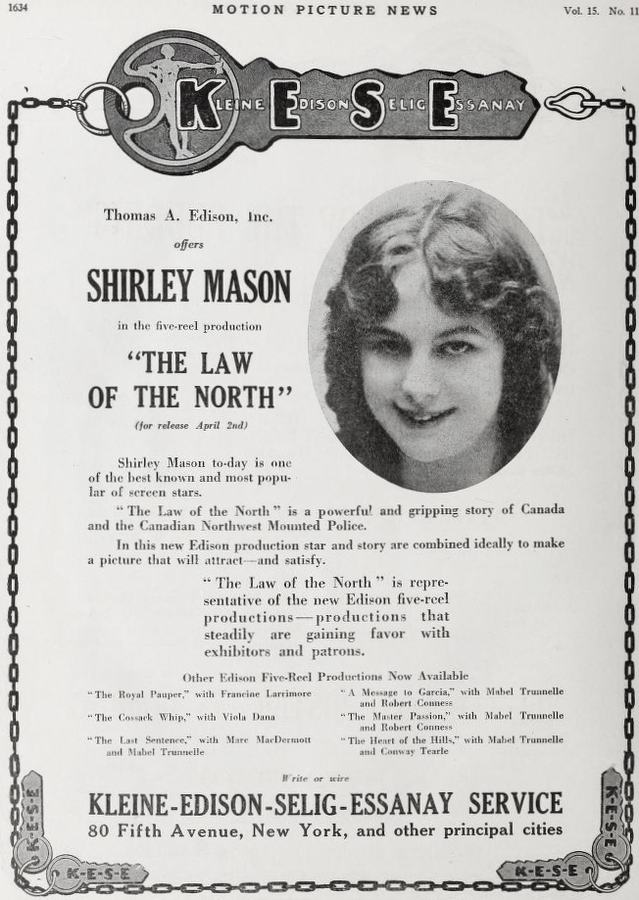
A definitive 6/10 rating for a film that redefined the boundaries of cult cinema. The Law of the North remains a cornerstone of transgressive art.
The first image of The Law of the North is a sled-runner slicing the frame like a scalpel: we know, instinctively, that the wound will never close. Edward H. Griffith, writing for Edison Studios when most of America still associated snow with Christmas postcards, drags us into a moral tundra where every footstep risks becoming evidence at a murder trial. The film survives only in a 16 mm condensation at the Library of Congress, yet even truncated it exhales a chill no central heating can dispel.
Griffith borrows the flicker of Germanic shadows—think Homunculus rather than John Ford—but swaps the gothic cathedral for a palisade of split pine. The result is a frontier noir five years before Sternberg’s Underworld baptised the genre. Faces loom out of darkness rimed with frost; breath fog is painted onto the emulsion, a primitive but uncanny analogue effect that makes every exhalation look like the soul departing.
Shirley Mason, fresh off The Children Pay, plays Marie with a tremor that might be vulnerability or the first stage of hypothermia. Watch the moment she lifts her eyes to Annesley: the pupils dilate like bullet holes. Richard Tucker, saddled with the thankless role of upright corporal, nevertheless lets a micro-swallow betray that Emerson knows he is outgunned in every duel that matters—romantic, ethical, existential. Fred Jones, as Annesley, sports a centre-parting so severe it feels like a moral fracture; his smile is a lantern you immediately suspect will attract wolves.
Because the film is mute, Griffith weaponises absence: the crunch of imagined snow becomes a percussive heartbeat, the howl of a blizzard off-screen turns into choral dread. Pair this with The Chimes or L’enfant prodigue and you’ll notice how adept early cinema had already become at turning technical limitation into spiritual suggestion.
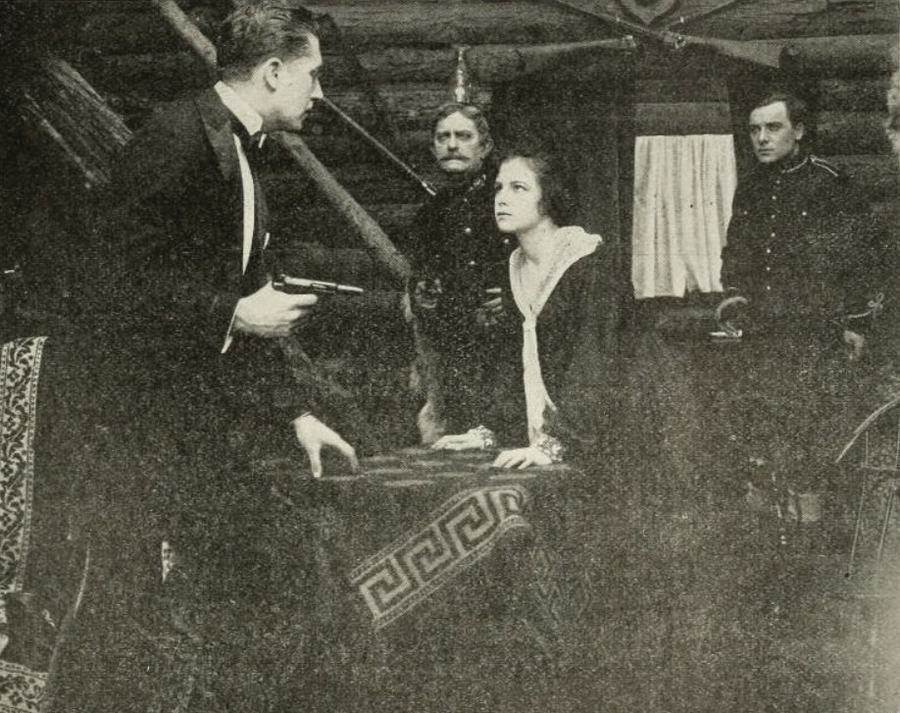
Marie’s body is the ledger on which men record debts: whisky, sex, legitimacy. Yet the film flips the paradigm—Edith stages the courtroom, Marie the sacrifice, Pierre the executioner. When Edith uncorks the brandy she is not seducing; she is cross-examining, and every gulp is another exhibit entered into evidence. The confession scene, shot in a single take of nearly four minutes in the surviving print, feels modern enough to have wandered in from a 1973 Bergman out-take.
Lucien Andriot, later to photograph Capra’s It Happened One Night, lenses the Yukon as if it were the surface of a dead star: whites so over-exposed they seer the retina, blacks so under-exposed they swallow detail. The eye searches for mid-tones and finds none—moral or photographic. Compare this to the sun-dappled nostalgia of The Girl of the Sunny South and you realise how deliberately Griffith is reversing the emotional polarity of American landscape.
Yes, the plot creaks like sled-thwarts at moments: Batiste’s prison break relies on a guard who apparently studied at the Keystone Academy of Custodial Arts. Yet each implausibility is offset by a ritualistic inevitability closer to Greek tragedy than to Saturday-matinee melodrama. The handkerchief left by the corpse is not a clue but a sigil, a scrap of heraldry declaring that in this geography a man’s initials can outweigh his alibi.
Modern viewers, binge-weary on true-crime podcasts, will recognise the procedural DNA: planted evidence, coerced confession, the court of public opinion conducted by lantern-light. The film anticipates Let Him Have It and Making a Murderer while never relinquishing its 19th-century conviction that blood must answer blood. Over Annesley’s grave the epitaph reads: “By the Law of the North he paid.” It sounds archaic until you scroll Twitter and realise we still demand cosmic balance hashtags within minutes of a verdict.
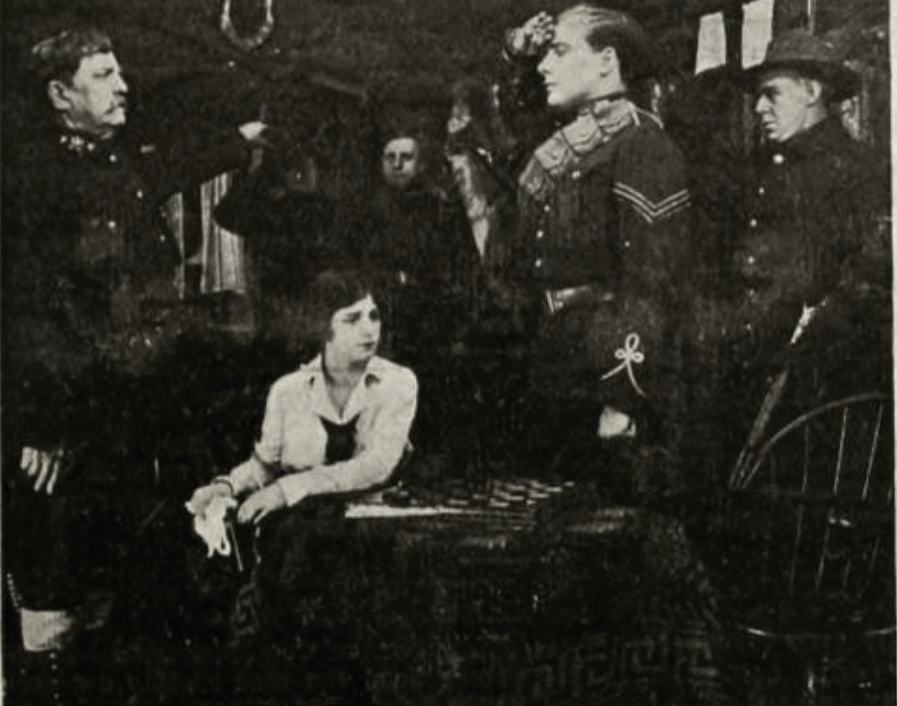
Most silents survive in shards, but The Law of the North rewards even partial resurrection. The surviving nine reels contain a dissolve from Marie’s dead face to the aurora borealis that ranks among the most sublime pivots in early cinema, a cut so emotionally precise it could teach modern editors humility. Pair a viewing with Nanette of the Wilds for a double-bill on how wilderness serves as both accomplice and cathedral.
Knowing the identity of the murderer does not attenuate suspense; it transmutes it into dread. On second viewing you notice how early Griffith telegraphs Annesley’s guilt—the factor fingers the handle of his dagger whenever Marie speaks of honour. The film becomes a lesson in how to engineer tragic irony without modernist trickery, a craft text for screenwriters who think exposition must arrive in neon.
When the last intertitle fades, what lingers is not the satisfaction of justice served but the chill of complicity: we too crave the clarity of a rifle-shot verdict in a blizzard of ambiguity. The Law of the North is both artifact and mirror, a reminder that civilisation is a palisade whose logs rot from within while we scan the treeline for monsters already inside the gate.
— Reviewed by a frost-bitten cinephile, still thawing.
IMDb —
1919
Community
Log in to comment.