DbcultAccessing Vault...
4.4/10
Senior Film Conservator
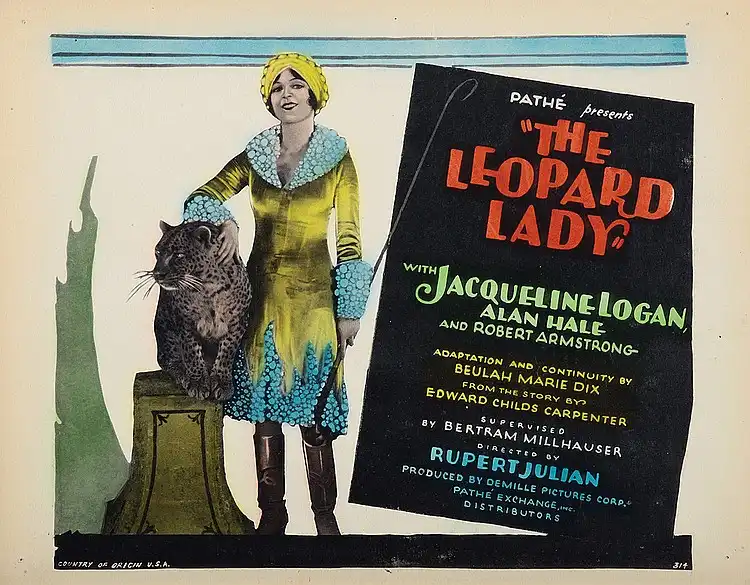
A definitive 4.4/10 rating for a film that redefined the boundaries of cult cinema. The Leopard Lady remains a cornerstone of transgressive art.
If you are looking for the whimsical, candy-coated circus often depicted in early cinema, The Leopard Lady will be a sharp disappointment. However, if you want a proto-noir thriller that features a surprisingly menacing Alan Hale and a man in a gorilla suit committing homicide, this is absolutely worth your time. It’s a film for those who appreciate the 'darker' side of the 1920s—the side that gave us German Expressionism and gritty crime melodramas. It’s likely to bore those who can't stand the slower pacing of silent investigative plots, but for fans of pre-Code weirdness, it’s a minor gem.
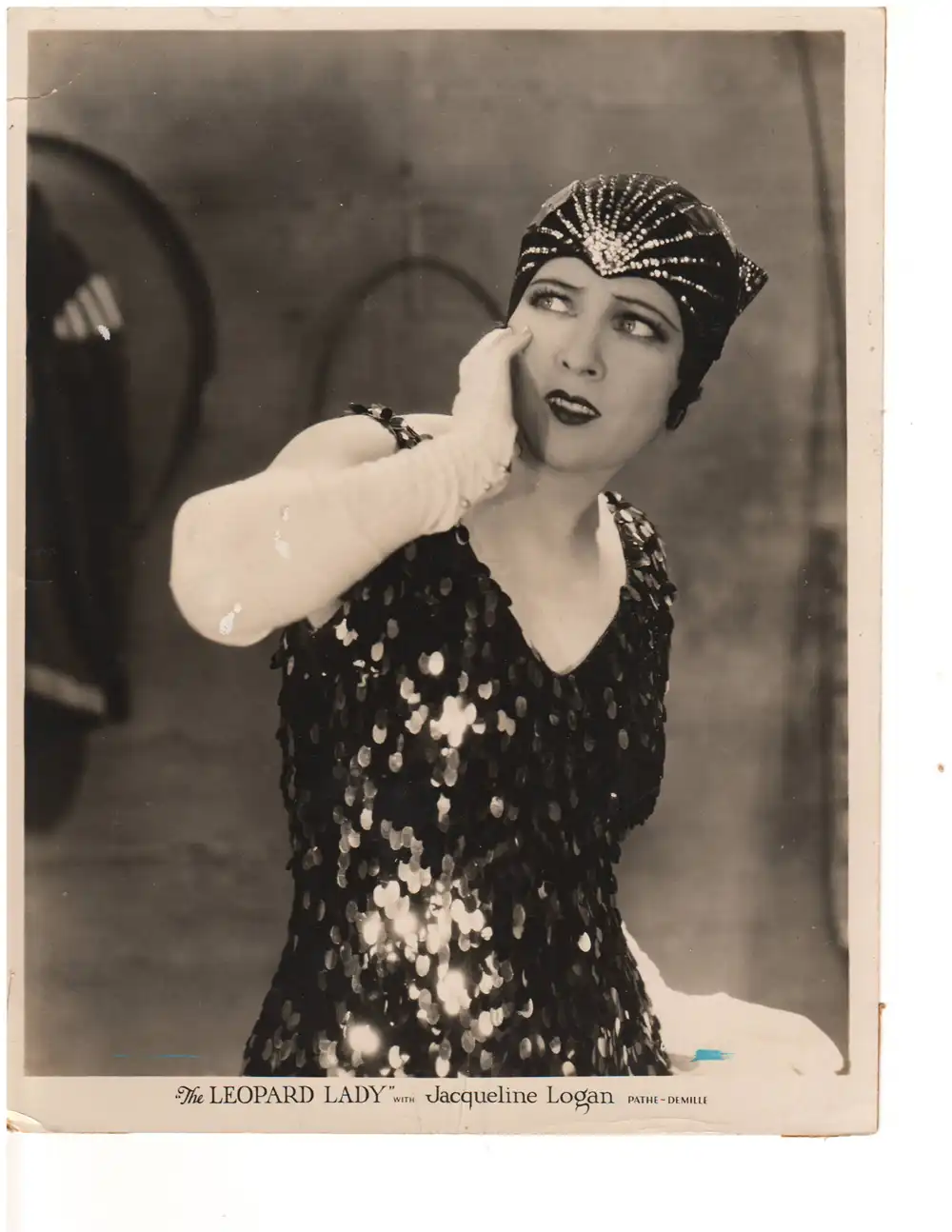
Jacqueline Logan plays Paula with a steeliness that feels modern. In the opening sequences, when we see her working with the leopards, there is a genuine sense of physical risk. These aren't the bored, sedated animals you see in later Hollywood productions; they are restless and reactive. Logan doesn't just stand there; she commands the frame with a whip and a level of focus that makes her believable as a top-tier trainer. There’s a specific moment where she stares down a leopard that’s baring its teeth, and you can see the genuine tension in her jaw. It’s not just acting; it’s a performer managing a dangerous situation on camera.
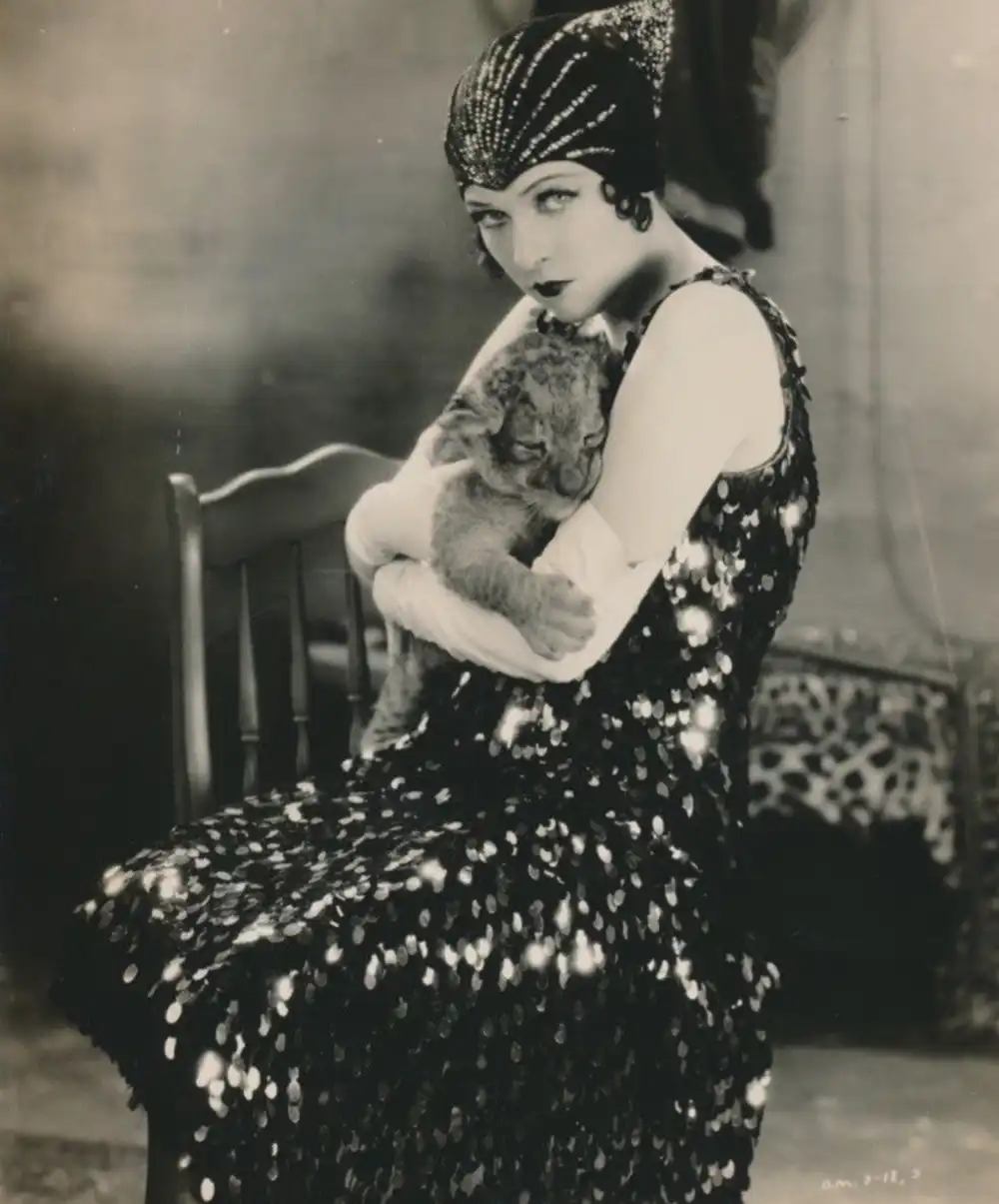
Her transition from circus star to undercover agent is handled with minimal fuss. The film doesn't over-explain her motivation; she’s a professional doing a job. This lack of melodrama is refreshing. She isn't a damsel in distress; she is the most competent person in the room for the majority of the runtime.
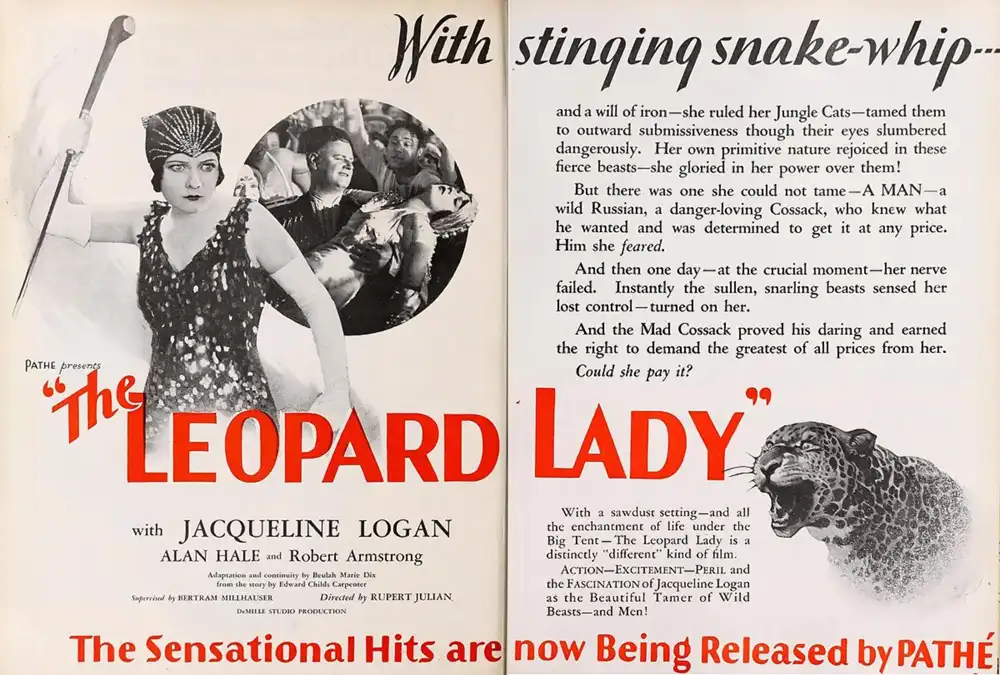
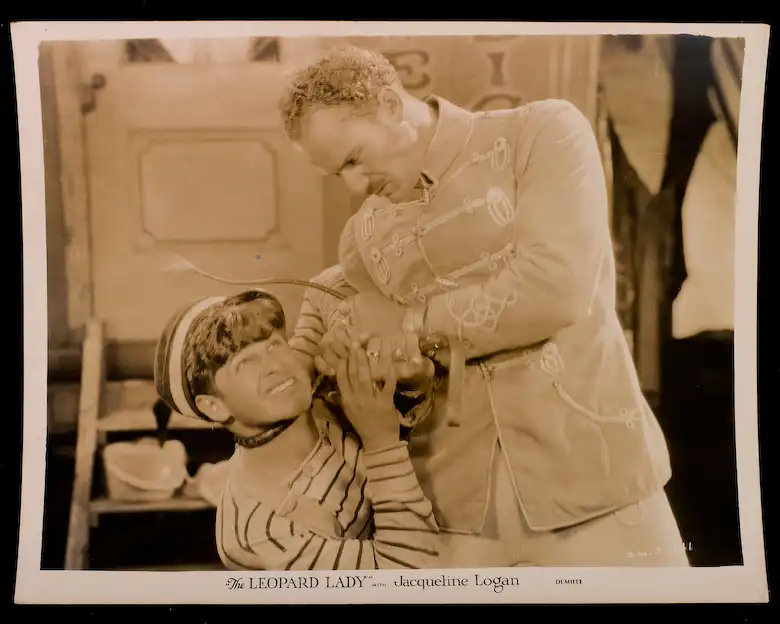
Modern audiences primarily know Alan Hale as the jovial Skipper from Gilligan's Island or the boisterous sidekick to Errol Flynn. Seeing him here as Caesar, a brooding, manipulative Cossack, is a revelation. He uses his physicality differently here—not for laughs, but to intimidate. He looms over the other actors, and his interactions with the ape are genuinely unsettling. There is a strange, domestic intimacy between the man and the beast that suggests a shared madness. Hale plays the 'debt of honor' angle well, making Paula’s hesitation to turn him in feel grounded in a real, albeit misplaced, sense of loyalty.
We have to talk about the ape. Played by Charles Gemora—the undisputed king of Hollywood gorilla suits—the creature is remarkably effective for 1928. While modern viewers might initially chuckle at the idea of a 'killer ape' mystery, Gemora’s movement is what sells it. He doesn't move like a man in a rug; he moves with a heavy, swinging gait that feels predatory. The scenes where the ape is used to commit thefts are surprisingly well-blocked. The way the camera catches the silhouette of the creature climbing through windows or lurking in the shadows of the circus tents adds a layer of genuine horror to what could have been a silly premise.
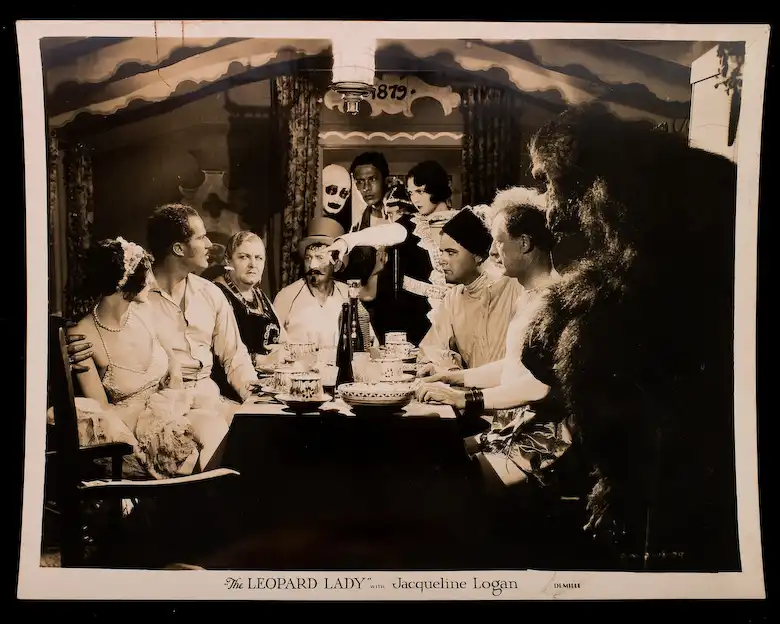
There is a specific shot where the ape is seen reflected in a mirror before an attack. It’s a classic suspense trope, but the lighting—harsh and high-contrast—makes it feel visceral. The film leans into the shadows of the circus tents, using the canvas walls to create a claustrophobic, trapped feeling that persists throughout the second act.
The middle of the film drags slightly as Paula tries to gather evidence. There are a few too many scenes of characters whispering behind wagons that don't move the needle much. However, the editing picks up significantly once the truth is revealed. The climax is a frantic scramble that makes excellent use of the circus geography. The contrast between the public performance in the ring and the private violence happening in the shadows behind the bleachers is a classic setup that director Roland V. Lee executes with precision.
Visually, the film is much more sophisticated than many of its contemporaries like The Power of Decision. It avoids the flat, stagey look of early silents. Instead, we get low-angle shots of the leopards and tight close-ups of Paula’s eyes as she realizes the truth about Caesar. The cinematography captures the grime of the traveling show—the mud, the ropes, the flickering lamps—rather than the glamour. It feels lived-in and slightly dangerous.
If there’s a weakness, it’s the romantic subplot. Robert Armstrong is fine as the fiancé, but their scenes feel like they belong in a much softer movie. Every time the film cuts back to their conventional romance, the tension built by the 'killer ape' plot evaporates. These moments feel like concessions to the studio's desire for a traditional happy ending, and they lack the bite of the rest of the film. Compared to the raw energy of a film like The Untamed, the romance here feels a bit tacked on.
Additionally, the resolution of Paula’s moral dilemma—the fact that Caesar saved her life—is handled a bit too quickly. The internal conflict is set up beautifully, but the actual decision to turn him in happens in a beat, without the agonizing weight the earlier scenes suggested. It’s a minor gripe in a film that is otherwise very focused on its central hook.
The Leopard Lady is a taut, 70-minute thriller that manages to be both a solid mystery and a proto-monster movie. It benefits immensely from Jacqueline Logan’s commanding presence and Alan Hale’s unexpected turn as a villain. While it occasionally stumbles over silent film clichés—the overlong reaction shots and the unnecessary romance—its atmosphere is thick enough to carry it through. It’s a fascinating look at how the silent era handled pulp horror before the Universal Monsters took over the genre in the 1930s. If you can find a decent print, it’s a rewarding watch for anyone interested in the evolution of the thriller.
IMDb 5.4
1931
Community
Log in to comment.