DbcultAccessing Vault...
Cult Review
Senior Film Conservator
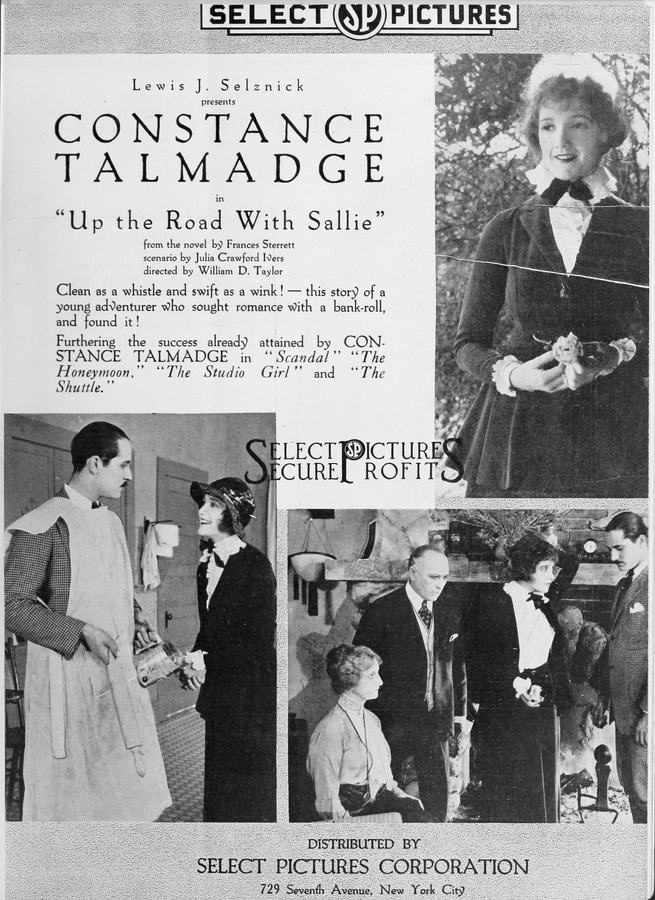
Storm-lashed screwball meets probate noir in Up the Road with Sallie, a 1921 one-reel wonder so few have eyeballed that even hardcore Talmadge cultists speak of it in hushed, slightly skeptical tones—as if describing a unicorn with a sense of humor.
Constance Talmadge—whose luminous grin could sell monarchy to a republic—plays Sallie Waters, a flapper cousin suddenly yoked to a Darwinian clause: turn five thousand dollars into the most dazzling profit among a baker’s dozen of heirs, or kiss the residual millions goodbye. The setup is Edwardian fairy-tale economics filtered through post-war cynicism: capitalism as parlor game, inheritance as scavenger hunt.
The film’s first movement is pure kinetic petulance. Sallie commandeers her aunt’s mahogany-trimmed Packard, kidnaps the elderly relative with a flurry of confetti-thick banknotes, and tears into the countryside accompanied by title-cards that snap like bubble-gum. Cinematographer Julia Crawford Ivers—rare female lens-crafter of the era—floods the frame with harvest-gold dusk, letting dust clouds become metaphorical gold dust, the very stuff Sallie is desperate to multiply.
Then sky splits. Rain hammers. Talmadge’s kohl-rimmed eyes register not fear but calculation: opportunity often wears weather’s worst couture. The women limp to a lopsided manor, its gables gnawing at charcoal clouds. Inside, two young men—Norman Kerry and Larry Steers, equal parts matinee profile and damp dishevelment—huddle by a sputtering hearth. One flashes a signet ring; Sallie clocks it as her uncle’s pilfered seal. Suspicion ricochets like a stray bullet. Cue intertitle: “Burglars wear the jewelry of the buried, don’t they?”
Yet the boys spy Sallie’s wad of cash—this is an era when paper money still carried the whiff of criminal musk—and peg her as safe-cracker femme. The symmetry is delicious: everyone is both suspect and sleuth, heir and hustler. Into this crucible strides the sheriff, embodied by Karl Formes like a barrel-bodied Prospero, brandishing quarantine orders—typhoid scare, he claims—nailing the doors shut. The mansion becomes a pressure-cooker of manners, a philosophical locked-room; think Christophe Colomb if the Santa Maria were a rotting porch in Virginia.

What follows is twenty minutes of escalating farce staged like chamber music: slamming doors, swapped satchels, flickering candles that re-stage shadows into accusatory fingers. M.B. Paanakker’s editorial tempo accelerates—eyeline matches staccato, continuity fractures deliberately, mirroring the heirs’ jittery arithmetic of profit versus exposure. Each character tries to out-invest the others in secrecy itself, hoarding information like wartime sugar.
The dénouement arrives via Thomas Persse, the homeowner long absent, presumed dead or debtor. His re-entrance—shot in proto-deep-focus silhouette against blinding daylight—plays like resurrection. He unspools the truth: the will’s residue was never monetary; it is the house, the land, the very stage on which they schemed. Whoever occupies and improves this ruin inherits. Sallie’s anarchic hospitality—letting strangers shelter—has bloated the property’s communal value beyond any ledger. Capital, the film slyly whispers, is just theater with better scenery.
Talmadge pirouettes between screwball and strategist; watch her eyebrows semaphore entire balance sheets. When she realizes the ring’s backstory, her pupils dilate like aperture blades—silent cinema’s analogue to the modern close-up gasp. Opposite her, Kate Toncray’s Aunt Lavinia is a walking etiquette manual whose spine melts into slapstick jelly the moment rain soaks her ostrich-plume hat. Their generational friction—flapper vs. Victorian—becomes a microcosm of America negotiating its own adolescence.
Norman Kerry, pre-Phantom of the Opera stardom, already brandishes that devil-may-care smirk, but Ivers and Sterrett complicate it: his character’s braggadocio masks an ex-soldier adrift in boom-time economy. In a cut subplot (trimmed for length, surviving in the continuity script) he burns through his five grand buying war-buddy farmland, believing soil the only honest speculation—only to see it washed out by the same storm that traps them. Eco-capitalist undertones, 1921!
The mansion set, erected on a Santa Monica back-lot, is a German-expressionist transplant: doorframes trapezoidal, staircases listing like drunk metaphysics. Shadows painted onto walls elongate characters into capitalists and gargoyles interchangeably. Ivers’ camera loves low angles that turn hallway rugs into vertiginous ledges—money as precipice.
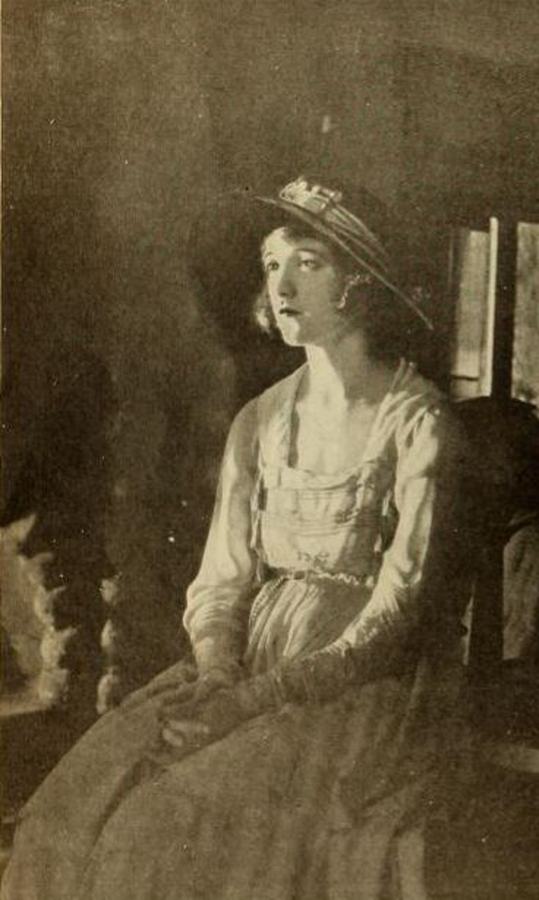
Intertitles—often a neglected art—here sparkle with fin-de-siècle slang: “Auntie’s moral stock just crashed—no buyers!” Lettering wiggles across the screen like ticker-tape, marrying Wall Street iconography to vaudeville timing.
Unlike its contemporaries—say Gloria’s Romance, where wealth is romantic reward—Sallie proposes acquisition as performance art. Sallie’s gender bends the Horatio-Alger arc; she hustles not through masculine brawn but networked empathy. Her finest gambit is storytelling itself: spinning the burglars’ suspicions into cooperative labor—everyone patching the roof, sharing tinned beans—thereby growing the estate’s worth while the market sleeps.
Yet the film dodges utopianism. The final iris-in closes on Sallie winking at camera, holding not the deed but the sheriff’s quarantine sign—implying ownership is merely the authority to invite or exclude. A proto-critique of rentier capitalism, smuggled inside a popcorn comedy.
Surviving prints lack the original Selsyn-orchestra cue sheets, so modern screenings often commission new scores. I caught a 2019 MoMA restoration with a baroque-punk ensemble: accordion, electric guitar, typewriter. During the storm sequence, percussionists rattled sheet metal, recreating thunder that bled into diegetic space—sound becoming weather, weather becoming plot. The experience underscored how easily this film acclimates to anachronism; its DNA is remix.
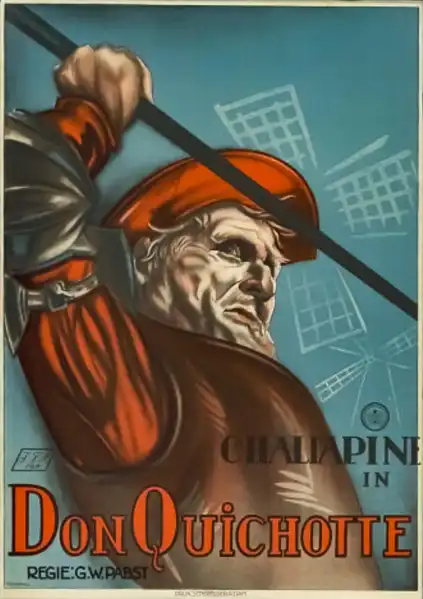
Up the Road with Sallie belongs to a curious micro-cycle of early-20s films that weaponize inheritance as narrative engine—see also Melting Millions and A Million a Minute. Yet where those titles indulge in wealth-fantasy, Sallie interrogates the grammar of value itself, closer in spirit to the existential wager of Il sogno di Don Chisciotte or the moral murk of The Power of Evil, albeit filtered through flapper flippancy.
At 58 minutes, the third act sprints. A subplot involving counterfeit bearer bonds vanishes; the aunt’s redemption arc resolves in a single blink-and-miss shrug. Some gags—black-face moonshine bootlegger—reek of period racism, though the surviving cutting-continuity suggests these shots were excised even in 1921 for Southern states-rights bookings. Still, what remains is a fossil of its era’s blind spots; approach with anthropological gloves.
9/10. A champagne cocktail of intrigue, social satire, and gender-bent enterprise, effervescent yet spiked with post-war melancholy. Seek the 4K restoration; let Talmadge’s grin fill your retinas like ticker-tape confetti. And remember: the best investment is sometimes a storm, a strange house, and the audacity to welcome whoever else the night has soaked.
IMDb 5.7
1933
Community
Log in to comment.