DbcultAccessing Vault...
Cult Review
Senior Film Conservator
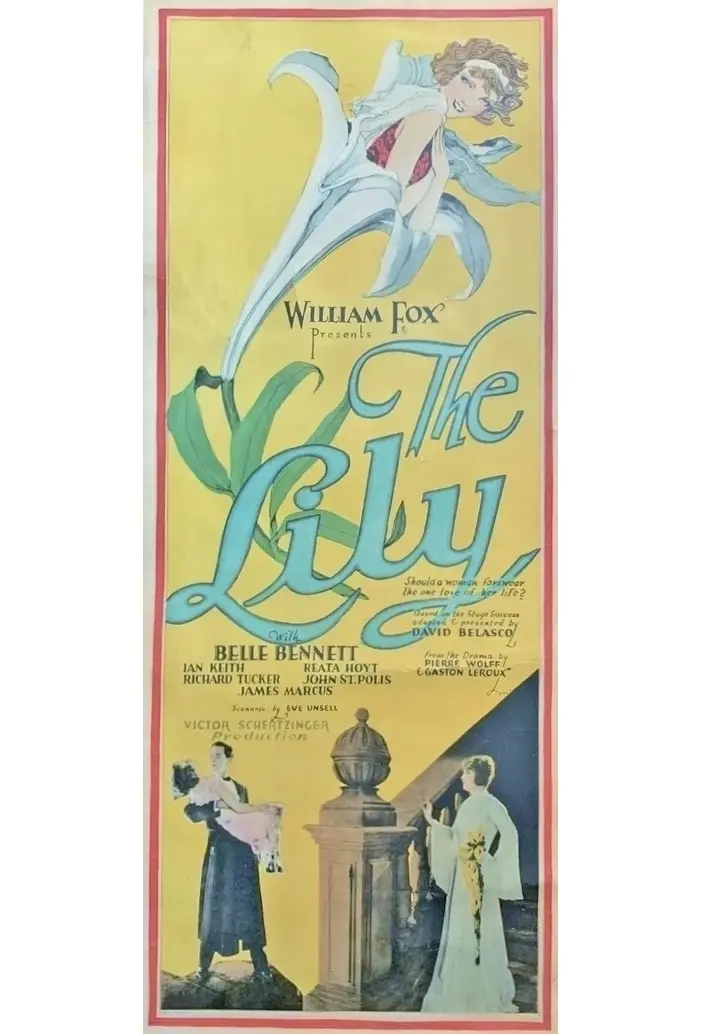
Is The Lily a forgotten masterpiece of the silent era? Short answer: Yes, but only if you value psychological depth over the slapstick or spectacle often associated with the 1920s.
This film is specifically for those who enjoy domestic dramas that peel back the layers of social respectability to reveal the rot underneath. It is definitely not for viewers who require fast-paced action or the lighthearted antics found in Monkeying Around.
1) This film works because Belle Bennett delivers a performance of such restrained agony that it makes the eventual domestic explosion feel earned rather than theatrical.
2) This film fails because the subplot involving the brother, Max, and his wealthy heiress feels like a narrative distraction that adds little to the core emotional stakes.

3) You should watch it if you are a fan of Josselyn's Wife or other 1920s films that tackle the complexities of marriage and family duty.
Directed with a keen eye for spatial politics, The Lily uses its setting to emphasize the claustrophobia of the de Maigny estate. The Comte, played with a chilling sense of entitlement by John St. Polis, is a man who views his daughters as assets rather than individuals. The film opens by establishing the routine of sacrifice that Odette has accepted. She is the 'Lily'—a symbol of purity that is really just a euphemism for being discarded by life.
The cinematography here isn't about grand vistas like The Firing Line; instead, it focuses on the tight framing of faces and the shadows cast by heavy velvet curtains. Every room in the house feels like it’s closing in. When Odette moves through the hallways, she looks less like a mistress of the house and more like a ghost haunting her own life. It works. But it’s deeply uncomfortable.
Belle Bennett was known for her ability to play maternal and sacrificial figures, but here she finds a steeliness that is surprising. There is a specific scene where she watches her sister Christiane (Rosa Rudami) flirting with the artist Arnaud. You can see the flicker of both envy and protective terror in Bennett's eyes. It is a masterclass in silent acting—no grand gestures, just a tightening of the jaw.
Unlike the broader performances found in films like His New Papa, the acting here is naturalistic for its time. Ian Keith as Arnaud provides a bohemian contrast to the stiff aristocracy of the de Maigny family. His studio is the only place in the film that feels like it has oxygen. The contrast between the dusty, dark de Maigny home and the light-filled artist's studio is a visual metaphor for the choice Christiane is making.
Yes, The Lily is a vital watch for anyone interested in the transition of stage plays to the screen. Based on a David Belasco production, it manages to escape the 'filmed play' trap through clever editing and a focus on intimate close-ups. It offers a scathing critique of the double standards of the era, where a father can keep a mistress and pawn his children's inheritance while demanding they remain 'pure'.
The most abrasive element of the film is the Comte himself. He is a villain of the most realistic kind. He doesn't want to destroy the world; he just wants to maintain his lifestyle at the expense of his daughters' happiness. When Odette finally confronts him about pawning the furniture to support his mistress, the film shifts from a melodrama into a proto-feminist manifesto.
This confrontation is the highlight of the film. Odette’s realization that her years of sacrifice were for a man who didn't even respect the family name is devastating. It reminds me of the social tensions explored in The Ragamuffin, but with a much darker, more cynical edge. The Comte doesn't have a change of heart; he simply finds another way to console himself. This lack of a 'redemption arc' for the father is a bold choice for 1926.

The pacing of the film is deliberate. It builds slowly, mirroring the years of resentment that have built up in Odette. Some might find the middle section, which focuses on Max’s courtship, to be a bit of a slog. It feels like a holdover from the stage play intended to provide a subplot for a larger cast. However, once the focus returns to the sisters, the tension ratchets back up.
The use of title cards is sparse but effective. They don't over-explain the emotions because the actors are doing the heavy lifting. Compared to the more frantic energy of The Barnyard, The Lily is a somber, brooding piece of work. It demands your full attention, but it pays it back in emotional resonance.
One of the most interesting aspects of The Lily is how it handles the concept of divorce. In an era where divorce was often portrayed as a moral failing, here it is presented as a tool of liberation. The artist's wife agreeing to a divorce isn't a tragedy; it's the key that unlocks the prison door for Christiane. This is a remarkably progressive stance for a film of this vintage, especially compared to the more moralistic tones of Tiger Rose.
"Odette's rebellion isn't just against her father; it's against the very idea that a woman's value is tied to her domestic servitude."
The final union between Odette and the family lawyer feels less like a romantic triumph and more like a peaceful retirement from the war of her youth. It’s a quiet ending. Some might find it underwhelming, but I find it honest. After decades of being the 'Lily' of the house, Odette doesn't need a white knight; she just needs a partner who sees her as a human being.
The Lily is a sharp, incisive look at the death of the old aristocratic order. It exposes the rot at the heart of 'traditional' values through the lens of a family falling apart. While it suffers from some of the structural weaknesses of its stage origins, the core performances and the biting social commentary make it a standout of the mid-20s. It isn't a comfortable watch, but it is a necessary one for those who want to see the silent screen at its most socially conscious. It works because it dares to let its protagonist be angry. And in 1926, that was a revolution in itself.
IMDb —
1927
Community
Log in to comment.