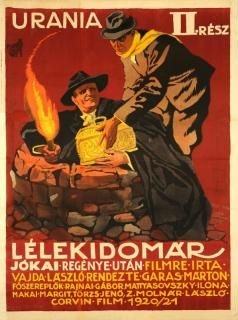
There is a moment, roughly forty-three minutes into A lélekidomár, when the celluloid itself appears to hyperventilate: the image buckles, emulsion bubbles erupt like carbuncles, and Countess Irén—played by Sári Körmendi with the languid cruelty of a cat sharpening claws on silk—steps through the fourth wall as though...
Comparing the cinematic DNA and archive impact of two defining moments in cult history.
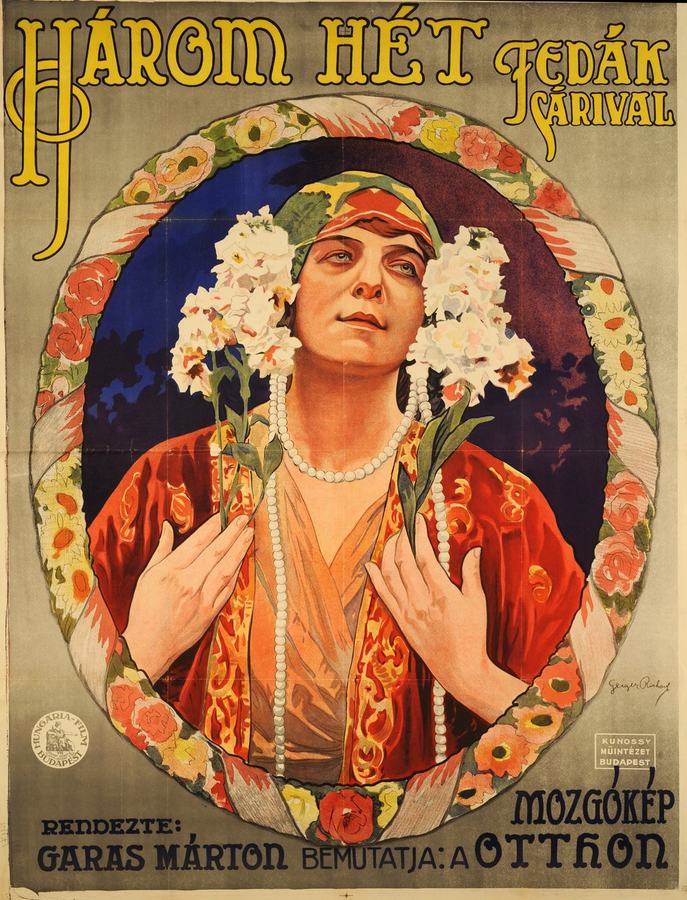
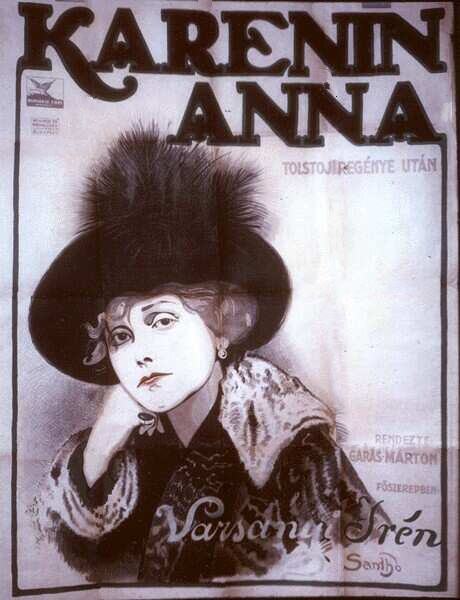
Márton Garas
Márton Garas
Community
Log in to comment.
" There is a moment, roughly forty-three minutes into A lélekidomár, when the celluloid itself appears to hyperventilate: the image buckles, emulsion bubbles erupt like carbuncles, and Countess Irén—played by Sári Körmendi with the languid cruelty of a cat sharpening claws on silk—steps through the fourth wall as though it were a cobweb. She does not wink. She simply exhales, and the frame steams. That single breath, preserved in nitrate amber, distills the entire film’s mission: to train the vie..."
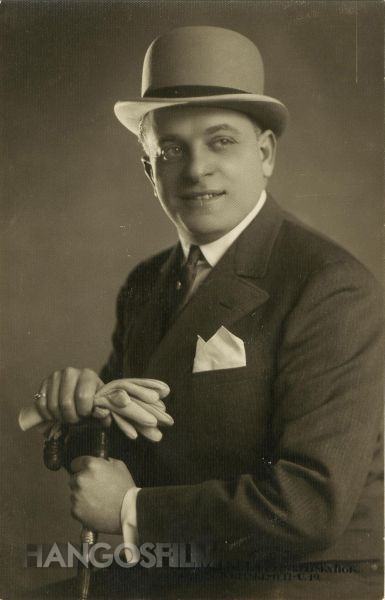
Oszkár Dénes
Mór Jókai, Ladislaus Vajda
Hungary
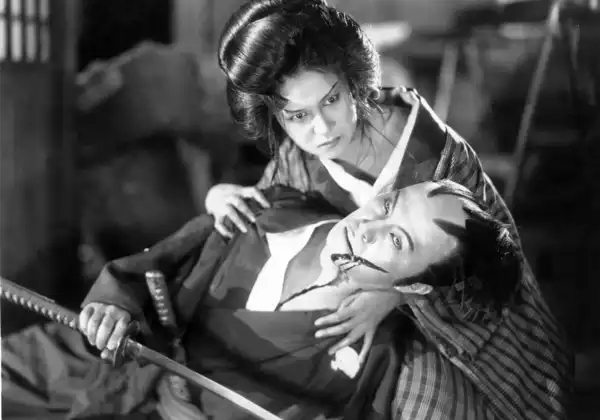
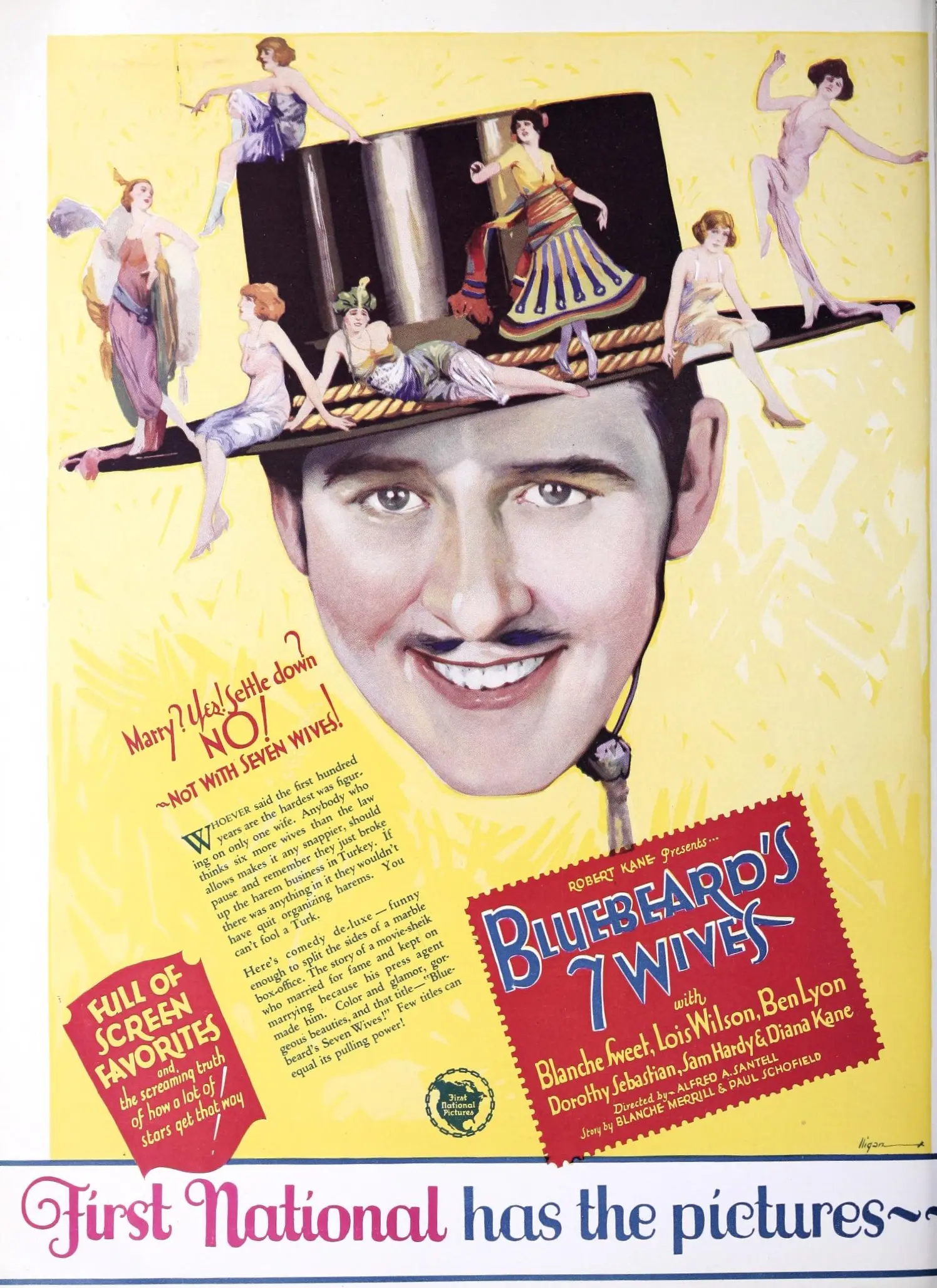
Deep dive into the cult classic
Discover similar cinematic experiences
A Directorial Spotlight on Márton Garas