DbcultAccessing Vault...
Cult Review
Senior Film Conservator
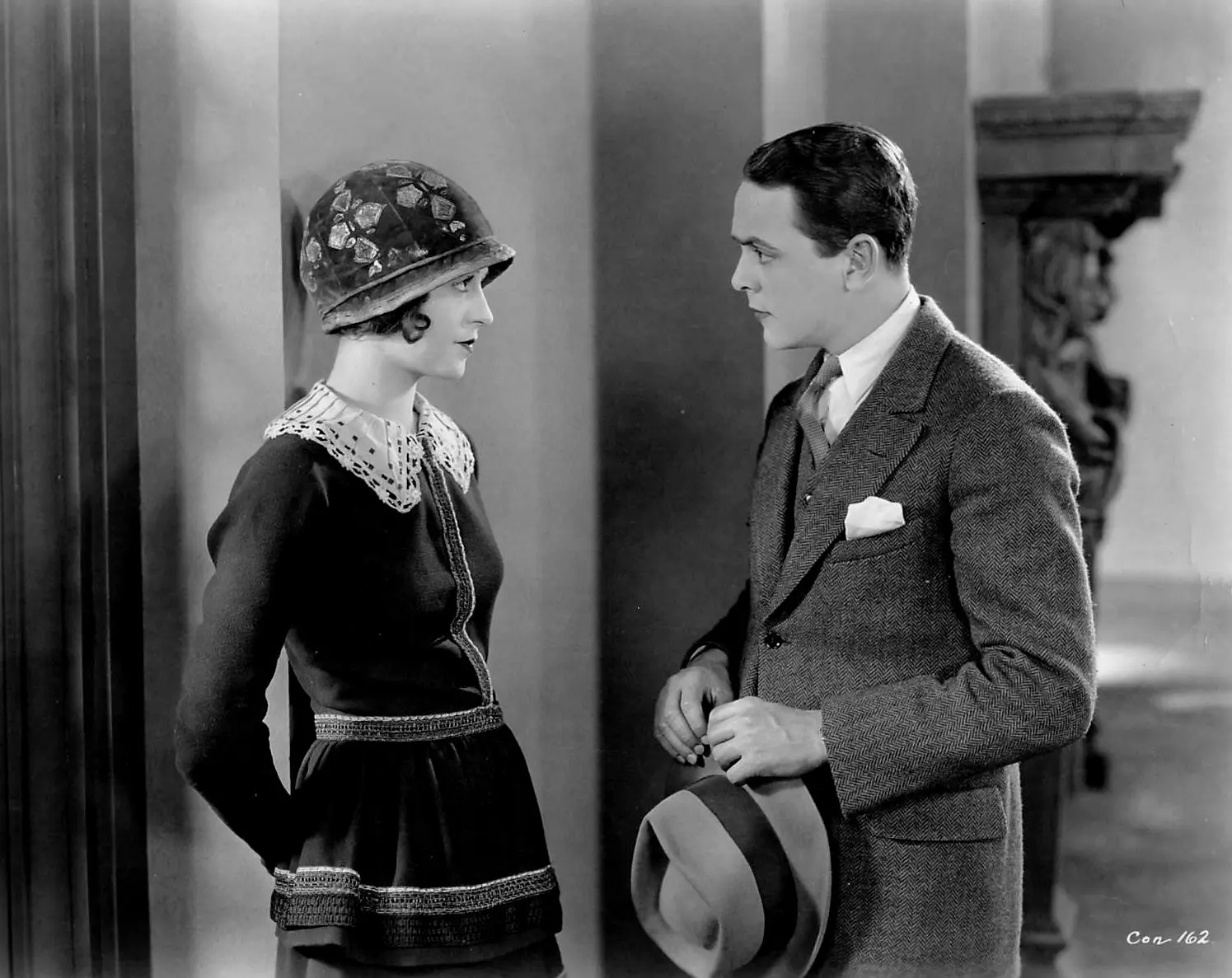
Short answer: yes, but with significant caveats. The Man Without a Conscience is absolutely worth watching today for anyone with a keen interest in cinematic history, the evolution of storytelling, or a desire to understand the moral compass of the early 20th century. However, it is decidedly not for viewers seeking modern pacing, nuanced character development, or a narrative free from the melodramatic conventions of its era. This is a film for the curious, the patient, and those who appreciate cinema as a window into a bygone cultural landscape, rather than a purely contemporary entertainment experience.
This silent drama, born from a period of rapid societal change and rigid moral codes, offers a fascinating, if sometimes frustrating, exploration of ambition, betrayal, and a rather abrupt redemption. It’s a compelling artifact that speaks volumes about the anxieties and aspirations of its time, presenting a narrative that oscillates between genuinely engaging conflict and resolutions that feel more like moral dictates than organic character arcs. Prepare for a journey back to the foundations of cinematic storytelling, where the stakes were high, the villains were clear, and the lessons were explicit.
The Man Without a Conscience plunges us into a world where ruthless ambition is both the engine of success and the harbinger of ruin. It’s a quintessential morality play dressed in the finery of the Jazz Age, reflecting a society grappling with the allure of wealth against the bedrock of traditional values. The film, like many of its contemporaries, presents a stark dichotomy between good and evil, virtue and vice, with little room for the grey areas that modern audiences have come to expect.
The pacing, typical of silent cinema, might feel jarring to those unaccustomed to it. Narratives unfold through a combination of visual storytelling, exaggerated performances, and explanatory intertitles. This often results in a rhythm that can feel simultaneously rushed in plot progression and deliberate in scene execution, demanding a different kind of engagement from the viewer.
The tone is unashamedly melodramatic, a characteristic that was not only accepted but expected in its time. Every betrayal, every moment of despair, and every flicker of hope is amplified, often to a degree that verges on the theatrical. Consider the swiftness with which Amos Mason, played by Charles McHugh, dismisses Ann Sherman, after ruthlessly leveraging her savings. This moment, conveyed through stark visual cues and a dismissive gesture, embodies the film's commitment to clear, unambiguous villainy, designed to elicit a strong emotional response without the need for dialogue.
This dramatic intensity serves a purpose: to underscore the moral lessons at the heart of the story. The film isn't just telling a tale; it's delivering a sermon on the perils of unchecked avarice and the eventual triumph of virtue, even if that triumph feels somewhat manufactured. It’s a testament to how early cinema often functioned as both entertainment and a moral compass for its audience, reflecting and reinforcing prevailing societal norms.
Charles McHugh's portrayal of Amos Mason is, in many ways, the lynchpin of the film. Without dialogue, McHugh relies entirely on physicality, facial expressions, and a certain theatrical grandiosity to convey Mason's ruthless drive. He embodies the titular 'man without a conscience' with a chilling efficiency, his ambition a palpable force that propels the narrative forward. You see it in the way he carries himself – a confident, almost arrogant swagger that slowly devolves into desperation as his schemes unravel.
McHugh's performance is effective in establishing Mason as a formidable, if morally bankrupt, figure. His initial charm is quickly overshadowed by his calculating nature, evident in the subtle shifts of his expression when he's manipulating Ann or courting Shirley Graves. A particularly strong example is the scene where he callously discards Ann, his face a mask of cold indifference, leaving no doubt about his priorities. This is a character who understands the mechanics of power and uses them without compunction, a trait that resonates with similar unscrupulous figures seen in other films of the era like The Price of Pleasure.
However, the film’s biggest challenge, and perhaps its most debatable element, lies in Mason's eventual repentance. After being arrested for swindling, he undergoes a profound transformation in prison. While McHugh attempts to convey this shift through a more subdued demeanor and mournful expressions, the change feels largely unearned. It's a narrative convenience, a sudden pivot designed to facilitate a tidy moral resolution rather than a deeply explored psychological journey. This abrupt redemption undermines the very premise of a 'man without a conscience,' making the character’s arc feel less like growth and more like a forced narrative reset button.
It’s a common trope in early cinema, where moral comeuppance and subsequent redemption were often expedited for the sake of the story's message. Yet, even within the context of its time, one might argue that a more gradual, internal struggle would have lent greater weight to Mason's ultimate reconciliation with Shirley. As it stands, McHugh’s portrayal of the 'reformed' Amos, while sincere in its execution, struggles against the inherent implausibility of such a sudden moral awakening.
The female characters in The Man Without a Conscience, particularly Ann Sherman (June Marlowe) and Shirley Graves (Irene Rich), offer a fascinating counterpoint to Amos Mason's relentless ambition. They represent different facets of women's experiences and societal expectations in the 1920s, navigating betrayal, heartbreak, and the constraints of their social positions.
June Marlowe's Ann Sherman is the embodiment of quiet resilience. Her initial trust in Amos is heartbreakingly naive, and her subsequent abandonment is portrayed with a poignant vulnerability that elicits genuine sympathy. Marlowe conveys Ann's pain not through histrionics, but through a dignified sorrow and a determined spirit. When she is dismissed from the Graves mansion, her reaction is one of quiet despair, quickly followed by a resolve to find new footing, rather than succumbing to self-pity. This resilience makes her eventual happiness with James Warren feel well-deserved and earned, a stark contrast to Mason’s manufactured redemption.
Irene Rich as Shirley Graves, on the other hand, embodies the societal pressures faced by women of means. She is torn between her genuine affection for the penniless Douglas White and the expectations of her mother, who pushes her towards the financially advantageous match with Amos Mason. Rich effectively conveys Shirley's internal conflict, her longing for true love warring with her sense of duty and social propriety. Her eventual affair with Douglas is depicted with a blend of passion and apprehension, leading to one of the film's most revealing moments about its era's morality.
Shirley’s 'disgust with illicit sex' when she believes Douglas to be unfaithful is a particularly striking element. From a modern perspective, this reaction might seem overly moralistic or even prudish, but it perfectly encapsulates the prevailing societal attitudes towards female chastity and the double standards of the time. It’s a moment that highlights the film’s didactic intent, reinforcing conservative sexual norms even as it explores transgression. This specific plot point, while perhaps challenging for contemporary viewers, is invaluable for understanding the moral landscape that shaped these narratives. It positions Shirley not just as a romantic lead, but as a vessel for the era's ethical lessons, much like characters in The Better Wife often serve a similar purpose.
Even without the benefit of sound, The Man Without a Conscience communicates its story effectively through the visual language of silent cinema. The filmmakers demonstrate a clear understanding of how to use composition, lighting, and editing to convey emotion and narrative progression. The cinematography, while not groundbreaking for its time, is competent and serves the story well, often employing classic techniques to heighten drama.
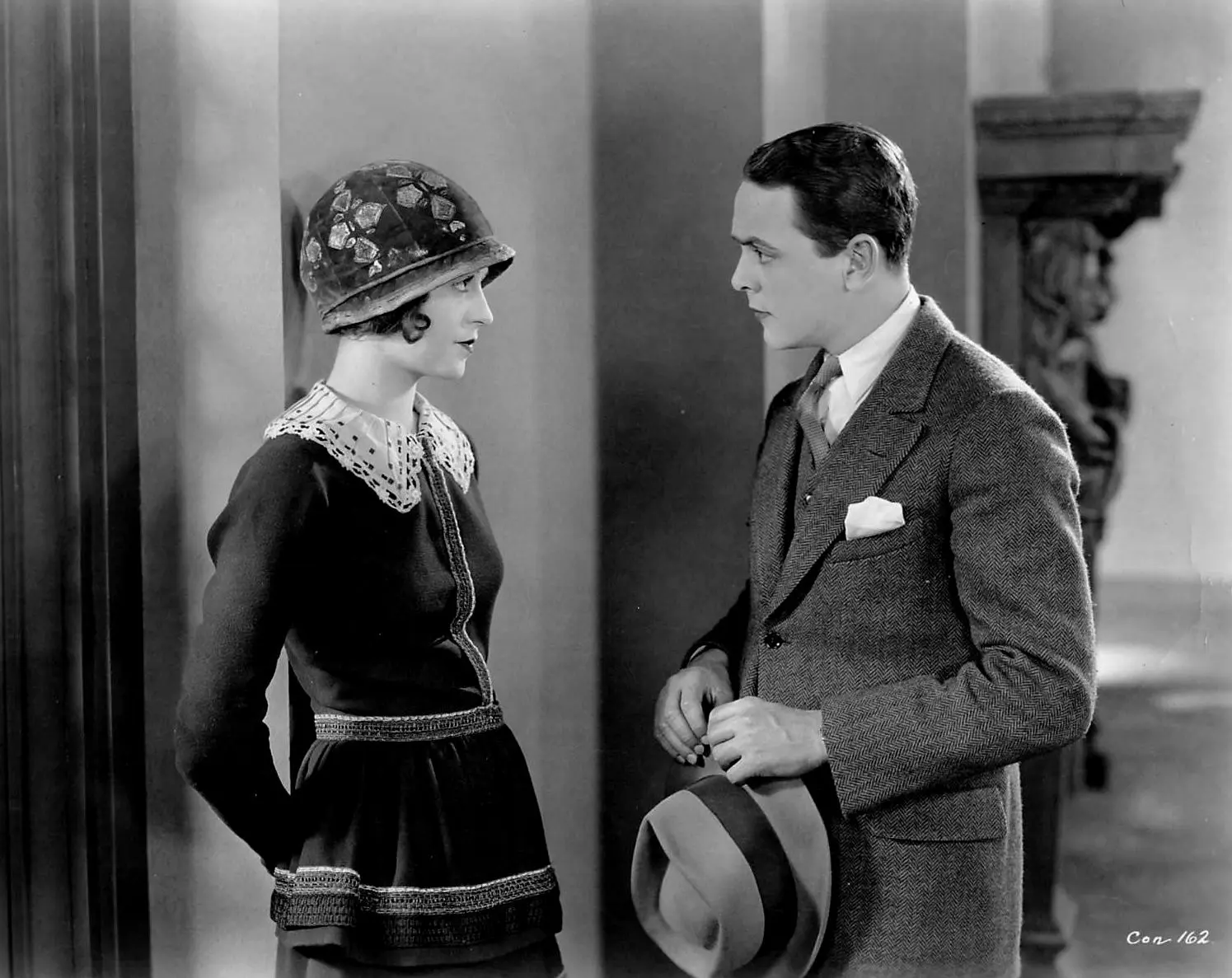
One notable aspect is the visual contrast between the settings. The opulence of the Graves mansion, with its grand staircases and richly adorned rooms, stands in stark opposition to the more modest, almost stark environments Ann occupies after her abandonment. This visual juxtaposition effectively underscores the class divide and the social climbing central to Amos’s ambition. The use of lighting often emphasizes this, with harsher, more direct light for moments of confrontation or despair, and softer, more romantic lighting for scenes of budding affection, particularly between Shirley and Douglas.
Intertitles are used judiciously, providing necessary dialogue and exposition without overwhelming the visual narrative. They act as a bridge, guiding the audience through the emotional beats and plot complexities, ensuring clarity in a medium that relies solely on imagery. Consider the scene where Ann reveals Amos's past perfidy to Shirley; the intertitles here are crucial for delivering the weight of this information and its impact on Shirley’s perception of her husband.
The film also employs visual motifs, such as the frequent depiction of New York’s bustling streets, symbolizing both opportunity and anonymity. This helps to ground the melodramatic plot in a recognizable, if idealized, urban reality. The close-ups on the actors’ faces, particularly during moments of intense emotion, allow the audience to connect with their internal struggles, a technique essential for conveying complex feelings without spoken words. The overall production, while not aiming for the epic scale of some contemporary blockbusters like Adventures of Tarzan, focuses on character and moral drama within its constrained settings.
Experiencing The Man Without a Conscience today means adjusting to the unique rhythm and tonal landscape of silent cinema. The pacing can feel like a series of rapid narrative leaps punctuated by extended, almost tableau-like scenes designed to allow the actors to convey emotion through exaggerated gestures and expressions. It's a different kind of storytelling, one that demands patience and a willingness to interpret visual cues more actively than with modern films.
The narrative unfolds with a certain inevitability, particularly regarding Amos Mason's descent. His schemes, while initially successful, are presented as inherently flawed, destined to crumble under the weight of his own immorality. This sense of predestination contributes to the film's moralistic tone, where poetic justice is not just a possibility, but a narrative guarantee. The rapid succession of his business failures and subsequent arrest, while dramatically impactful, leaves little room for suspense regarding his ultimate fate.
The melodramatic tone, as discussed, is pervasive. Every emotion is heightened, every conflict is stark, and every resolution feels designed to reinforce a clear moral message. For a contemporary viewer, this can sometimes border on the theatrical or even the comical, especially when performances lean heavily into broad strokes. However, it's crucial to appreciate this as a stylistic choice inherent to the era, a way of communicating complex narratives and emotions to a broad audience without the aid of spoken dialogue.
The swiftness of Amos’s repentance in prison, followed by Shirley’s equally rapid softening of attitude and their reconciliation, is perhaps the clearest example of this expedited melodramatic pacing. It’s a resolution that feels less like earned character development and more like the pulling of a narrative lever to achieve a morally palatable ending. This kind of compressed emotional journey is a hallmark of many silent films, where the ultimate message often took precedence over realistic psychological progression. It's a stark reminder that film narratives have evolved significantly, moving from explicit moral lessons to more ambiguous and character-driven explorations.
Yes, The Man Without a Conscience is worth watching today, especially for those interested in the historical context of cinema and the evolution of storytelling. It offers a fascinating, albeit dated, glimpse into the moral and social anxieties of the 1920s.
This film works because it provides a clear, unvarnished look at the melodramatic conventions of early cinema, showcasing how narratives of ambition, betrayal, and redemption were constructed without dialogue. It also features committed performances that, while theatrical, effectively convey character and emotion within the constraints of the silent medium, particularly June Marlowe’s portrayal of Ann Sherman's quiet strength.
This film fails because its moral resolutions often feel rushed and unearned, particularly Amos Mason’s abrupt repentance and Shirley’s almost immediate forgiveness. Modern audiences accustomed to psychological realism may find these plot devices simplistic and difficult to fully invest in. The dated portrayal of female sexuality and morality, while historically significant, can also be a point of contention.
You should watch it if you are a film student, a history buff, or someone who appreciates silent cinema as an art form with its own unique grammar and pacing. It's an excellent case study for understanding the roots of cinematic storytelling and the cultural values it reflected. However, if you're looking for a fast-paced, psychologically complex drama with contemporary sensibilities, this might not be the film for you.
"The film is a fascinating time capsule, revealing how early cinema grappled with complex moral themes, even if its solutions feel overly simplistic by today's standards."
The Man Without a Conscience is undeniably a product of its time, steeped in the melodramatic conventions and moralistic overtones that defined much of early cinema. It's a film that, despite its narrative shortcuts and sometimes simplistic resolutions, remains a compelling watch for specific audiences. Its value lies less in its ability to thrill a modern viewer with contemporary storytelling techniques and more in its capacity to transport us to a pivotal era in film history.
The film succeeds as a historical document and an example of how silent films navigated complex themes through visual language and exaggerated performance. While Amos Mason’s sudden change of heart feels almost comically convenient, and Shirley Graves’s moral qualms are distinctly of their period, these elements are precisely what make the film so intriguing from a critical perspective. It’s a snapshot of a society grappling with the consequences of unchecked ambition and the enduring power of virtue, even if that virtue is sometimes imposed rather than organically developed.
Ultimately, The Man Without a Conscience is a flawed gem. It’s not a film for everyone, but for those willing to engage with its unique rhythm and appreciate its historical context, it offers a rich and rewarding experience. It serves as a powerful reminder of how far cinematic storytelling has evolved, while also celebrating the foundational artistry that paved the way for the complex narratives we enjoy today. Give it a watch, not for what it is by today's standards, but for what it was, and what it represents in the grand tapestry of film history.
IMDb 6.2
1930
Community
Log in to comment.