DbcultAccessing Vault...
Cult Review
Senior Film Conservator
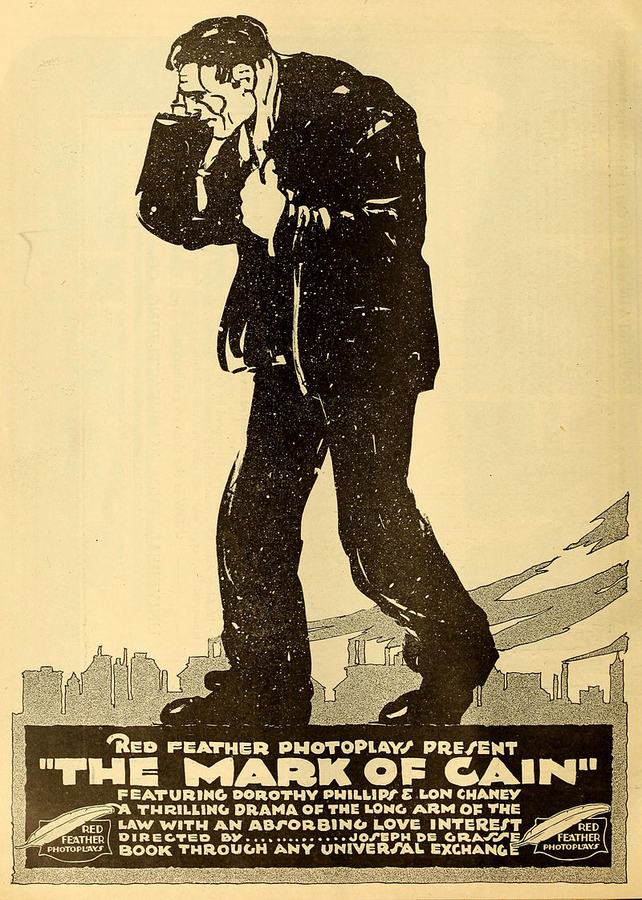
Stepping back into the flickering shadows of early cinema, Stuart Paton's 1916 drama, The Mark of Cain, emerges not merely as a historical artifact but as a surprisingly potent meditation on filial devotion, the corrosive nature of unkept promises, and the profound injustice that can scar a life. In an era often dismissed for its nascent storytelling techniques, this film, with its stark narrative and compelling performances, particularly from the inimitable Lon Chaney in a supporting yet pivotal role, manages to etch itself into the viewer's consciousness with surprising clarity. It’s a narrative that, despite its century-old vintage, still resonates with a universal ache, speaking to the timeless human struggle against fate and the often-futility of self-sacrifice when pitted against the indifferent march of time.
The film's emotional core is Dick Temple, portrayed with a quiet dignity that belies his tragic circumstance. Dick finds himself trapped within the grim confines of a penitentiary, serving a five-year sentence for a robbery he did not commit. This isn't a case of mistaken identity or malicious framing; rather, it is an act of profound, almost biblical, self-abnegation. Dick has taken the fall for his own father, a man whose moral compass has long been skewed by a life of crime. This initial premise immediately establishes a powerful moral dilemma: what is the true cost of love, and where does familial loyalty intersect with personal integrity and societal justice? The father, witnessing his son's extraordinary sacrifice, offers a solemn pledge: he will forsake his criminal ways and, in due course, reveal the truth of Dick's innocence, thereby securing his release and restoring his good name. It’s a promise laden with the weight of both hope and a desperate plea for redemption, a narrative hook that draws the audience into the unfolding tragedy.
However, the narrative, penned by Stuart Paton himself, takes a decidedly melancholic turn, denying its protagonist the swift resolution one might expect from a more conventional melodrama. Just two years into Dick's arduous sentence, the father, the sole repository of the truth, unexpectedly dies. This cruel twist of fate extinguishes the flickering flame of hope that sustained Dick, leaving him to endure the remainder of his term under the shadow of a false accusation. The father's death, before he could fulfill his solemn vow, transforms the story from a simple tale of sacrifice into a profound exploration of unfulfilled potential, the irreversible consequences of choices, and the brutal indifference of circumstance. It's a testament to Paton's storytelling acumen that this narrative beat, devoid of sensationalism, delivers such a devastating emotional blow, underscoring the arbitrary nature of justice and the enduring pain of a lost opportunity for redemption. This sense of a looming, inescapable fate is reminiscent of the somber undertones found in The Two Sergeants, where honor and duty clash with personal tragedy, creating a similar sense of poignant inevitability.
Stuart Paton, a prolific director of the era, navigates this emotionally charged terrain with a directness that characterizes much of early silent cinema, yet he imbues it with a psychological depth that elevates it beyond mere spectacle. Paton understands the power of the visual in a medium still reliant on intertitles for dialogue and exposition. His direction focuses on conveying the internal turmoil of his characters through their actions, expressions, and the strategic framing of shots. The prison scenes, while perhaps lacking the gritty realism of later cinematic efforts, effectively convey Dick's isolation and the crushing weight of his unjust confinement. The use of shadow and light, a hallmark of silent film expression, is employed to underscore the moral ambiguities and the bleakness of Dick's predicament. While not as overtly expressionistic as some German contemporaries like those who crafted Der Hund von Baskerville, Paton's visual language subtly reinforces the thematic undercurrents of guilt and despair.
The pacing of The Mark of Cain is deliberate, allowing the audience to fully absorb the gravity of Dick's sacrifice and the subsequent blow of his father's death. Paton avoids overly melodramatic flourishes, opting instead for a more grounded, albeit still heightened, portrayal of human suffering. This measured approach allows the tragedy to unfold organically, making the emotional impact all the more potent. The narrative progression, though linear, builds a sense of mounting tension as the audience, aware of the father's promise, anxiously awaits its fulfillment, only to be met with a gut-wrenching denial. This narrative strategy keeps the audience invested, demonstrating Paton's skill in crafting engaging, emotionally resonant stories even within the technical limitations of the period.
The ensemble cast, a mosaic of early film talent, contributes significantly to the film's lasting impression. While information on the full nuances of their performances can be elusive a century later, the dramatic weight of the story undoubtedly rested on their ability to convey complex emotions without spoken words. T.D. Crittenden, likely playing Dick Temple, would have had the immense task of portraying inner turmoil, stoicism, and the gradual erosion of hope. His performance, relying on facial expressions and body language, would have been crucial in eliciting audience sympathy and understanding for his character's plight.
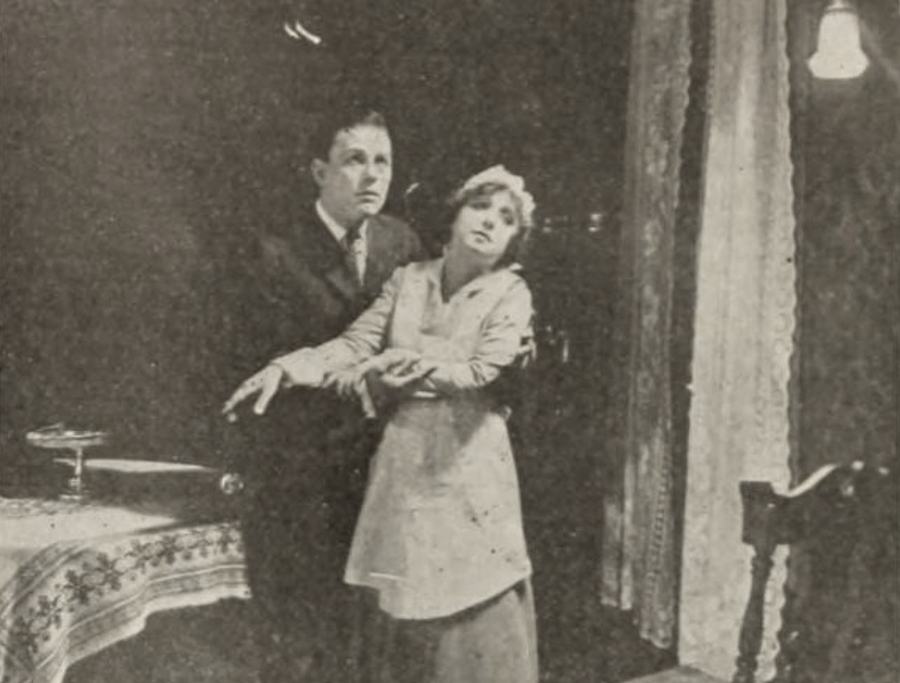
Dorothy Phillips, a prominent actress of the era, would have brought a necessary counterpoint to the male-dominated narrative, perhaps as a love interest or a figure of moral support, her presence adding layers to Dick's motivation and the external world he yearns to return to. Her ability to project warmth or sorrow through gesture and gaze would have been invaluable in a film where emotional resonance was paramount. Such roles, often overlooked in modern retrospectives, were vital in grounding the often-larger-than-life narratives of silent film, similar to the powerful, yet often understated, female performances in films like Sins of Her Parent.
However, it is the presence of Lon Chaney that most electrifies the historical record of The Mark of Cain. Even in 1916, before his iconic transformations in films like The Hunchback of Notre Dame or The Phantom of the Opera, Chaney was already a formidable presence. While his specific role in this film is often cited as a supporting one, his ability to embody complex, often grotesque or morally ambiguous characters, would have lent an undeniable gravitas to any scene he inhabited. Whether playing a villain, a conflicted figure, or even a sympathetic minor character, Chaney possessed an unparalleled command of physical expression and psychological nuance. His involvement alone suggests a certain ambition for the film, an attempt to infuse its dramatic narrative with the kind of intense, memorable characterization for which he would become legendary. One can only imagine the subtle villainy or internal struggle he might have conveyed, perhaps as a fellow inmate, a corrupt official, or even a different facet of the father's criminal underworld, adding a layer of brooding intensity. His presence, even if brief, would have been a masterclass in silent film acting, a silent scream or a subtle gesture speaking volumes, much like his earlier, more primitive appearances in films such as The Spoilers, where his nascent talent was already evident.
The film's exploration of justice is particularly poignant. Dick Temple's imprisonment highlights the fallibility of the legal system and the devastating impact of circumstantial evidence or, in this case, deliberate self-incrimination. The 'mark of Cain' itself, traditionally a biblical symbol of divine punishment and ostracization, is here transposed onto Dick, not as a mark of his own sin, but as a consequence of another's transgression and his own profound act of love. This inversion of the biblical metaphor is a clever narrative device, forcing the audience to grapple with the concept of inherited guilt and the heavy burden of unproven innocence. It's a theme that resonates deeply with other films of the era that questioned societal morality and justice, such as Not Guilty or Who Pays?, both of which delved into the complexities of accountability and consequence.
The unfulfilled promise of the father adds another layer of tragic irony. His death, before he could absolve his son, serves as a powerful commentary on the fleeting nature of life and the permanent repercussions of delayed action. It underscores the idea that intentions, however noble, are meaningless without execution. The film thus becomes a cautionary tale about the weight of promises and the profound impact of their breach, not just on the individual directly affected, but on the entire fabric of their existence. This narrative strand, focusing on the crushing weight of a promise that could not be kept, elevates The Mark of Cain beyond a simple crime drama into a more profound exploration of human frailty and the arbitrary cruelty of fate.
For contemporary viewers, approaching The Mark of Cain requires a certain contextual understanding and an appreciation for the artistic conventions of its time. The exaggerated gestures, the reliance on intertitles, and the often-melodramatic tone are stylistic choices inherent to silent cinema. Yet, beneath these surface elements lies a compelling story, told with genuine emotional conviction. The film's ability to evoke empathy for Dick Temple and to convey the profound sense of injustice he suffers is a testament to its enduring power.
The movie stands as a fascinating example of early narrative filmmaking, showcasing how directors and actors of the era grappled with complex themes using the nascent tools at their disposal. It is a reminder that even in the absence of synchronous sound, cinema could deliver powerful, thought-provoking stories that resonated deeply with audiences. Its exploration of familial duty, moral compromise, and the elusive nature of truth ensures its continued relevance, even amidst the cacophony of modern blockbusters. Much like the enduring appeal of timeless mysteries such as Sherlock Holmes, The Mark of Cain offers a profound human drama that transcends its era.
In conclusion, The Mark of Cain is more than just a forgotten relic of the silent era. It is a poignant and powerful drama that speaks to universal themes of sacrifice, guilt, and the often-brutal hand of fate. With its compelling narrative, directed by the capable Stuart Paton, and featuring the early, impactful presence of Lon Chaney, it offers a valuable glimpse into the storytelling prowess of early cinema and remains a compelling watch for anyone interested in the foundational works of film. It serves as a stark reminder that some narratives, particularly those steeped in human suffering and the pursuit of an elusive justice, possess an intrinsic power that defies the passage of time, leaving an indelible 'mark' on the cinematic landscape.
IMDb 6.7
1933
Community
Log in to comment.