DbcultAccessing Vault...
6/10
Senior Film Conservator
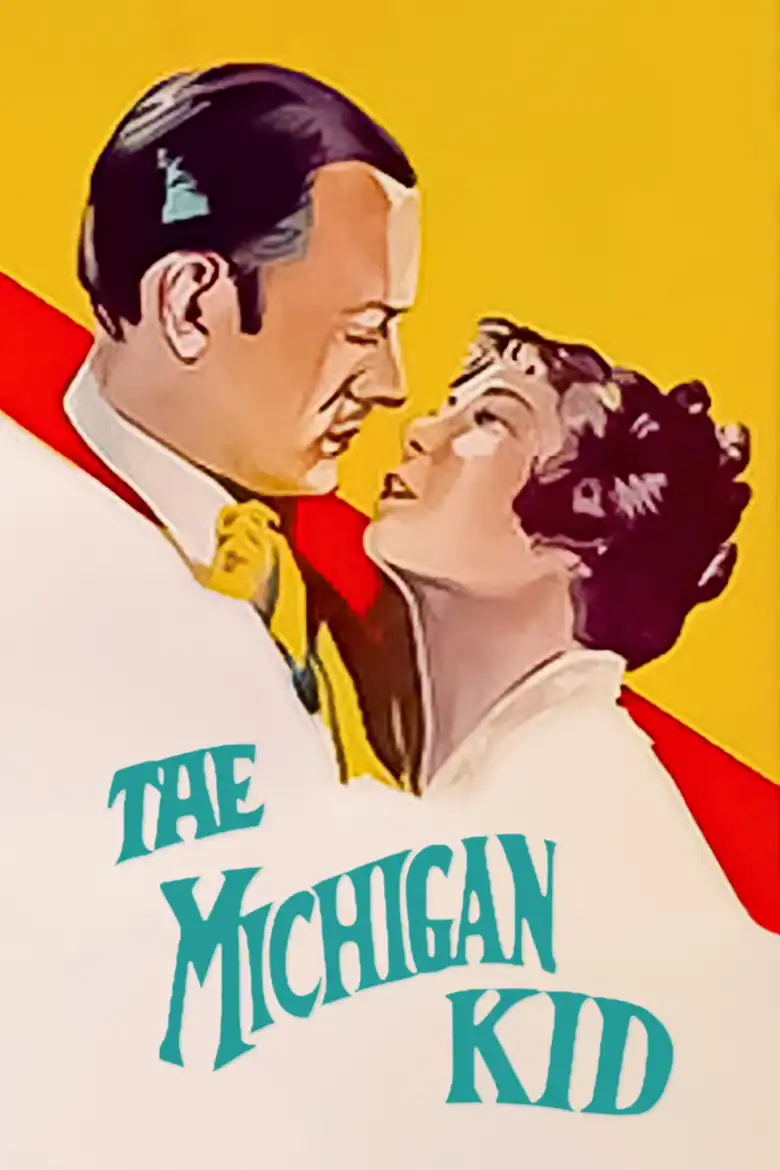
A definitive 6/10 rating for a film that redefined the boundaries of cult cinema. The Michigan Kid remains a cornerstone of transgressive art.
If you have an afternoon to kill and a high tolerance for the specific, slow-motion drama of late-silent cinema, The Michigan Kid is a decent enough sit. It isn’t a masterpiece, and it won’t change your life, but it has that rugged, outdoorsy charm that only 1920s films shot on location seem to capture. If you hate title cards or get restless when a scene of two men staring at each other lasts more than ten seconds, you should probably skip this one and watch something like Don't Weaken! instead.
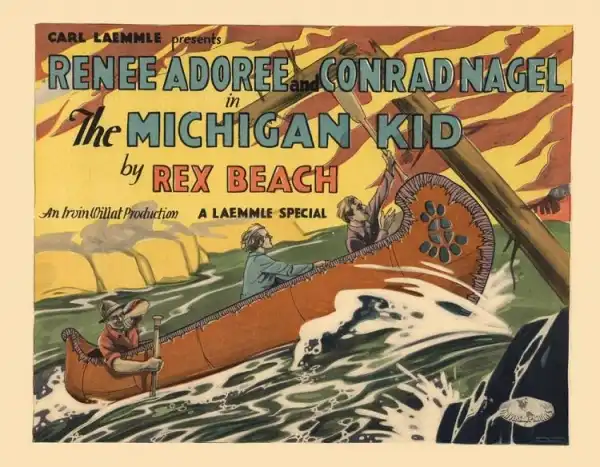
Conrad Nagel plays the titular Kid. He’s a gambler in Alaska, which in movie terms means he wears a lot of heavy fur and looks intensely at playing cards. Nagel has this way of holding his face very still, which I think is supposed to convey "stoic gambler," but sometimes it just looks like he forgot his next move. He’s trying to strike it rich so he can go back to Michigan and marry the girl he loves. It’s a classic setup, though the movie takes its sweet time getting the gears turning.
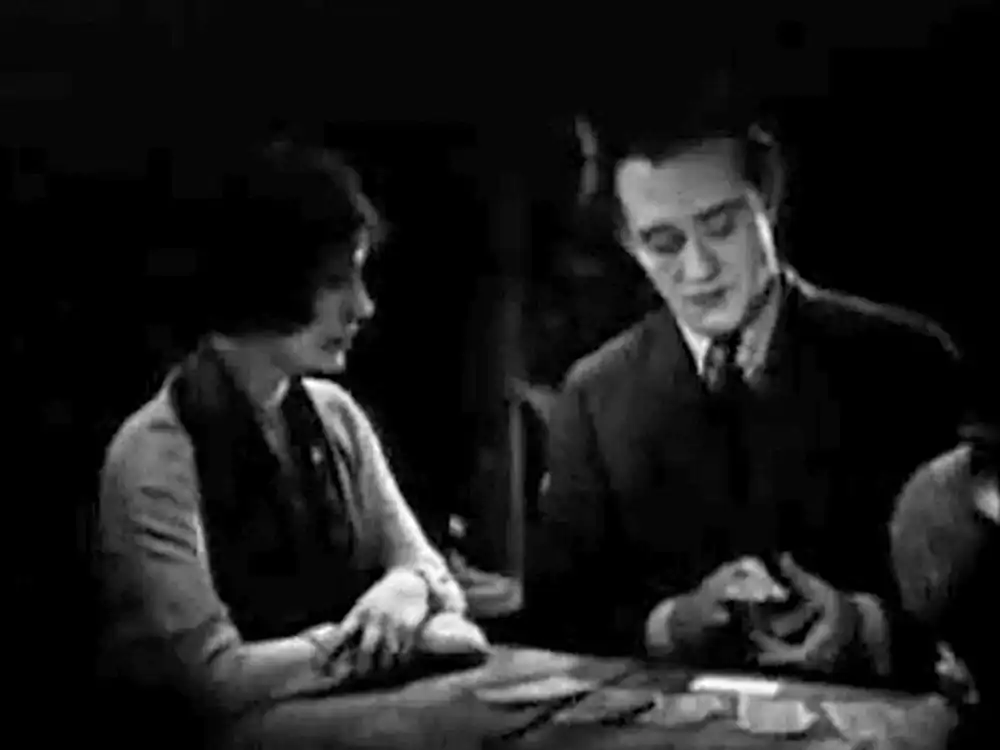
There is a scene early on in the casino where the lighting is actually quite striking—lots of deep shadows and smoke—but the extras in the background are doing that weird silent-movie thing where they pretend to have very animated conversations without moving their lips much. It’s distracting once you notice it. You see a guy in a big hat in the corner who looks like he’s having a stroke trying to look "busy."
The plot really kicks in when his childhood rival, played by Lloyd Whitlock, shows up. Whitlock has one of those faces that was built for silent cinema villainy. He looks like he’s about to kick a dog even when he’s just standing there. He’s in trouble, of course, and he’s tied up with the same girl Nagel is pining for. It’s a small world, even in the vastness of the Alaskan wilderness.
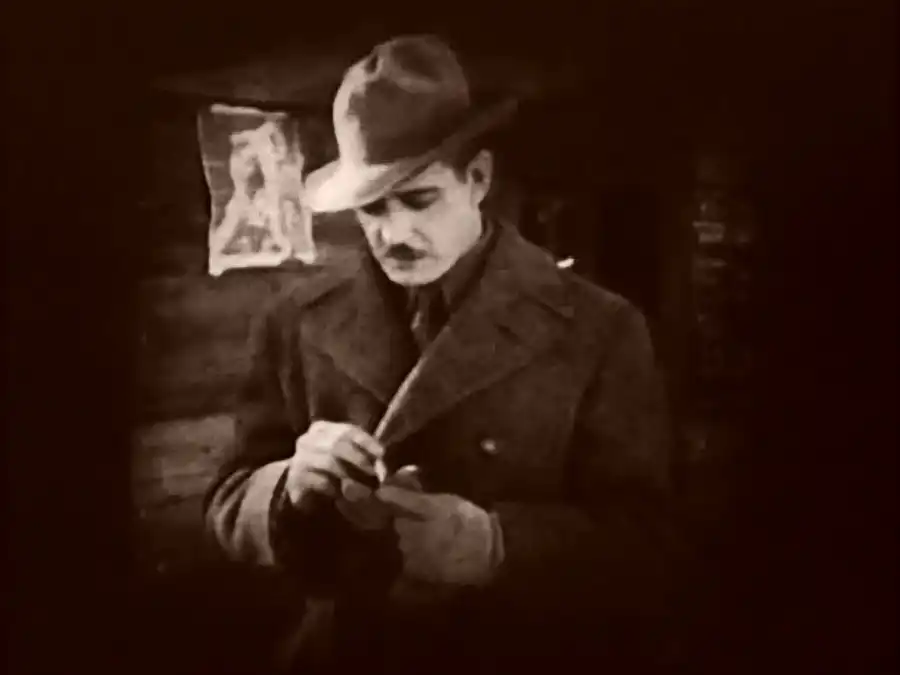
Renée Adorée is the girl in question. She was great in The Big Parade, but here she feels a bit trapped by the script. There’s a moment where she has to look shocked, and the camera stays on her face for what feels like an eternity. You can see her eyes darting slightly, waiting for the director to yell cut. It’s one of those instances where the pacing of the edit just fails the actor. It reminded me a bit of the stiltedness in Romola, where the scale of the production seems to swallow the actual human performances.
The costumes are a bit of a mixed bag. Nagel looks far too clean for a man living in a rough-and-tumble mining town. His hair is perfectly slicked back even after a supposed trek through the elements. Meanwhile, some of the supporting characters like Nelson McDowell look like they were pulled directly out of a pile of dirt. The visual contrast is unintentionally funny.
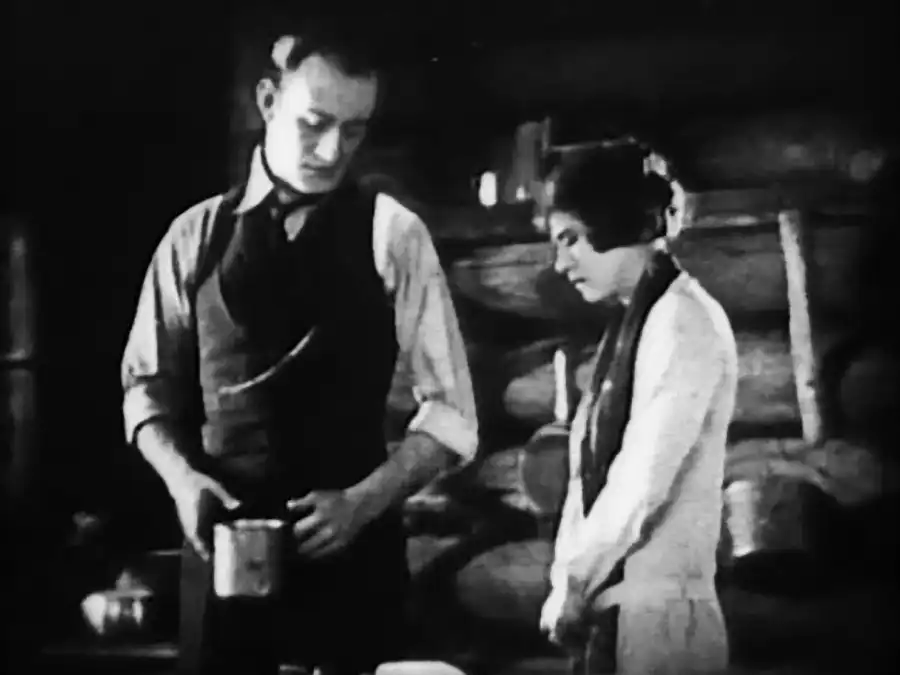
One thing I actually liked was the use of the environment. There’s a sequence involving a river that feels genuinely dangerous. You can tell they weren't using a green screen or a tank in a studio. The water looks freezing, and the actors look genuinely miserable. It’s in these moments that the movie stops feeling like a stage play and starts feeling like a piece of cinema. It’s much more effective than the indoor scenes that feel a bit cramped, similar to some of the interior work in My American Wife.
The middle of the film drags. There’s a lot of back-and-forth about who owes who money and who is lying to whom. It’s the kind of conflict that could be resolved in five minutes if people just talked, but since it’s a silent movie, they have to brood for twenty minutes instead. I found myself looking at the background details—the way the shelves are stocked in the general store, the weirdly small chairs. The set design is actually quite detailed if you look past the main action.
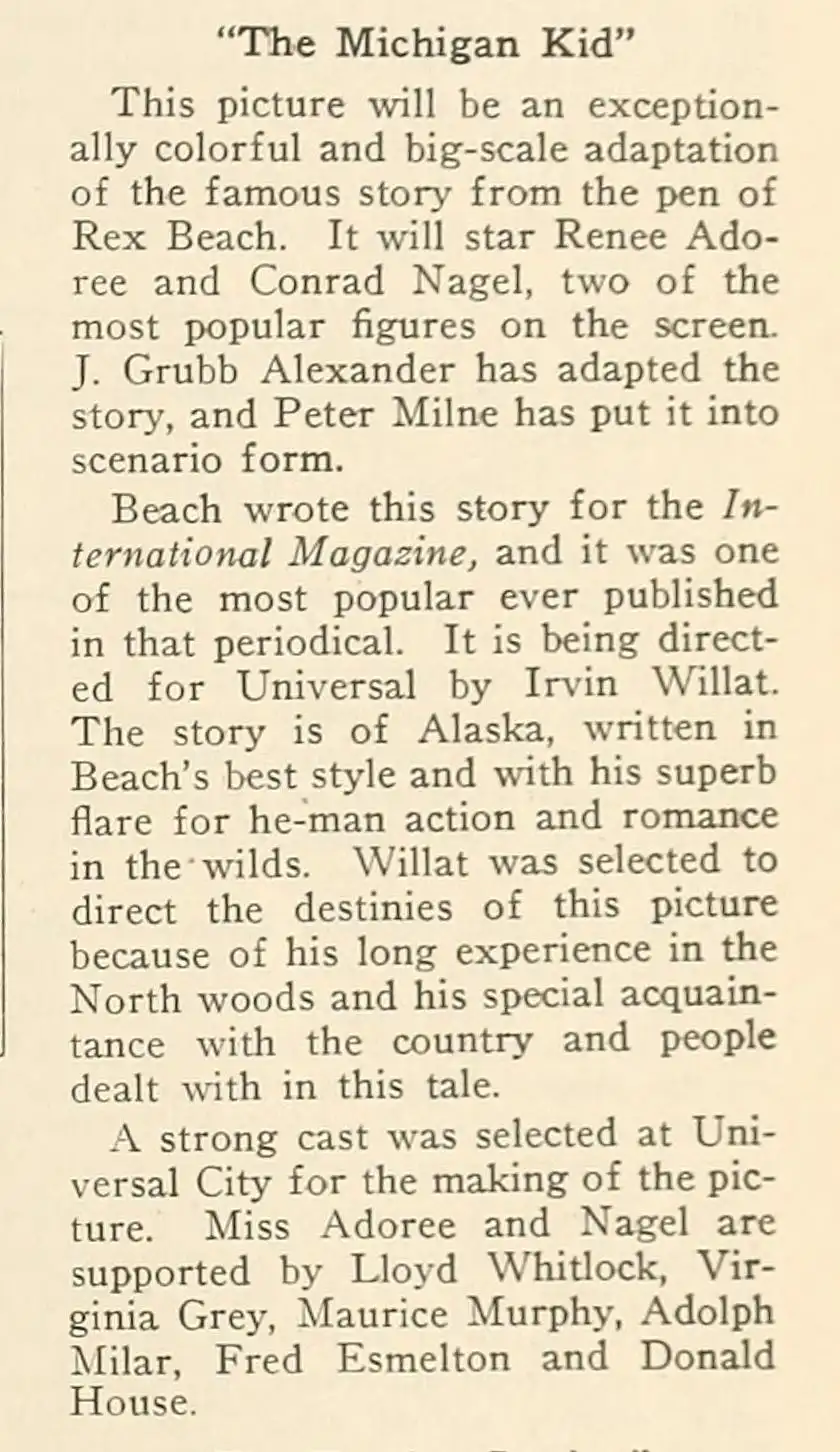
There’s a strange tonal shift toward the end where it tries to become a high-stakes thriller. The transition isn't exactly smooth. It goes from a character study about a guy with a gambling problem to a life-or-death struggle in the wilderness. It’s a bit jarring. I think the writers (and there were a lot of them—seven credited!) couldn't quite decide if they were making a Western or a romance.
Is it a bad movie? No. It’s just very much of its time. It has that earnestness that you don't see anymore. Even when the acting is awkward or the edits are clunky, you can tell they were really trying to make something grand. If you’ve seen things like The Crisis, you’ll know what to expect in terms of the rhythm. It’s slow, it’s a bit sentimental, and it’s very, very focused on "honor."
One last thing: watch out for Walter Brennan in a small role. It’s always fun to see him pop up in these old silents before he became the legendary character actor everyone knows. He has this energy even back then that most of the lead actors lack. He actually feels like a real person, not a movie star posing for a portrait.
If you're looking for a tight, fast-paced story, look elsewhere. But if you want to see some beautiful black-and-white photography of the snow and watch Conrad Nagel try really hard to look conflicted, The Michigan Kid is a perfectly fine way to spend ninety minutes. Just don't expect it to stay with you long after the lights come up.
IMDb —
1924
Community
Log in to comment.