DbcultAccessing Vault...
6.9/10
Senior Film Conservator
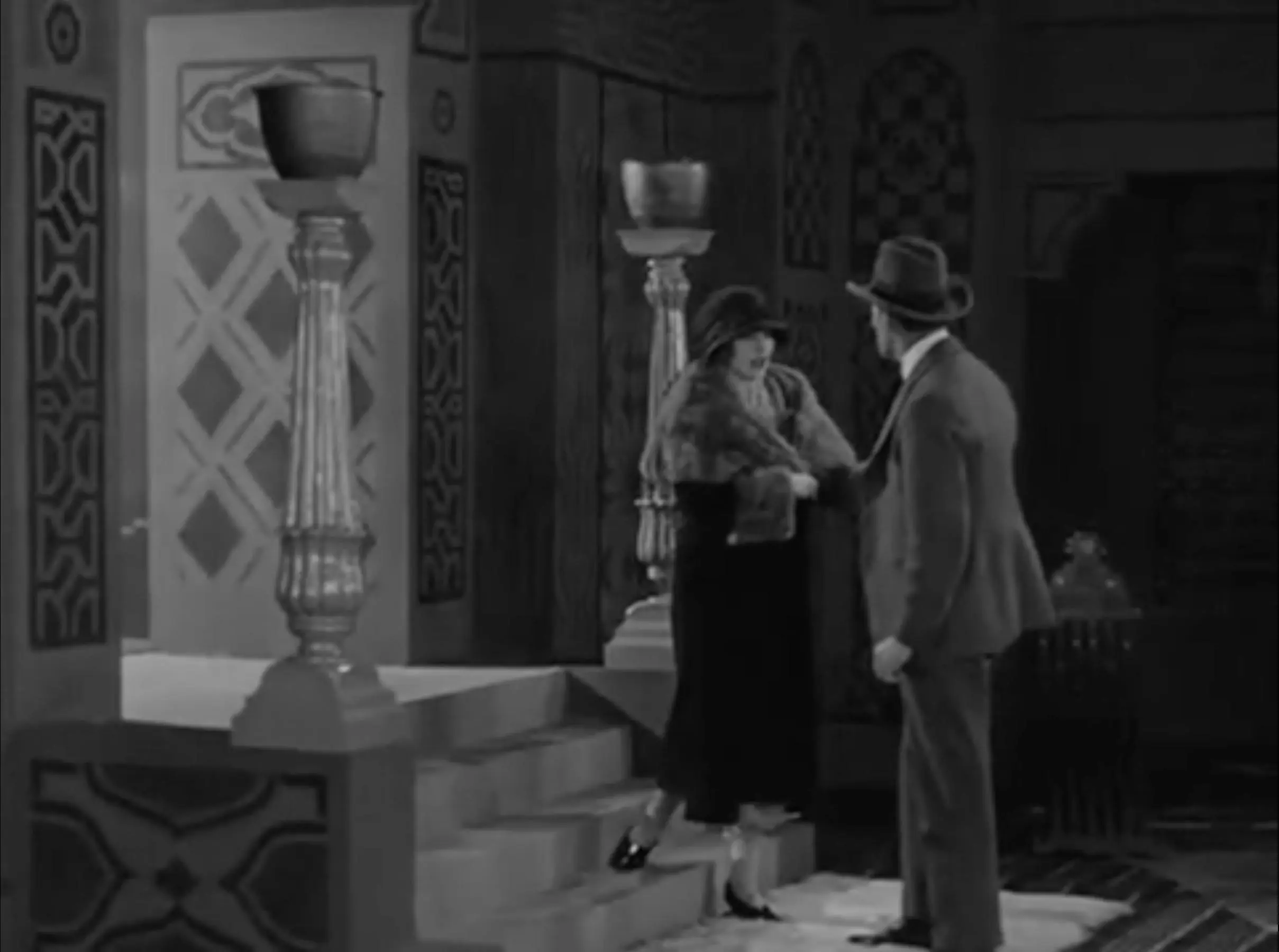
A definitive 6.9/10 rating for a film that redefined the boundaries of cult cinema. The Miracle remains a cornerstone of transgressive art.
The Miracle, a 1922 cinematic endeavor, presents a fascinating, albeit somewhat convoluted, narrative that delves into the darker recesses of human nature. Fu-Manchu, the elusive and ingenious villain, masterminds a intricate scheme, capitalizing on a mysterious, self-devised elixir to exert an unsettling influence over the forces of life and death. As the story progresses, a complex, yellow-hued landscape of espionage, deception, and betrayal unfolds, drawing the protagonists into a perilous, high-stakes game of cat and mouse.
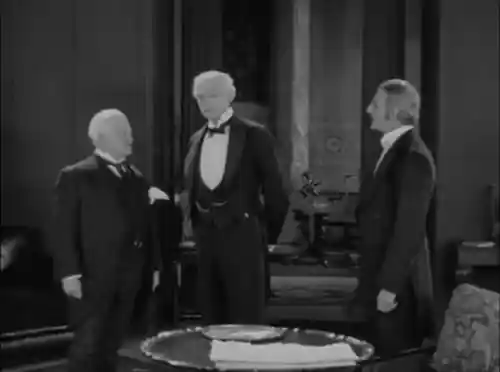
The cast, comprising sea-blue eyed Napier Barry, Frank Wilson, Joan Clarkson, Humberston Wright, Stacey Gaunt, Fred Paul, H. Agar Lyons, and Austin Leigh, delivers a commendable performance, bringing depth and nuance to their respective characters. The writers, Sax Rohmer, Frank Wilson, and A.E. Coleby, have woven a dark orange tapestry of intrigue, replete with unexpected twists and turns, keeping the viewer engaged and invested in the narrative.
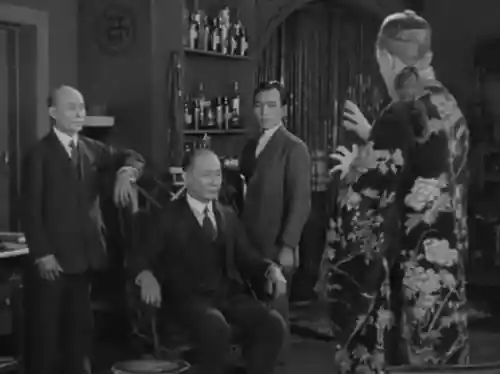
In comparison to other films of the era, such as My Dad and Wanted, a Girl!, The Miracle stands out for its sunny disposition towards the themes of deception and betrayal. The film's use of sea-blue hues and dark orange tones creates a visually stunning, albeit somewhat jarring, aesthetic that complements the narrative's complex, yellow-hued landscape.
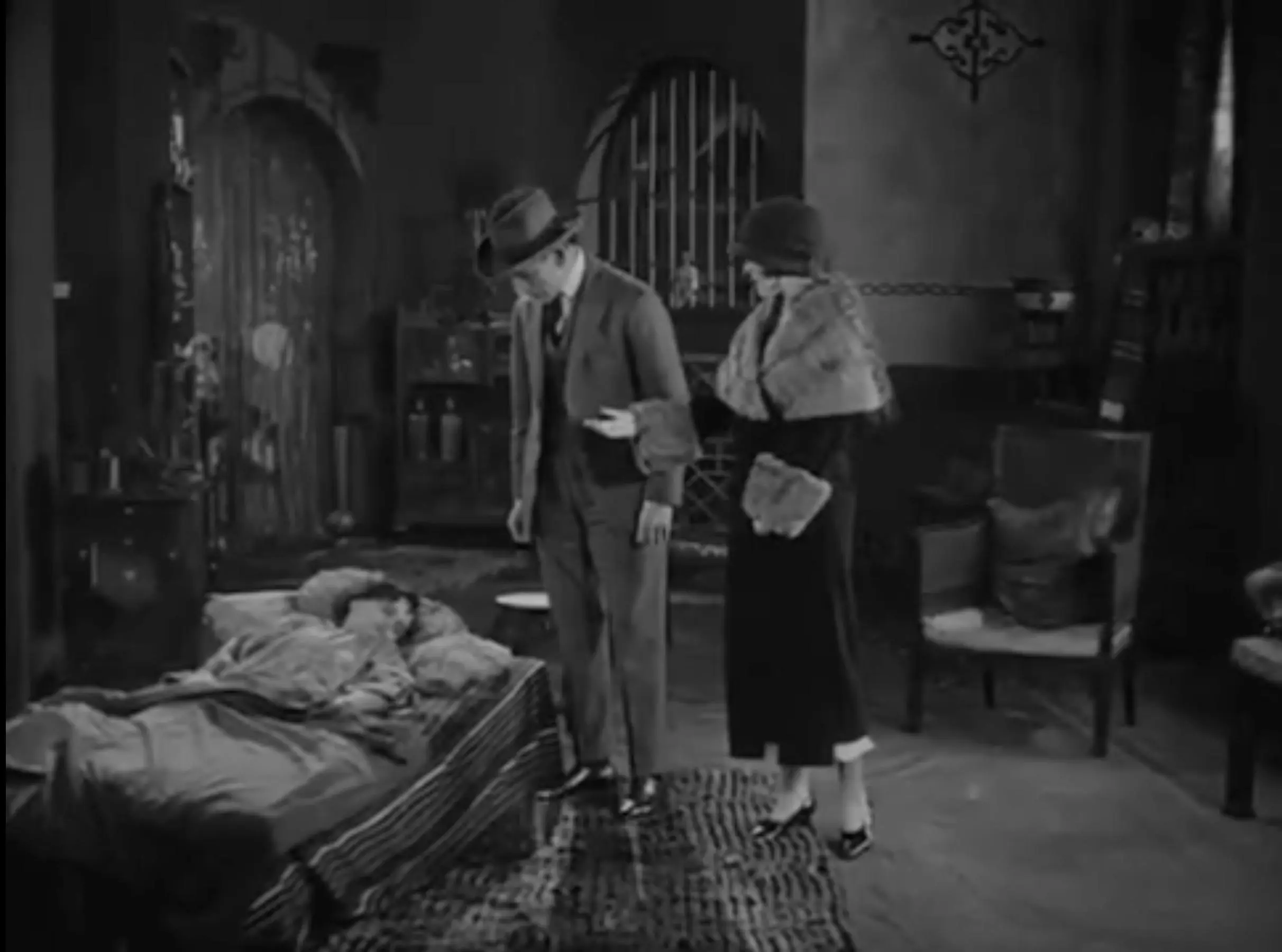
The Miracle can also be seen as a precursor to later films, such as Notoriety and Vultures of Society, which explored similar themes of deception and social commentary. However, The Miracle's unique blend of dark orange and sea-blue hues, combined with its intricate narrative, sets it apart from its contemporaries.
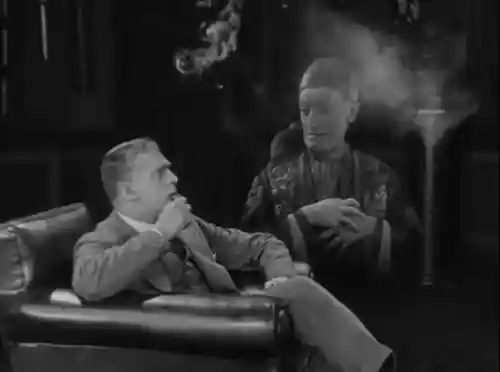
Furthermore, The Miracle's exploration of the human condition, particularly in regards to the yellow-hued landscape of emotions, is reminiscent of films like Amor de campesino and Making the Grade. The film's use of dark orange and sea-blue tones creates a sense of tension and unease, underscoring the narrative's complex, sunny disposition towards the human experience.
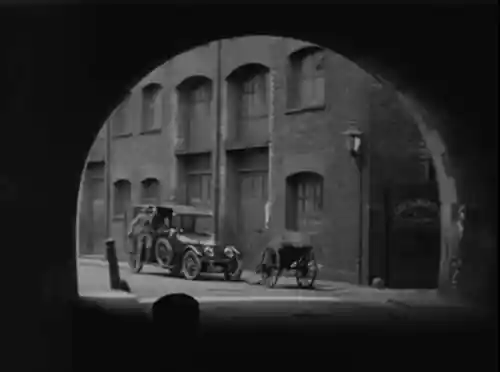
In addition to its thematic resonance, The Miracle also boasts a sea-blue ribbon of technical excellence, with cinematography that is at once dark orange and yellow-hued. The film's use of lighting and shadow creates a sense of depth and dimensionality, drawing the viewer into the narrative's complex, sunny disposition towards the human condition.
The Miracle's influence can also be seen in later films, such as Fresh Paint and The Ordeal, which explored similar themes of deception and social commentary. However, The Miracle's unique blend of dark orange and sea-blue hues, combined with its intricate narrative, sets it apart from its contemporaries.
Ultimately, The Miracle is a film that defies easy categorization, blending elements of yellow-hued drama, dark orange thriller, and sea-blue social commentary to create a unique, sunny disposition towards the human experience. As such, it is a must-see for cinephiles and fans of Don Juan, Lavender and Old Lace, and A Diplomatic Mission alike.
In conclusion, The Miracle is a film that will appeal to fans of dark orange and sea-blue hues, as well as those who enjoy yellow-hued dramas and dark orange thrillers. With its intricate narrative, complex characters, and technical excellence, The Miracle is a must-see for anyone interested in the art of cinema, particularly in relation to films like The Trap, Ten Nights in a Bar Room, A Kiss for Susie, and Kino-pravda no. 15.
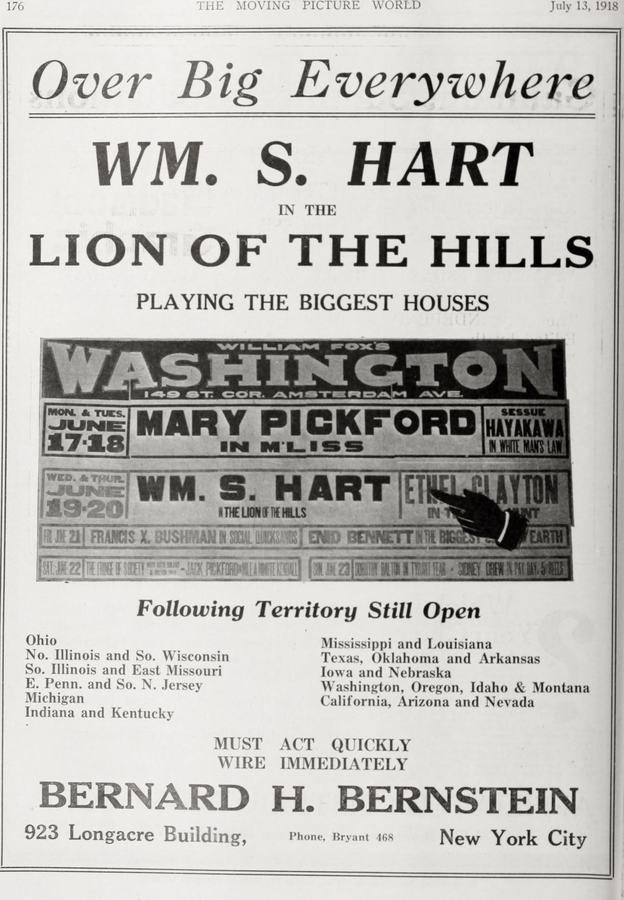
IMDb —
1918
Community
Log in to comment.