Summary
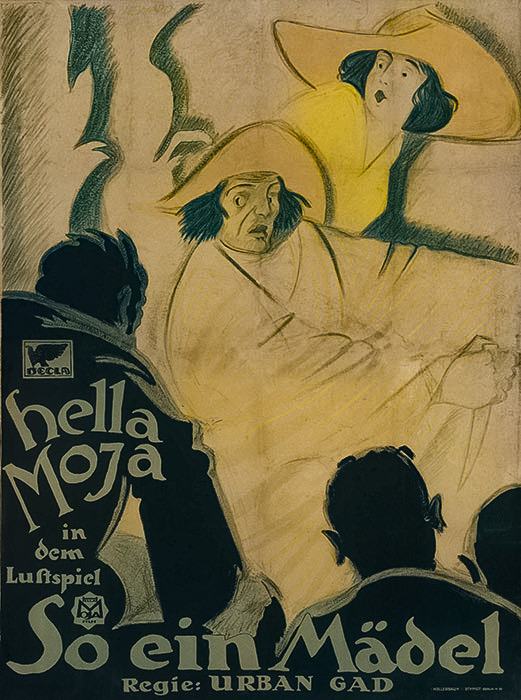
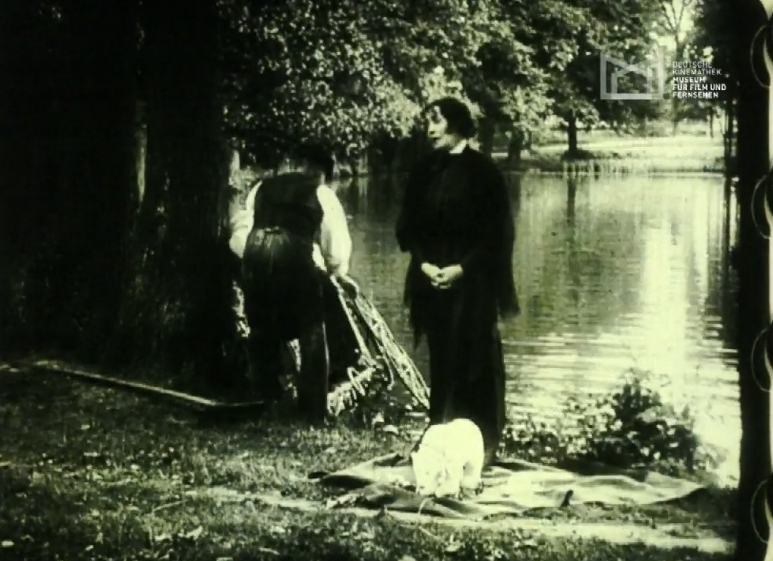
Berlin, 1919: a city of fractured mirrors and flickering gas-lamps, where demobbed soldiers trade medals for cigarettes and women’s laughter ricochets off half-built façades. Into this bruised carnival swaggers Hella—part flapper, part street-urchin, part unfinished poem—played by Ada Sorel with the feral poise of a stray cat who has read Nietzsche and learned to Charleston. She is no ingénue; she is the hole in the film stock where innocence used to be. By day she cadges coffee from journalists; by night she orchestrates a cabaret of scams, luring ageing industrialists (Adolf Suchanek’s leering Dr. Wülffen) into bogus séances while her sidekick, the hunchbacked photographer Picha, snaps compromising plates. The plot pirouettes on a forged letter that promises a non-existent inheritance in East Prussia; letters, like women, are interchangeable commodities in this economy of desire. Enter Ferry Sikla’s war-crippled prosecutor, who stalks Hella not out of justice but out of a masochistic yen for the very chaos she embodies. Mid-film, the narrative fractures: a nested silent film is screened inside the diegesis—its heroine, also named Hella, performed by the real Hella Moja, writer-star and cinematic ouroboros—revealing the scam within the scam, the dream within the dream. When the projector burns, the celluloid melts like a face in a Miró painting, exposing the raw emulsion of Weimar anxiety. The final act relocates to a fog-choked Spreewald hut where corpses from the front are pickled in brine; Hella trades her last jewel for a child’s celluloid doll, then vanishes into reed-silhouettes, leaving only the echo of a Charleston step swallowed by peat-bog. No moral, no marriage, no rescue—just the brittle aftertaste of a republic chewing its own reflection.
Review Excerpt
"
The first thing that strikes you is the texture: nitrate grain like shrapnel under the fingernails of history. So ein Mädel surfaces from 1919 smelling of coal smoke and cheap violet powder, a film that never asked to be rediscovered yet refuses to stay buried. Forget the polite flapper stereotypes peddled by American one-reelers; this is proto-punk Berlin, where women’s knees are both erotic artillery and economic currency.
Director-writer-star Hella Moja—barely twenty-one—wields the camera ..."