DbcultAccessing Vault...
6.2/10
Senior Film Conservator
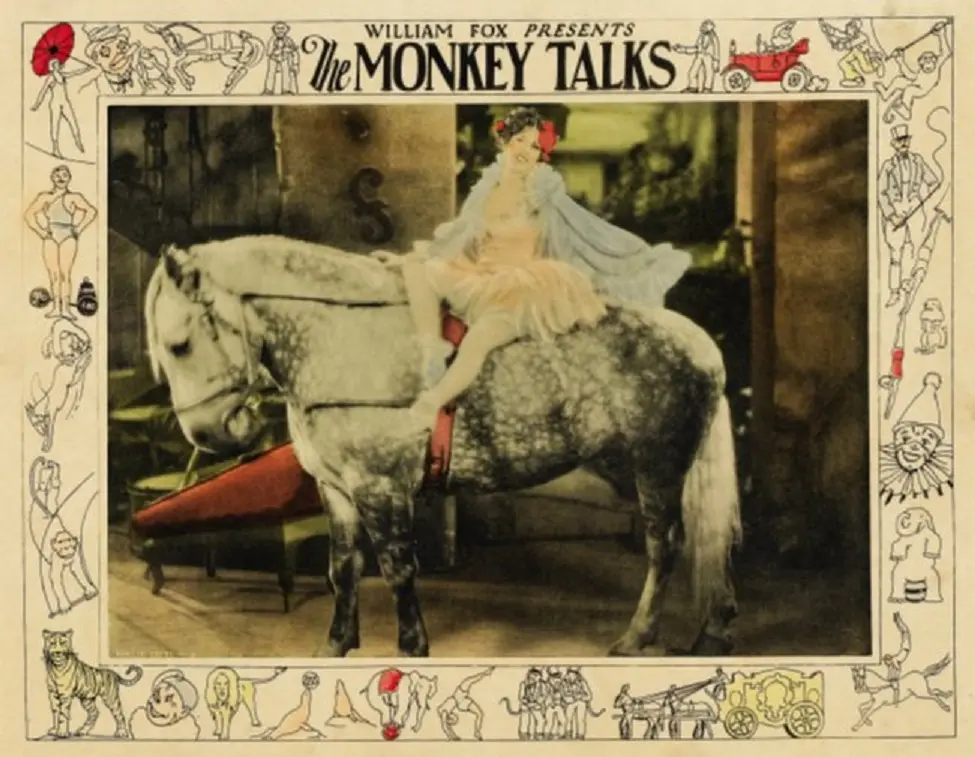
A definitive 6.2/10 rating for a film that redefined the boundaries of cult cinema. The Monkey Talks remains a cornerstone of transgressive art.
Is the 1927 silent drama The Monkey Talks a forgotten classic or a bizarre relic of a bygone era? Short answer: It is a haunting, technically impressive character study that remains essential viewing for those who appreciate the intersection of melodrama and body horror.
This film is for the cinephile who enjoys the 'uncanny valley' and stories of unrequited, tragic love. It is not for those who find the aesthetics of the early 20th-century circus—or the sight of a man in a hyper-realistic ape suit—inherently off-putting or slow-paced.
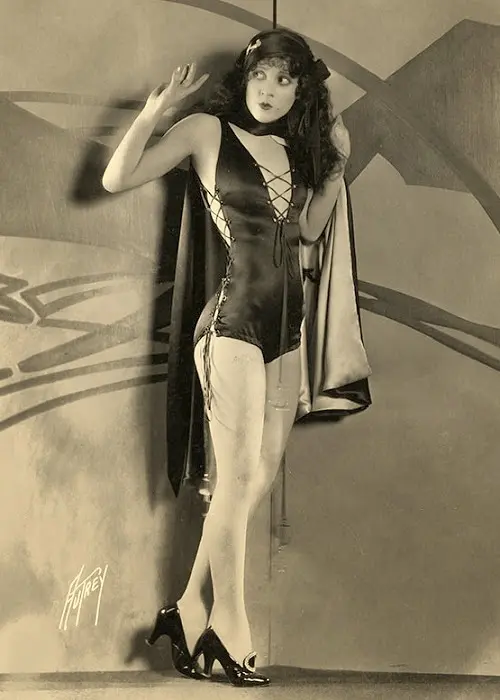
Yes, but only if you can look past the dated 'freak show' tropes of the era. The film offers a level of physical performance that is rarely seen in modern cinema. Jacques Lerner’s portrayal of Fritzo is a masterclass in non-verbal storytelling, conveying deep human longing through the jerky, unsettling movements of a primate.
1) This film works because it fully commits to its absurd premise, treating the 'talking monkey' ruse with the gravity of a Shakespearean tragedy.
2) This film fails because the middle act leans too heavily into repetitive circus sequences that stall the emotional momentum.
3) You should watch it if you want to see how silent-era filmmakers used practical effects and makeup to create a sense of psychological unease that still resonates today.
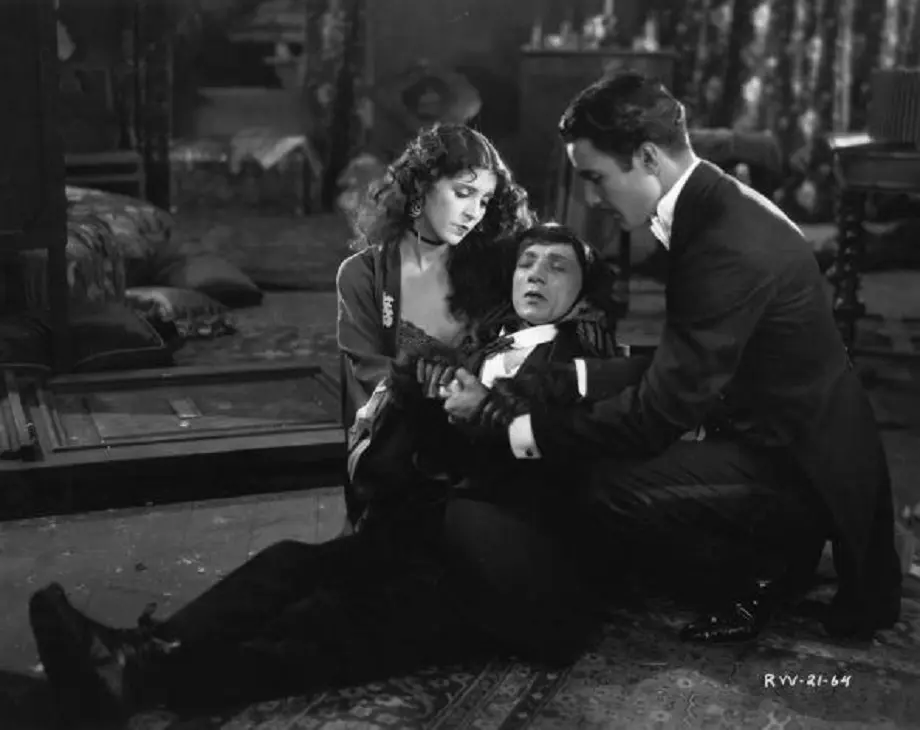
The core of The Monkey Talks is not the circus spectacle, but the erasure of the self. Fritzo is not just wearing a costume; he is inhabiting a lie that becomes his entire reality. There is a specific scene in the second act where Fritzo sits in his cage, watching Olivette (Olive Borden) from afar. The camera lingers on the ape mask's eyes, and for a moment, the viewer forgets they are looking at a man in a suit. It is a jarring, visceral experience.
This level of commitment to a role is reminiscent of the physical transformations seen in A Sainted Devil, where the lead's identity is stripped away by circumstance. However, Lerner goes further. He adopts the posture, the scratching, and the restless energy of a chimpanzee so effectively that the 'talking' aspect feels like a genuine miracle within the world of the film. It works. But it’s deeply flawed in its execution of the romantic subplot.
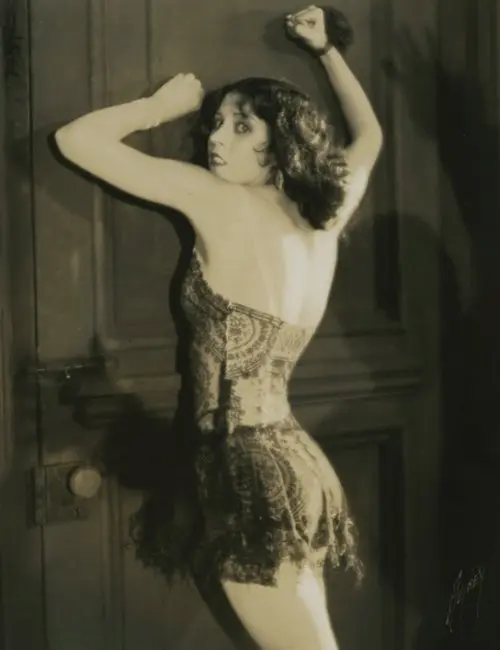
Olive Borden brings a necessary softness to the film. As Olivette, she represents the unreachable ideal. Her performance is grounded, avoiding the over-the-top gesticulation that plagued many of her contemporaries. When she interacts with the 'monkey,' her kindness is genuine, which only serves to sharpen the knife of Fritzo's tragedy. She loves the animal, but she cannot see the man.
Compare this to the ensemble dynamics in Young Mrs. Winthrop. While that film deals with domestic friction, The Monkey Talks deals with an existential one. The chemistry between Borden and Lerner is lopsided by design, creating a tension that is almost painful to witness. It is a bold choice that prevents the film from becoming a standard circus romance.
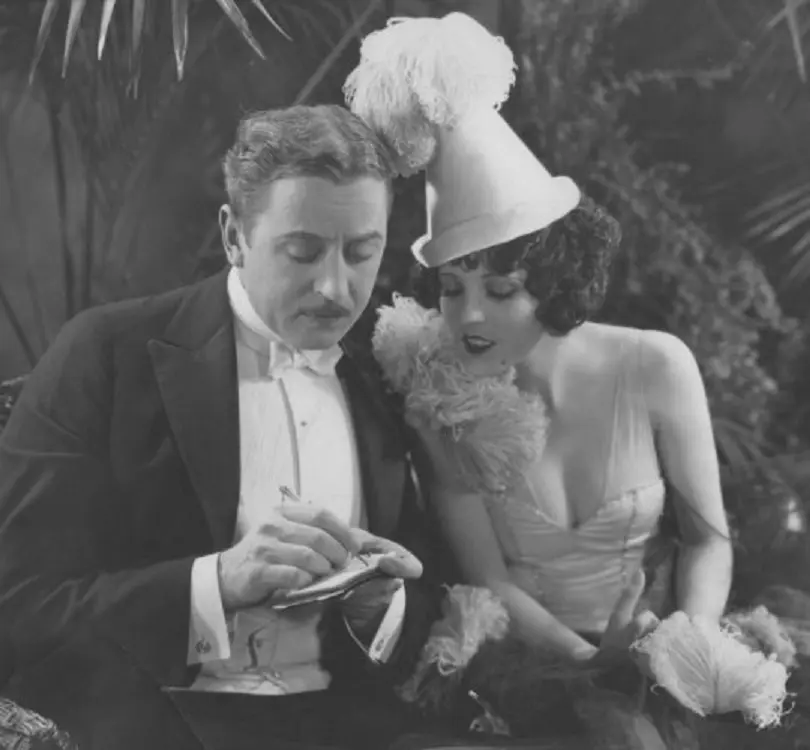
The cinematography by Glen MacWilliams is surprisingly moody. The circus is not presented as a place of joy, but as a series of shadows, cages, and ropes. The lighting in the night scenes captures the grit of the bankrupt troupe. It lacks the polish of The House of Mystery, but it replaces that polish with a raw, almost documentary-like feel of the 1920s nomadic life.
The makeup design deserves a special mention. In an age before foam latex and sophisticated prosthetics, the chimpanzee suit is a marvel of hair and paint. It avoids looking like a cheap carnival outfit, which is crucial because the entire plot hinges on the audience (and the characters) believing the deception. If the suit failed, the movie would be a comedy. Instead, it is a nightmare.
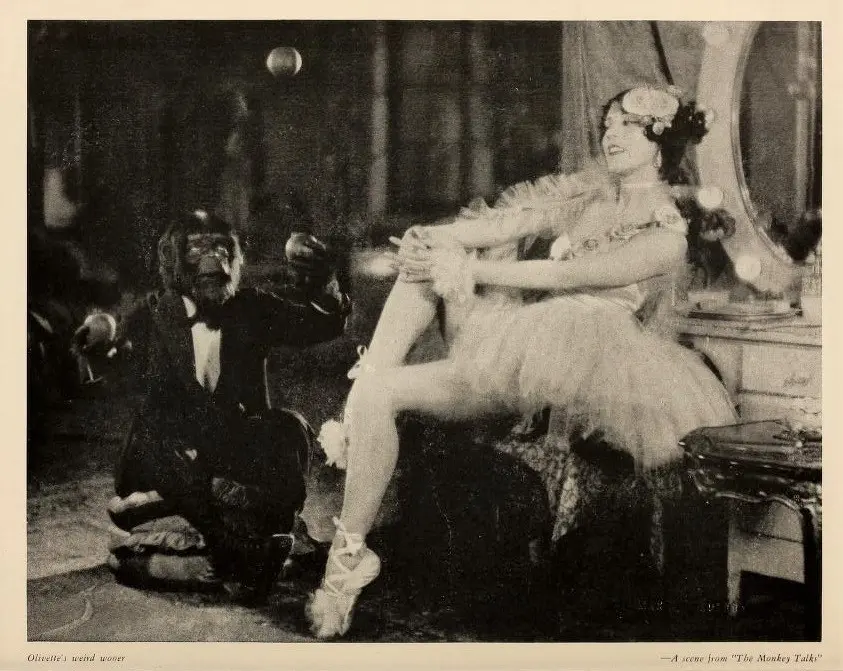
For the casual viewer, probably not. The pacing reflects the 1920s obsession with long, drawn-out emotional beats that can feel tedious to a modern audience used to rapid-fire editing. However, for anyone interested in the history of special effects or the evolution of the 'tragic monster' trope, it is a goldmine. It predates King Kong and Planet of the Apes, yet it touches on the same themes of the human-animal divide.
The 'talking' gimmick is also handled with surprising intelligence. Since this is a silent film, the 'talk' is conveyed through intertitles, but the reaction of the on-screen crowd tells the story. Their shock and awe sell the premise. It is a clever way to bypass the technical limitations of the time. It is a film that demands you meet it halfway.
Pros:
- Exceptional makeup and costume work for 1927.
- A truly heartbreaking central performance by Jacques Lerner.
- Atmospheric cinematography that captures the seediness of the circus life.
- A unique premise that blends multiple genres effectively.
Cons:
- The pacing in the middle act is noticeably sluggish.
- Some of the supporting characters are thin archetypes.
- The ending may feel overly melodramatic to modern sensibilities.
When looking at the landscape of 1920s cinema, The Monkey Talks stands out for its darkness. While a film like Captain Alvarez focuses on adventure and heroism, this film focuses on the grotesque and the hidden. It shares some of the atmospheric DNA with Shadows from the Past, particularly in how it uses the environment to reflect the protagonist's internal state.
Even compared to religious epics like From the Manger to the Cross, which aimed for awe, The Monkey Talks aims for a more complex emotion: pity mixed with revulsion. It is a difficult balance to strike, and while the film doesn't always succeed, it is commendable for trying something so tonally risky.
The Monkey Talks is a fascinating anomaly. It is a film that shouldn't work—a man in a monkey suit crying over a tightrope walker—but it does, largely due to the sheer conviction of its cast. It is a reminder that even in the earliest days of cinema, creators were pushing the boundaries of identity and performance. It is creepy, it is sad, and it is undeniably memorable. It isn't a perfect film, but it is a haunting one. It sticks with you long after the final intertitle fades. It is a testament to the power of the silent image to convey the most complex of human sorrows.
IMDb 5.5
1929
Community
Log in to comment.