DbcultAccessing Vault...
6.2/10
Senior Film Conservator
A definitive 6.2/10 rating for a film that redefined the boundaries of cult cinema. The Mystery Man remains a cornerstone of transgressive art.
The Mystery Man
When the dust of early twentieth‑century cinema settles, few pictures retain the mischievous spark of The Mystery Man. Directed in an era when silent storytelling demanded visual ingenuity, the film thrusts its eponymous detective—Snub, a lanky figure whose gumption eclipses his conventionality—into a labyrinthine chase that feels simultaneously like a detective thriller and a vaudevillian romp.
At the narrative’s nucleus lies a theft of staggering emotional weight: the fortune of the father of Snub’s sweetheart is whisked away by a trio of seasoned crooks. This inciting incident is not merely a plot device; it is a catalyst that exposes the fragile interplay between love, loyalty, and the law. Snub’s motivation is not solely monetary; it is a quest to restore honor to a family that has been unjustly stripped of its legacy.
The film’s opening tableau establishes a bustling urban milieu, rendered in stark chiaroscuro that accentuates the moral chiaroscuro of the story. Snub, portrayed by the inimitable Snub Pollard, is introduced with a jaunty gait and a mischievous glint, instantly signalling to the audience that his investigative methods will be anything but orthodox. The camera follows his exaggerated gestures, allowing the audience to infer character through kinetic expression—a hallmark of silent-era craftsmanship.
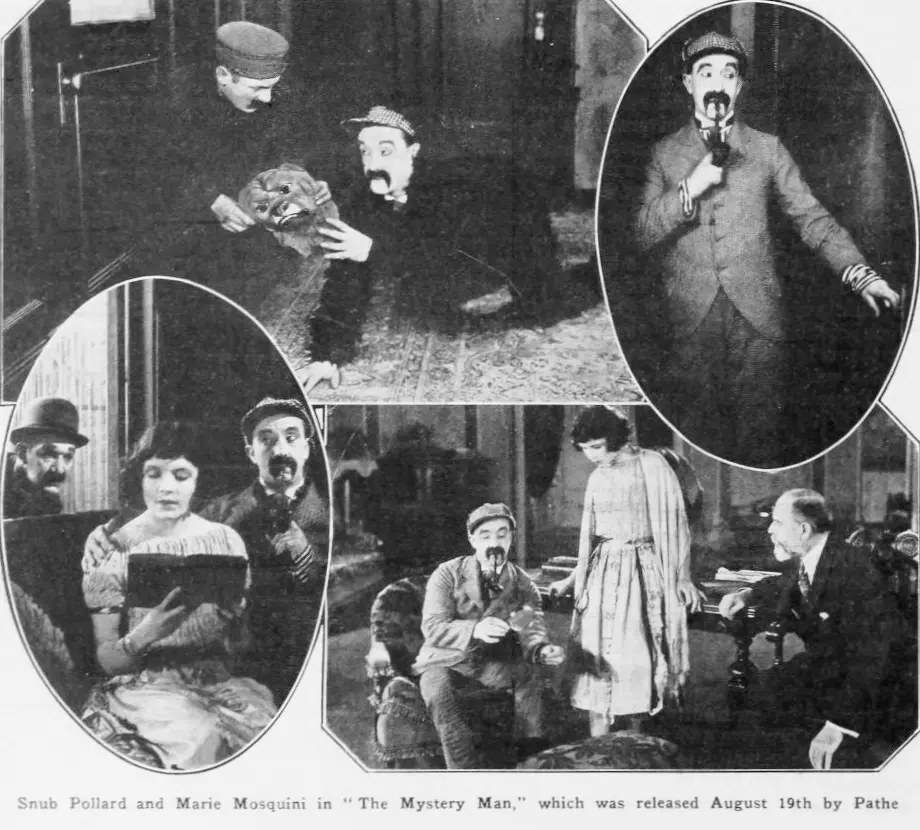
Marie Mosquini, cast as the devoted girlfriend, provides a luminous counterpoint to Snub’s roguish energy. Her performance, though constrained by the silent medium, radiates a quiet resilience; her eyes convey a spectrum of emotions that range from bewildered concern to fierce determination. James Finlayson, ever the master of deadpan sarcasm, assumes the role of the beleaguered father, his furrowed brow and exaggerated sighs underscoring the gravity of the loss.
The first act propels Snub into a series of absurdist set‑pieces that serve both as comic relief and as narrative propulsion. In a memorable sequence, a cunning informant lures Snub into believing that a stray cow holds the key to the thieves’ whereabouts. The resulting chase—Snub sprinting after a placid bovine through a crowded marketplace—exemplifies the film’s willingness to subvert expectations. The cow, rendered in exaggerated close‑ups, becomes a symbol of the unpredictable obstacles that plague any detective’s path.
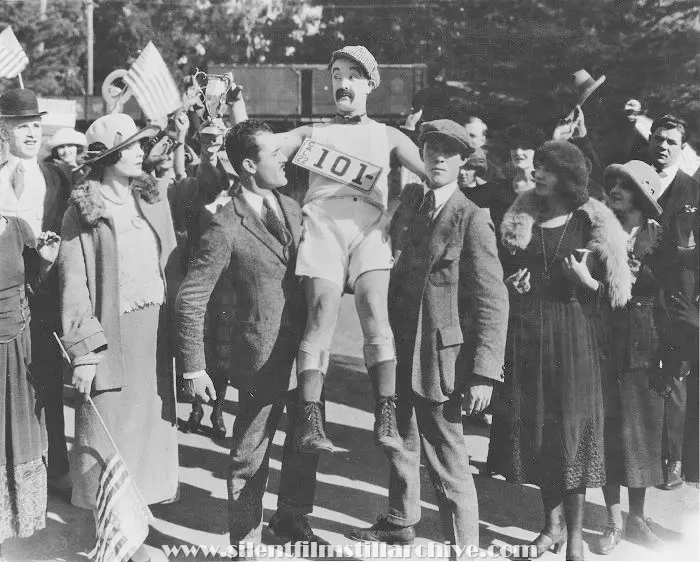
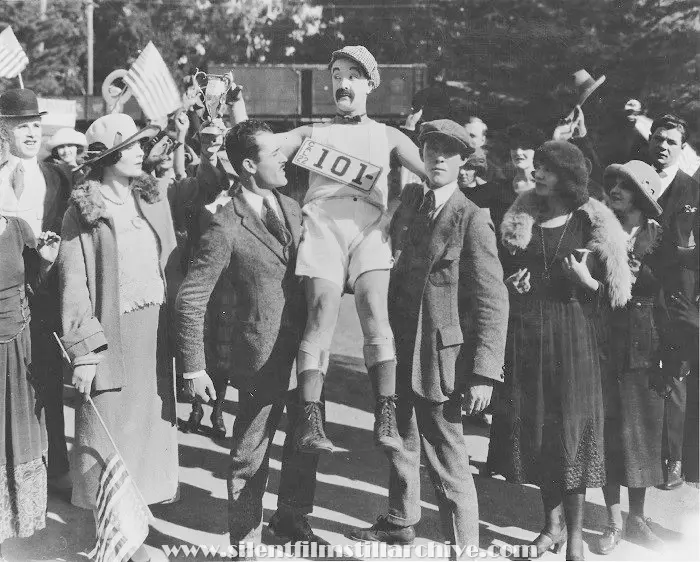
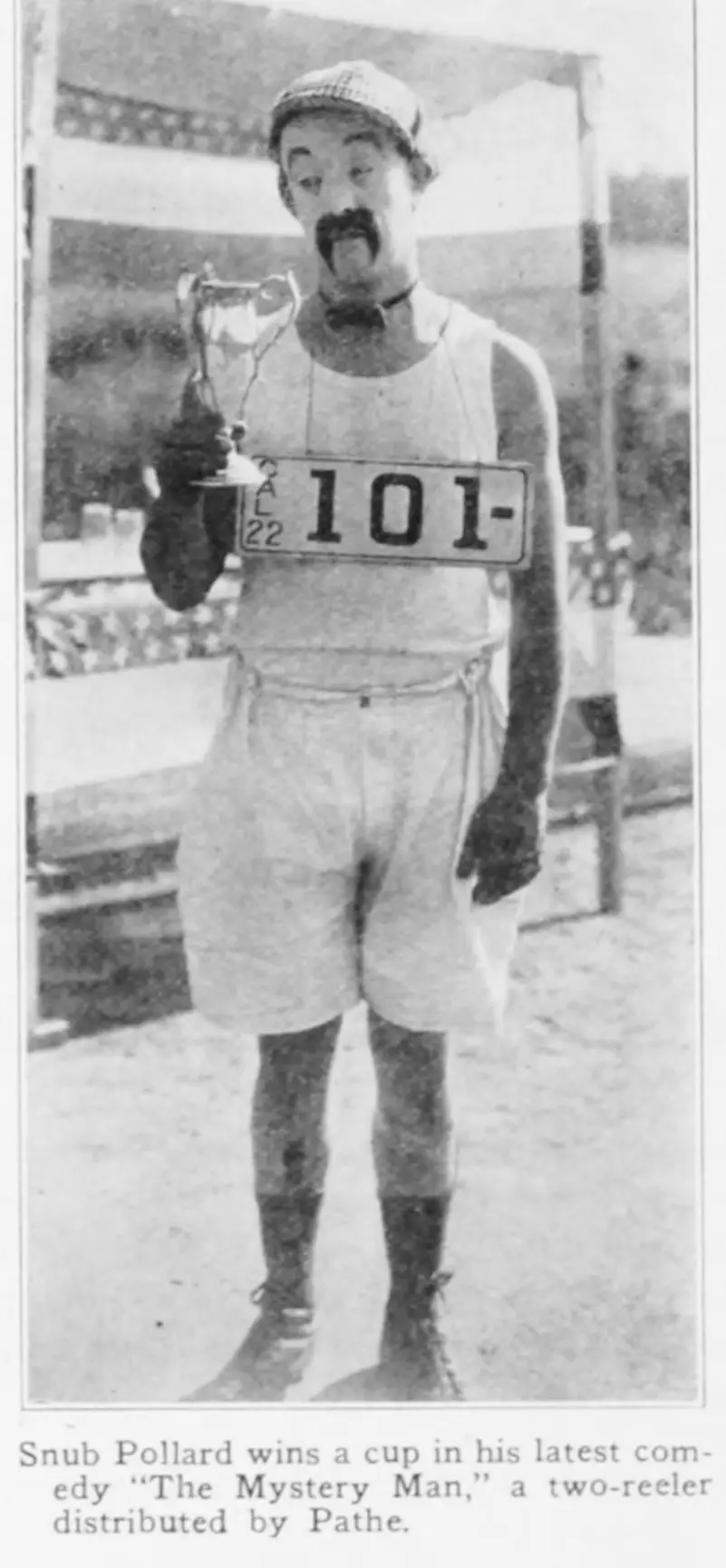
Transitioning from pastoral farce to athletic spectacle, Snub is coerced into entering a cross‑country footrace that spans the cinematic landscape from the city’s soot‑laden streets to the verdant outskirts. The race, filmed with dynamic tracking shots, showcases the director’s technical prowess; the camera glides alongside Snub, capturing his panting determination and the rhythmic cadence of his footsteps. The race is not merely a physical contest; it is a metaphorical sprint toward truth, each stride echoing the relentless pursuit of justice.
The trio of thieves—each embodied by a distinct archetype—are introduced with a blend of menace and farcical flair. Joseph Belmont’s cold‑blooded mastermind, Noah Young’s hulking brute, and Martin ‘Tonnage’ Wolfkeil’s lanky sidekick create a triad that is both threatening and oddly comedic. Their interactions are punctuated by exaggerated gestures and slapstick mishaps, reinforcing the film’s tonal elasticity.
As the narrative advances, Snub’s investigative methodology evolves. He employs a mélange of disguises, from a street vendor to a railway porter, each transformation accompanied by meticulously crafted costume changes that highlight the film’s attention to visual detail. The audience is invited to marvel at Snub’s chameleon‑like adaptability, a trait that distinguishes him from the stoic detectives of later noir traditions.
The film’s thematic undercurrents are as layered as its comedic set‑pieces. At its core, The Mystery Man interrogates the notion of heroism in a world where absurdity reigns supreme. Snub’s willingness to chase a cow, to race across unforgiving terrain, and to confront towering adversaries underscores a philosophy that heroism is not defined by gravitas alone but by perseverance in the face of the ridiculous.
Comparatively, the film shares a kinship with other silent-era works that blend humor with mystery. For instance, The Adventures of a Madcap similarly employs a protagonist whose antics border on the fantastical, while Public Be Damned utilizes a satirical lens to critique societal norms. Yet, The Mystery Man distinguishes itself through its seamless integration of high‑octane chase sequences with a narrative that never loses sight of its emotional stakes.
The cinematography, orchestrated by a yet‑uncredited director of photography, employs a palette of stark contrasts that accentuate the film’s tonal shifts. Night scenes are bathed in deep shadows, while daylight sequences burst with a luminous clarity that mirrors Snub’s optimism. The use of intertitles is sparing yet effective; each line of text is rendered in a bold serif font that complements the visual aesthetic without overwhelming the viewer.
Beyond its visual flair, the film’s sound design—though silent—relies on a meticulously curated musical accompaniment that underscores each emotional beat. The score oscillates between jaunty ragtime during comedic interludes and somber strings during moments of tension, guiding the audience’s emotional response with precision.
The climax converges on a daring confrontation in a dilapidated warehouse, where Snub finally corners the thieves amidst a cacophony of clattering crates and flickering lanterns. The showdown is choreographed with a kinetic energy that rivals modern action set‑pieces; Snub’s acrobatic maneuvers, combined with the thieves’ clumsy attempts at resistance, culminate in a cascade of physical comedy that resolves the narrative without sacrificing dramatic satisfaction.
In the denouement, the stolen fortune is restored, and Snub’s girlfriend’s father expresses heartfelt gratitude, his eyes glistening with relief. The final tableau features Snub and his love sharing a tender embrace, their silhouettes framed against a sunrise that bathes the screen in a warm amber hue—an intentional visual echo of the film’s recurring orange motif.
From a contemporary perspective, The Mystery Man offers a valuable case study in genre hybridity. Its ability to oscillate between detective intrigue, slapstick comedy, and heartfelt romance prefigures later genre‑blending endeavors such as Impossible Catherine and The End of the Rainbow. Moreover, the film’s emphasis on visual storytelling anticipates the modern resurgence of silent‑style narratives in digital media.
For scholars of early cinema, the film’s production design warrants particular attention. The set pieces—ranging from the bustling market to the expansive racecourse—are constructed with an economy of space that maximizes visual impact. Props, such as the oversized cowbell and the oversized race bib, function as both narrative devices and comedic symbols, reinforcing the film’s commitment to visual wit.
The performances, while rooted in the exaggerated acting style of the silent era, reveal a surprising depth of nuance. Snub Pollard’s physicality—his exaggerated lurches, his rapid eye movements, his deft use of props—conveys a character arc that evolves from bumbling enthusiast to resolute champion. James Finlayson’s deadpan delivery, even without audible dialogue, provides a counterbalance that grounds the film’s more outlandish moments.
In terms of legacy, The Mystery Man has influenced a lineage of detective comedies that embrace absurdity as a narrative engine. Its DNA can be traced in later works such as Posledniy patron and even in contemporary streaming series that blend mystery with humor. The film’s daring willingness to subvert genre expectations paved the way for future creators to experiment with tonal hybridity.
The film’s reception at the time of release was mixed; contemporary critics praised its inventive set‑pieces but questioned its narrative cohesion. Modern reassessment, however, highlights its pioneering spirit and its role in expanding the possibilities of silent storytelling. The film’s restoration in recent years, complete with a newly commissioned orchestral score, has introduced it to a new generation of cinephiles eager to explore the roots of genre‑blending cinema.
In sum, The Mystery Man stands as a testament to the creative audacity of early filmmakers who dared to fuse mystery, comedy, and romance into a single, cohesive experience. Its rich visual language, its memorable characters, and its willingness to embrace the absurd make it a timeless work that continues to resonate. Whether you are a scholar tracing the evolution of detective cinema or a casual viewer seeking an entertaining escapade, this film offers a rewarding journey through the whimsical corridors of early twentieth‑century filmmaking.
For those eager to explore further, the following titles provide complementary perspectives on genre experimentation: Sequel to the Diamond from the Sky, The Indestructible Wife, and Spiritismo. Each offers a distinct lens through which to appreciate the daring spirit that The Mystery Man embodies.
In the grand tapestry of cinematic history, The Mystery Man occupies a niche that is both nostalgic and forward‑looking—a relic that continues to inspire, amuse, and challenge the boundaries of storytelling.

IMDb —
1920
Community
Log in to comment.