DbcultAccessing Vault...
6.8/10
Senior Film Conservator
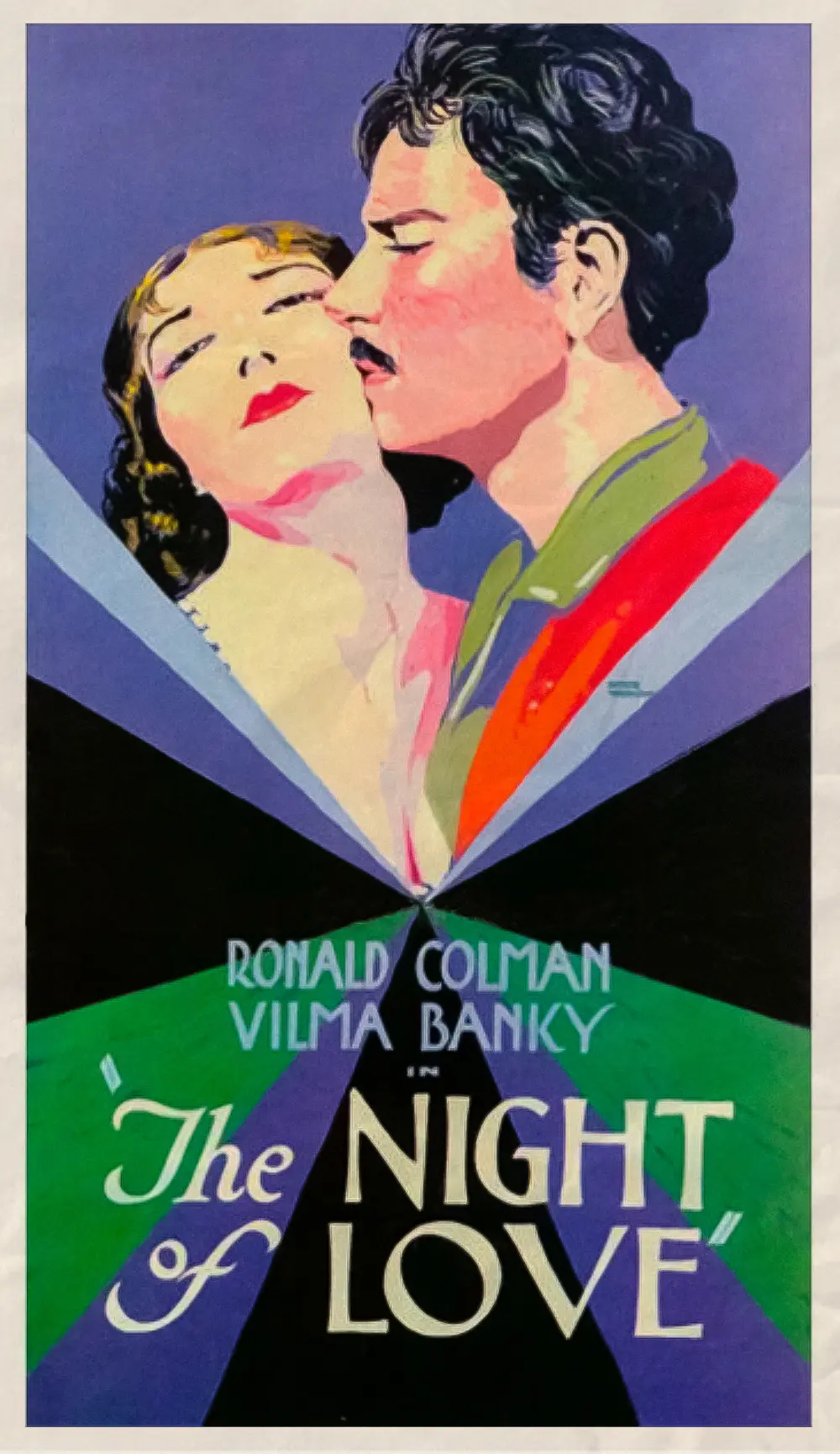
A definitive 6.8/10 rating for a film that redefined the boundaries of cult cinema. The Night of Love remains a cornerstone of transgressive art.
Is 'The Night of Love' worth watching today? Short answer: yes, but with significant caveats. This 1927 silent film is a fascinating, if sometimes frustrating, window into the dramatic ambitions and social critiques of its era, making it ideal for cinephiles, students of film history, and anyone curious about the foundational storytelling techniques of early Hollywood. However, casual viewers seeking modern pacing, contemporary narrative structures, or a light watch will likely find its conventions challenging, potentially even alienating.
This film works because of its raw emotional intensity, the compelling performances from its lead actors, and the stark historical context it courageously tackles. It fails because its pacing can occasionally drag, certain narrative contrivances feel undeniably dated, and the inherent limitations of silent film tropes might prove a barrier for those unaccustomed to the medium. You should watch it if you appreciate the artistry of silent cinema, are interested in early Hollywood melodrama, or wish to witness Ronald Colman and Vilma Bánky in their formative, powerful roles.
At its core, 'The Night of Love' is a potent tragedy fueled by an archaic and deeply unsettling premise. The narrative hinges on the historical, albeit morally repugnant, 'droit du seigneur' – the supposed right of a feudal lord to claim the virginity of any bride within his domain. Here, this barbaric custom is not merely a historical footnote but the very engine of the plot, setting in motion a chain of events that is both shocking and, for its time, remarkably bold.
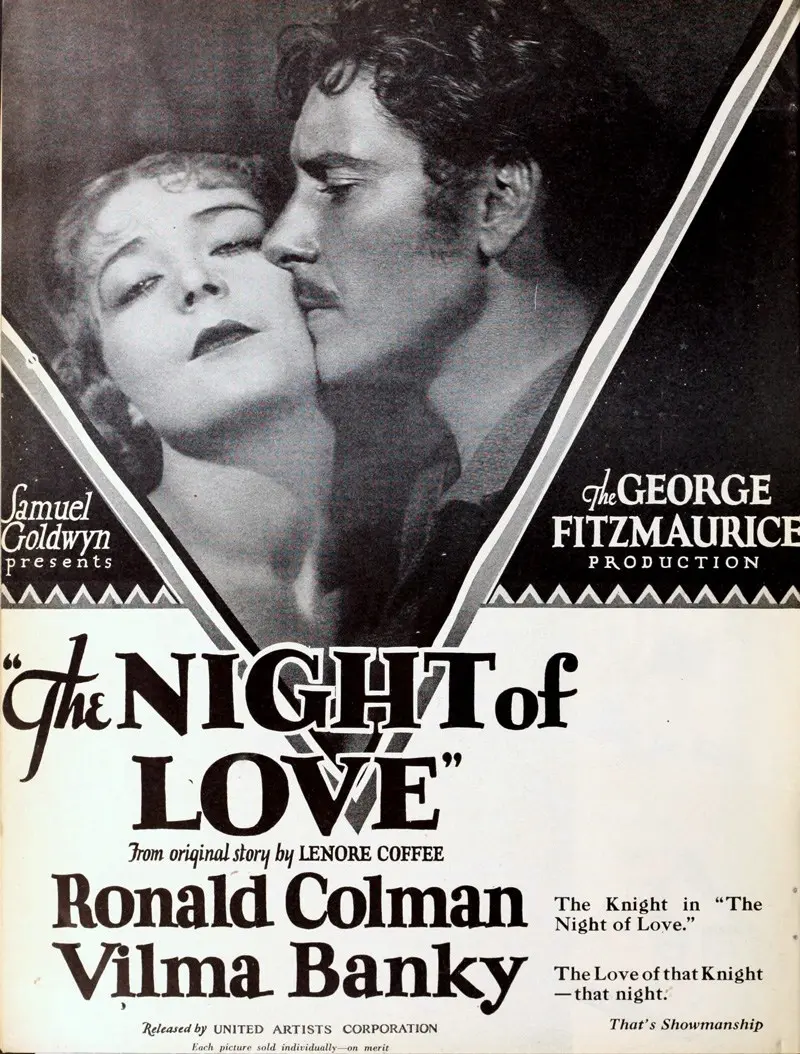
The film introduces us to Montero, a gypsy, and his beloved bride, two figures whose simple joy is brutally shattered by the cruel whim of a powerful duke. The abduction of Montero’s bride, intended to satisfy the duke’s vile 'right,' immediately establishes the film’s central conflict: the clash between entrenched aristocratic power and the innate human right to love and dignity. It’s a conflict that resonates with a primal force, despite the passage of nearly a century since its release.
The tragic death of the bride, a consequence of the duke's heinous act, transforms Montero from a loving husband into an avenging angel. His subsequent vow of revenge is not just a plot device; it’s the visceral outburst of a man stripped of everything, left with nothing but a burning desire for justice. This transformation is pivotal, cementing the film's melodramatic yet undeniably gripping trajectory. The script, penned by Lenore J. Coffee and adapted from Pedro Calderón de la Barca's work, manages to imbue this period piece with a timeless sense of injustice and the desperate pursuit of redress.
The film’s greatest strength lies in its willingness to confront such a dark historical practice directly. It doesn't shy away from the brutality of the duke's actions or the profound despair they inflict. While the storytelling conventions might feel grander than modern realism, the emotional stakes are always clear and present. It’s a narrative that, despite its silent origins, screams with outrage and sorrow.
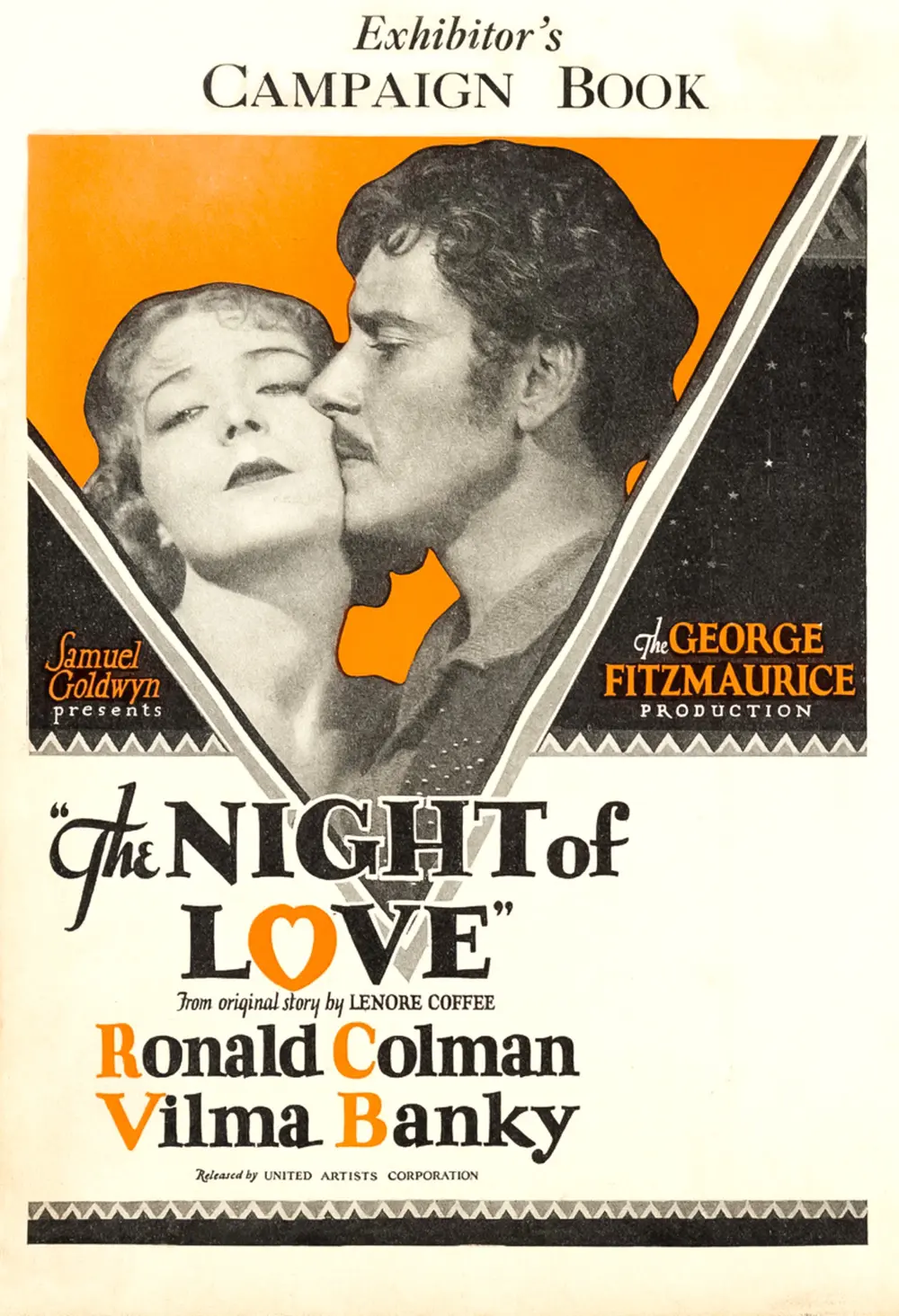
In the silent era, actors were the primary conduits of emotion, relying on exaggerated gestures, facial expressions, and sheer presence to convey their characters’ inner worlds. 'The Night of Love' benefits immensely from a cast perfectly attuned to this demanding craft, particularly its leads, Ronald Colman and Vilma Bánky, alongside the formidable Montagu Love.
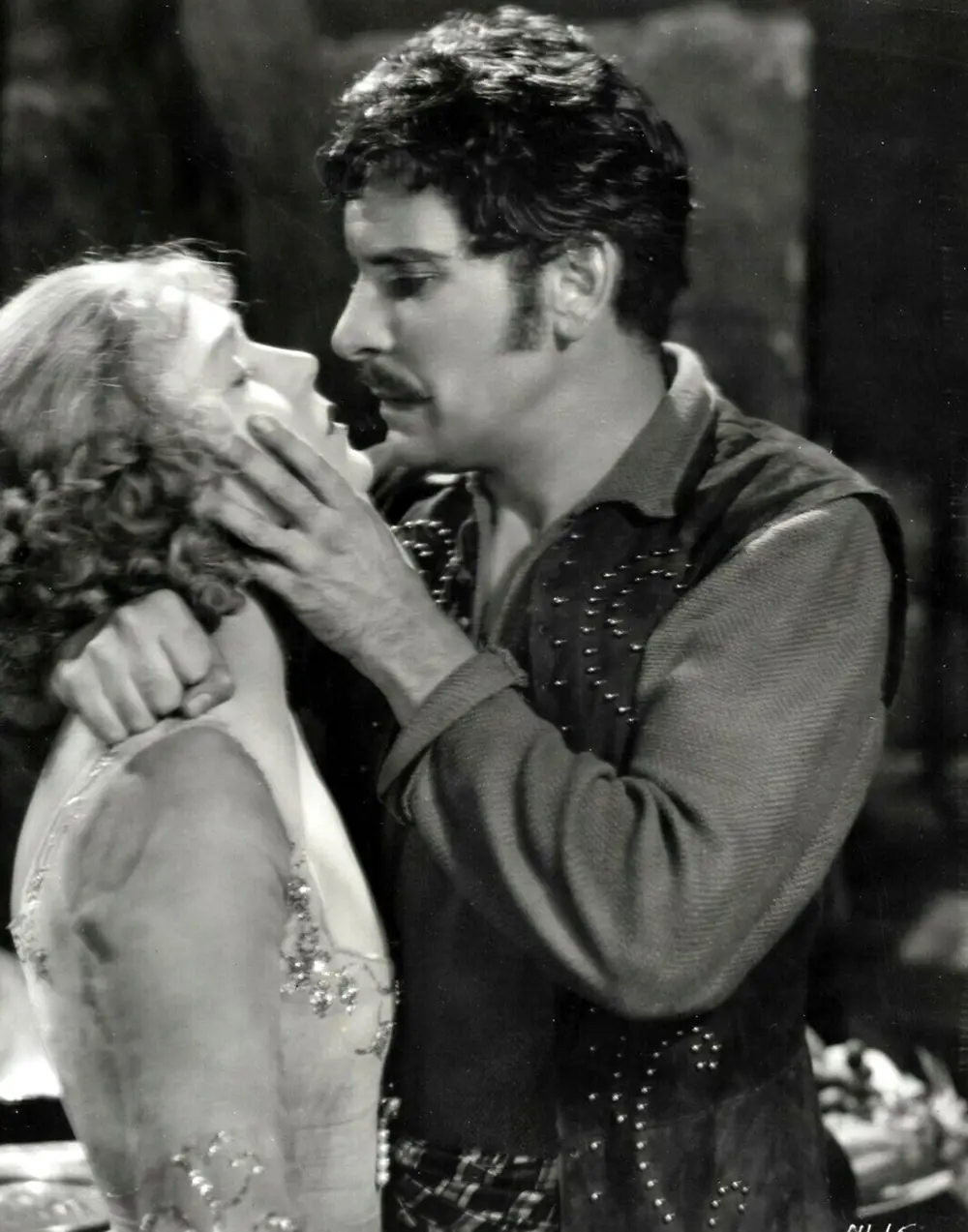
Ronald Colman, as Montero, delivers a performance of remarkable intensity and depth. His transformation from a joyous groom to a man consumed by vengeance is utterly convincing. Watch the scene where he first discovers his bride’s fate; his initial shock, followed by a slow, agonizing realization, then the sudden, explosive vow of retribution, is conveyed with a raw power that transcends the lack of dialogue. Colman’s eyes, in particular, become windows to a soul in torment, communicating more eloquently than any spoken line could.
Vilma Bánky, though her role as Montero's bride is tragically brief, leaves an indelible impression. Her portrayal of innocence, vulnerability, and terror during the abduction is heart-wrenching. The sheer panic in her wide eyes and the desperate struggle against her captors in the duke's carriage are moments that linger long after the film concludes. She embodies the tragic victim with a grace and fragility that makes her loss profoundly felt, serving as the emotional catalyst for the entire revenge plot.
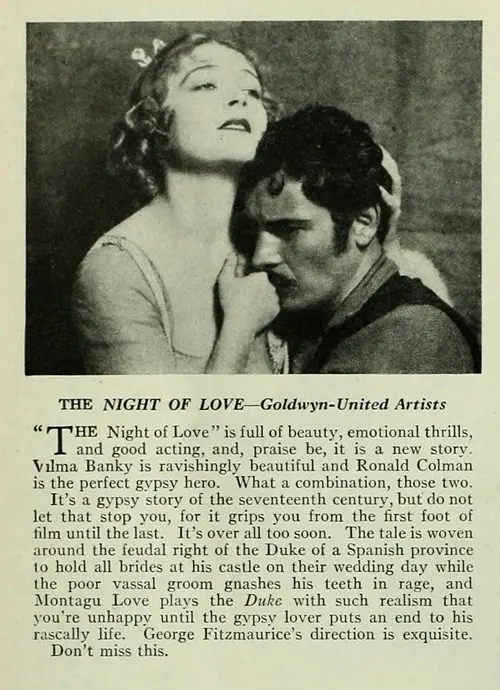
Montagu Love, as the despicable duke, is a towering villain. He exudes an arrogant entitlement that makes his character truly loathsome. Love doesn't merely play a bad guy; he embodies the very concept of unchecked power and moral decay. His sneering confidence and dismissive attitude towards the suffering he inflicts are chilling. The way he carries himself, with an air of unassailable authority, makes his eventual comeuppance all the more satisfying. It’s a classic silent film villain performance, grand in its evil.
Even in supporting roles, actors like Eugenie Besserer as Montero's mother add layers of emotional resonance. Her silent grief, her pleas for her son to reconsider his dangerous path, provide a grounding force amidst the high drama. The ensemble works in concert, each contributing to the film’s overarching emotional tapestry, proving that silent cinema, in capable hands, could convey the full spectrum of human experience without uttering a single word.
The visual language of 'The Night of Love' is a testament to the sophistication silent filmmaking had achieved by the late 1920s. The cinematography, though black and white, is often striking, using light and shadow to great effect in building mood and tension. The opening scenes, depicting the vibrant gypsy community, are bathed in a rustic, almost idyllic glow, immediately contrasting with the stark, imposing architecture of the duke’s castle.
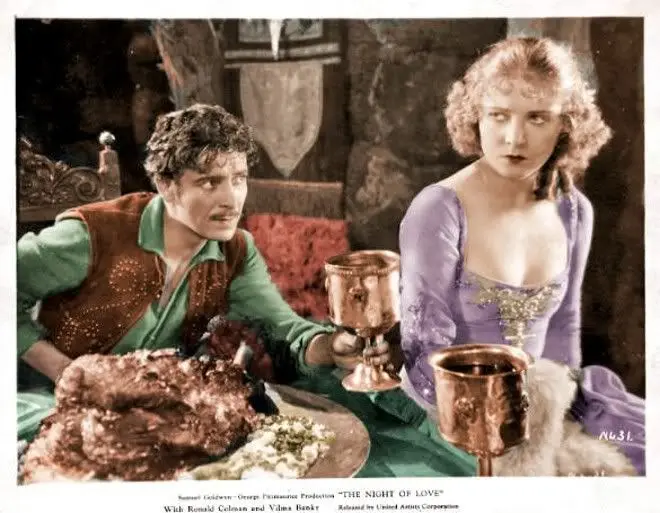
The framing of scenes is deliberate. Close-ups are employed judiciously to emphasize the emotional turmoil on an actor’s face, particularly during moments of crisis for Montero or terror for his bride. Wide shots establish the grandeur of the settings, from the sprawling landscapes that the gypsies traverse to the oppressive interiors of the duke's stronghold. This visual dichotomy reinforces the narrative's central conflict between freedom and captivity, natural joy and artificial power.
Consider the sequence of the abduction: it’s a masterclass in visual suspense. The sudden intrusion of the duke’s men into the wedding festivities, the swift, brutal snatching of the bride, and the ensuing chaos are choreographed with a frantic energy that perfectly captures the violation of the moment. The use of chase sequences, while perhaps less dynamic than modern action, effectively conveys urgency and desperation. The entire sequence is a jarring disruption of peace, visually underscoring the cruelty of the duke’s actions.
The production design and costumes further immerse the viewer in the period. The elaborate attire of the aristocracy stands in stark contrast to the simpler, more earthy garments of the gypsy community. This visual distinction isn't just aesthetic; it’s a shorthand for the social stratification and power imbalances that drive the plot. Every visual element, from the flickering torchlight in a dark corridor to the opulent tapestries of the duke's chambers, serves the story, enhancing its dramatic impact.
One of the most significant hurdles for modern viewers approaching 'The Night of Love' is its pacing. Silent films generally operated on a different rhythm than contemporary cinema, often allowing scenes to play out with greater deliberation. Intertitles, while essential for conveying dialogue and exposition, inherently break the flow, requiring the audience to read and re-engage with the visual storytelling. This can feel slow to an audience accustomed to rapid-fire editing and constant dialogue.
However, understanding this pacing is key to appreciating the film. The slower rhythm allows for a greater emphasis on the actors’ expressions and the nuances of their physical performances. It permits the audience to absorb the visual information more thoroughly, to dwell on a character’s grief or a villain’s smirk. The dramatic swells, when they arrive, feel earned and impactful because of the buildup. The tone is unashamedly melodramatic, a hallmark of the era, where emotions are writ large and moral lines are clearly drawn.
The film leans heavily into the tragic romance and revenge thriller genres, blending them with a historical drama. The emotional arc is clear: joy, brutal loss, consuming rage, and the relentless pursuit of justice. While some might find the overt emotionalism excessive, it’s precisely this heightened reality that allowed silent films to resonate so deeply with their audiences. It’s a world where every glance is a promise, every tear a river, and every vow unbreakable. This tonal commitment is unwavering, giving the film a consistent, if intense, emotional landscape.
The film's tone is also surprisingly dark for its time, particularly in its depiction of the 'right' and its tragic consequences. It doesn't shy away from the brutality, making Montero's subsequent actions feel entirely justified within the narrative’s framework. The revenge plot isn't just a spectacle; it's a desperate cry for equilibrium in a world that has been violently unbalanced.
Yes, 'The Night of Love' is absolutely worth watching for specific audiences. It offers a rare glimpse into the dramatic capabilities of the silent era. The performances, especially from Ronald Colman, are compelling. The story, while melodramatic, tackles powerful themes of injustice and vengeance. It’s a significant piece of film history. However, it requires patience and an appreciation for the conventions of its time. Casual viewers might struggle with the pacing and the lack of sound.
'The Night of Love' is a powerful, if undeniably dated, piece of silent cinema that demands attention for its historical context and its raw emotional force. It works. But it’s flawed. Ronald Colman’s performance alone is worth the price of admission (or the effort of seeking it out), embodying a vengeful spirit with a gravitas that few could match. While its pacing might feel like a journey back in time, its themes of injustice, love, and retribution remain surprisingly resonant. It’s a film that reminds us of the power of visual storytelling and the enduring appeal of a well-crafted melodrama. It's not for everyone, but for those willing to engage with its particular rhythms, it offers a rich and rewarding experience.
Fans of intense silent dramas like Children of the Night or even earlier, grander epics will find much to appreciate here. It stands as a testament to the dramatic capabilities of the silent era, a period where expressions and gestures carried the weight of a thousand words, and a film that, despite its age, still has something to say about power, tragedy, and the human spirit's capacity for both love and vengeance.
IMDb 6.9
1928
Community
Log in to comment.