DbcultAccessing Vault...
Cult Review
Senior Film Conservator
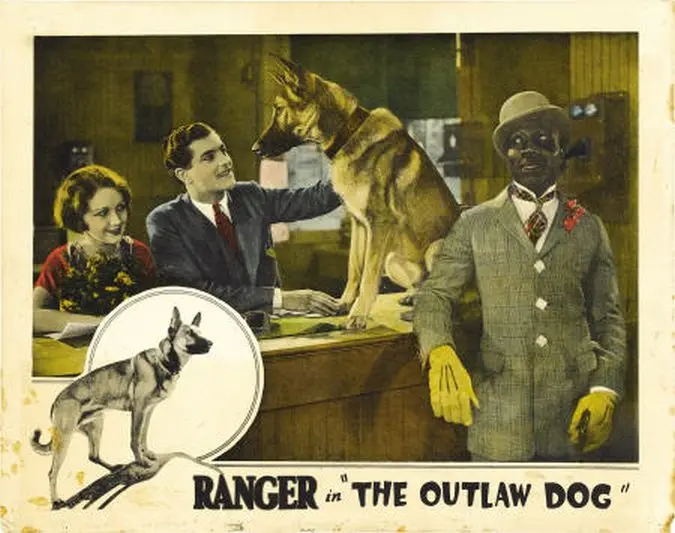
Is The Outlaw Dog worth watching today? Short answer: yes, but with significant caveats that demand a specific palate. This film is a fascinating historical artifact best suited for silent film enthusiasts, animal lovers with a penchant for vintage cinema, and those curious about early filmmaking techniques. It is decidedly not for viewers seeking modern pacing, high-fidelity visuals, or complex character development.
For those who appreciate the unique charm and historical context of early 20th-century cinema, The Outlaw Dog offers a compelling glimpse into a bygone era of storytelling. It’s a film that asks its audience to meet it halfway, to engage with its particular rhythm and visual language.
This film works because of its surprisingly effective animal performance and its earnest attempt at a high-stakes adventure narrative. The central presence of Ranger the Dog provides an emotional anchor that transcends the limitations of its silent medium.
This film fails because of its often simplistic human characterizations and a narrative that occasionally sags under its own ambition. While the dog's journey is captivating, the human drama struggles to maintain the same level of depth or nuance.
You should watch it if you appreciate the charm of early cinema and are willing to overlook its technical limitations for a heartwarming (and sometimes thrilling) story of loyalty and perseverance. It's a testament to the enduring appeal of animal protagonists.
A Canine's Crusade: Unpacking the Plot of The Outlaw Dog
Ewart Adamson's screenplay for The Outlaw Dog, while operating within the conventions of its time, crafts a narrative that is both straightforward and surprisingly effective in its emotional resonance. The story centers around Ranger, a German Shepherd, who through a series of unfortunate events and misunderstandings, finds himself branded an 'outlaw.' This isn't just about a dog running wild; it's about a dog caught in the crosscurrents of human conflict, loyalty, and the often-flawed pursuit of justice.
Ranger's journey is not merely one of survival but of vindication. His actions, often misinterpreted by the human characters, are consistently driven by an inherent sense of loyalty and protection, particularly towards a central figure, likely Helen Foster's character. This dynamic creates a powerful emotional core, allowing the audience to root for Ranger even when the human elements of the plot might waver.
The film cleverly uses Ranger's perspective to drive much of the action. We witness his cunning escapes, his brave confrontations, and his unwavering dedication, often contrasting sharply with the shortsightedness or villainy of the human antagonists, portrayed by actors like Alfred Allen and Harry Tenbrook. It's a classic tale of good versus perceived evil, with the 'outlaw' canine as its unlikely hero.
Is The Outlaw Dog Worth Watching?
Yes, The Outlaw Dog is absolutely worth watching if you approach it with the right expectations. It's not a film designed for broad modern appeal, but rather a niche delight for those who appreciate silent cinema's unique storytelling techniques. The film excels in showcasing the remarkable acting ability of its canine star, Ranger, whose performance often outshines his human counterparts. Its themes of loyalty and justice are timeless, even if presented through a vintage lens. For a truly immersive experience into early film, and a heartwarming story of an animal hero, it delivers. However, if you are looking for fast-paced action or contemporary narrative complexity, this might not be the film for you.
Performances: The Star with Paws
In any discussion of The Outlaw Dog, the undeniable star is Ranger. His performance is nothing short of extraordinary, especially considering the limitations of animal training and filmmaking techniques of the era. Ranger doesn't just 'do tricks'; he conveys emotion, determination, and intelligence through his movements and expressions. There's a particular scene where Ranger's eyes seem to communicate a deep understanding of his predicament, a moment that truly elevates the film beyond a simple animal adventure.
The human cast, including Victor Allen and Helen Foster, deliver performances that are competent and fitting for the silent era, relying heavily on exaggerated gestures and facial expressions to convey emotion. Victor Allen, as the presumed protagonist or a key ally to Ranger, embodies a certain rugged heroism. Helen Foster brings a necessary softness and vulnerability, often serving as the emotional touchstone for Ranger's loyalty. Their acting, while perhaps appearing melodramatic to modern eyes, was par for the course and effectively communicated the plot through intertitles.
However, it’s a strong, debatable opinion of mine that the human performances, while adequate, often feel secondary to Ranger's magnetic presence. While actors in films like Fig Leaves or The Nut were pushing the boundaries of silent film acting with more nuanced physical comedy or dramatic flair, the human cast here sometimes feels more like props for Ranger's story. This isn’t necessarily a flaw, as the film is titled for the dog, but it highlights the uneven distribution of narrative power.
Supporting players like Alfred Allen and Bruce Gordon effectively portray the various antagonists and authority figures, their broad strokes of villainy or sternness providing clear dramatic foils. Spencer Bell, often relegated to comedic relief or a loyal sidekick, adds a touch of levity that, while sometimes jarring, was a common element in films of this period.
Directorial Vision and Cinematography: Capturing a Bygone Era
The directorial choices in The Outlaw Dog are largely functional, serving the narrative with clear, concise visual storytelling. The film avoids overly elaborate camera work, opting instead for steady shots that allow the action, particularly Ranger's movements, to take center stage. This simplicity, however, is not without its charm; it allows for a direct engagement with the story without visual distractions.
Cinematography, while not groundbreaking when compared to more experimental films of the period like Das goldene Kalb, effectively captures the rugged outdoor environments crucial to Ranger's 'outlaw' status. There are moments of genuine visual impact, particularly during chase sequences or when Ranger is seen navigating challenging terrain. The use of natural light and wide shots helps to establish a sense of scale and vulnerability, emphasizing Ranger's isolation.
An unconventional observation here is how the film's reliance on practical effects and on-location shooting for Ranger's stunts inadvertently lends it a raw authenticity that CGI-heavy modern films often struggle to achieve. When Ranger leaps across a chasm or outruns pursuers, you feel the tangible effort and risk. This gives the film an edge of realism that makes the dog's plight more impactful.
The tone of the film shifts between earnest adventure, moments of quiet pathos (often centered on Ranger), and occasional bursts of dramatic tension. The director, working with Ewart Adamson's script, maintains a consistent emotional register, ensuring that Ranger's journey remains the central focus, even when the human drama threatens to overshadow it.
Pacing and Narrative Drive: A Slow Burn with Bursts of Action
The pacing of The Outlaw Dog is characteristic of early silent films: it's a slow burn, punctuated by bursts of intense action. The film takes its time to establish Ranger's predicament and the various human relationships that define his world. This deliberate pace allows for a gradual buildup of sympathy for Ranger, making his eventual triumphs all the more satisfying.
The narrative drive is primarily fueled by the central conflict of Ranger being hunted or misunderstood. Each escape, each act of loyalty, pushes the story forward, creating a clear sense of progression. While there are moments where the plot feels a little stretched, perhaps to fill the runtime, these are often redeemed by Ranger's engaging presence.
Compared to more frenetic adventure films of the era, such as Robin Hood, Jr., The Outlaw Dog prioritizes emotional connection over relentless spectacle. The action sequences, when they occur, are well-staged and effective, but they serve the story rather than dominating it. For example, a particular sequence involving Ranger evading a posse through a dense forest is genuinely thrilling, demonstrating effective editing for its time.
The film's reliance on intertitles to convey dialogue and exposition means that the visual storytelling must be exceptionally clear, and for the most part, it succeeds. The narrative, while not complex, is coherent and easy to follow, a testament to Adamson's ability to craft a compelling story within the constraints of the silent film format.
Thematic Resonances: Loyalty, Justice, and Misunderstanding
At its heart, The Outlaw Dog is a profound exploration of loyalty. Ranger's unwavering devotion to his human companions, even when he is unjustly pursued, forms the emotional bedrock of the film. This theme is universal and timeless, resonating deeply with audiences across generations.
The film also delves into the complexities of justice and misunderstanding. Ranger is branded an 'outlaw' based on circumstantial evidence or human prejudice, highlighting how easily innocence can be mistaken for guilt. This struggle for vindication, for the truth to emerge, gives the narrative a powerful moral dimension. It’s a simple but effective commentary on the flaws of human judgment.
Furthermore, the film touches upon the primal bond between humans and animals. It's a relationship built on trust, instinct, and mutual reliance, often portrayed as purer and more steadfast than the often-fickle relationships between humans. Ranger's actions serve as a constant reminder of this profound connection.
These themes are presented without heavy-handedness, allowing the audience to interpret and feel the emotional weight of Ranger's journey. It works. But it’s flawed. The simplicity of the narrative sometimes underserves the potential depth of these themes, yet they remain undeniably present and impactful.
Pros and Cons
Key Takeaways
The Verdict: A Bark Worth Hearing?
The Outlaw Dog is more than just a relic of the past; it’s a charming, heartfelt adventure that, despite its age and inherent limitations, manages to capture the imagination. Its greatest strength lies in the undeniable charisma and talent of its canine star, Ranger, whose performance remains genuinely captivating even a century later. This is a film that asks for patience and an appreciation for the historical context of its creation.
While the human drama might not always soar to the same heights as Ranger's heroic escapades, the core themes of loyalty, justice, and the unique bond between species resonate powerfully. It’s a testament to the enduring appeal of simple, well-told stories, particularly when a four-legged protagonist is at the helm.
For those willing to adjust their expectations and immerse themselves in the unique world of silent cinema, The Outlaw Dog offers a rewarding experience. It’s a film that earns its place in the annals of animal-centric cinema, proving that a compelling performance doesn't always need words. Go into it with an open mind, and you might just find yourself barking along with Ranger's defiant spirit.
IMDb 5.4
1934
Community
Log in to comment.