DbcultAccessing Vault...
Cult Review
Senior Film Conservator
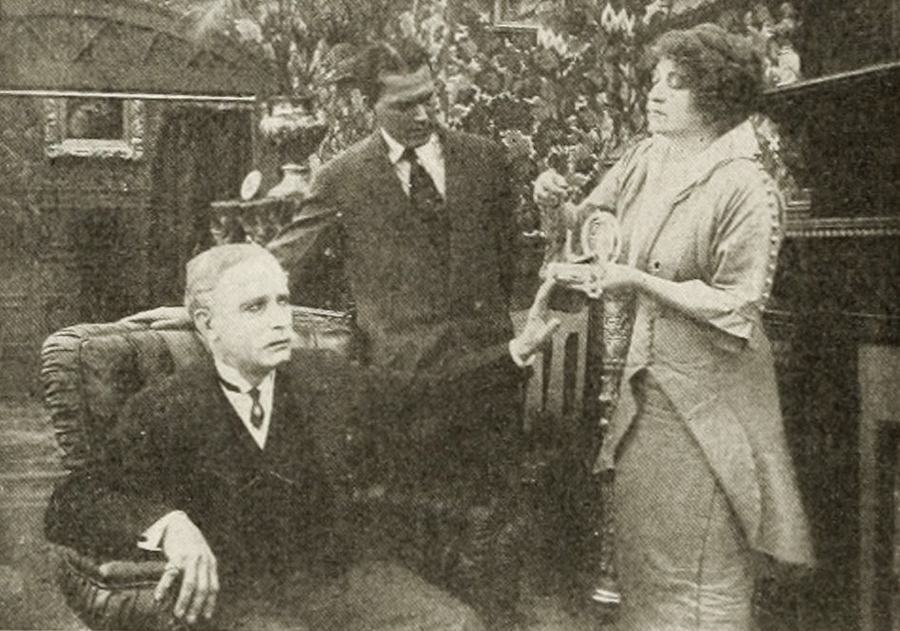
In the flicker-pit of a 1910s nickelodeon, where projector gears clack like mechanical castanets, The Path Forbidden unfurls like a taffeta skirt—equal parts temptation and sermon. What survives of the picture (a single tinted 35 mm print, vinegar-sweet and scarred) is a morality play lacquered in moonshine and moonlight, a film that believes devils wear sequins and angels carry hotel ledgers.
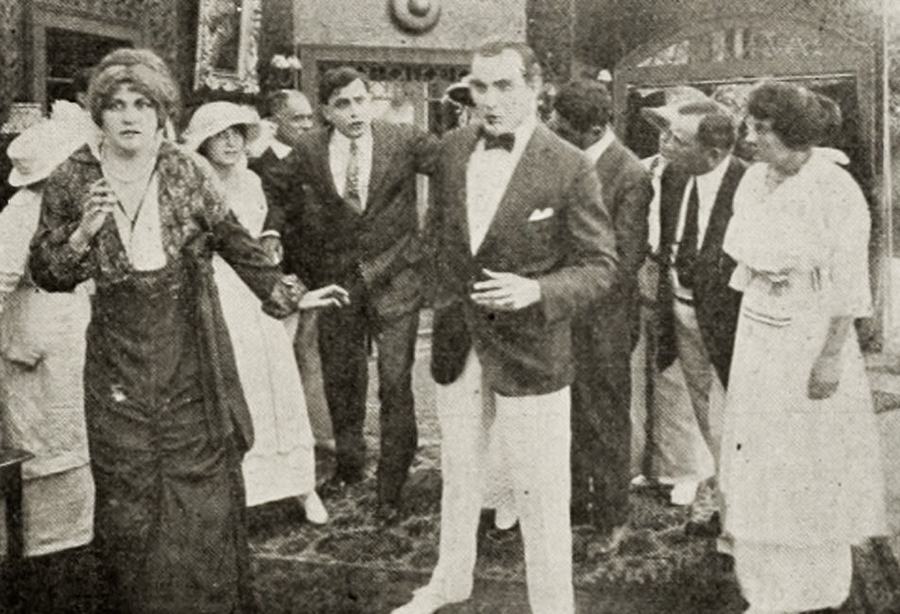
Hymer’s screenplay, coaxed from his own Broadway potboiler, is built like a diptych of mirrors: Act I gives us Violet’s bacchanal rampage—every frame drips lake mist and bootleg perfume—while Act II fractures the prism, letting each shard (Pearl’s libertinage, Lucy’s stoicism) refract the same face. The symmetry is so deliberate that when the twins finally stand side-by-side beside the hotel’s grand register, the image quivers with occult vertigo: one signature looping like a rollercoaster, the other pressed in copybook copperplate. The audience of 1917 reportedly gasped not at the plot twist but at the visual rhyme—a special effect achieved without split-screen, merely a body double and a hinge in the set wall.
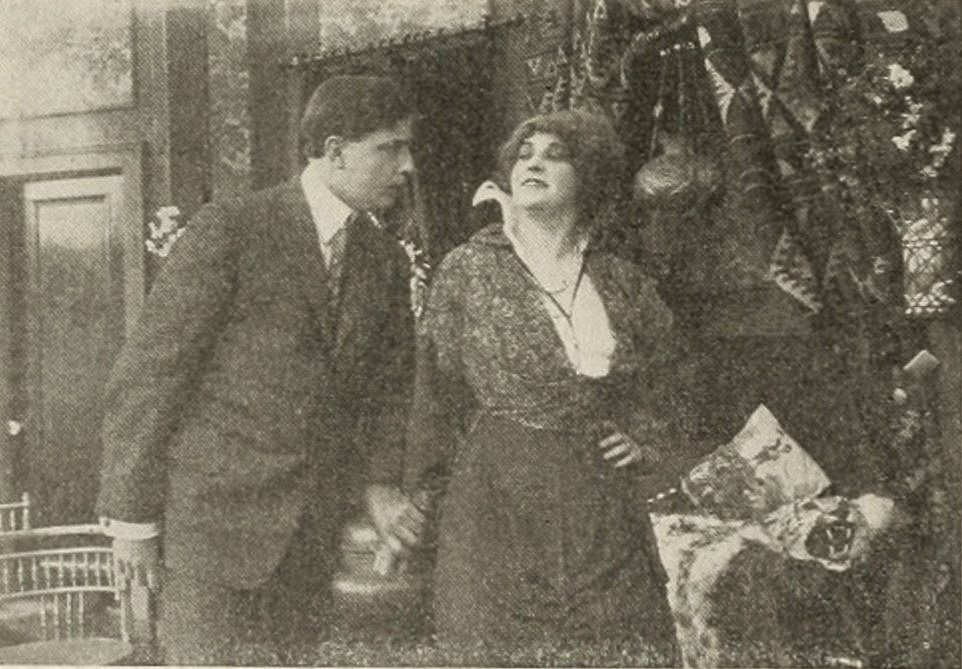
Cinematographer Gordon De Main (moonlighting from Vitagraph) bathes the Adirondack exteriors in dusk-for-night, birch trunks glowing like exposed ribs. Interiors smolder under amber gel filters; every cigarette ember becomes a tiny comet against the grainy darkness. The barn-fire sequence—shot full-scale with kerosene and burlap—was whispered to have singed the eyebrows of the camera crew; the surviving print shows flames licking the bottom edge of the frame, a literal breach of the fourth wall that feels eerily contemporary in our age of found-footage horror.
Compare this pyrotechnic candor with the volcanic apocalypse of The Last Days of Pompeii (1913) where magma is mostly painted gauze; here the danger is corporeal, chemical, alive. Nitrate stock itself seems complicit in the arson, threatening to combust at any splice.
Octavia Handworth, tasked with embodying both Pearl and Lucy, toggles between predator and providence with nothing more than a shift in clavicle angle. Watch her wrists: as Pearl they dangle like broken marionette strings, smoke coiling around lacquered nails; as Lucy they knit together, prayerful yet pragmatic. The disparity is so granular that a modern viewer might suspect optical printing, yet 1917 had no such luxury—Handworth merely acted in adjacent takes, swapping posture and soul between chalk marks on the parquet.
Francis Pierlot’s Joe Brill ages from brash beau to spectral patriarch without latex; he simply thins his hairline with talcum and allows his gait to sag like wet linen. In the asylum corridor scene—a single 40-second shot—he shuffles toward camera, eyes reflecting the barred high window, and the filmic space seems to inhale his despair. It’s a moment worthy of Home, Sweet Home (also 1914) where the protagonist’s psychological erosion is charted through doorframe geometry.
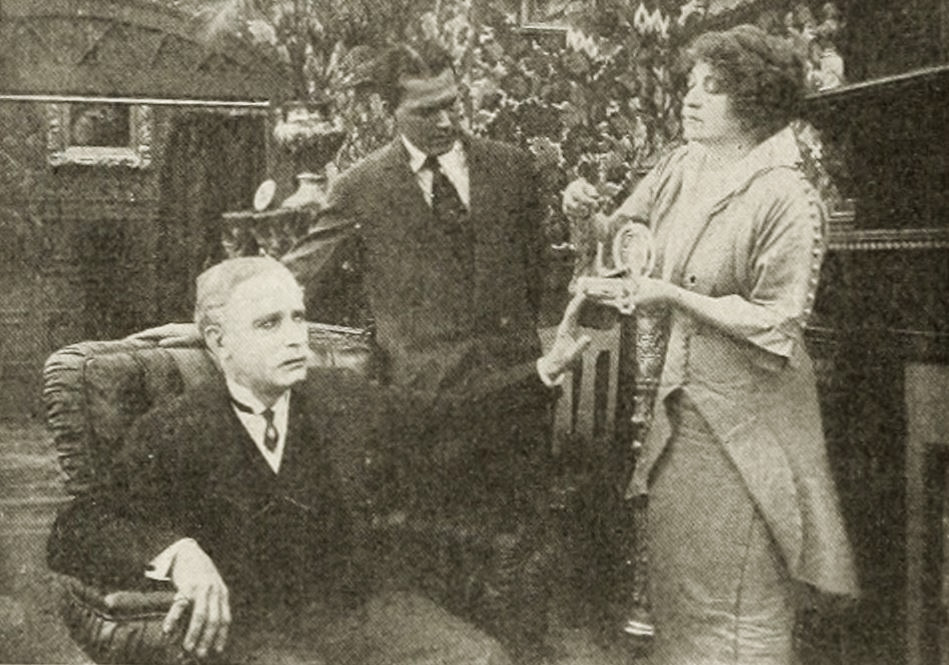
Silent melodrama rarely granted wanton women a return ticket; they usually drowned, descended into opium, or were flattened by locomotives. Yet The Path Forbidden allows Pearl not merely to survive but to transubstantiate—her ankle twist becomes a stigmata, the barn’s inferno a purgatorial font. The film’s closing iris-in on Pearl kneeling at Joe’s wheelchair, snow beginning to fall, is less a conservative restoration than a radical acknowledgment that scars can be passports back into the social contract.
This progressive streak contrasts with the punitive streak in Livets konflikter where fallen women are left to freeze in Scandinavian gloom. One wonders whether Hymer, himself a reformed circuit preacher, smuggled Methodist grace into what studio memos trumpeted as “another sensational vice exposé.”
The editing pattern alternates between languid tableau—lovers framed like cameos in a locket—and staccato bursts: a hand slapping a race card, a match flare, the splice-jump that lands Pearl bloodied on Lucy’s lobby rug. This arrhythmic pulse anticipates the Soviet montage that Eisenstein would theorize a decade later; the collision of pastoral longueur and urban panic creates an internal whiplash that mirrors the ethical whiplash within Pearl herself.
Though the film survives sans discs, censorship files list the recommended cue sheet: “Valse Septembre” for Violet’s initial conga line of suitors, “The Holy City” underscoring Joe’s asylum epiphany, and a bespoke foxtrot titled “Two Roses, One Thorn” for the twin-reveal. Contemporary exhibitors often swapped in local ragtime combos; reports from the Royal Theatre in Kingston tell of a trumpet player who, upon seeing Pearl steal the child, launched into a blue-note riff so lacerating that a patron fainted. The silence we ‘hear’ today is thus a palimpsest, every scratch on the emulsion a ghost note.
For seventy years the film slumbered in a Burlington attic inside a candy box; when rediscovered in 1988, the final reel had fused into a single honey-colored brick. Thanks to liquid-gate optical printing and a 4K photochemical rescan, the barn-fire sequence now blooms with terrifying clarity; flames caress Pearl’s cheek like an abusive lover. The Library of Congress included it in the 2022 Silent Avant-Garde touring set, pairing it with Der Zug des Herzens to showcase how early melodrama prefigured psychological expressionism.
Still, the film languishes in the algorithmic shadows. Wikipedia stubs it in two anemic sentences; IMDB voters hover at 5.4, mistaking its didactic intertitles for moralistic bluntness. They miss how the movie’s true text is visual: a grammar of mirrors, flames, and double exposures that whispers what the characters dare not confess.
Does the picture sermonize? Undoubtedly. Yet within its sermon lies a splinter of subversion: the notion that identity is not fixed ledger ink but performance, transferable as a silk chemise slipped between dressing screens. Pearl’s descent is filmed with lascivious pleasure—close-ups of dice rattling across mahogany, her garter clasp snapping like a guillotine—while Lucy’s redemption arc glows with the soft-focus beatitude usually reserved for saints. The tension between these visual appetites grants the film an erotic charge that outlives its moral scaffolding.
So, if you crave a rote parable of good sister versus bad, stream any number of post-code talkies. If, however, you wish to witness cinema still learning to walk the tightrope between salvation and sensationalism—nitrate wobbling beneath its feet—then seek The Path Forbidden. Let its guttering projector teach you how every sinner carries a dormant twin, and every flame throws twin shadows on the barn wall: one that burns, one that merely remembers burning.
And when the final iris closes, you may find yourself glancing over your shoulder, half expecting to meet a face uncannily like your own, asking which path—permissible or proscribed—you will tread once the lights come up and the nitrate night evaporates into modern glare.
IMDb —
1934
Community
Log in to comment.