DbcultAccessing Vault...
Cult Review
Senior Film Conservator
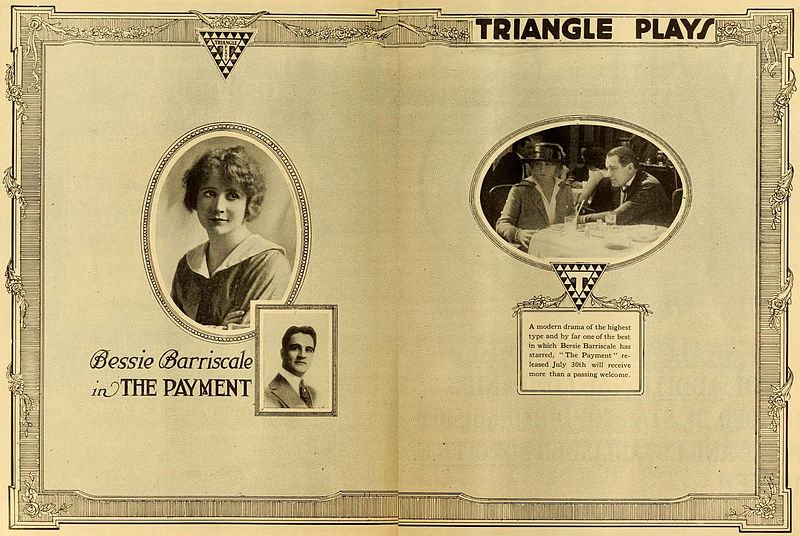
The 1916 cinematic landscape was a period of profound evolution, a transitional bridge between the primitive shorts of the nickelodeon era and the sophisticated narrative tapestries that would eventually define the Golden Age. Standing at the epicenter of this metamorphosis is The Payment, a film that eschews the simplistic moralizing of its contemporaries to explore the murky intersection of artistic ambition and ethical compromise. Directed by Howard Hickman and penned by the legendary C. Gardner Sullivan, this work serves as a quintessential example of the 'Ince-produced' style—a hallmark of narrative efficiency and psychological depth.
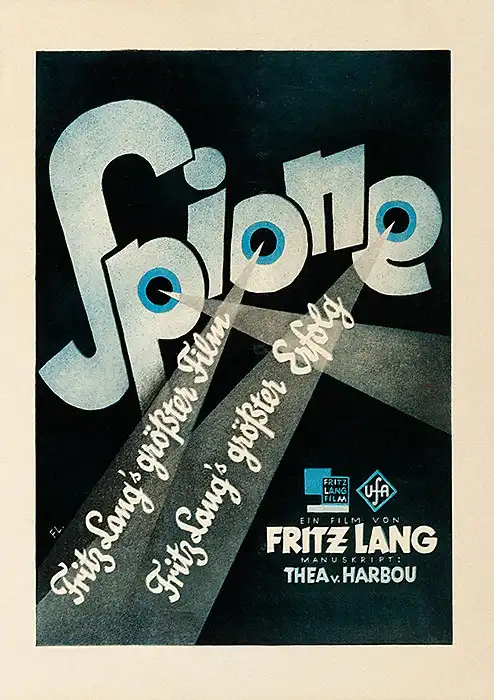
At the heart of the narrative is Phyllis Page, portrayed with an arresting blend of fragility and resolve by Bessie Barriscale. Phyllis is not merely a 'damsel in distress' but a woman possessed by a singular, burning desire: the refinement of her craft. In the early 20th century, the path to artistic legitimacy for an American painter invariably led through the ateliers of Europe, a journey far beyond the financial reach of a struggling artist. When Robert Reyburn (Tom Guise) offers to bridge this fiscal chasm, the film enters a dialogue regarding the commodification of the female body in exchange for intellectual liberation. Unlike the more overt villainy found in The Spy, Reyburn’s predation is wrapped in the velvet of patronage, making the eventual 'payment' feel more like a tragic inevitability than a sudden fall from grace.
Sullivan’s screenplay is masterful in its refusal to offer easy condemnations. The romance that blossoms between Phyllis and Robert is depicted not as a tawdry affair, but as a complex exchange of needs. Robert seeks a vitality that his stale marriage to Edith (Katherine Kirkwood) lacks, while Phyllis seeks the world. This transactional intimacy is the crucible in which Phyllis’s future is forged. The film’s pacing during these early sequences mirrors the slow, deliberate brushstrokes of a painter, building a sense of impending consequence that looms over every frame of Phyllis’s European triumph.
When Phyllis returns to the United States, she is a woman transformed. The visual grammar of the film shifts; the lighting becomes more sophisticated, reflecting her newfound status as a high-society favorite. She has achieved everything she set out to do, yet the shadow of her 'payment' remains. This thematic exploration of the past’s persistence is reminiscent of the moral quandaries presented in The Dividend, where fiscal success is often built upon a foundation of personal ruin. Phyllis is now a woman of independent means, yet she is shackled by the secret of her origin story.
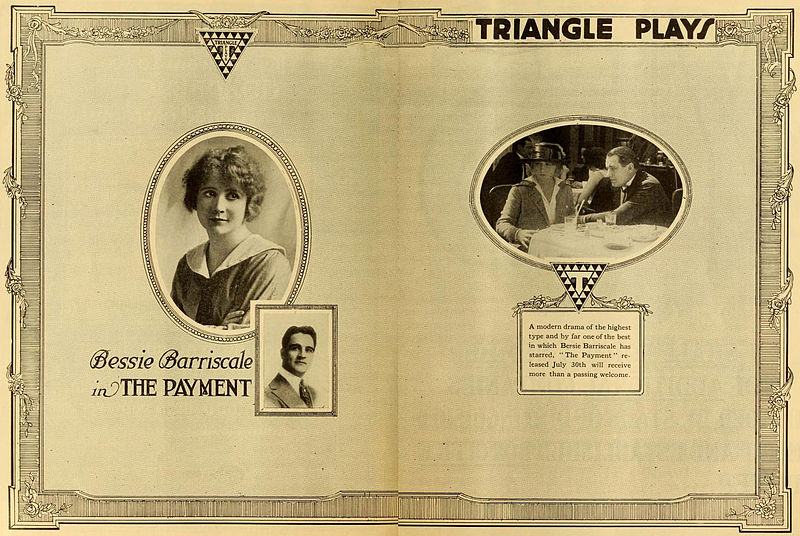
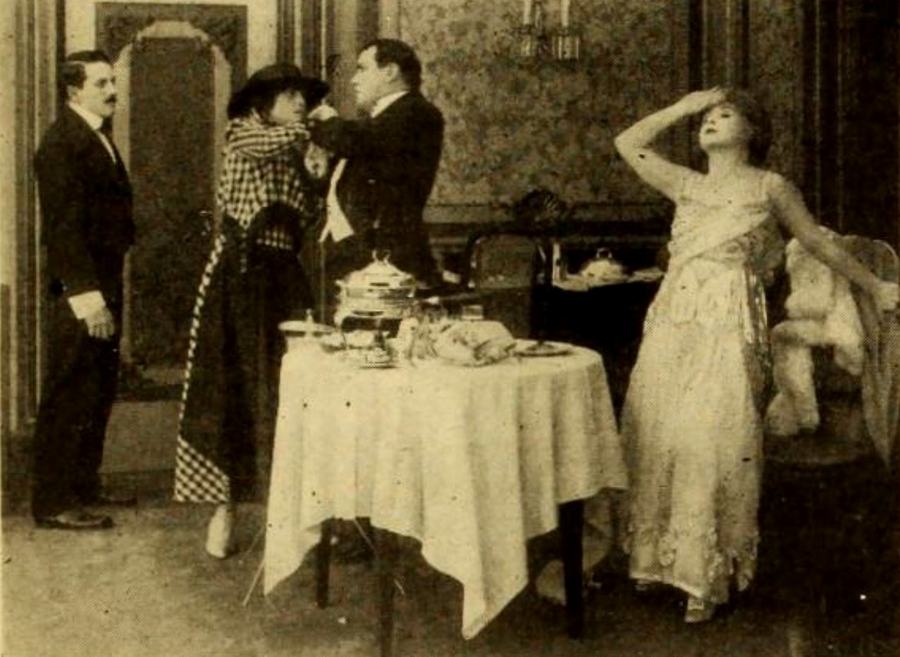
The dramatic tension reaches a fever pitch when Edith Reyburn, oblivious to her husband’s infidelity, attempts to play matchmaker between Phyllis and her brother, Dick (William Desmond). This narrative turn is a stroke of ironic genius. It forces Phyllis into a social circle where her past and present are in constant, silent collision. The viewer is invited to witness the agonizing internal monologue of a woman who has climbed the social ladder only to find that the rungs are made of glass. The juxtaposition of her public acclaim and her private shame creates a psychological friction that Barriscale navigates with remarkable nuance, using subtle shifts in posture and gaze to convey a soul in turmoil.
It is impossible to discuss The Payment without centering the discussion on Bessie Barriscale. In an era often criticized for histrionic acting, Barriscale offers a performance of profound interiority. She understands that Phyllis’s tragedy is not one of loud outbursts, but of quiet realizations. When Dick proposes, the audience expects a traditional melodramatic rejection. Instead, we receive a masterclass in the 'performance of absence.' Phyllis rejects him not because she lacks love, but because she possesses too much knowledge. She realizes that the 'payment' she made years ago has effectively purchased her future, leaving her with no equity in her own happiness.
This rejection is a radical act for 1916 cinema. It denies the audience the catharsis of a 'happily ever after' and instead insists on the permanence of social consequences. While films like The Child of Destiny might offer a more providential resolution, The Payment remains grounded in a harsh, almost naturalistic reality. The 'fallen woman' trope is subverted; Phyllis is not destroyed by her choices in a physical sense—she remains wealthy and famous—but she is spiritually exiled from the domestic bliss that society deems the ultimate prize for womanhood.
The technical execution of the film reflects the high standards of the Thomas H. Ince studio. The set design for the European sequences, though likely shot on a California backlot, evokes a sense of old-world grandeur that contrasts sharply with the modern, sterile elegance of the Reyburn estate. The cinematography utilizes the frame to isolate Phyllis, often placing her in the center of opulent rooms that feel more like gilded cages than homes. This visual motif reinforces the theme of isolation; despite being surrounded by admirers, Phyllis is fundamentally alone in her truth.
The editing, too, is notably advanced. The cross-cutting between Phyllis’s artistic success and Robert’s domestic life serves to constantly remind the viewer of the link between the two. Every accolade Phyllis receives is visually tied back to the initial transaction, ensuring that the audience never forgets the cost of her canvas. This structural coherence is a hallmark of C. Gardner Sullivan’s writing, which often explored the interconnectedness of human actions, much like his work in The Typhoon.
Looking back from a modern perspective, The Payment remains a startlingly relevant critique of the gendered dynamics of power. It asks uncomfortable questions about the sacrifices required of women who seek to enter male-dominated spheres of influence. While the film is over a century old, the central conflict—the tension between one's past and the curated persona of the present—is a universal human struggle. It shares a thematic DNA with War Brides in its focus on the societal pressures placed upon women, though it approaches the subject through the lens of individual ambition rather than collective sacrifice.
In the broader context of silent cinema, The Payment stands as a testament to the sophistication of the medium before the advent of sound. It proves that complex emotional narratives do not require dialogue to achieve resonance; they require vision, empathy, and a profound understanding of the human condition. The film’s refusal to provide a tidy moral conclusion is its greatest strength. It leaves the viewer in a state of contemplation, pondering the weight of our own 'payments' and the true price of our aspirations.
"To paint the world, one must first be part of it; but to be part of the world, one must often lose oneself."
This sentiment echoes throughout the final act. Phyllis Page remains a haunting figure in the annals of silent film—a woman who won the world but lost the right to be known. For those interested in the evolution of the social drama, The Payment is an essential viewing experience, a somber reminder that in the grand gallery of life, every masterpiece comes with a hidden price tag. It is a film that demands to be seen, not just as a historical artifact, but as a living, breathing piece of art that continues to challenge our perceptions of morality, success, and the enduring power of the past.
Whether compared to the suspense of The Clue or the sweeping tragedy of Pilgrim's Progress, The Payment carves out its own unique space. It is a film of quiet desperation and loud silences, a cinematic achievement that deserves a place in the pantheon of great American dramas. As we continue to rediscover the treasures of the silent era, let us not overlook this poignant exploration of the human cost of greatness.

IMDb —
1936
Community
Log in to comment.