DbcultAccessing Vault...
Cult Review
Senior Film Conservator
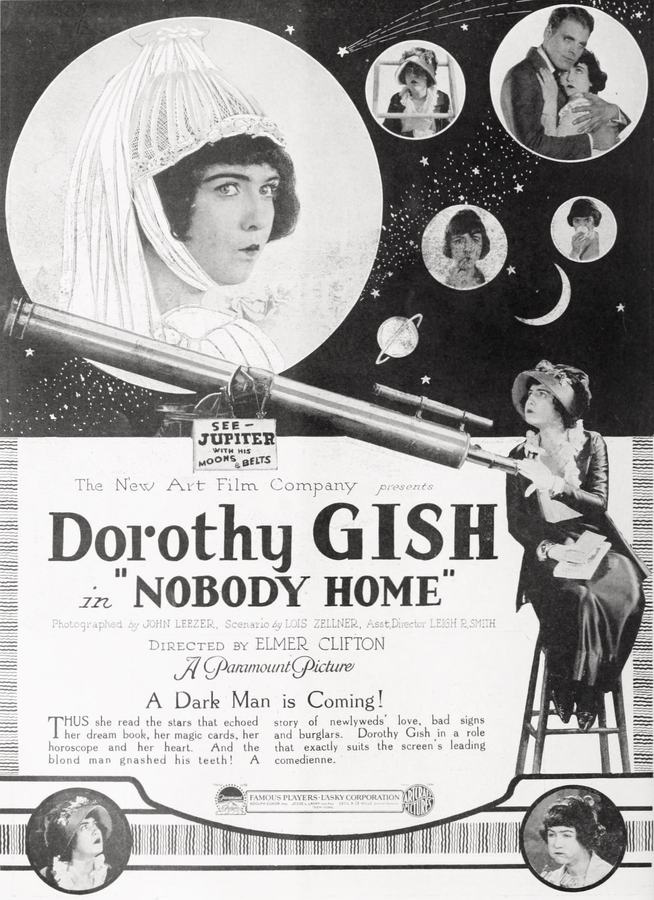
Stepping back into the cinematic landscape of 1919, one encounters a fascinating artifact in 'Nobody Home,' a silent film that, despite its somewhat unassuming title, plunges headlong into a timeless human dilemma: the struggle between perceived destiny and personal agency. This early dramatic offering, penned by Lois Zellner, presents a compelling narrative centered on a young woman whose life is utterly dictated by the whims of fortune-telling. Her every decision, from the mundane to the momentous, is filtered through the mystical lens of card readings and astrological charts, creating a psychological portrait of a character tragically beholden to external omens rather than internal conviction. It's a premise ripe for exploration, touching upon themes that resonate even with contemporary audiences, making it far more than just a historical curio.
The protagonist, whose name remains a tantalizing mystery in the available synopsis but whose plight is vividly clear, embodies a particular vulnerability. She is not merely superstitious; she is utterly enslaved by her beliefs. This isn't a whimsical dalliance with the occult, but a deeply ingrained dependency that paralyzes her capacity for independent thought and emotional discernment. One can almost feel the weight of the cards in her hand, the oppressive influence of the stars in the night sky, as she grapples with choices that should inherently be guided by her own desires and moral compass. This psychological dependency forms the bedrock of the film's dramatic tension, setting the stage for a conflict that is both external and profoundly internal. The film masterfully, through the expressive silent film acting conventions, conveys her constant state of anxiety and indecision, her eyes often darting, her posture conveying a perpetual seeking for answers beyond herself.
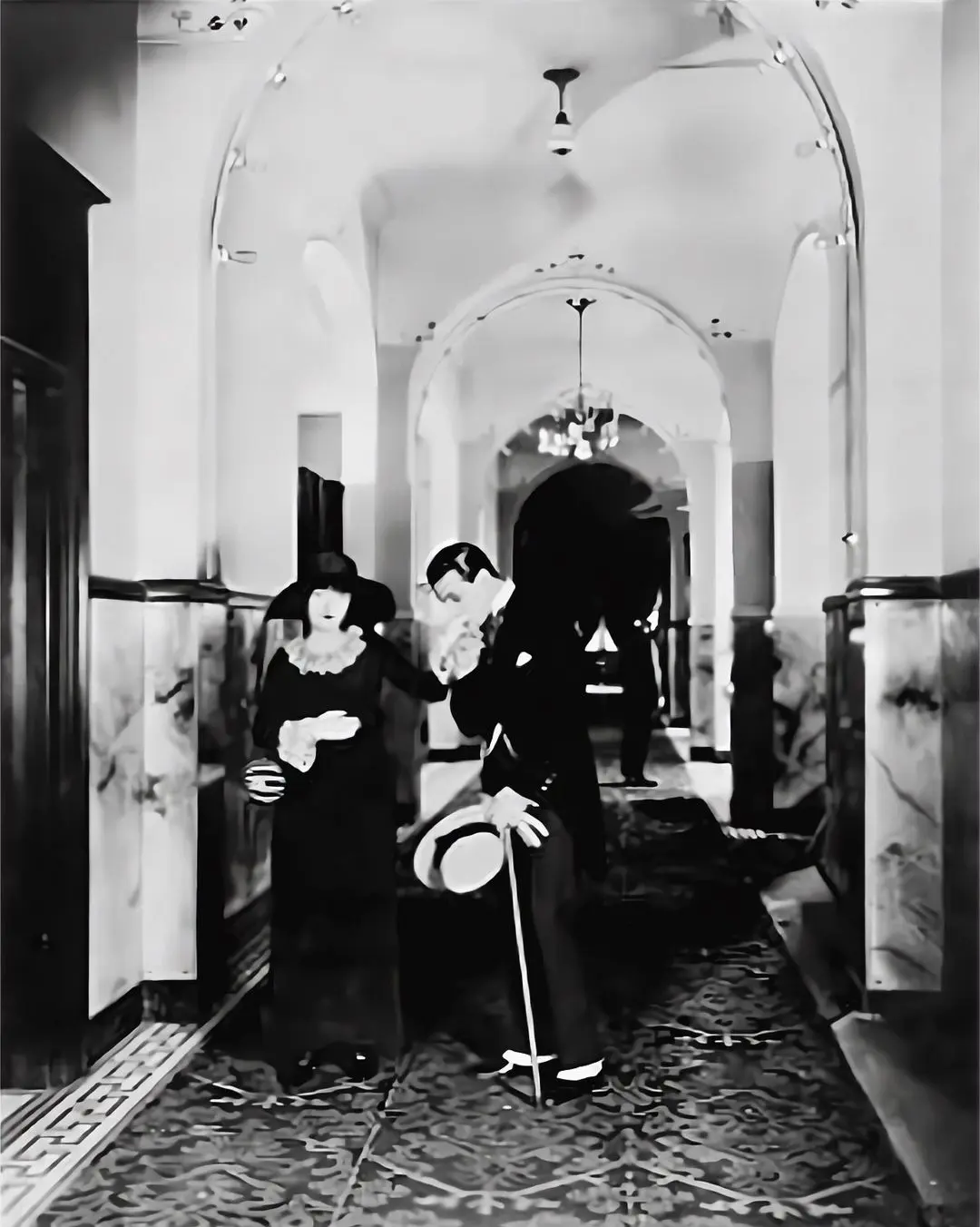
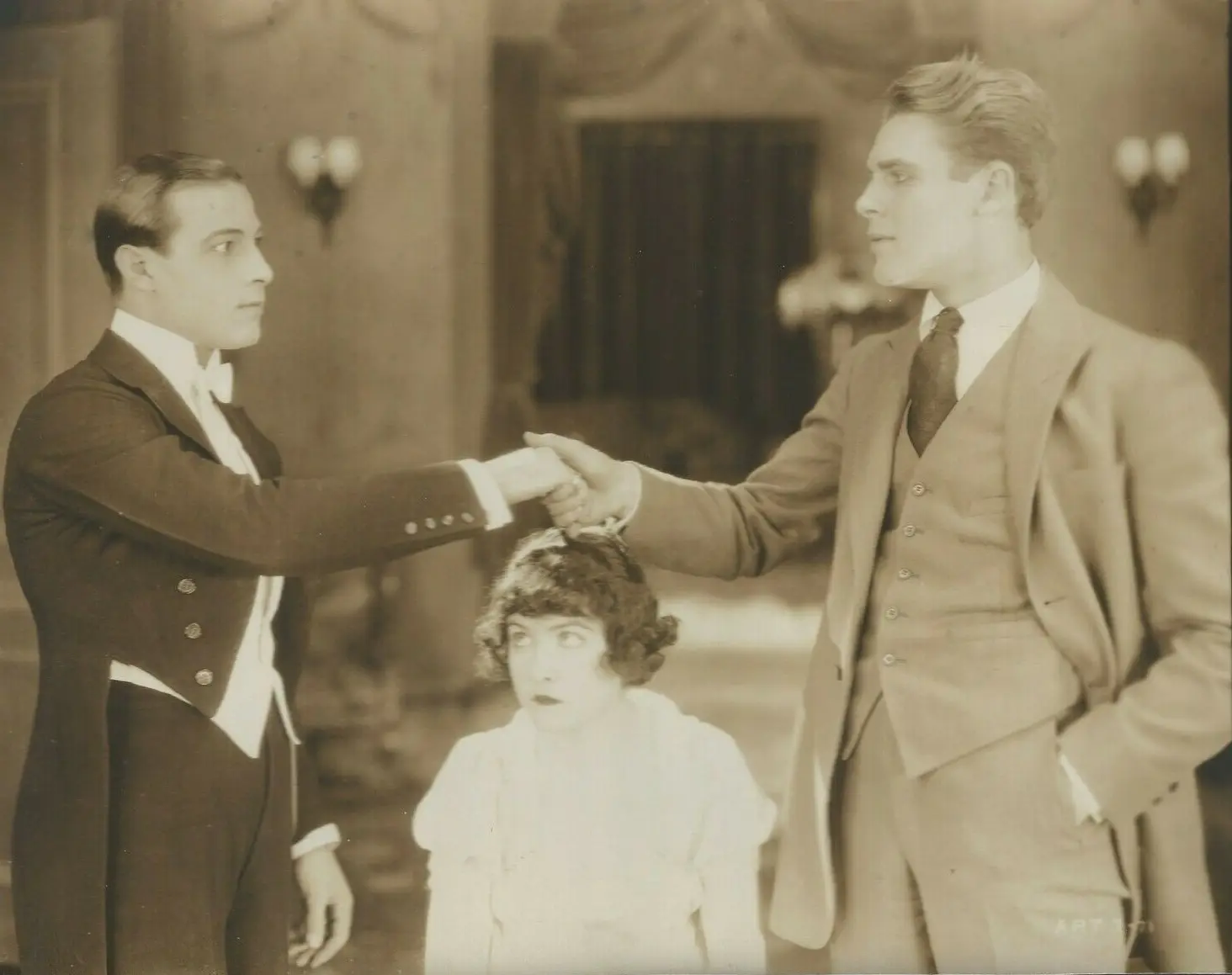
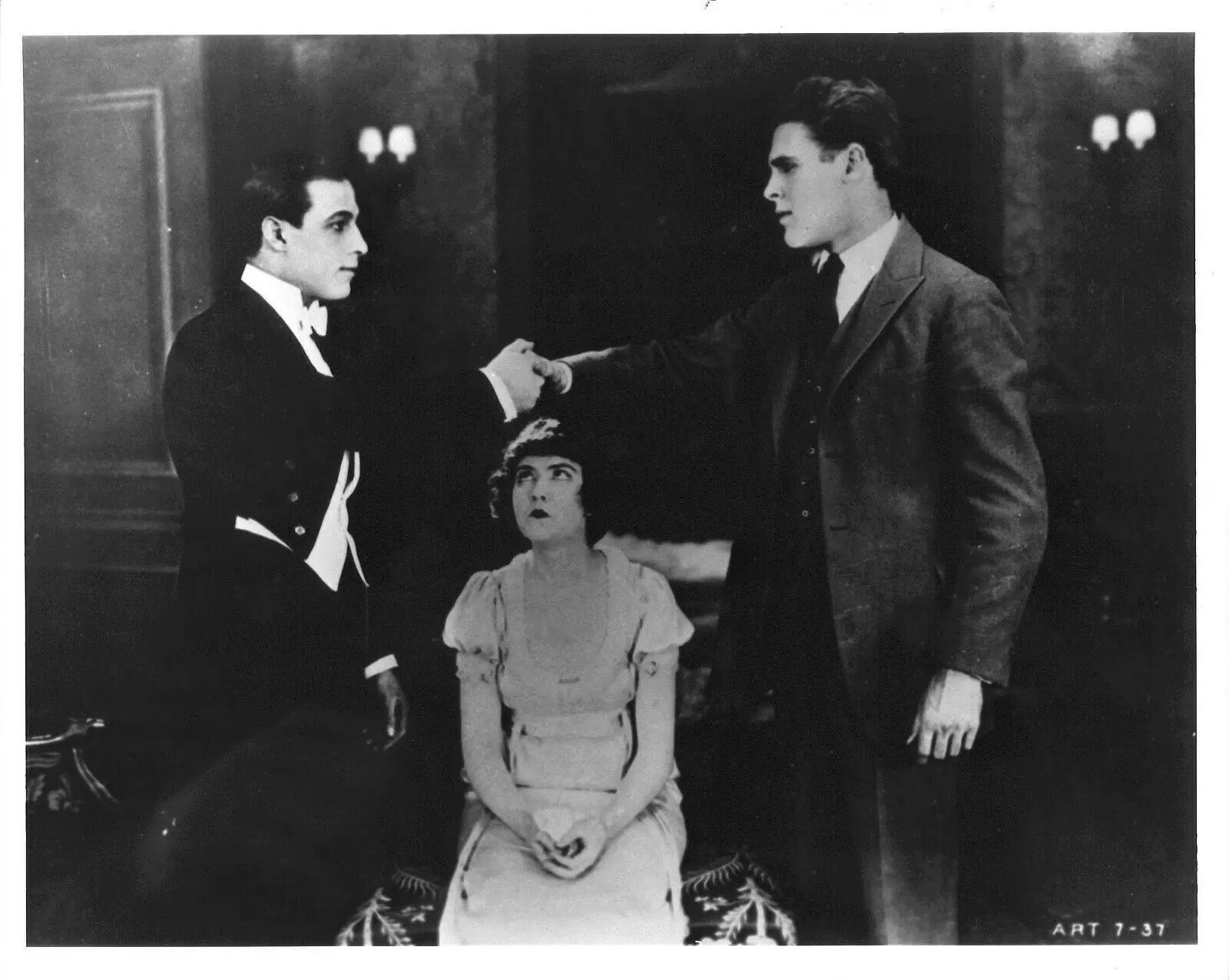
Her predicament is further exacerbated by the introduction of two starkly contrasting romantic interests. On one side stands a man of unimpeachable character, a virtuous suitor who offers genuine affection and stability. He represents the path of conventional happiness, built on mutual respect and transparent intentions. His presence, however, serves as a quiet challenge to her superstitious nature, as his appeal is rooted in the tangible qualities of goodness rather than any mystical endorsement. On the other side lurks a villainous figure, charismatic and undoubtedly alluring, yet fundamentally manipulative and morally bankrupt. This individual, with his persuasive charm and perhaps a cunning understanding of her spiritual vulnerabilities, represents a dangerous allure, promising excitement or perhaps even a perverse sense of predestined grandeur. The screenplay, even in its minimalist form typical of the era, expertly sketches these archetypes, allowing the audience to immediately grasp the stakes involved in her choice.
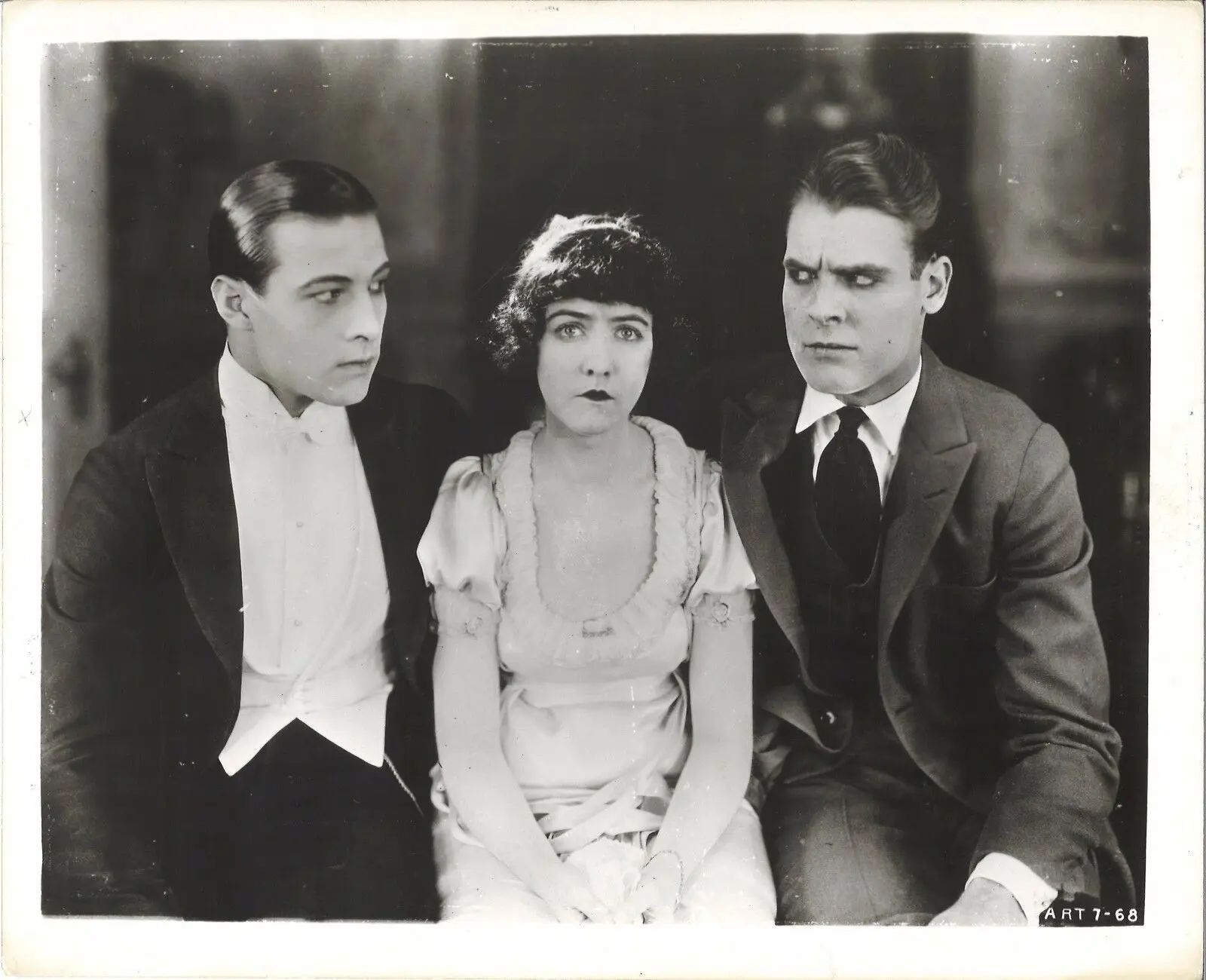
The cruel twist, and the film's central dramatic irony, is that the very forces our protagonist so religiously consults — the shuffled deck, the astrological charts — consistently point her towards the villain. It’s a narrative device that brilliantly highlights the peril of blind faith, suggesting that even perceived cosmic guidance can be deceptive, or perhaps, simply a reflection of one's own underlying fears and desires. This perverse cosmic alignment forces her into an agonizing internal conflict: will she defy the supposed will of the universe, or succumb to a fate that her heart instinctively recoils from? This is where the film transcends a simple romance, delving into a more philosophical examination of free will versus determinism, a theme that echoes in later works like Fate and Fortune, albeit with different narrative trappings. The choice she faces is not merely between two men, but between her ingrained belief system and the burgeoning, undeniable whispers of her own soul.
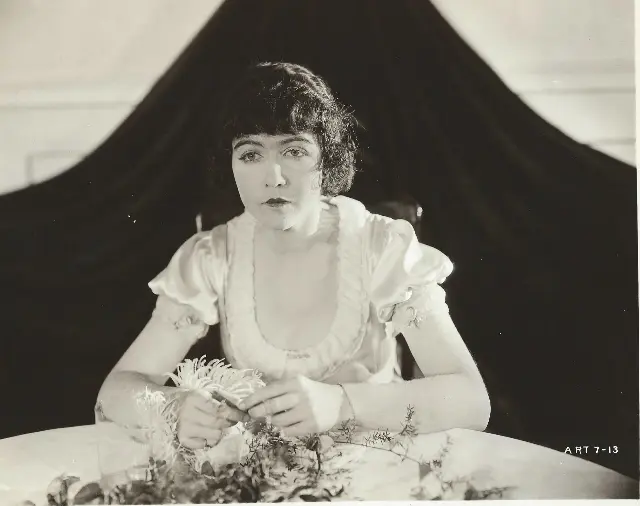
The cast, a fascinating ensemble of early Hollywood talent, brings this intricate emotional landscape to life without the benefit of spoken dialogue. Dorothy Gish, a prominent star of the era and sister to Lillian Gish, would undoubtedly have carried the emotional weight of the protagonist's internal turmoil. Known for her naturalistic and often understated performances, Gish possessed a remarkable ability to convey complex emotions through subtle gestures and facial expressions, a skill absolutely essential for the silent screen. Her portrayal of a woman torn between superstition and burgeoning love would have been a masterclass in silent dramatic acting, likely infusing the character with a poignant vulnerability that elicits deep empathy from the audience. One can imagine her delicate expressions shifting from hopeful anticipation to profound despair as the cards consistently betray her heart's true leanings.
Intriguingly, the cast also includes Rudolph Valentino, though likely in an early, perhaps even minor, role given the 1919 release. While he would later become an icon of romantic allure, his presence here, even if brief, adds a layer of historical fascination. One wonders if he played the charismatic villain, foreshadowing his later fame as an irresistible screen presence, or perhaps a more neutral character. Regardless, the very inclusion of such a future legend speaks to the film's place within a burgeoning industry, a snapshot of talent on the cusp of defining an era. The contributions of George Fawcett, Vera McGinnis, Emily Chichester, Kate Toncray, Raymond Cannon, Ralph Graves, Vivian Montrose, Porter Strong, and Norman McNeil would have collectively woven the tapestry of the film's world, each actor contributing to the atmosphere and driving the narrative through their physical performances and interactions.
Lois Zellner's screenplay, while conforming to the narrative conventions of the time, demonstrates a keen understanding of human psychology. It's not just a story about a love triangle; it's a commentary on the inherent human desire for certainty and the dangerous paths we sometimes take to find it. The choice to make the protagonist's guiding force both arbitrary (cards) and seemingly absolute (stars) magnifies her dilemma, preventing easy solutions. Zellner crafts a scenario where the internal conflict is as compelling as any external action, a hallmark of effective dramatic writing, even in the silent era where exposition often relied heavily on intertitles. This depth of character motivation elevates 'Nobody Home' beyond mere melodrama, pushing it into the realm of a thoughtful exploration of human foibles and resilience.
The cinematic language of 1919, devoid of synchronized sound, relied immensely on visual storytelling, evocative intertitles, and the power of the actors' expressions. One can envision close-ups on the protagonist's anxious face, her hands trembling as she shuffles the cards, or the calculated sneer of the villain. The use of shadow and light, a staple of early cinema, would have been crucial in defining the moral landscape of the film, perhaps bathing the virtuous suitor in warm, inviting light while the villain lurks in more ambiguous, chiaroscuro settings. This visual artistry, combined with a compelling score (often improvised or live-performed in theaters), would have immerse audiences in the protagonist's emotional journey. The pacing, likely more deliberate than modern films, would have allowed moments of tension and introspection to fully develop, drawing viewers into her agonizing choices.
Historically, 'Nobody Home' offers a window into societal attitudes towards superstition and women's agency at the turn of the century. The film subtly suggests a tension between traditional beliefs and an emerging sense of individualism. While superstition might have been a common thread in society, the film's narrative arc likely critiques its absolute sway, advocating for a reliance on personal judgment and emotional truth. In an era where women's roles were often circumscribed, the protagonist's struggle to make an independent choice, even against perceived fate, speaks to a burgeoning desire for self-determination. Her journey is not just a personal one, but a reflection of broader cultural shifts, echoing the quiet rebellions found in other contemporary films like The Heart of a Girl, which also explored the complexities of female desire and societal expectation.
Comparing 'Nobody Home' to other films of its period reveals both commonalities and unique strengths. While it shares the romantic entanglements seen in films like Blue-Eyed Mary or Lord Loveland Discovers America, its central conflict rooted in superstition lends it a distinctive edge. The psychological depth of the protagonist's struggle, her internal battle against self-imposed or externally dictated destiny, sets it apart from more straightforward romantic dramas. It's a film that, much like Mrs. Dane's Defense, delves into the ethical quagmire of personal choices and their far-reaching consequences, but through a distinctively mystical lens. The narrative's careful construction, building towards a moment of profound personal decision, would have captivated audiences of the time, leaving them to ponder the true sources of guidance in their own lives.
Ultimately, 'Nobody Home' stands as more than just a forgotten silent film; it is a thought-provoking exploration of human vulnerability, the seductive power of preordained fate, and the enduring strength of the human heart. Lois Zellner’s vision, brought to life by a talented cast and the expressive power of silent cinema, crafts a story that challenges us to consider where true wisdom lies: in the stars, in the cards, or within the quiet, often overlooked, chambers of our own being. It’s a testament to the fact that even a century ago, filmmakers were grappling with complex psychological and philosophical questions, creating art that continues to resonate with timeless truths about choice, love, and the elusive nature of destiny. For those willing to look past the absence of sound, a rich and deeply human drama awaits, offering insights into both the past and the perennial challenges of the human condition.
IMDb 6.5
1934
Community
Log in to comment.