DbcultAccessing Vault...
Cult Review
Senior Film Conservator
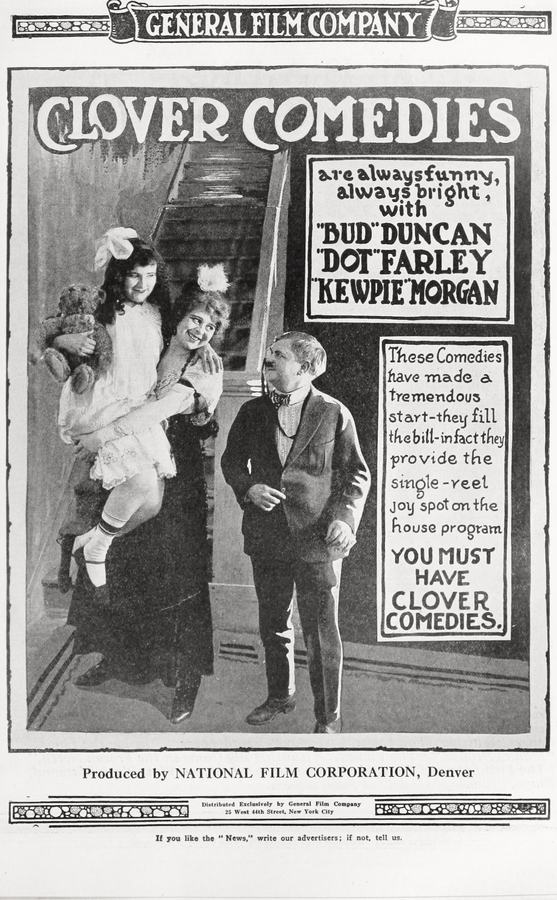
Stepping into the flickering, sepia-toned world of "The Poor Rich Cleaners" is akin to unearthing a forgotten treasure from the silent film era's vast, often overlooked, archives. It's a cinematic experience that, despite its vintage, resonates with a timeless wit and a surprisingly trenchant social commentary, delivered with the boundless energy and physical prowess characteristic of its time. This isn't just another slapstick romp; it's a meticulously crafted comedic ballet that pirouettes between the absurd and the acutely observed, offering a mirror to the societal foibles that, perhaps, have never truly faded.
At its heart, "The Poor Rich Cleaners" is a narrative propelled by the universal yearning for something more, or at least, something different. Our protagonists, Pip (Bud Duncan) and Polly (Dot Farley), are not merely cleaners; they are conduits through which the audience experiences the stark realities of class disparity. Their daily grind isn't just about scrubbing floors and polishing brass; it's about witnessing, firsthand, the excesses and eccentricities of a world they can only observe from the periphery. The brilliance of the film lies in how it transforms their mundane existence into a springboard for grand, albeit accidental, aspirations. When a twist of fate, an almost poetic happenstance, propels them into the hallowed halls of high society, the comedy doesn't merely ensue; it erupts with a joyous, unbridled force.
Bud Duncan, a master of physical comedy, imbues Pip with a wide-eyed naivete that is both endearing and utterly hilarious. His every movement, from a clumsy bow to a frantic attempt to conceal a cleaning rag, is choreographed with an exquisite precision that speaks volumes without a single uttered word. Opposite him, Dot Farley as Polly is a revelation. Her expressions, a kaleidoscope of alarm, determination, and bewildered amusement, anchor the more outlandish moments, providing a relatable human core to the escalating absurdity. Together, they form a comedic duo whose chemistry is palpable, their synchronized exasperation and shared moments of panic creating a bond that transcends the screen. It's this authentic partnership that elevates the film beyond mere visual gags, giving it a warmth and genuine charm that many contemporaries, while equally adept at physical humor, sometimes lacked.
No comedic caper is complete without a formidable, or at least delightfully pompous, foil, and "The Poor Rich Cleaners" delivers spectacularly with Kewpie Morgan's portrayal of Mrs. Vandergelt. Morgan, known for his distinctive appearance and often villainous roles, here crafts a character of such self-important imperiousness that she becomes a comedic force in her own right. Her very presence, a towering figure of unyielding social decorum, serves as the perfect counterpoint to Pip and Polly's frantic efforts to blend in. Every raised eyebrow, every dismissive glance, every sniff of disdain from Mrs. Vandergelt amplifies the precariousness of our heroes' masquerade, ratcheting up the tension and the comedic payoff. Her interactions with the hapless cleaners are masterpieces of silent film acting, where a single gesture or facial contortion conveys entire paragraphs of social judgment and class snobbery.
The film's satirical edge is sharpened by its subtle, yet pointed, critiques of the elite. While Pip and Polly's attempts at sophistication are clumsy and transparent, the film also gently mocks the often-empty rituals and superficial concerns of the upper crust. The lavish parties, the affected manners, the obsession with appearances – these elements are presented not just as a backdrop for the cleaners' antics, but as a commentary on the inherent absurdity of a society so rigidly defined by wealth. It's a critique that finds echoes in other works of the era, such as The Cost of Hatred, which, while perhaps more dramatic in its exploration of societal ills, shares a common thread of examining the destructive power of class divides, albeit through a different lens. Here, the 'cost' is paid in social embarrassment and a loss of authenticity, rather than outright tragedy.
The directorial hand behind "The Poor Rich Cleaners" demonstrates a keen understanding of silent film aesthetics. The use of intertitles is economical yet effective, serving to advance the plot or highlight a particularly witty observation without bogging down the visual flow. The cinematography, while perhaps not groundbreaking for its time, is functional and often ingenious in its framing, ensuring that every significant gesture, every panicked expression, is captured with clarity. The pacing is a masterclass in comedic timing, building momentum through a series of escalating predicaments, culminating in a chaotic climax that is both satisfying and uproarious. The edits are crisp, guiding the viewer's eye precisely where it needs to be, whether it's on a dropped can of polish or a shocked socialite's face.
Consider the clever sight gags: Pip attempting to gracefully sip tea with a pinky extended while wrestling a stubborn stain on the tablecloth, or Polly's desperate efforts to hide her cleaning supplies under a voluminous gown, only for a feather duster to pop out at an inopportune moment. These aren't just isolated jokes; they are integral to the narrative, each one contributing to the relentless pressure on our protagonists. This meticulous attention to visual detail and gag construction is reminiscent of the best silent comedies, echoing the intricate physical choreography one might find in a Keaton or Chaplin short, albeit with its own unique flavor. It's a film that understands the power of visual irony, contrasting the pristine environments with the messy reality of human endeavor.
Beyond the laughter, "The Poor Rich Cleaners" delves into fascinating questions of identity and the performance of self. Pip and Polly aren't just playing roles; they are, for a brief period, embodying an aspirational version of themselves, testing the boundaries of who they can be. This exploration of self-reinvention, however temporary, is a compelling undercurrent to the comedic chaos. It reminds us of films like The Girl Who Doesn't Know, where characters grapple with their own perceptions and the perceptions of others, often leading to misunderstandings or a profound reckoning with reality. Here, the 'not knowing' is less about personal ignorance and more about the social fabric's willingness to accept a facade, however flimsy.
The film also subtly critiques the very notion of 'richness' and 'poorness.' Is wealth purely monetary, or does it encompass a richness of spirit, ingenuity, or even humility? Pip and Polly, despite their financial destitution, possess a resilience and resourcefulness that many of the genuinely wealthy characters lack. Their 'poverty' is economic, but their 'richness' lies in their humanity and their capacity for genuine emotion, even when masked by comedic panic. This duality is a powerful, unspoken message that elevates the film beyond a simple gag reel. The narrative arc, in a way, mirrors the journey of characters in films like Down to Earth, where a return to fundamental values or a confrontation with reality often defines the ultimate outcome, stripping away pretenses to reveal a more authentic self.
"The Poor Rich Cleaners" might not possess the grandiosity of an epic, nor the profound dramatic weight of some of its contemporaries, but its legacy lies in its unpretentious charm and its surprisingly enduring relevance. It's a film that speaks to the universal human experience of wanting to belong, of striving for acceptance, and of the often-hilarious pitfalls that accompany such ambition. It reminds us that laughter is a powerful tool for social commentary, capable of disarming audiences while simultaneously prompting them to reflect on the absurdities of their own world.
Watching it today, one can appreciate the meticulous craft of silent filmmaking – the reliance on visual storytelling, the exaggerated yet eloquent performances, and the sheer ingenuity required to convey complex emotions and narratives without dialogue. It's a testament to the skill of Bud Duncan, Dot Farley, and Kewpie Morgan, whose contributions to the silent era are often overshadowed by the more famous names but are no less significant. Their work here is a vibrant example of the comedic artistry that flourished in the early days of cinema, a period of boundless experimentation and creative freedom.
The film, in its own unassuming way, also offers a glimpse into the social dynamics of the early 20th century, a time when class lines were perhaps more rigidly drawn, yet also ripe for comedic subversion. It's a piece of cinematic history that, far from being a dusty relic, feels remarkably fresh and engaging, proving that true comedic genius transcends the limitations of time and technology. In an era where many filmmakers were still figuring out the language of cinema, "The Poor Rich Cleaners" speaks with a clear, confident, and uproarious voice. It's an essential watch for anyone interested in the foundational elements of screen comedy and the rich, diverse tapestry of silent film. Its charm, much like a perfectly polished antique, shines brighter with age, offering both entertainment and a gentle, knowing wink at the human condition.
IMDb —
1928
Community
Log in to comment.