DbcultAccessing Vault...
6.4/10
Senior Film Conservator
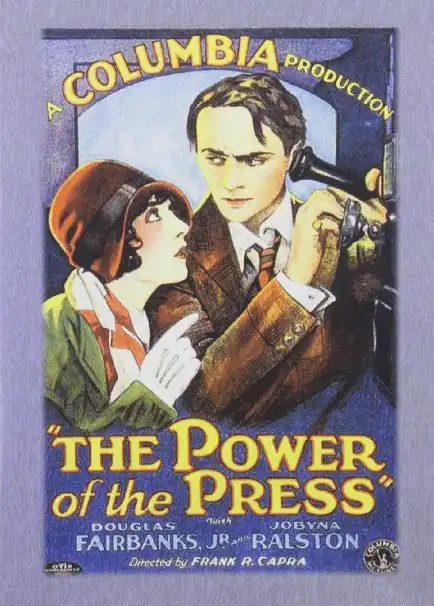
A definitive 6.4/10 rating for a film that redefined the boundaries of cult cinema. The Power of the Press remains a cornerstone of transgressive art.
So, is this one worth your time today? If you like old-school zip and watching people run around in suits that look three sizes too big, then yeah, absolutely.
It’s perfect for anyone who misses when movies were just 70 minutes of people making very dramatic faces. You’ll probably hate it if you can’t stand silent films or if you need a plot that isn't solved by a single conversation.
Douglas Fairbanks Jr. is the main guy here, Clem, and he is just... he's a lot. He’s like a puppy that’s had three espressos and found a typewriter.
He wants to be a big-shot reporter so bad it’s almost painful to watch. He gets sent to cover a murder and basically decides on the spot that Jane (Jobyna Ralston) did it because it makes for a better headline.
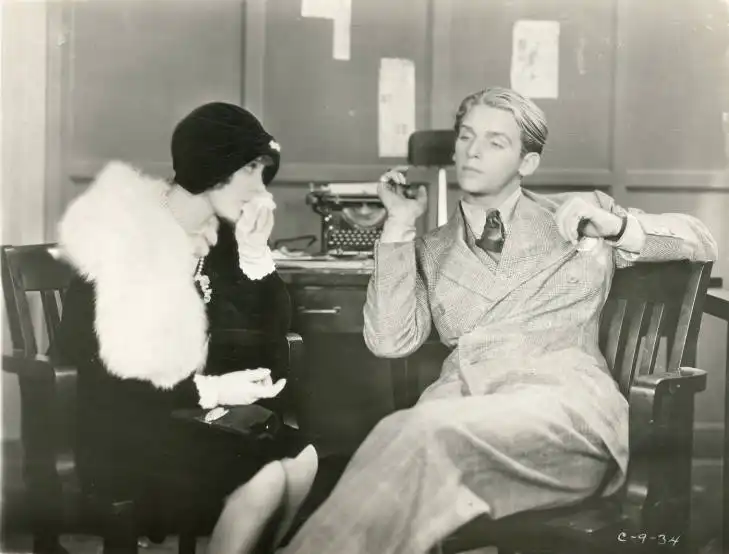
There is this one bit where he’s typing his "big scoop" and his fingers are flying so fast I’m pretty sure the prop typewriter was about to catch fire. It’s pure energy, even if it's kind of stupid.
Jobyna Ralston is great as Jane, mostly because she has to play the only sane person in the room. Her eyes are doing 90% of the heavy lifting in the scene where she confronts him at the office.
I noticed this weird thing with the background actors in the newspaper office. Half of them look like they are actually working, and the other half are just moving papers from the left pile to the right pile over and over.
The movie moves fast, which is a blessing. It doesn’t try to be profound or anything; it just wants to get to the next chase or the next funny misunderstanding.
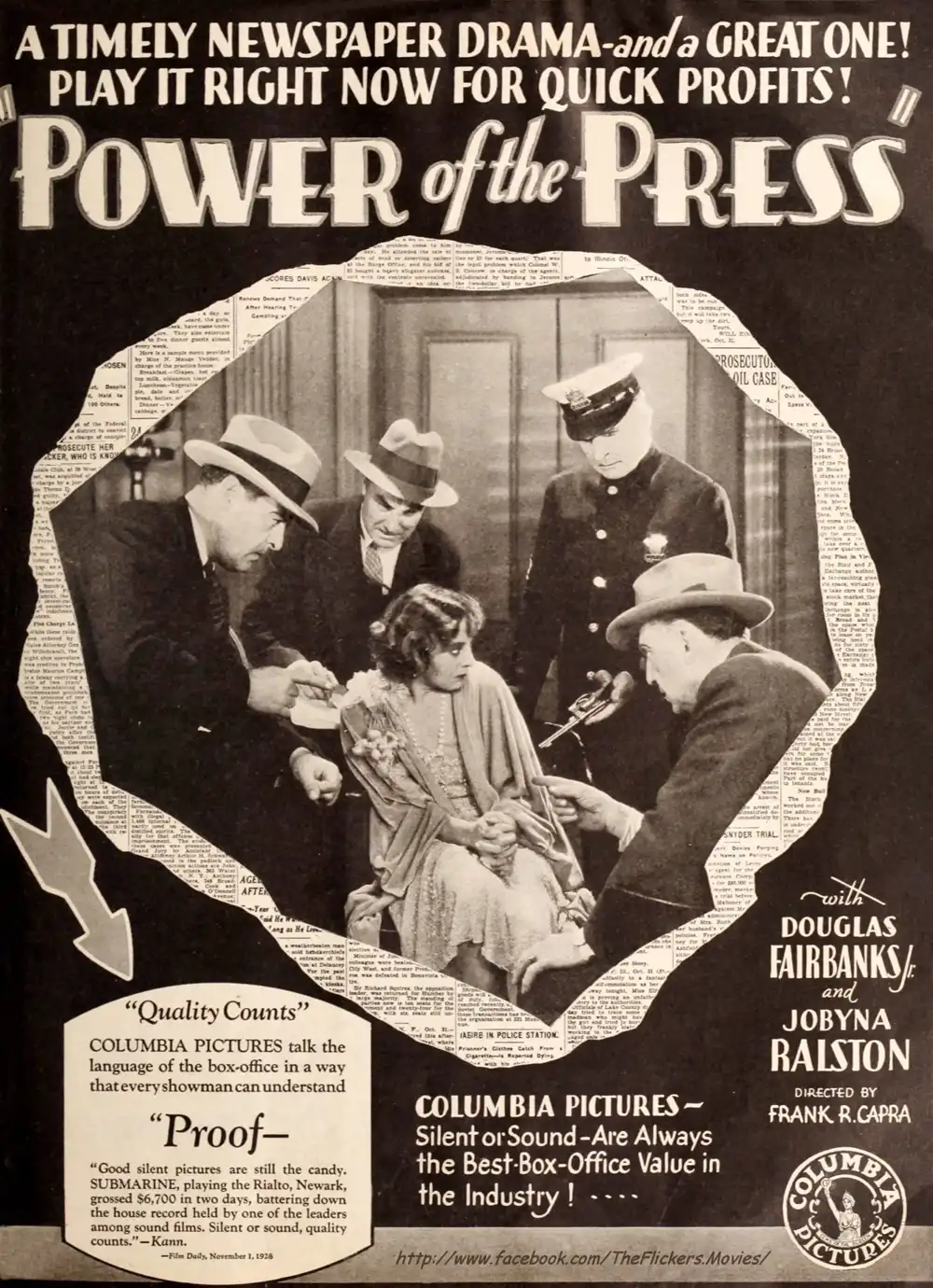
It actually reminds me a bit of The Blue Eagle in how it handles that raw, early-century urban vibe. Everything feels a bit grimy but also weirdly exciting.
There’s a scene where Clem is trying to sneak into a house and he’s so bad at it. Like, he’s literally knocking things over and the movie just keeps going like he’s a ninja.
The way they portray the "press" back then is hilarious. They just walk into crime scenes like they own the place, touching everything and moving bodies around for better lighting.
I kept thinking about Diplomacy while watching this, mostly because of how much the plot relies on people just not explaining themselves for twenty minutes.
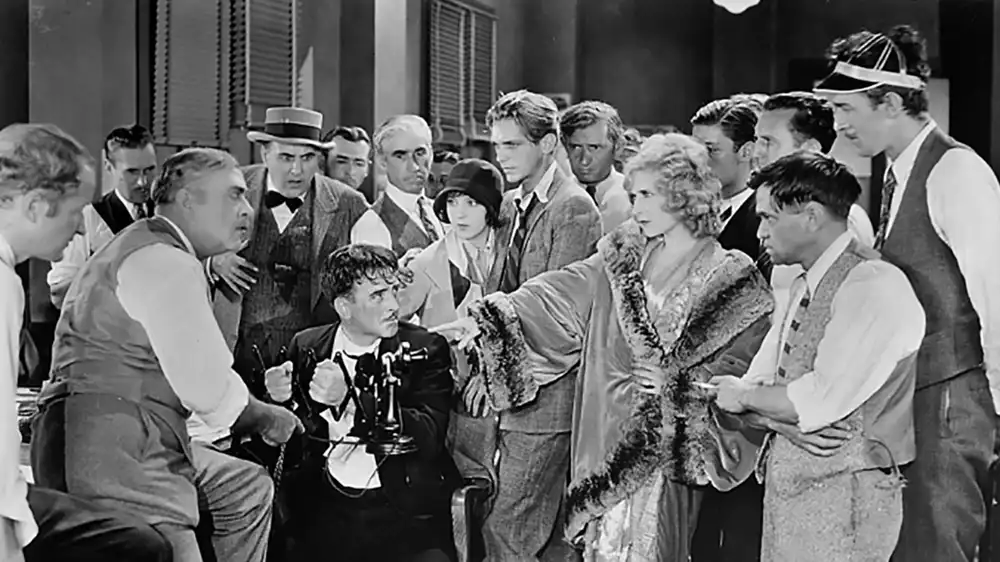
Clem’s editor is this classic grumpy old man who probably eats cigars for breakfast. He’s played by Frank Fanning and he has this one reaction shot when Clem walks in that lasts just a little too long.
It becomes funny because he just stares at him with this look of pure, unadulterated disappointment. We've all had a boss like that, right?
The middle part of the movie drags just a tiny bit when they start doing the actual detective work. I found myself looking at the hats people were wearing instead of listening to the title cards.
Speaking of hats, Douglas Fairbanks Jr. wears his at this angle that seems physically impossible. It’s like it’s glued to the side of his head.
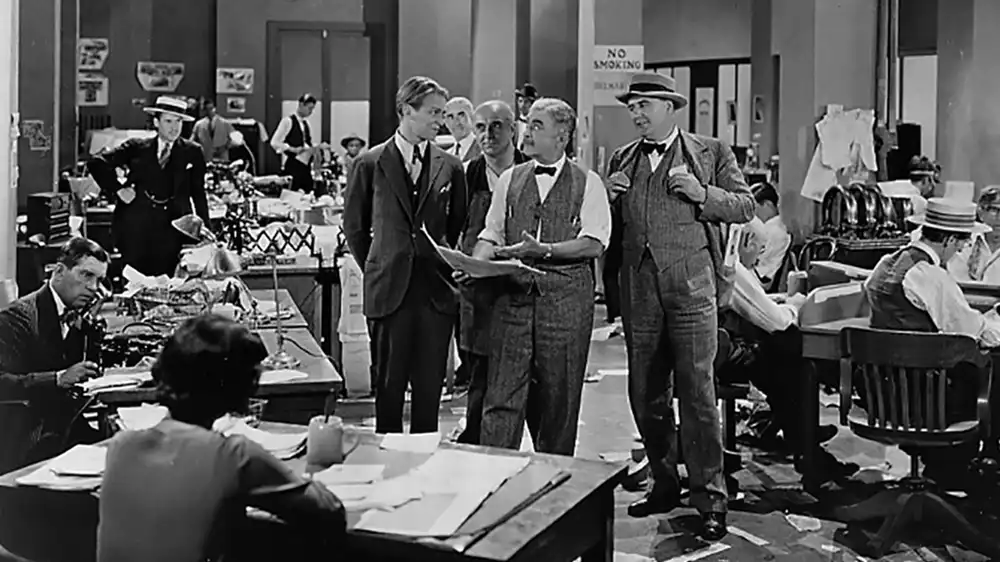
I loved the specific detail of the ink stains on the fingers of the pressmen. It’s a small thing, but it made the whole world feel a bit more real than the usual clean sets of the era.
It’s not as dark as something like The Last Hour, but it has these sudden moments of tension that catch you off guard. Like when Jane realizes her whole reputation is just gone because of one kid’s ego.
The pacing is high-burstiness for sure. One minute they are sitting in a quiet room, and the next, there’s a car chase that looks like it was filmed at 100 miles per hour.
I’m pretty sure the stunt drivers back then were just completely insane. There is a turn they take near the end where the car tilts on two wheels and I actually gasped a little bit.
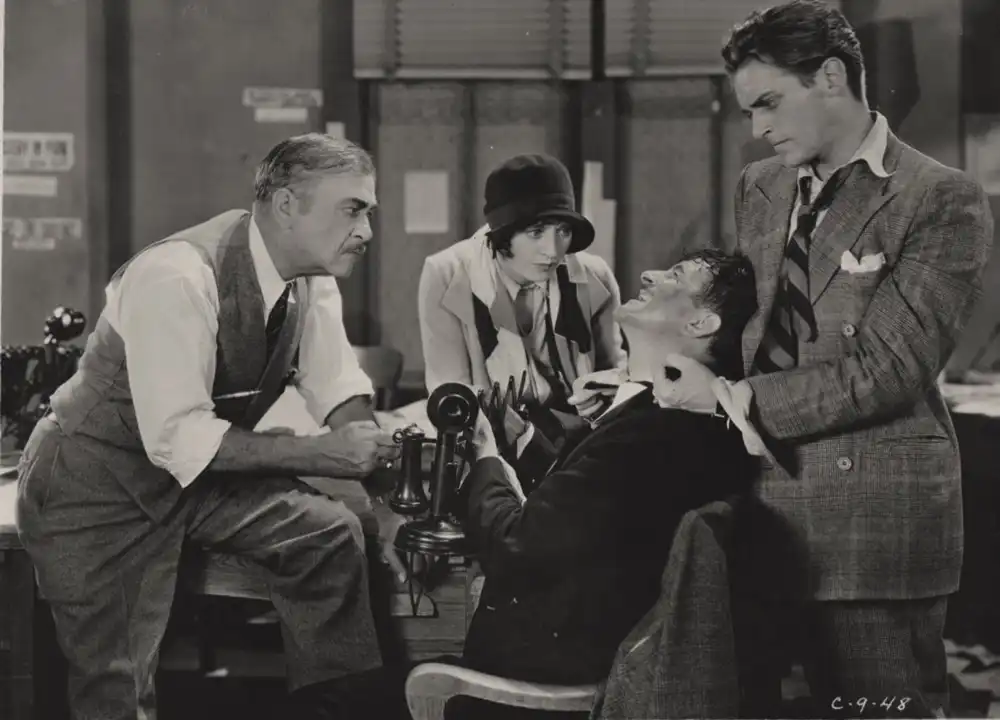
The romance stuff is... fine. It’s that very fast-forward kind of love where they go from "I hate you for ruining my life" to "let's get married" in about six minutes of screen time.
But you don't watch a movie like The Power of the Press for a deep study of the human heart. You watch it to see Douglas Fairbanks Jr. act like a maniac and to see how people in 1928 thought a murder mystery should work.
I actully liked it more than I thought I would. It has this charm that you can’t really fake with big budgets or fancy CGI.
Some of the title cards have typos in them, or at least very weird 1920s grammary. It just adds to the feeling that this was made by people who were just figuring it out as they went.
The lighting in the final act is surprisingly moody. Lots of shadows and long corridors that make it feel almost like a noir before noir was really a thing.
If you've got an hour and want to see where the whole "fast-talking reporter" trope started, give it a look. It’s way more fun than the stuffy history books make it sound.
It’s a bit messy and the ending is wrapped up way too fast, but it’s got heart. And sometimes that’s better than being perfect.
IMDb 6.7
1933
Community
Log in to comment.