DbcultAccessing Vault...
Cult Review
Senior Film Conservator
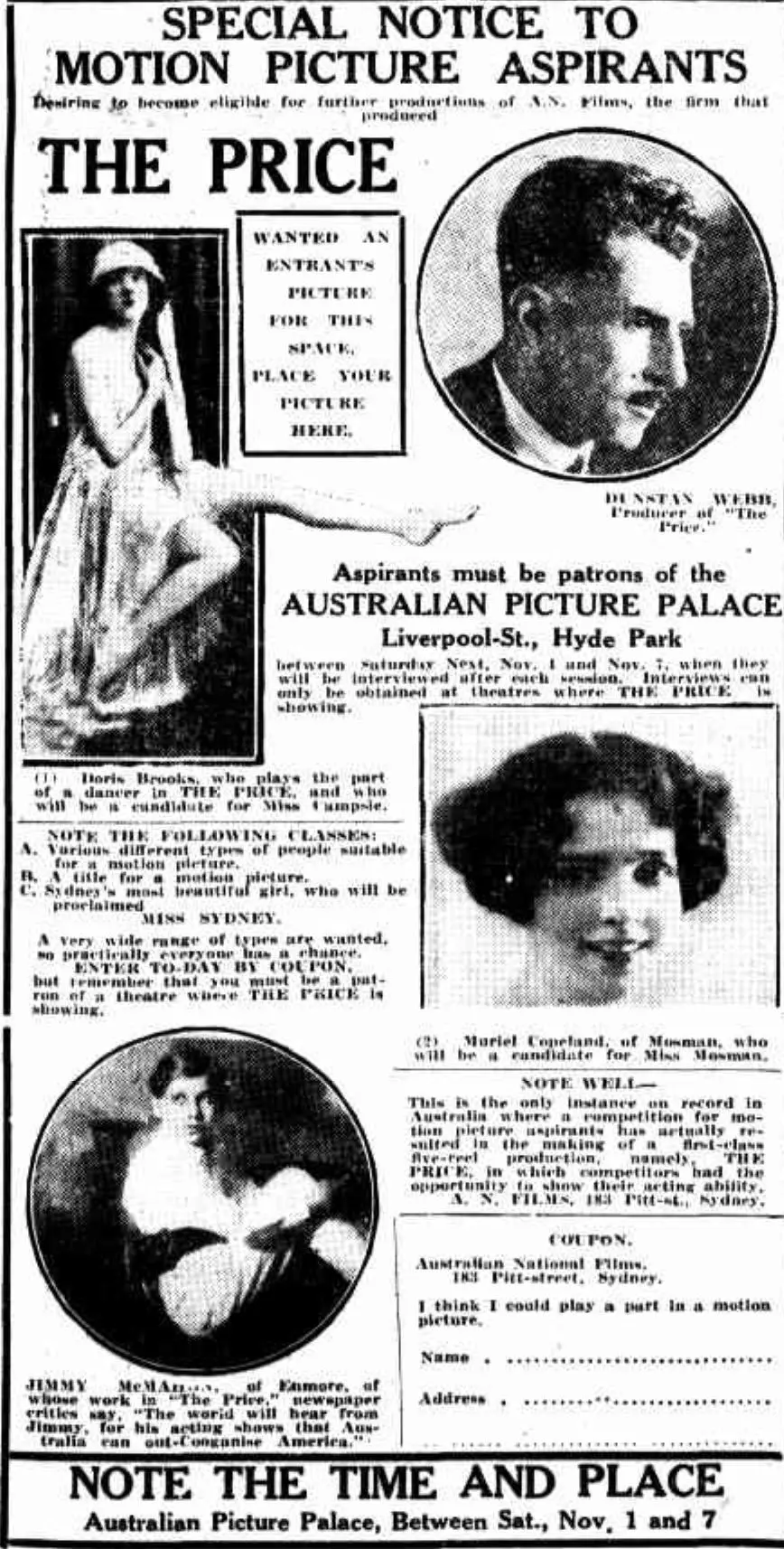
The cinematic landscape of the 1920s was a vibrant tapestry, woven from the threads of innovation, creativity, and a deep understanding of the human condition. It was against this backdrop that The Price, a film of profound emotional depth and complexity, emerged, leaving an indelible mark on the world of cinema. Written by the visionary Mary Mallon, this 1924 masterpiece navigates the intricate dance of human relationships, love, and sacrifice, posing fundamental questions about the true cost of one's desires and the price that must be paid for pursuing them.
At the heart of The Price lies a cast of characters, each uniquely crafted to embody the myriad facets of human emotion. James Alexander, Doris Brooks, and Muriel Copeland deliver performances that are at once poignant, powerful, and deeply moving, bringing to life the writer's vision with a depth and nuance that transcends the silent film era in which it was created.
The narrative of The Price is a testament to the enduring power of storytelling, weaving a complex and engaging tale that explores the very fabric of human connection. As the characters navigate the challenges and triumphs of their lives, the film poses profound questions about the nature of love, sacrifice, and the unyielding pursuit of one's desires, inviting the viewer to reflect on the true cost of their own choices and the price that they must pay.
In comparing The Price to other cinematic masterpieces of the era, such as Chick-Chick and Drag Harlan, it becomes clear that The Price occupies a unique position within the silent film canon. Its thoughtful exploration of human relationships and the consequences of one's actions sets it apart from more lighthearted fare like Sound Your 'A' and Kidding Katie, while its nuanced character development and emotional depth align it more closely with dramatic works like The Victory of Virtue and The Opened Shutters.
Furthermore, the thematic resonance of The Price can be seen in its exploration of societal norms and the moral codes that govern human behavior. This is a theme that is also present in films like Don Quixote and Daring Hearts, where the protagonists must navigate the complexities of their worlds and the expectations placed upon them. In The Price, this theme is particularly poignant, as the characters must confront the consequences of their choices and the price that they must pay for their desires.
The historical context in which The Price was created is also worthy of consideration. The early 20th century was a time of great social change and upheaval, with the aftermath of World War I still being felt and the Roaring Twenties just beginning to take shape. Films like Allies' Official War Review, No. 25 and A Long, Long Way to Tipperary reflect this era's focus on war and its consequences, while The Price offers a more intimate, character-driven exploration of the human experience during this time.
In conclusion, The Price is a film that defies the limitations of its time, presenting a rich, complex, and deeply human story that continues to resonate with audiences today. Its exploration of love, sacrifice, and the true cost of one's desires is both a powerful commentary on the human condition and a testament to the enduring power of cinema to capture and convey the deepest aspects of our shared experience. As such, The Price stands as a masterpiece of the silent film era, a work that invites reflection, contemplation, and a deeper understanding of the intricate, often fraught, landscape of human relationships.
For those interested in exploring more films from this era, Tin Can Alley, The Oval Diamond, and Grandpa's Girl offer unique perspectives on the human experience, each contributing to the rich tapestry of cinematic history. Similarly, international films like Æresgjesten and Den kulørte slavehandler provide a fascinating glimpse into the global cinematic landscape of the 1920s, highlighting the universal themes and emotions that transcend cultural boundaries.
IMDb —
1916
Community
Log in to comment.