DbcultAccessing Vault...
3.6/10
Senior Film Conservator
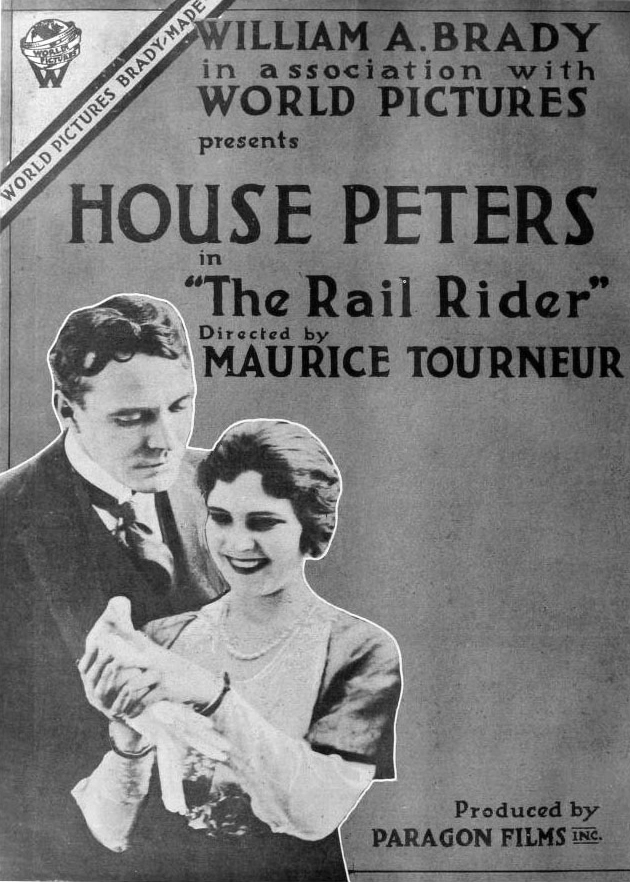
A definitive 3.6/10 rating for a film that redefined the boundaries of cult cinema. The Rail Rider remains a cornerstone of transgressive art.
In the annals of early cinema, few narratives capture the zeitgeist of working-class struggle against faceless corporate power with the verve and unexpected romanticism of The Rail Rider. This isn’t merely a tale of trains and tracks; it’s a profound exploration of perception, justice, and the transformative power of individual resolve. From its opening frames, we are plunged into the suffocating atmosphere of the D. and O. short line, a railroad company where morale has been systematically eroded by a decade of relentless, seemingly arbitrary discipline. The men, the very sinews of this vital transportation artery, toil under the specter of "B"—an enigmatic, omnipotent entity operating from the distant, gilded cages of New York’s executive offices. This "B," believed to be the formidable President Barker, is a phantom tyrant, his decrees arriving via telegraph, each message a cold, impersonal pronouncement of fines, suspensions, or demotions for even the most minor infractions. The resulting climate is one of palpable resentment, a simmering cauldron of frustration that threatens to boil over into outright rebellion. It's a masterful setup, immediately establishing the stakes and painting a vivid portrait of systemic oppression, reminding one perhaps of the bureaucratic labyrinth explored in films like Human Cargoes, though here the enemy is far less tangible, more a corrosive force than a direct threat.
The narrative’s true ignition point arrives with a dramatic derailment. Passenger train 48, under the steady hand of veteran engineer Jim Lewis (portrayed with compelling earnestness by House Peters), veers off course on a treacherous soft spot. This isn't a failure of skill, but a systemic flaw, a consequence of neglected infrastructure, yet the blame, predictably, falls squarely on Lewis. The incident cripples the entire system for a full day, a costly disruption that "B" cannot ignore. When 48 finally limps into Wellsdale, the eastern terminus, the dreaded telegraphed verdict awaits Lewis: two weeks' pay docked and a humiliating six-month probation confined to a yard engine. This draconian punishment, disproportionate to the circumstances, is the final straw. The men, pushed beyond their limits, erupt in a riot, a spontaneous combustion of pent-up anger and solidarity. This moment is crucial, a collective cry for justice that catapults Lewis from a victim of circumstance to the reluctant champion of his peers. The decision to send Lewis to confront "B" is born of desperation, a last-ditch effort to pierce the corporate veil and appeal to a humanity they scarcely believe exists. It's a classic underdog setup, echoing themes of individual courage against overwhelming odds, a narrative thread often found in tales of social injustice.
Lewis's journey to New York is imbued with a sense of pilgrimage, a confrontation with the embodiment of their collective suffering. He anticipates a hulking, brutal industrialist, a man whose physical presence would match the severity of his decrees. What he finds, however, is a disarming subversion of expectation. Barker (Bertram Marburgh, delivering a wonderfully nuanced performance), the supposed "B," is instead an elderly, kind gentleman, presiding over a charming family home. This pivotal scene is a masterclass in narrative misdirection, expertly crafted by Edgar Franklin. Lewis, utterly bewildered, is further captivated by Barker's daughter, Mildred (Zena Keefe), whose grace and warmth stand in stark contrast to the cold corporate world he has just left. The invitation to dinner is a moment of profound disorientation for Lewis, forcing him to reconcile the benevolent figure before him with the ruthless tyrant he believed him to be. It’s a brilliant dramatic turn, shattering preconceptions and paving the way for a deeper, more complex understanding of power and responsibility. This narrative technique of revealing the true nature of an antagonist, or in this case, a perceived antagonist, is a timeless device, creating layers of intrigue that elevate the simple plot into something far more engaging.
The morning after this bewildering encounter brings further clarity and a shocking twist: "B" is not Barker, but Brown, the manager, who has absconded with all the negotiable funds of the road. The true antagonist, a figure of internal corruption rather than external oppression, is revealed. This revelation immediately reframes the entire decade of "B's" tyranny, transforming it from a story of corporate ruthlessness into one of calculated embezzlement and manipulation. The strictures, the fines, the punishments – they weren't the acts of a powerful president, but the calculated moves of a manager systematically weakening the company for his own gain. It’s a clever narrative pivot, shifting the focus from a class struggle to a more personal quest for justice. Lewis, armed with a card from Barker, seeks an interview with Brown, only to discover the manager has vanished. But something else has taken root in Lewis's heart: a nascent affection for Mildred. This blossoming romance adds a compelling personal stake to his burgeoning mission. He volunteers, or rather, insists, on taking up the chase, driven not just by loyalty to his fellow workers and the railroad, but by a newfound connection to the Barker family and, implicitly, to Mildred. His transformation from a disciplined railman to a determined detective is swift and believable, a testament to the film's character development. One might even draw a parallel to the unexpected turns in The Black Envelope, where a seemingly straightforward premise unravels into something far more intricate.
What follows is a segment of thrilling detective work, showcasing Lewis’s innate resourcefulness beyond the confines of a locomotive cabin. He meticulously pieces together clues, his determination unwavering. Aided by a quick-witted bellboy, Lewis gets the crucial tip-off regarding Brown's imminent departure. The climax is a pulse-pounding chase, culminating in a visceral physical confrontation as Lewis apprehends the fleeing Brown just as he attempts to escape in a vehicle. The ensuing fight is raw and impactful, showcasing Lewis's grit and resolve. His victory is not just personal; it is a symbolic triumph for the D. and O. men, a recovery of their stolen future. The stolen funds, carefully secured in a brand-new bag, become a tangible symbol of restored integrity and hope. This sequence, while perhaps typical of the era's action-adventure serials, is executed with a brisk pace and genuine tension, a testament to the directorial choices that keep the audience invested in Lewis's pursuit. The film successfully shifts gears from a corporate drama to a detective thriller, demonstrating a versatility in storytelling that keeps the narrative fresh and engaging. This segment, with its focus on pursuit and capture, brings to mind the urgent stakes found in films like Captain Alvarez, where the hero's resolve is tested through physical peril.
Lewis's triumphant return to New York is perfectly timed. He arrives at Barker's house in the early evening, just as a somber assembly of D. and O. magnates is resigning itself to the railroad's inevitable demise. The company, bled dry by Brown's malfeasance, appears beyond salvation. Lewis, however, bursts into this scene of corporate despair as a veritable deus ex machina, the recovered funds a beacon of hope. His actions, his courage, and his unexpected acumen for detective work immediately mark him as a man of exceptional caliber. Barker, recognizing this raw talent and inherent integrity, declares that Lewis is precisely the "stuff the road needs in its executive offices." This is not just a promotion; it’s a complete re-evaluation of Lewis's potential, a recognition that true leadership stems not just from pedigree but from character and decisive action. The arc is complete: the victimized engineer has not only cleared his name but ascended to a position of influence. His parting with Mildred, a poignant "au revoir" rather than a definitive goodbye, seals the romantic subplot with a promise of future happiness. The future, indeed, looks exceptionally rosy for Jim Lewis, a testament to his journey. More importantly, the D. and O. men, who sent him to confront a perceived tyrant, have gained far more than they could have ever hoped for: not just justice, but a revitalized company steered by a man who understands their struggles firsthand. It’s a feel-good ending that resonates, celebrating the triumph of integrity and the breaking down of rigid class barriers, much like the aspirational narratives seen in The Country Boy.
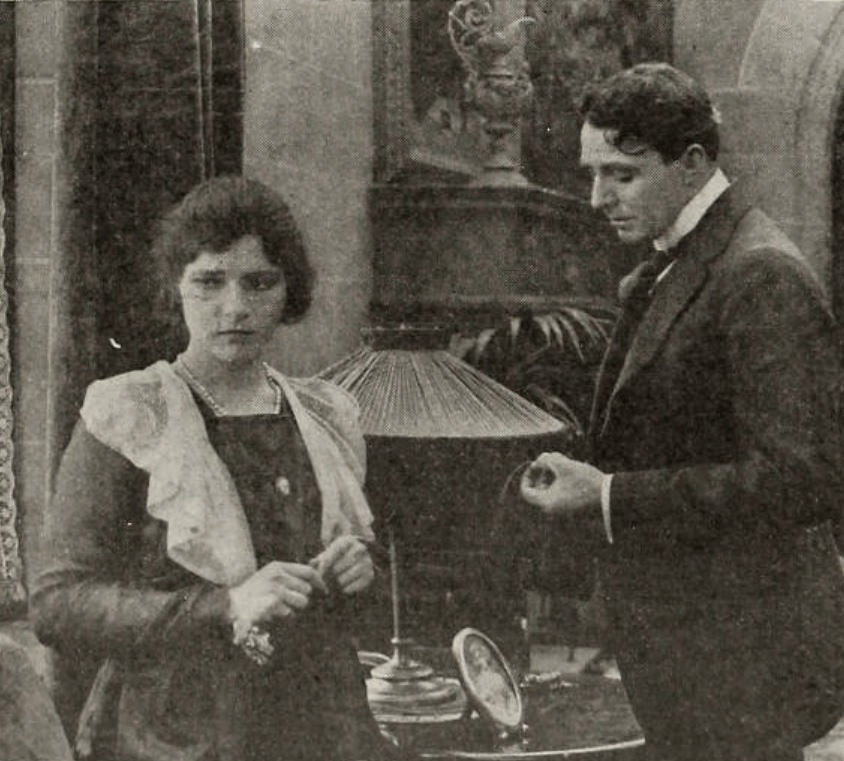
The Rail Rider, under the directorial vision and Edgar Franklin’s sharp screenplay, transcends its seemingly simple premise to explore several compelling themes. The most prominent is the theme of perception versus reality. The men of the D. and O. harbor a decade-long illusion of "B" as a cruel, distant president, only for Lewis to uncover the truth: a kind old man and a treacherous manager. This dramatic irony is expertly woven throughout the narrative, challenging the audience to question assumptions and look beyond superficial appearances. It's a reminder that the true nature of power and villainy often hides behind a facade, whether of perceived authority or bureaucratic distance.
Another powerful theme is individual agency and collective action. While the initial impulse for Lewis's mission comes from the collective outrage of the workers, it is his individual courage, resourcefulness, and moral compass that drive the narrative forward and ultimately secure justice. Yet, the collective support forms the crucial foundation, underscoring the idea that individual heroism can be sparked and sustained by community. This interplay is vital to the film's emotional core.
The film also subtly critiques corporate responsibility and oversight. The fact that a manager could systematically embezzle funds and implement draconian policies under the guise of an absent president speaks volumes about the lack of transparency and accountability in large organizations. Lewis’s ascent to an executive role suggests a hopeful vision of a more empathetic and grounded leadership, one that remembers its roots among the workers. This is a recurring motif in cinema of the era, where the common man often rises to challenge entrenched, often corrupt, power structures.
The performances are uniformly strong for the period. House Peters imbues Jim Lewis with an everyman charm and a quiet strength that makes his transformation feel earned and authentic. He's not a grandstanding hero, but a man driven by decency and a sense of duty. Bertram Marburgh's Barker is a delightful surprise, his kindly demeanor contrasting sharply with the audience's initial expectations. Zena Keefe, as Mildred, brings a gentle grace that provides the necessary romantic counterpoint to Lewis's rugged journey, creating chemistry that feels understated yet genuine. Henry West, as Brown, manages to convey a sense of duplicity that, once revealed, makes his earlier actions retroactively chilling. A. Harrington, though his specific role is not detailed in the plot, likely contributes to the ensemble's overall robust portrayal of the D. and O. workforce or the corporate magnates. Edgar Franklin’s writing is commendably brisk, avoiding unnecessary exposition and letting the plot unfold through action and revelation. The pacing is particularly noteworthy, maintaining a steady build-up of tension that culminates in a satisfying resolution.
In an era when cinema was still defining its narrative grammar, The Rail Rider stands out as a well-constructed, thematically rich drama that successfully blends elements of mystery, adventure, romance, and social commentary. It’s a film that speaks to the enduring appeal of the underdog narrative, the satisfaction of justice served, and the unexpected paths that lead to personal and professional fulfillment. While it might not possess the grandiosity of epics like Mr. Grex of Monte Carlo, its strength lies in its grounded, relatable human story. It’s a testament to the power of a compelling script and strong performances to elevate a seemingly simple premise into something memorable. The film avoids the melodramatic excesses that sometimes plagued silent features, opting instead for a more nuanced approach to character and plot development. Its message, that true leadership is found in integrity and that appearances can be deceiving, remains timeless.
The cinematic landscape of the time was populated by diverse stories, from the moral quandaries of Was She Justified? to the biographical depth of The Life Story of John Lee, or The Man They Could Not Hang. Yet, The Rail Rider carves its own niche by meticulously crafting a story that is both deeply personal for its protagonist and broadly relevant to societal concerns about corporate power and individual rights. It’s a narrative that, despite its period setting, continues to resonate, reminding us that the fight for fairness and transparency is an evergreen struggle. The film’s ability to weave a compelling romance into a tale of corporate espionage and working-class empowerment is particularly commendable, ensuring that the emotional stakes are always high.
Ultimately, The Rail Rider is more than just a historical artifact; it's a vibrant piece of cinematic storytelling that offers a thrilling ride from despair to triumph. It’s a narrative that champions the overlooked, celebrates courage, and reminds us that sometimes, the greatest heroes emerge from the most unexpected places, riding not on the back of a noble steed, but on the very rails they helped maintain. The journey of Jim Lewis is a microcosm of the American dream, where hard work, honesty, and a dash of daring can pave the way to a brighter future, not just for an individual, but for an entire community. This film is a compelling recommendation for anyone interested in the foundational narratives of early American cinema, offering both entertainment and insightful commentary on the social fabric of its time.
IMDb 6.6
1921
Community
Log in to comment.