DbcultAccessing Vault...
Cult Review
Senior Film Conservator
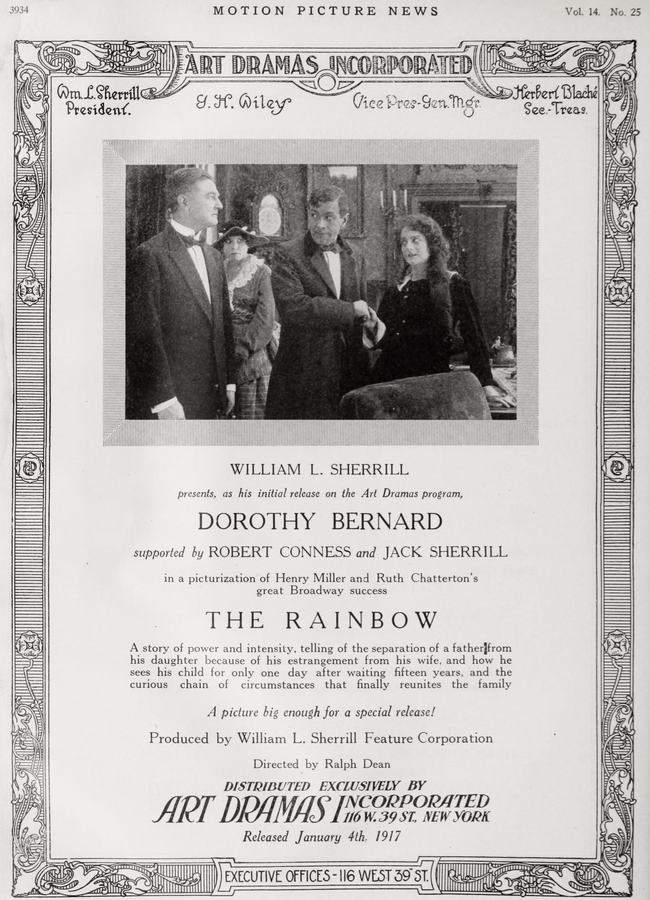
Stepping back into the nascent years of cinematic storytelling, we encounter 'The Rainbow' (1917), a silent film that, despite its age, unfurls a remarkably intricate and emotionally resonant narrative. In an era often characterized by overt melodrama and theatrical performances, this particular feature distinguishes itself through its nuanced exploration of marital discord, financial ruin, and the arduous path to reconciliation. It’s a testament to the enduring power of human drama, proving that even without synchronized sound, a compelling plot and well-drawn characters can captivate and move an audience.
The film plunges us into the tumultuous lives of Neil Sumner and his wife, Ruth, as their six-year marriage buckles under the weight of incompatibility. This initial fracture sets the stage for a cascading series of events, each more devastating than the last, drawing parallels to other dramas of the period where societal expectations clashed with individual desires. One might consider the intricate interpersonal dynamics found in films like The Weavers of Life, which also explored the delicate threads binding human relationships. The separation, though painful, seems almost a logical, if regrettable, outcome for a couple who, despite their vows, find themselves adrift in a sea of mutual misunderstanding.
Central to the film's early tragedy is Ruth’s brother, Dick Harcourt, a character whose moral compass is irrevocably skewed by an insatiable appetite for riotous living. Entrusted with the sacred duty of managing Ruth’s privately owned estate – a solemn obligation bestowed upon him by their late father’s will – Dick instead embarks on a path of systematic dissipation. His actions are not merely irresponsible; they represent a profound betrayal of trust, a corrosive force that eats away at the very foundation of his sister’s financial security. The narrative here echoes the cautionary tales of fiscal irresponsibility, reminiscent of themes explored in The Toll of Mammon, where the destructive allure of wealth and its mismanagement often lead to ruin. Dick’s downward spiral accelerates, culminating in a significant monetary loss to Neil Sumner – an ironic twist given Neil’s estranged status from Ruth. Cornered by his own imprudence and facing the precipice of absolute destitution, Dick chooses the ultimate escape: suicide.
This tragic act, however, rather than clarifying the intricate web of deceit, further obfuscates Ruth’s perception. In a devastating misdirection of grief and anger, she lays the blame squarely at Neil’s feet, convinced that his actions somehow precipitated her brother’s untimely end. This moment is crucial, highlighting the film’s exploration of subjective truth and the damaging consequences of unchecked emotional responses. Ruth’s decision to pursue a divorce, fueled by this misapprehension, solidifies the chasm between her and Neil, seemingly sealing their fate in separate worlds.
While Ruth retreats to London with their daughter, Cynthia, Neil finds himself adrift in the superficial currents of New York’s so-called "fast set." This period of his life, marked by social engagements and perhaps a degree of escapism, stands in stark contrast to the quiet, dignified sacrifice he is about to undertake. The true measure of Neil’s character emerges not in grand pronouncements, but in a moment of profound, selfless generosity. A letter left by Dick, addressed to the family lawyer, Mr. Fellowes, finally brings the devastating truth to light: Ruth’s entire fortune has been squandered. Fellowes, a mutual friend and a man of integrity, imparts this grim news to Neil, expressing concern for Ruth’s future.
In a truly remarkable display of compassion and unwavering commitment, Neil offers to continue paying the dividends on all the stocks Ruth still believes she owns. This act is not born of a desire for recognition or a plea for reconciliation at this stage; it is a silent, magnanimous gesture, a testament to a deeper affection and responsibility that transcends the bitterness of their separation. He becomes her unseen benefactor, shielding her from the harsh reality of her brother’s defalcation. This hidden kindness, a thread of light in the narrative’s darkening tapestry, is a powerful thematic element, emphasizing the often-unseen sacrifices made for love and family.
Ruth and Cynthia’s return to New York reintroduces them into Neil’s orbit, though not without further complications. Neil’s sister, Betsy, who harbors a deep affection for Ruth, orchestrates a visit between Cynthia and her father. Cynthia, delighted by the prospect, arrives at Neil’s house amidst a lively party, a scene that subtly underscores the contrasting lifestyles of the estranged couple. Neil’s decision to reopen his Port Washington home, previously closed since Ruth’s departure, hints at a longing for a semblance of normalcy, if not outright reconciliation. Yet, the fickle hand of fate, or perhaps the pervasive nature of societal judgment, continues to sow discord.
A seemingly innocuous incident involving Cynthia highlights the destructive power of gossip. Encountered on the street by some of Neil’s sporting friends, Cynthia, in her guileless innocence, accepts an invitation for refreshment at the Red Lion Inn. Neil, passing by, spots the group leaving and, ever the protective father, takes Cynthia home in his car, accompanied by Mrs. Palmer – a woman whose name has been unfortunately linked with his in local town topics. This seemingly innocent act is, for Ruth, the final straw. Reading the same gossip, she misinterprets the situation, concluding that Neil’s association with Mrs. Palmer poses a threat to Cynthia’s well-being. This immediate leap to judgment, fueled by past hurts and societal whispers, propels Ruth to make another drastic decision: to take Cynthia and return to London, once again putting distance between them. It’s a poignant illustration of how external perceptions and rumor can derail even the most well-intentioned actions, trapping individuals in a cycle of misunderstanding, much like the societal pressures depicted in The Years of the Locust.
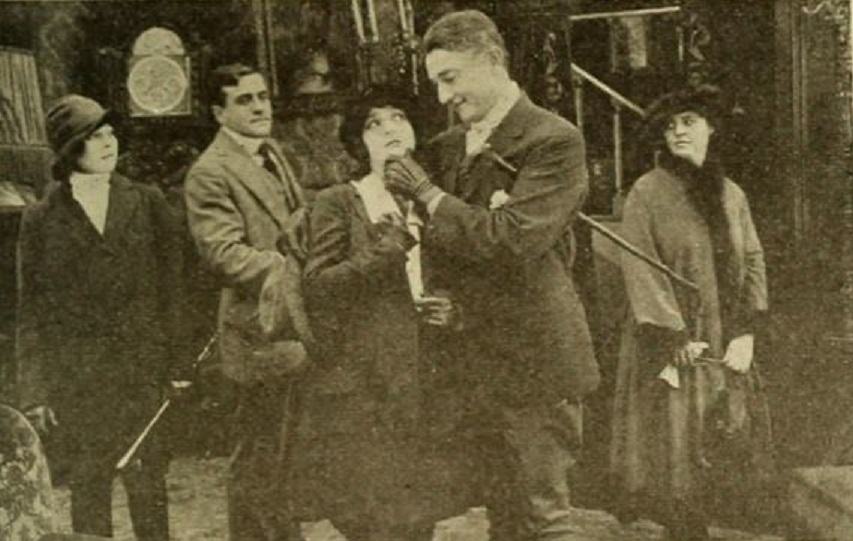
Several months later, destiny intervenes, bringing Neil to London, where he once again encounters Mr. Fellowes. The lawyer, who has tirelessly worked to mend the fractured relationship between Neil and Ruth, seizes this opportune moment. He devises a plan: to take Neil to Ruth’s home and, at last, reveal the truth of Neil’s sustained generosity. The stage is set for a dramatic unveiling. As Fellowes and Neil discuss the intricate logistics of restoring Ruth’s fortune without her ever discovering Neil’s long-standing support, Ruth inadvertently overhears their conversation. The revelation must have been a seismic shock, shattering her preconceived notions of Neil and forcing a reevaluation of all past events. This moment of truth, a staple of dramatic narrative, is handled with a delicate touch, allowing the audience to feel the weight of Ruth’s dawning comprehension.
The climax is beautifully orchestrated by the innocent intervention of Cynthia. Hearing her father’s voice, she bursts into the room, embracing him with an almost frantic joy. Her announcement – that she is to be married the very next day and will bring her fiancé for his approval – injects a vibrant burst of life and hope into the emotionally charged atmosphere. When she returns with her fiancé, Neil has just concluded an impassioned, though seemingly unsuccessful, plea to Ruth for the restoration of their happiness. It is Cynthia’s pure, uncomplicated love for both her mother and father that serves as the ultimate catalyst. Her presence, a living embodiment of their shared past and potential future, bridges the chasm of years of misunderstanding and resentment. The film culminates in this tender tableau, where the sweet, innocent affection of a young girl for her parents brings about a truly beautiful and happy ending, much like the theme of redemption and familial reunification often seen in films such as Going Straight.
In the silent film era, the onus of conveying complex emotions fell heavily upon the actors’ facial expressions, body language, and the director's ability to frame and pace the narrative effectively. While specific performance details for the cast – H. Conway Wingfield, Robert Conness, Jean La Motte, Jack Hopkins, Eleanor Gist, Jean Stuart, Dorothy Bernard, Jack Sherrill, and Marion Adams – are often lost to time or generalized in historical accounts, the plot of 'The Rainbow' provides ample opportunity for powerful dramatic portrayal. The anguish of Ruth, the quiet resolve of Neil, the reckless abandon of Dick, and the innocent joy of Cynthia all demand a nuanced approach to acting without dialogue. The effectiveness of the film would have hinged on the actors' ability to communicate these internal states through exaggerated yet believable gestures, ensuring the audience empathized with their plights and celebrated their triumphs.
The direction, presumably by one of the writers Thomas J. Kelly or A.E. Thomas (though directorial credits were sometimes fluid in early cinema), would have been crucial in guiding these performances and shaping the visual storytelling. Close-ups would have emphasized crucial emotional beats, while wider shots would have established the contrasting environments of Neil’s fast-paced New York life and Ruth’s more somber existence in London. The use of intertitles, the textual explanations interspersed throughout silent films, would have provided necessary exposition, but the true artistry lay in minimizing their reliance, allowing the visual narrative to speak for itself. The film’s ability to build tension, convey betrayal, and ultimately deliver a cathartic resolution speaks volumes about the craftsmanship involved.
'The Rainbow', while a product of its time, touches upon universal themes that transcend the decades. The fragility of marriage, the destructive power of financial recklessness, the corrosive nature of gossip, and the redemptive force of unconditional love and forgiveness are as relevant today as they were over a century ago. The film subtly critiques the superficiality of social circles and the ease with which misunderstandings can escalate into deep-seated resentment. Neil’s quiet heroism, his willingness to provide for Ruth despite her animosity and ignorance, stands as a powerful counterpoint to Dick’s self-serving actions. It champions the idea that true love is often expressed through sacrifice and unwavering support, even when unacknowledged. The film also highlights the innocence of children as a powerful, unifying force, capable of mending the deepest rifts between adults.
In an era of rapid social and technological change, 'The Rainbow' offered its audience a narrative that was both escapist and deeply reflective of human nature. Its resolution, driven by the pure love of Cynthia, is a testament to the enduring hope that even after the darkest storms, a rainbow of reconciliation can emerge. It reminds us that perception can be a dangerous lens, distorting reality and fueling unnecessary conflict, and that sometimes, the greatest acts of love are performed in silence, awaiting the opportune moment for revelation. This silent drama, therefore, is more than just a historical artifact; it is a timeless exploration of the human heart, its capacity for both profound error and extraordinary grace, leaving a lasting impression on anyone who delves into its narrative depths.
Indeed, the film’s exploration of financial ruin and its devastating impact on familial relationships finds echoes in other cinematic works of the period. One could draw parallels to From the Valley of the Missing, where the absence of a loved one often stems from circumstances rooted in fiscal despair. The theme of moral responsibility and the consequences of one's actions, whether selfish or selfless, is a recurring motif that 'The Rainbow' handles with a certain gravitas, even amidst the conventions of early cinema. The journey of Ruth, from victim of betrayal to recipient of a quiet, enduring love, offers a compelling character arc that would influence countless narratives to follow.
Ultimately, 'The Rainbow' stands as a poignant reminder of cinema’s early power to weave intricate emotional tapestries. It’s a compelling piece of silent film history that, through its detailed plot and well-developed characters, manages to convey a message of hope, forgiveness, and the enduring strength of familial bonds, even when tested by the most challenging of circumstances. Its narrative structure, which meticulously builds layer upon layer of misunderstanding and hidden benevolence, culminates in a deeply satisfying and emotionally resonant conclusion. A true gem from the formative years of film, it continues to speak to audiences about the complexities of human relationships and the possibility of redemption, even when all seems lost.
IMDb 6
1936
Community
Log in to comment.