DbcultAccessing Vault...
3.7/10
Senior Film Conservator
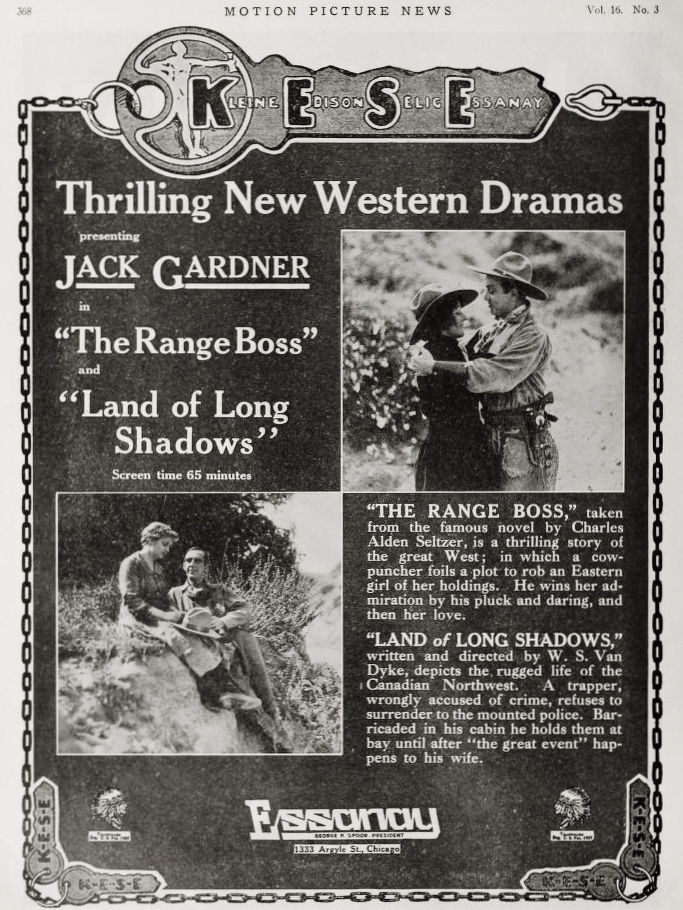
A definitive 3.7/10 rating for a film that redefined the boundaries of cult cinema. The Range Boss remains a cornerstone of transgressive art.
In the nascent days of cinematic storytelling, the American West provided an inexhaustible wellspring of narratives, a canvas upon which tales of rugged individualism, burgeoning romance, and stark moral conflict were painted with broad, sweeping strokes. Among these early entries, W.S. Van Dyke’s 1916 silent feature, The Range Boss, stands as a testament to the enduring allure of the frontier mythos. Penned by the prolific Charles Alden Seltzer, a master of the Western genre in print, and adapted for the screen by Van Dyke himself, this film encapsulates many of the archetypal elements that would come to define the genre for decades. It’s a fascinating glimpse into a period where the cinematic language was still being invented, yet its emotional beats and narrative momentum remain surprisingly potent.
The premise, while familiar to modern audiences steeped in Western lore, held a particular resonance for its contemporary viewers. The stark dichotomy between the 'civilized' East and the 'primitive' West is immediately established, a thematic cornerstone that permeates the entire film. Ruth Harkness, played with a compelling blend of innocence and burgeoning fortitude by Ruth King, arrives from the sophisticated climes of the East, inheriting the Flying W ranch. She's not alone; her entourage includes a pair of archetypally stuffy aunt and uncle figures, and her fiancé, Willard Masten (Carl Stockdale), whose sartorial choices are a comedic, yet telling, indicator of his detachment from the harsh realities of the frontier. Masten’s 'Fifth Avenue' take on Western wear serves as a visual metaphor for his superficial understanding of the world he’s entered – a world far removed from the manicured lawns and genteel society he knows.
This initial contrast isn't merely for comedic effect; it sets the stage for the inherent vulnerability of Ruth and her party. They are lambs brought to the slaughter, metaphorically speaking, as two unscrupulous cowboys immediately perceive an opportunity to exploit the naïve newcomer. This conspiracy to 'mulct the girl of her holdings' is a classic narrative device, echoing tales of land grabs and exploitation that were very much a part of the historical West. It’s a plot point that finds parallels in many silent era dramas where innocent protagonists are thrust into treacherous situations, much like the unsuspecting heroine in The Mystery of the Yellow Room, albeit with a distinctly Western flavor.
Enter Rex Randerson, portrayed by Jack Gardner, the quintessential 'happy-go-lucky ranger with a clear-gray eye.' Randerson is the embodiment of the Western hero – capable, morally upright, and possessing an innate understanding of the land and its people. His intervention is both timely and pivotal, frustrating the initial plot against Ruth. It is here that the film transitions from a mere tale of villainy to a budding romance, as Randerson inevitably falls for Ruth. The chemistry, though conveyed through the often exaggerated gestures and expressions typical of silent cinema, is palpable. Their connection is forged in shared peril, a narrative trope that has captivated audiences for centuries and remains effective even today. The immediate attraction between the rugged individualist and the refined Easterner is a hallmark of the genre, symbolizing the potential for a new American identity born from the fusion of old-world charm and frontier grit.
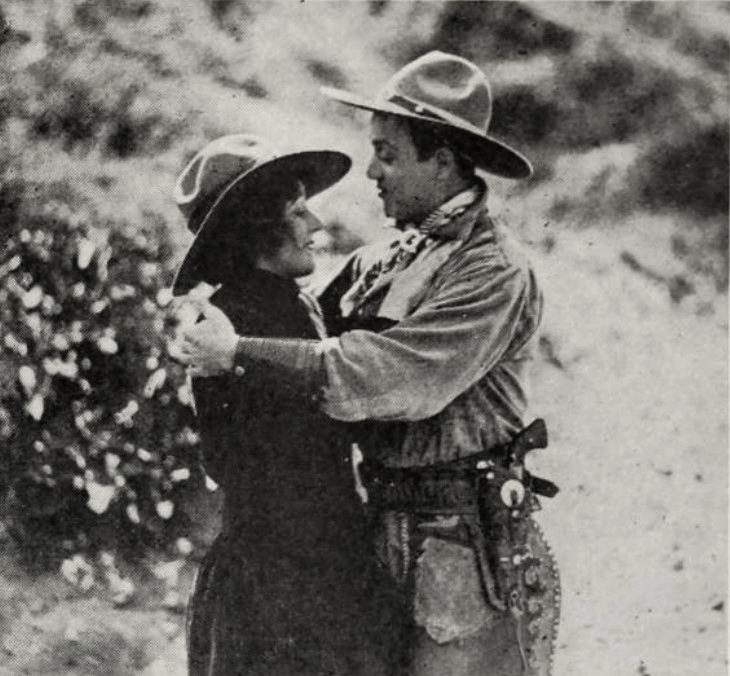
This burgeoning romance, however, serves as a catalyst for escalating conflict. Willard Masten, Ruth’s fiancé, is not merely a fop; he is a man whose vanity and possessiveness are easily inflamed. His rage at losing Ruth's affection to Randerson drives him to a desperate act: he joins forces with the very conspirators who sought to defraud his fiancée, expanding their plot to include Randerson’s death. This transformation of Masten from a somewhat pathetic figure to a truly villainous one is a compelling character arc, demonstrating how wounded pride can lead to profound moral corruption. It elevates the stakes considerably, moving beyond mere financial chicanery to a deadly struggle for survival and love. Such dramatic shifts in character, though sometimes abrupt in early cinema, were powerful tools for engaging audiences.
The collaborative effort between Charles Alden Seltzer and W.S. Van Dyke is particularly noteworthy. Seltzer’s literary prowess in crafting vivid Western narratives provided a strong foundation, rich in character archetypes and dramatic situations. His understanding of the genre's appeal – the allure of the untamed, the clear delineation between good and evil, the triumph of justice – translated effectively to the screen. Van Dyke, even in these early years, was demonstrating the directorial flair that would make him famous for his efficient, often spectacular, productions. His ability to stage action sequences and convey emotional depth without dialogue required a keen visual sense and an understanding of pacing. The 'death trap' sequence, where Ruth and Randerson are cornered, would have relied heavily on visual storytelling, tension building through intercutting and the actors' expressions.
The film’s narrative structure, with its clear progression from introduction to conflict, rising action, climax, and resolution, is a textbook example of classical Hollywood storytelling, even before Hollywood fully solidified its conventions. The initial comedic elements surrounding Masten give way to genuine suspense and danger, culminating in a dramatic confrontation. This balancing act of tone, moving from lighthearted fish-out-of-water scenarios to life-or-death struggles, is skillfully managed. The audience is invited to laugh at Masten’s expense initially, only to later despise his treachery, creating a more nuanced emotional experience than a simple good-versus-evil narrative might otherwise provide.
The climax of The Range Boss is a pure distillation of Western heroism. Trapped and seemingly lost, Ruth and Randerson face their demise. Yet, it is Randerson’s 'fearlessness in a single-handed battle with the villains' that ultimately saves the day. This scene, though we can only imagine its full visual impact from the synopsis, clearly taps into the enduring fantasy of the lone hero overcoming impossible odds. It’s a trope that resonates deeply within the genre, from the stoic gunfighter to the intrepid lawman. The victory isn't just physical; it's a moral triumph, reaffirming the values of courage, loyalty, and justice over greed and betrayal. This kind of decisive, heroic action is a cornerstone of the Western, much like the daring rescues found in films such as A Motorcycle Adventure, though with a distinctively rugged, frontier flavor.
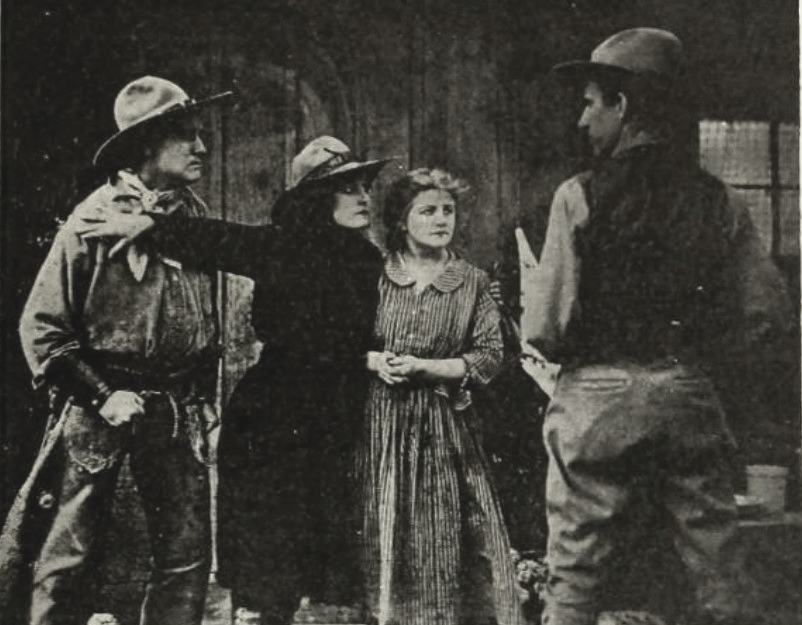
The resolution, an 'old-fashioned cowboy wedding,' serves as the perfect capstone to this adventure. It’s a symbolic union not just of two individuals, but of two worlds: Ruth, the representative of Eastern refinement, and Rex, the embodiment of Western strength and virtue. Their marriage signifies the harmonious integration of these disparate elements, suggesting a future where the best of both worlds can thrive. It’s a romantic ideal, perhaps, but one that audiences of the era found deeply satisfying. The wedding is not just a personal triumph for the protagonists; it’s a communal celebration, affirming the establishment of order and love in a land that was, only moments before, fraught with danger and deceit. This optimistic conclusion, a hallmark of many early Hollywood productions, provided a comforting sense of closure and justice to audiences.
The performances, particularly from Ruth King as Ruth Harkness and Jack Gardner as Rex Randerson, would have been crucial in conveying the film’s emotional core. In silent cinema, actors relied heavily on expressive facial movements, grand gestures, and body language to communicate thoughts and feelings. King’s portrayal of Ruth would have needed to evolve from wide-eyed naivete to determined resolve, showcasing her growth in the harsh crucible of the West. Gardner, conversely, would have embodied the confident, almost nonchalant heroism that defines Randerson, making his moments of intense action all the more impactful. Carl Stockdale’s Masten would have required a nuanced performance, transitioning from a merely undesirable fiancé to a genuinely malevolent force, a difficult balance to strike without spoken dialogue.
Thematically, The Range Boss explores several enduring ideas. The clash between East and West, as mentioned, is paramount. It’s a narrative about adaptation, about the necessity of shedding preconceived notions and embracing the realities of a new environment. Ruth’s journey is one of self-discovery, where the superficial trappings of her former life are stripped away, revealing an inner resilience. Greed, a timeless human failing, is another central theme, driving the villains’ actions and threatening to corrupt even those who initially appear harmless. Ultimately, the film champions heroism, loyalty, and the power of genuine affection to overcome adversity. These themes are universal, yet they are given a distinctively American flavor through the Western setting, resonating with a national identity still grappling with its frontier legacy.
As a product of its time, The Range Boss contributes to the rich tapestry of the silent era Western. These films, often produced with remarkable speed and efficiency, were instrumental in shaping public perception of the West, creating enduring myths and archetypes that persist to this day. They offered escapism, adventure, and clear moral lessons in a rapidly changing world. While specific techniques like parallel editing or close-ups were still evolving, the emotional impact and narrative clarity of films like this one demonstrate the early mastery of visual storytelling. It’s a film that, despite its age and the absence of sound, speaks to fundamental human desires for justice, love, and belonging.
Comparing it to other films of the era, one can see how it fits within the broader cinematic landscape. Like The Trail of the Lonesome Pine, another 1916 release, it explores the allure and dangers of wilder, less settled regions, often through the eyes of an outsider. Both films feature dramatic landscapes and the clash of cultures, albeit with different specific settings. The core dynamic of an innocent coming to terms with a more brutal reality, aided by a rugged hero, is a formula that proved incredibly popular. The film also shares thematic ground with tales of personal transformation through adversity, echoing the journeys seen in films like A Man's Man, where protagonists are forced to confront their true character when faced with challenging circumstances. The villainy of Masten, driven by jealousy and avarice, is a common thread that runs through many melodramas of the period, demonstrating the enduring power of human flaws as narrative engines.
In conclusion, The Range Boss is more than just a historical curiosity; it is a vibrant piece of early cinema that effectively delivers on the promises of its genre. Its narrative, though straightforward, is packed with compelling character dynamics, escalating stakes, and a satisfying resolution. It showcases the foundational elements of Western storytelling – the clash of civilizations, the battle against greed, and the triumph of the heroic spirit – all rendered through the unique expressive power of the silent screen. For anyone interested in the origins of the Western or the evolution of cinematic narrative, this film, even in its summarized form, offers a fascinating and rewarding journey into the heart of the American myth.
IMDb 7
1929
Community
Log in to comment.