DbcultAccessing Vault...
Cult Review
Senior Film Conservator
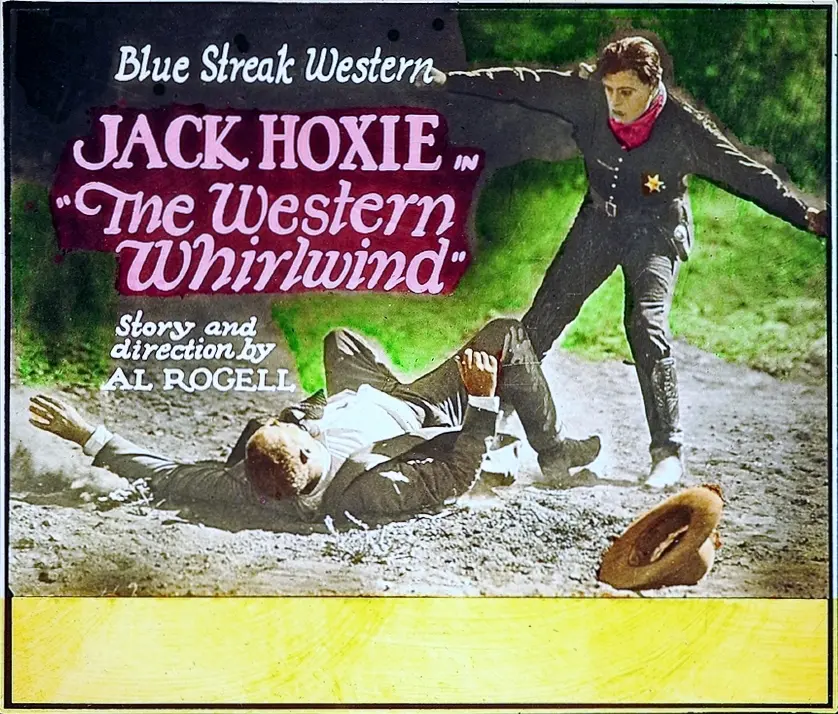
Is The Western Whirlwind worth watching today? Short answer: yes, but with significant caveats that speak to its age and the specific tastes required for silent cinema. This film is an absolute must-see for dedicated aficionados of early Westerns, silent film historians, and those intrigued by the foundational narratives of American mythology, yet it will likely prove a challenging, perhaps even tedious, experience for casual viewers accustomed to modern pacing and sound design.
Early on, it's crucial to establish the landscape of our critical assessment for The Western Whirlwind.
Harrison Jacobs’ The Western Whirlwind is more than just another entry in the vast catalogue of early 20th-century Westerns; it's a fascinating artifact that showcases the nascent power of cinematic storytelling. Released at a time when the genre was still finding its spurs, this film leans heavily into the archetypal hero’s journey, albeit with a refreshing maternal twist.
The plot, while straightforward, is executed with a relentless drive that propels Jack Howard’s quest for vengeance. We meet Jack, played by the stoic Jack Hoxie, returning from the war only to be plunged into a personal war at home. His father, the respected Sheriff Howard, has been murdered, and the town of Gold Strike is under the thumb of a virulent gang led by the menacing Jeff Taylor, embodied by Claude Payton.
What immediately sets this narrative apart is the initial constraint placed upon Jack. His grieving mother, Edith Yorke, extracts a promise that he will not interfere with the gang’s escalating terror. This isn't just a plot device; it's a brilliant character beat that elevates Jack beyond a simple vigilante. It forces his hand, making his eventual eruption of justice feel earned and deeply personal.
The film masterfully builds tension through a series of escalating provocations. Taylor’s gang, not content with merely controlling the town, actively seeks to humiliate Jack, spreading rumors of his cowardice. This psychological warfare is surprisingly effective for a silent film, conveyed through pointed intertitles and the sneering expressions of the villains.
The turning point arrives with a visceral punch: the vandalization of Jack’s home, the abduction of his sweetheart, Molly Turner (Margaret Quimby), and a blatant attempt to frame him for a robbery. It’s a sequence that, even without sound, resonates with a raw sense of injustice. At this juncture, Mrs. Howard’s release of Jack from his promise isn't just permission; it's an imperative, a mother’s blessing for righteous fury.
From this moment, the film shifts gears, transforming into a pure, unadulterated chase for retribution. Jack’s pursuit of the bandits, his daring rescue of Molly, and the final confrontation with Jeff Taylor are all executed with a kinetic energy that belies the film's age. The revelation of Taylor as his father's killer is, perhaps, predictable, but it provides a satisfying closure to Jack’s arc.
This narrative, while adhering to many genre conventions, finds its unique voice in the moral weight carried by its protagonist and the catalysts that push him to action. It’s a testament to Harrison Jacobs’ understanding of how to craft a compelling revenge story, even within the limitations of silent cinema.
The ensemble cast of The Western Whirlwind, particularly Jack Hoxie, anchors the film with a grounded intensity that holds up remarkably well. Hoxie, a genuine cowboy and rodeo performer, brings an authenticity to Jack Howard that transcends the need for dialogue. His stoicism isn’t a lack of emotion; it’s a simmering cauldron beneath a calm exterior.
Consider the scene where Jack first learns of his father’s death. There’s no dramatic cry, no theatrical collapse. Instead, Hoxie conveys a profound, internal shock through subtle facial shifts and a rigid posture that speaks volumes. It’s a masterclass in silent screen acting, relying on physicality and expressive eyes to communicate a character’s inner turmoil. This understated power is a stark contrast to some of the more flamboyant performances of the era, such as those found in The Nut, which often leaned into broader comedic or dramatic gestures.
Edith Yorke, as Mrs. Howard, delivers a performance of quiet dignity and profound grief. Her initial request for Jack to hold back isn't weakness; it's a mother’s desperate attempt to prevent further bloodshed. Her eventual release of Jack from his promise is a powerful moment, communicated through a look of resigned sorrow and fierce resolve. It’s a surprisingly complex portrayal for a supporting character in a film of this vintage, adding significant emotional depth.
Claude Payton, as the villainous Jeff Taylor, is suitably detestable. He embodies the sneering, arrogant outlaw with a conviction that makes his eventual comeuppance all the more satisfying. His portrayal is less nuanced and more archetypal, but it serves the story's purpose perfectly. Taylor’s smug confidence, particularly when spreading rumors of Jack’s cowardice, is genuinely infuriating.
And then there's Scout the Horse. It might sound unconventional, but Scout delivers a performance that is integral to the film's action sequences. His responsiveness and seemingly intelligent participation in the chases and rescues are genuinely impressive, proving that even animal actors can steal a scene or two. It’s a testament to the animal trainers of the era and the trust built between horse and rider.
Harrison Jacobs, though perhaps not a household name today, demonstrates a clear understanding of visual storytelling in The Western Whirlwind. His direction is efficient and purposeful, never lingering unnecessarily, yet allowing key emotional beats to breathe. The film’s pacing is surprisingly brisk, especially once Jack embarks on his active pursuit.
The cinematography, while not groundbreaking by today's standards, effectively captures the sweeping vistas of the American West. Wide shots establish the scale of the frontier, making Jack’s isolated struggle feel both personal and epic. There are moments of genuine visual artistry, particularly in the way Jacobs frames Jack against the vast, unforgiving landscape, emphasizing his solitary quest. The action sequences, especially the horse chases, are competently shot and edited, maintaining a sense of speed and danger without relying on quick cuts.
One particular scene that stands out is the abduction of Molly. Jacobs uses a combination of frantic action and close-ups on Molly’s terrified face to convey the urgency and brutality of the act. The sequence is brief but impactful, serving as the ultimate breaking point that unleashes Jack's full fury. It’s a moment that, even in silence, communicates a visceral sense of violation and heightened stakes.
The pacing of The Western Whirlwind is remarkably well-judged for a silent film. It begins with a somber tone, establishing the tragedy of Sheriff Howard's death and Jack's internal conflict. This initial, more reflective period slowly gives way to an escalating sense of urgency as Taylor’s gang grows bolder and Jack’s personal stakes rise.
Once Jack is released from his promise, the film truly lives up to its title. The narrative becomes a whirlwind of action, with chases, confrontations, and a relentless drive towards justice. The shift in tone from quiet despair to righteous fury is palpable, effectively communicated through the increasing speed of the intertitles and the more dynamic camera work during action sequences. It’s a different kind of intensity than you might find in a later, more polished Western like Godless Men, but it has its own raw charm.
The unspoken narrative, conveyed through character expressions and well-placed intertitles, is a testament to the power of silent film. The audience is invited to fill in the gaps, to project their own understanding onto the emotions on screen. This engagement, while demanding, can be incredibly rewarding, creating a more intimate connection with the story. The film’s greatest strength, paradoxically, is also its biggest weakness: its unwavering commitment to the moral absolutes of its era, which leaves little room for the complex characterizations we crave today.
Yes, for a specific audience. It's a valuable piece of cinematic history.
The film offers a glimpse into early Western genre conventions.
It showcases Jack Hoxie's understated acting style.
The story of revenge and frontier justice remains compelling.
However, be prepared for silent film pacing and visual storytelling.
It works. But it’s flawed.
The Western Whirlwind isn't just a historical curiosity; it's a vibrant, if aged, example of early Hollywood's knack for compelling storytelling. While its silent film origins and reliance on archetypal characters might deter some, those willing to engage with its unique language will find a surprisingly gripping tale of revenge, frontier justice, and the quiet power of a mother's resolve. Jack Hoxie, often overshadowed by his contemporaries, delivers a performance that arguably solidifies his place as a legitimate, if understated, star of the genre. It's a film that demands a certain patience but rewards it with an authentic taste of the Old West, presented through the nascent art of cinema.
For its historical value, its engaging narrative, and the sheer charisma of its lead, The Western Whirlwind remains a worthwhile watch. It serves as a potent reminder that a good story, well told, can transcend the limitations of its medium and speak across generations. It’s not a flawless film, but its strengths resonate with an undeniable, vintage power.
IMDb 6.1
1932
Community
Log in to comment.