DbcultAccessing Vault...
6.5/10
Senior Film Conservator
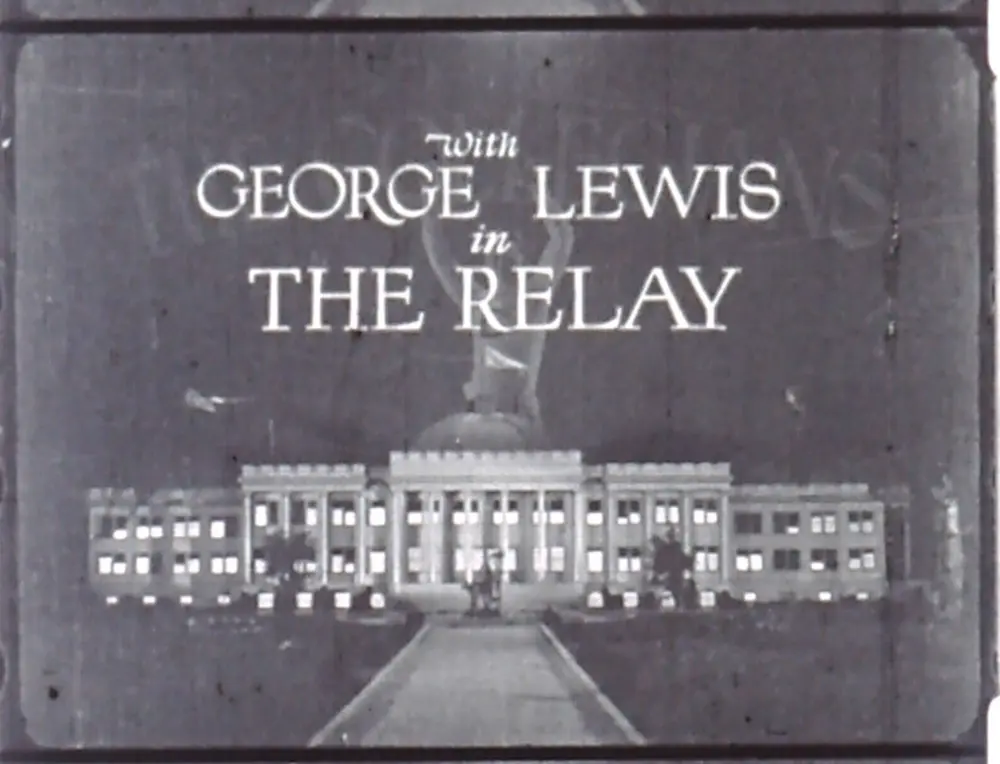
A definitive 6.5/10 rating for a film that redefined the boundaries of cult cinema. The Relay remains a cornerstone of transgressive art.
Is 'The Relay' a forgotten masterpiece of the silent era? Short answer: No, but it remains a fascinating, high-energy capsule of 1920s youth culture that predates the modern teen movie by decades. This film is for silent comedy completionists and those who find historical value in the evolution of the 'college movie' trope. It is not for viewers who demand complex character arcs or high-stakes dramatic tension.
This film works because it captures the raw, unpolished kinetic energy of 1920s athletics with a surprisingly modern sense of pacing. This film fails because its narrative is essentially a single joke stretched thin, lacking the emotional depth found in contemporaneous works like The Busher. You should watch it if you want to see the early career of Andy Devine or if you are interested in how gender dynamics were portrayed in 1920s physical comedies.
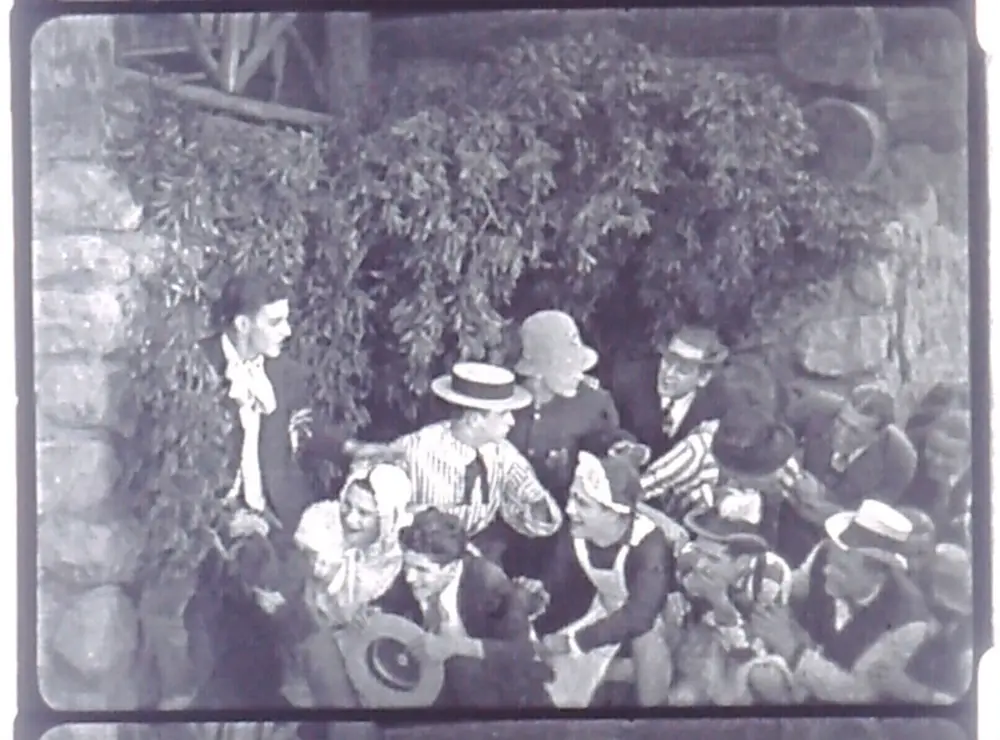
The Relay functions as a entry in 'The Collegians' series, a project spearheaded by Carl Laemmle Jr. that aimed to capture the zeitgeist of the 'Roaring Twenties' university experience. Unlike the heavy moralizing found in Adam's Rib, this film is content to play in the sandbox of petty rivalry. The plot is deceptively simple: freshman girls beat sophomores, and chaos ensues. However, the brilliance lies in the specificity of the 'lording it over.' We see the freshmen girls occupying spaces they haven't earned, their body language shifting from tentative to peacocking in a matter of frames.
The rivalry here isn't just about speed; it's about the fragile nature of social standing. One moment, the sophomore girls are the queens of the campus; the next, they are being mocked by 'upstarts' who haven't even learned the school song. The film uses the relay race not just as an athletic event, but as a total subversion of the natural order. It is a theme often explored in silent cinema, such as in Boys Will Be Boys, where the established hierarchy is constantly under threat from the new generation.
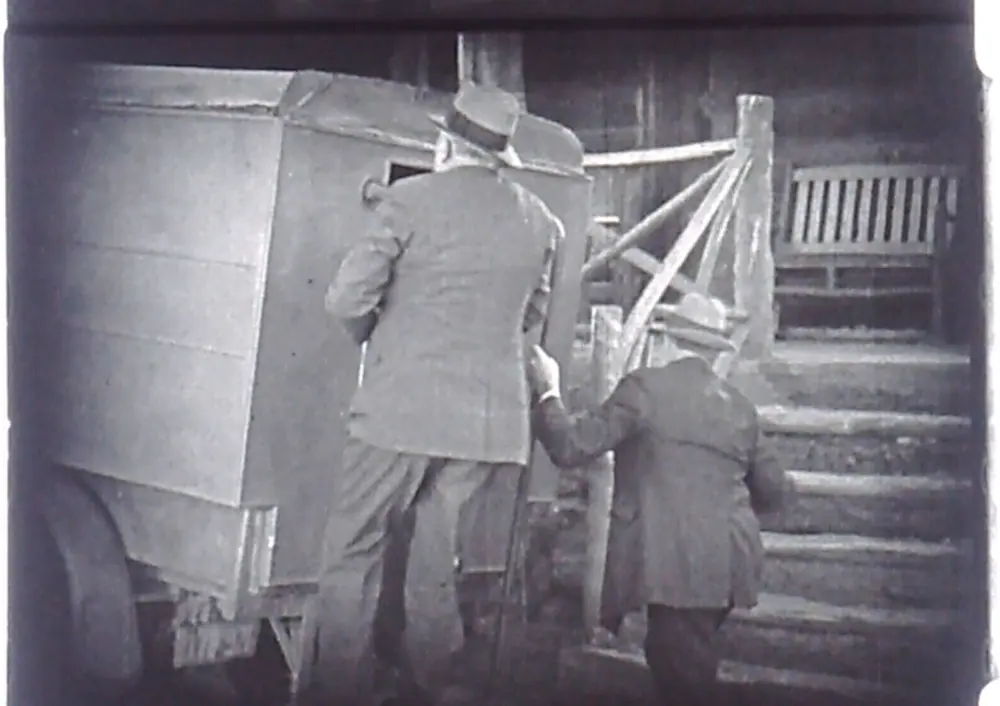
Directed with a brisk, almost frantic hand, the film avoids the static staging that plagued many lower-budget features of the late 20s. The camera during the relay sequence itself is surprisingly mobile. We aren't just watching a race; we are feeling the desperation of the sophomores as they realize the gap is closing. The use of close-ups on Sally Blane and Dorothy Gulliver allows the audience to register the shift from confidence to panic. It’s a masterclass in silent reaction shots.
The pacing is relentless. In an era where some films like The Girl of the Golden West leaned into theatrical pacing, The Relay opts for a proto-sitcom feel. It moves from beat to beat with a rhythmic precision that suggests the writers—Rob Wagner and George H. Plympton—knew exactly how long they could sustain a gag before it soured. The film doesn't linger. It hits its marks and sprints to the finish line, much like the athletes it portrays.
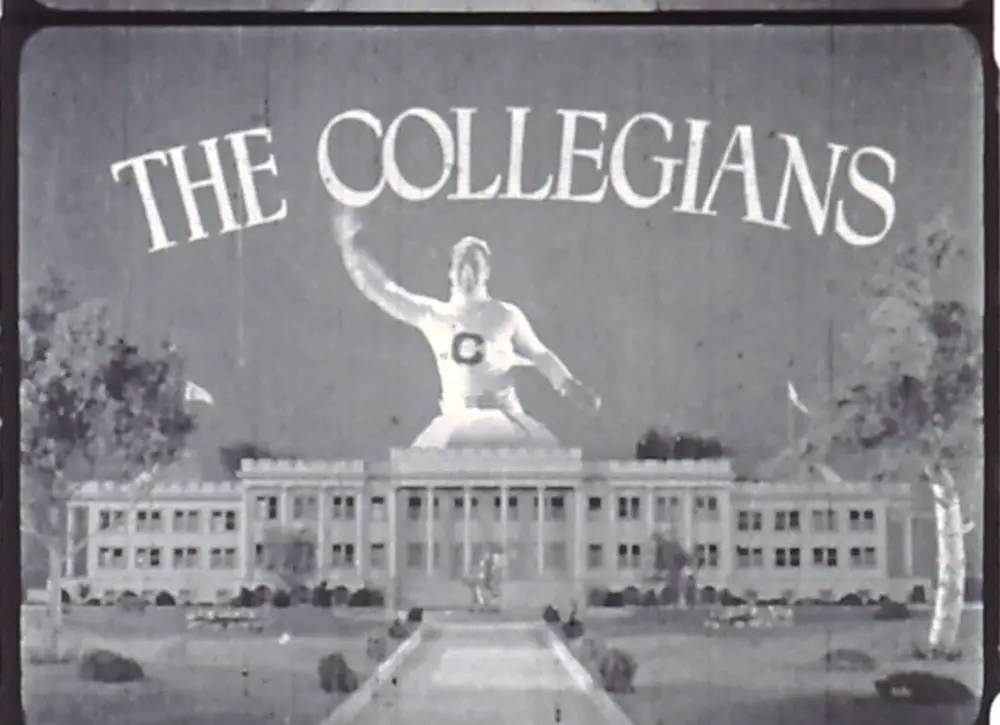
The cast is a 'who's who' of silent-era reliable talent. George J. Lewis, the recurring lead of the series, brings a necessary groundedness, but the real stars here are the women. Dorothy Gulliver and Sally Blane represent two different archetypes of the 1920s 'flapper'—the former being the scrappy underdog and the latter the poised, if slightly arrogant, incumbent. Their physical comedy is less about falling over and more about the sharp, cutting glances that defined social warfare in the 20s.
Then there is Andy Devine. Seeing Devine in this early, athletic context is jarring for those who know him only as the raspy-voiced sidekick of the 1940s Westerns. Here, he is part of the ensemble energy, contributing to the sense that Calford is a living, breathing place. The chemistry between the cast members suggests a comfort level born from working on multiple installments of the series, giving the film a 'hangout' vibe that is surprisingly modern. It works. But it’s flawed.
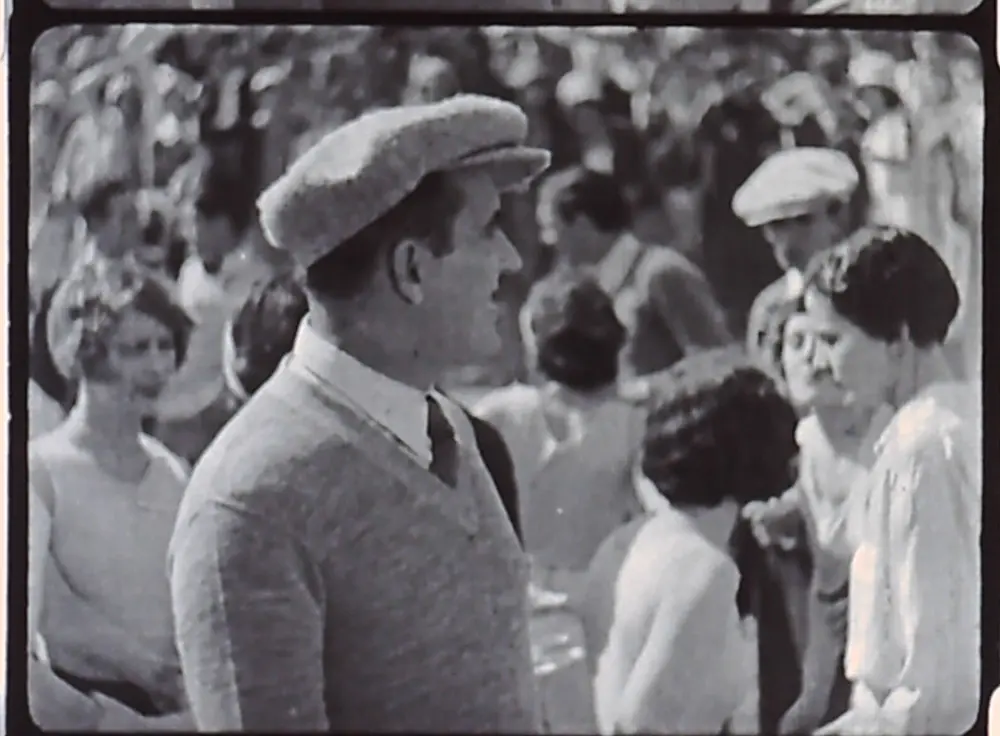
"The Relay isn't just about a race; it's a biting satire on the absurdity of institutional hierarchy, where the color of a freshman cap determines one's worth."
If you are looking for a quick, 20-minute burst of historical entertainment, the answer is a resounding yes. The Relay is a prime example of how silent cinema could handle lighthearted social commentary without becoming bogged down in melodrama. It is a perfect companion piece to other sports-centric films of the era like Greased Lightning. However, if you are looking for a standalone narrative with deep emotional resonance, you might find it lacking. It is a 'chapter' in a larger cultural project rather than a singular epic.
The cinematography by the uncredited camera department is functional yet effective. There is a specific shot during the final lap where the camera is positioned low to the ground, emphasizing the speed and the dust kicked up by the runners. This wasn't standard for 1927; it shows a desire to innovate within the confines of a commercial series. The tone is consistently buoyant, never allowing the 'bullying' aspect of the plot to become truly dark. It remains a comedy of manners, even when those manners are being tossed out the window.
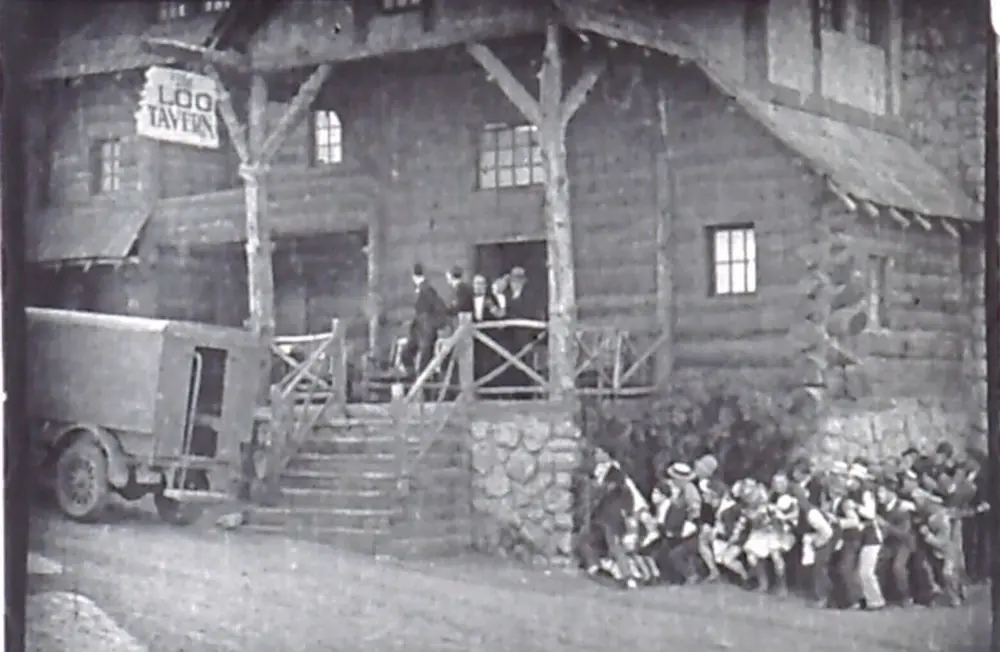
Comparing this to something like Wilhelm Tell, which relies on legend and grand scale, The Relay is refreshingly small. It finds the epic in the mundane. The stakes—who gets to walk where on campus—are treated with the same gravity as a revolution. This irony is the film's strongest asset. It understands that to a twenty-year-old in 1927, there was nothing more important than not being laughed at by a freshman.
Pros:
The film is incredibly efficient; there isn't a wasted frame. The cast is charismatic and clearly having fun with the material. It serves as an excellent historical document of 1920s fashion and social norms. The race sequence is genuinely exciting even by modern standards.
Cons:
The resolution is somewhat rushed, a common issue with short-form silent features. The 'Sophomore' characters are painted with a very broad brush, making them feel more like caricatures than real people. It lacks the visual experimentation seen in higher-budget films like Stranded (1927).
The Relay is a punchy, athletic comedy that captures a specific moment in American history. While it doesn't reinvent the wheel, it spins it with such vigor that it's hard not to be charmed. It is a minor work, certainly, but one that displays the professional polish of the Universal short film machine under Laemmle Jr. It’s a sprint, not a marathon—and sometimes, that’s exactly what a viewer needs. It isn't a 'must-see' for the general public, but for the cinephile, it’s a delightful 20-minute detour into the past. It’s light. It’s airy. It’s fundamentally human in its depiction of ego and pride.
IMDb 6.3
1929
Community
Log in to comment.