DbcultAccessing Vault...
Cult Review
Senior Film Conservator
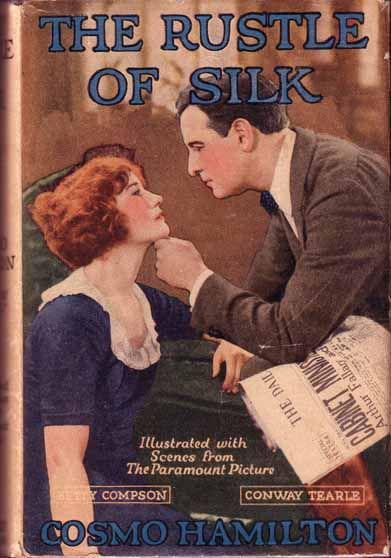
The Rustle of Silk, a film from the early 20th century, presents a nuanced exploration of the human experience, delving into themes of love, ambition, and the societal constraints that govern individual choices. At its core, the story revolves around Lola De Breeze, portrayed by Betty Compson, a young woman whose life becomes inextricably linked with that of Arthur Fallaray, a rising figure in British politics, played by Conway Tearle. As Lola takes on the role of maid to Fallaray's wife, Lady Feo, the dynamics of their relationships are set against the backdrop of Fallaray's burgeoning political career and the extramarital interests of Lady Feo, who finds herself drawn to the charms of newspaper owner Paul Chalfon.
The narrative is punctuated by a series of events that serve to heighten the emotional stakes and test the moral fibers of the characters. Fallaray's injury in a hunting accident prompts Lola to rush to his side, a gesture that, while born out of concern and affection, sets in motion a chain of events that will ultimately lead to the public exposure of her feelings for Fallaray. The discovery of Lola's unmailed love letters by Lady Feo introduces a note of tension and betrayal, as Chalfon, with his keen sense of opportunity, manipulates the situation to further his own interests, culminating in the publication of the letters and the subsequent burning of the originals by Lady Feo in a fit of anger.
Against this tumultuous backdrop, Lola emerges as a figure of remarkable resilience and integrity. Her decision to confess her love to Fallaray and, in the same breath, persuade him to prioritize his political ambitions over the possibility of a life together, underscores her selflessness and understanding of the broader implications of their actions. This pivotal moment in the film is a testament to the enduring power of love and the sacrifices that must often be made in its name, themes that are echoed in other classics of the era, such as Pay Me! and The Strangler's Cord.
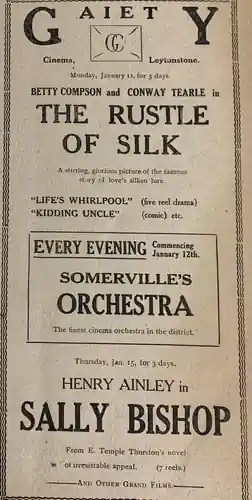
The character development in The Rustle of Silk is multifaceted, with each role bringing its own unique dynamic to the narrative. Lady Feo, with her penchant for a more carefree existence, serves as a counterpoint to the more austere and duty-bound Fallaray, while Chalfon's cunning and opportunism introduce an element of unpredictability. The supporting cast, including Tempe Pigott and Anne Shirley, adds depth and richness to the story, their characters navigating the intricate social hierarchies and moral complexities of the time. This attention to character detail is reminiscent of films like Zoya and En la sombra, which also explore the inner lives and motivations of their protagonists.
The film's exploration of the political arena, as Fallaray ascends to the position of prime minister, offers a commentary on the societal expectations placed upon public figures and the personal sacrifices that often accompany such roles. This theme is complemented by the subplot involving Lola's decision to return to her father, a choice that symbolizes her acceptance of the circumstances and her trust in the future for her own happiness. This narrative thread is thought-provoking, inviting the viewer to consider the broader implications of the characters' actions and the societal norms that govern their lives, themes that are also present in His Bonded Wife and And the Law Says.
The Rustle of Silk, with its engaging storyline and well-developed characters, stands as a compelling example of early 20th-century cinema's ability to address complex themes and emotions. The film's use of setting, from the opulent homes of the aristocracy to the more humble surroundings of Lola's family, adds a visual dimension to the narrative, highlighting the stark contrasts between different worlds. This attention to detail, both in terms of character development and setting, places The Rustle of Silk alongside other notable films of the era, including Der Graf von Essex and Up from the Depths, in its exploration of the human condition.
In conclusion, while the film's pacing and character arcs are well-suited to the dramatic unfolding of events, the true strength of The Rustle of Silk lies in its thoughtful exploration of the personal and public spheres. The intersection of love, ambition, and societal expectation is a rich terrain that the film navigates with sensitivity and depth, making it a worthwhile viewing experience for those interested in the cinematic heritage of the early 20th century. For viewers who appreciate films that delve into the complexities of human relationships and the societal structures that shape them, The Rustle of Silk is a rewarding watch, offering insights into a bygone era while touching on universal themes that remain relevant today, much like Your Girl and Mine: A Woman Suffrage Play and Ambrose's Day Off.
The film's legacy, as part of the broader cinematic landscape of its time, is also noteworthy. It reflects the evolving roles of women in society, as depicted in Stronger Than Death, and the challenges faced by individuals navigating the constraints of their social positions, a theme that is also explored in The Actress' Redemption. The Rustle of Silk, therefore, not only offers a compelling narrative but also contributes to a larger conversation about the human experience, one that continues to resonate with audiences today. As with The Man Tamer and Cheating Herself, the film's exploration of the intricacies of human emotion and the complexities of societal expectations makes it a valuable addition to the canon of early 20th-century cinema.
Ultimately, The Rustle of Silk is a film that rewards close attention and reflection. Its nuanced portrayal of characters, coupled with its thoughtful exploration of themes that were pertinent to its contemporary audience, ensures that it remains a fascinating watch for modern viewers. The film's ability to balance the personal and the political, the intimate and the public, is a testament to the enduring power of cinema to capture the essence of the human experience. As such, it stands alongside other classics of the era, including Der Dolch des Malayen, as a powerful exploration of love, ambition, and the multifaceted nature of human relationships.
IMDb —
1923
Community
Log in to comment.