DbcultAccessing Vault...
Cult Review
Senior Film Conservator
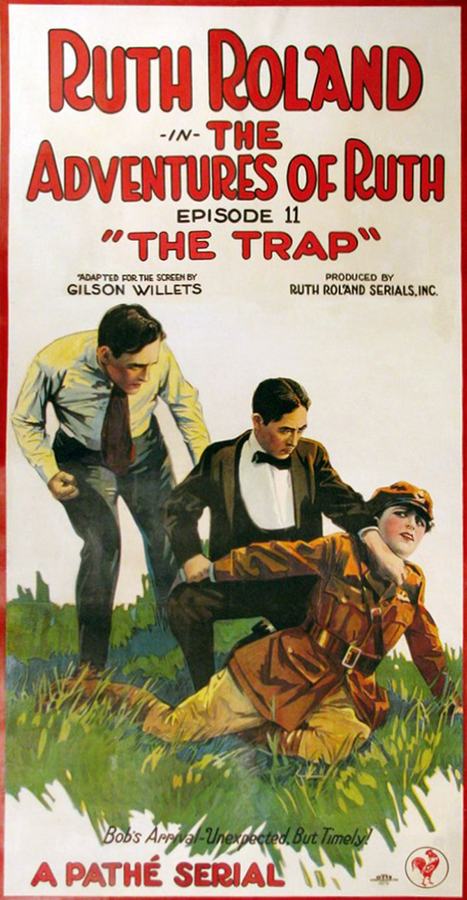
Stepping back into the cinematic landscape of the early 20th century, one encounters a particular genre that captivated audiences with an intensity rarely replicated today: the film serial. These episodic narratives, often culminating in cliffhangers that left patrons breathlessly anticipating the next installment, were the progenitors of modern binge-watching. Among these, 'The Adventures of Ruth' stands as a compelling exemplar, a vibrant testament to the storytelling prowess of its era. Starring the indomitable Ruth Roland, a queen of the serials, this film plunges viewers into a world brimming with shadowy cabals, inherited secrets, and a relentless pursuit of truth.
The narrative itself is a masterclass in suspenseful unfolding. We are introduced to Ruth Robin, not as a damsel in distress, but as a young woman of considerable means, albeit one sheltered within the confines of a seminary. Her world, however, is a mere façade, soon to be rent asunder by the dark machinations that have long plagued her father, Daniel Robin. Daniel, a millionaire recluse, lives under the perpetual shadow of the 'Terrible Thirteen,' a nefarious criminal organization that has, against his will, inducted him into its ranks. This initial premise immediately establishes a pervasive sense of dread and mystery, grounding the impending adventure in a tragic personal history.
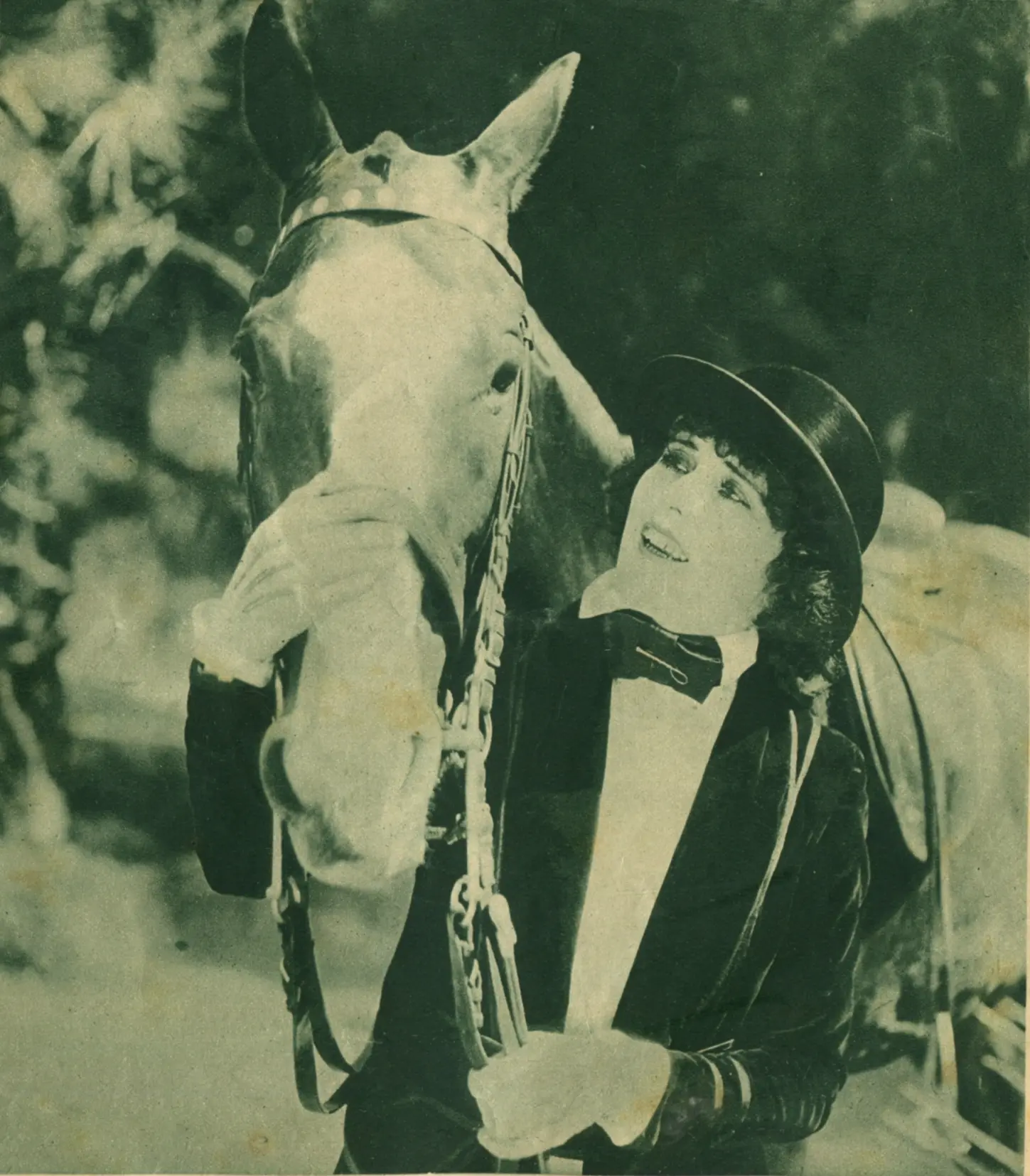
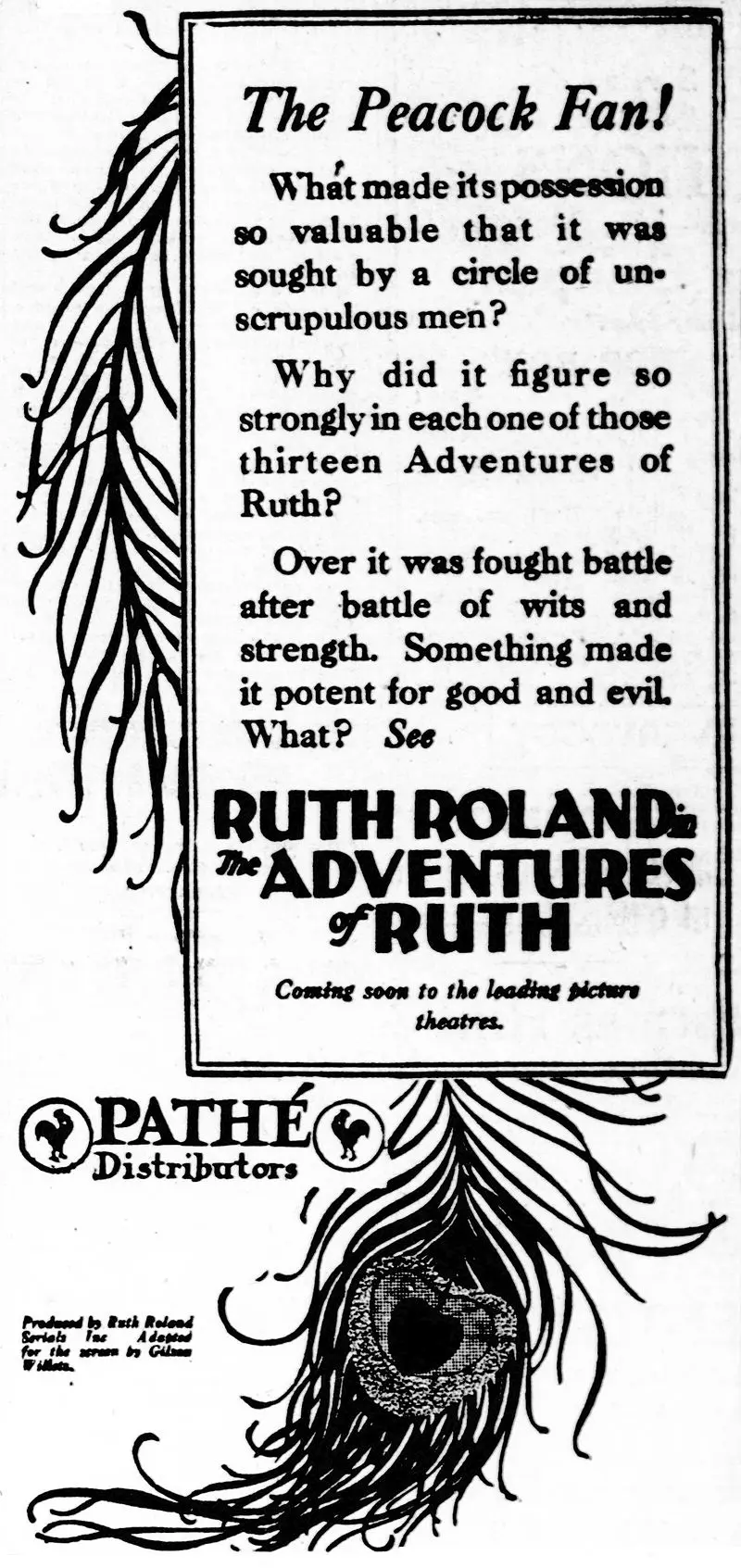
The catalyst for Ruth's extraordinary journey arrives with brutal suddenness. Her father is tragically felled by LaFarge, the sinister leader of the 'Terrible Thirteen,' ominously known as 'The Hound.' This act of violence is not merely a plot device; it serves as the crucible from which Ruth's transformation begins. On his deathbed, Daniel Robin, with his trusted butler Wayman as a solemn witness, bestows upon his daughter a monumental, two-fold quest. First, she must recover a stolen Peacock Fan, an artifact not merely of aesthetic value but one laden with a secret profoundly impacting her own destiny. Second, and perhaps more intriguingly, she is to accept thirteen distinct keys, each delivered by an unknown hand, each unlocking a new instruction, guiding her deeper into a labyrinth of danger and discovery. This setup is pure serial gold, promising escalating stakes and a meticulously layered mystery that would keep audiences returning week after week.
Ruth's acceptance of this daunting inheritance marks her passage from sheltered heiress to intrepid adventurer. Her very first mission propels her into the opulent, yet potentially treacherous, world of Countess Zitka, where the elusive Peacock Fan awaits. This early success only foreshadows the escalating dangers she will face. Subsequent instructions lead her to infiltrate the very stronghold of the 'Terrible Thirteen,' a testament to her burgeoning courage and resourcefulness. Later, another cryptic key guides her into the vibrant, enigmatic heart of Chinatown, a setting ripe with cinematic potential for mystery and exotic peril, a common trope in early cinema, yet handled here with a certain flair. The narrative structure, dictated by these episodic key deliveries, ensures a constant forward momentum, a relentless push toward uncovering the ultimate truth.
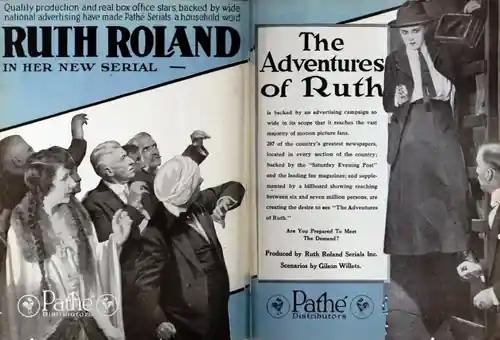
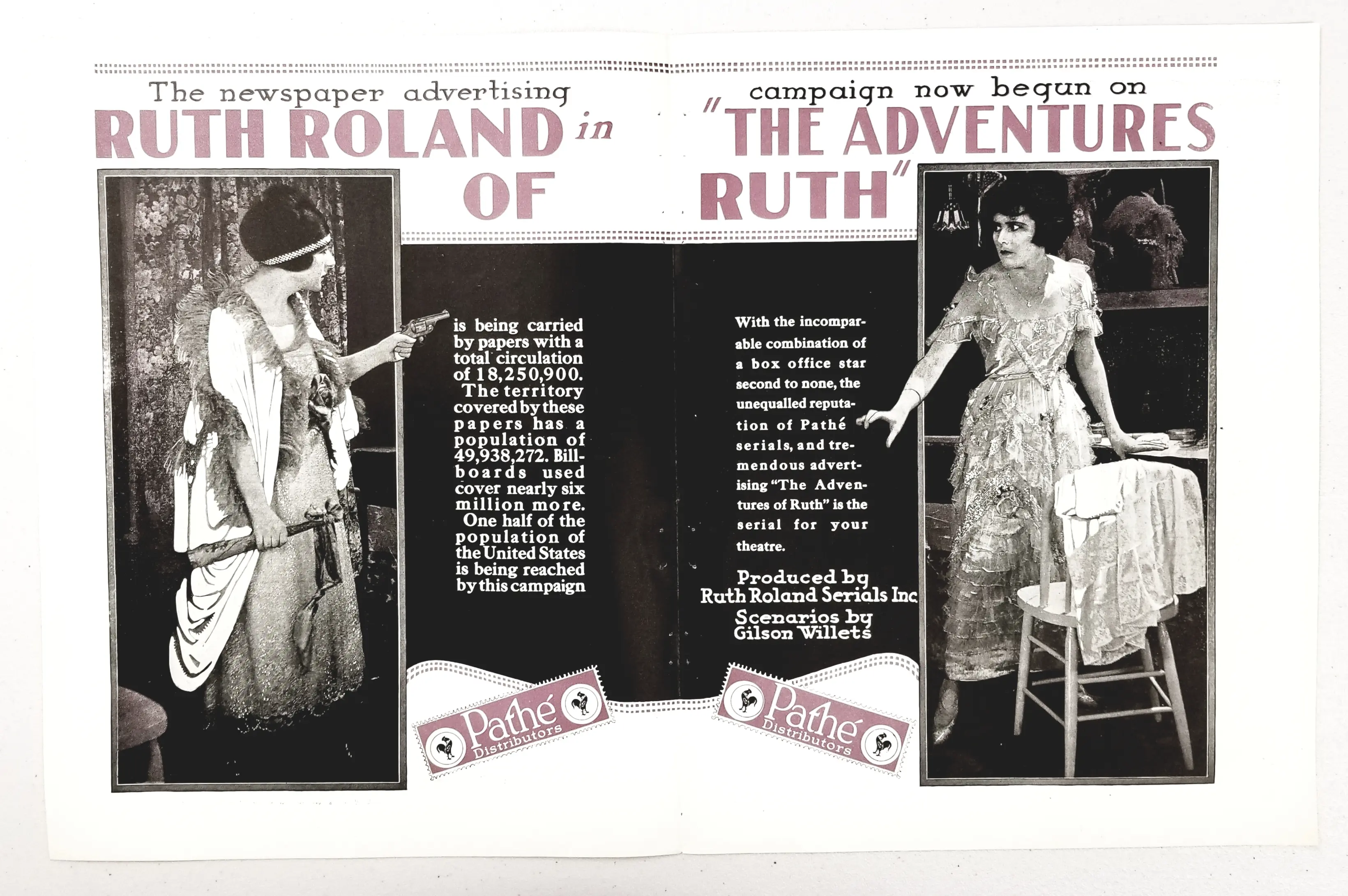
At the heart of 'The Adventures of Ruth' is, undeniably, Ruth Roland herself. As both star and co-writer (alongside Gilson Willets), Roland's influence on the project is palpable. She wasn't just an actress; she was an icon, a symbol of female agency and resilience in an era where such portrayals were both groundbreaking and immensely popular. Her screen presence is electric, combining a delicate femininity with a steely resolve that made her character utterly believable as she navigated perilous traps and confronted ruthless villains. Roland's ability to convey a wide spectrum of emotions without dialogue, relying solely on expression, gesture, and physicality, is a masterclass in silent film acting. Her performance here cemented her status as one of the definitive 'serial queens,' a title she earned through a career defined by daring stunts and compelling portrayals.
The supporting cast, including Thomas G. Lingham, Charles Bennett, Herbert Heyes, and Charles Belcher, provides a robust framework for Roland's star turn. Lingham, often cast as authoritative figures, brings a gravitas to Daniel Robin that underscores the weight of his final instructions. The villains, particularly LaFarge, are suitably menacing, their silent snarls and furtive movements conveying a palpable threat. The ensemble works in concert to build a world that feels both fantastical and viscerally real, drawing the audience into Ruth's unfolding nightmare and heroic struggle.
Silent films, by their very nature, demanded a unique approach to storytelling. Without spoken dialogue, filmmakers relied heavily on visual cues, exaggerated expressions, and intertitles to convey plot and emotion. 'The Adventures of Ruth' excels in this regard. The cinematography, while perhaps lacking the sophisticated camera movements of later eras, is effective in establishing mood and advancing the narrative. Shots are carefully composed to emphasize danger, reveal clues, or highlight Ruth's determination. The pacing, crucial for a serial, is brisk and relentless, ensuring that each episode ends on a note of heightened tension, compelling viewers to return.
The use of props, such as the Peacock Fan and the mysterious keys, is particularly effective. These aren't just arbitrary plot devices; they become symbolic anchors within the narrative, tangible manifestations of the secrets Ruth is tasked with unraveling. The visual language of the film, from the shadowy headquarters of the 'Terrible Thirteen' to the bustling streets of Chinatown, creates a rich, immersive experience. One can draw parallels to other silent thrillers where objects hold crucial weight, perhaps even the thematic resonance found in The Door Between, where a physical barrier might represent hidden truths or the unknown. The meticulous design of these elements amplifies the sense of mystery and adventure.
Beyond the thrills and spills, 'The Adventures of Ruth' delves into deeper thematic territory. At its core, it is a story about duty and inheritance – Ruth’s obligation to her father's dying wish, and the legacy of danger he leaves behind. It is also a profound exploration of identity. The secret contained within the Peacock Fan, affecting Ruth directly, suggests a journey of self-discovery intertwined with the external quest. This mirrors the personal revelations often found in narratives like The Unwelcome Wife, where hidden pasts and familial connections dramatically alter a protagonist's understanding of self and circumstance.
Crucially, the film champions female agency. Ruth Robin is not a passive recipient of fate; she actively pursues her objectives, faces down formidable adversaries, and makes critical decisions. She embodies a proto-feminist ideal, demonstrating strength, intelligence, and courage in a world often depicted as male-dominated. This portrayal was undoubtedly empowering for female audiences of the time and remains a compelling aspect of the film's appeal today. Her relentless pursuit of justice and truth, guided by the mysterious keys, evokes a similar sense of determined investigation found in films like The Key to Yesterday, where a single object unlocks a sequence of events leading to revelations.
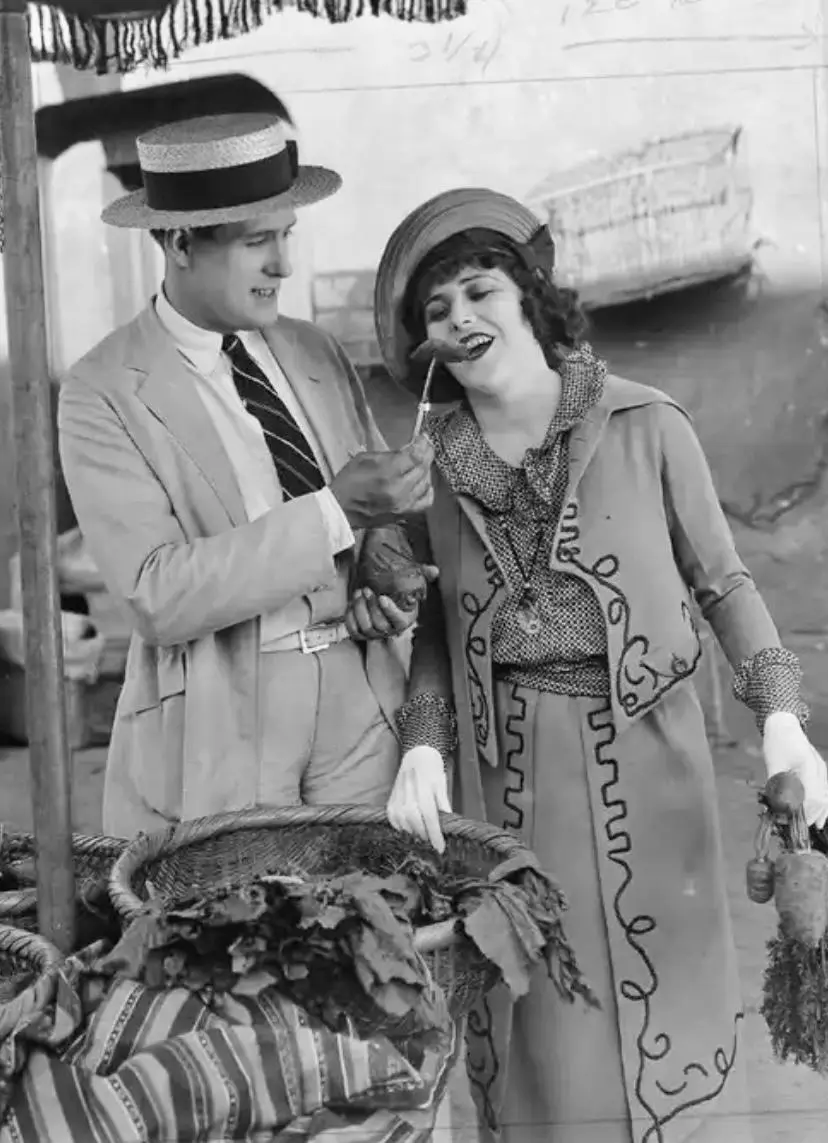
The 'Terrible Thirteen' serves as the primary antagonist, a shadowy criminal organization that casts a long, menacing shadow over the entire narrative. Their existence, and Daniel Robin's unwilling involvement, adds a layer of moral complexity to the plot. This isn't just about good versus evil; it's about an individual caught in a web of coercion and danger. The enigmatic nature of the group, and their ruthless leader 'The Hound,' taps into a primal fear of unseen forces and organized malevolence. While not as overtly philosophical as Prestuplenie i nakazanie, which delves deep into the psychology of crime, 'The Adventures of Ruth' uses its criminal element to drive a thrilling adventure narrative, focusing on the external struggle against an imposing, dangerous force.
The portrayal of such clandestine societies was a popular motif in early 20th-century fiction and film, reflecting societal anxieties about hidden powers and conspiracies. The 'Terrible Thirteen' embodies these fears, creating a formidable and ubiquitous threat that Ruth must constantly outwit. This omnipresent danger keeps the stakes incredibly high throughout the serial, ensuring that Ruth's triumphs are hard-won and her narrow escapes genuinely thrilling. The sense of a pervasive, almost cult-like organization brings to mind the ominous aura surrounding figures like those in Rasputin, the Black Monk, where powerful, shadowy influences manipulate events from the background.
Despite its age, 'The Adventures of Ruth' retains a remarkable capacity to entertain and engage. For modern audiences, it offers a fascinating glimpse into the nascent art form of cinema, showcasing the ingenuity and creativity employed to tell stories without synchronized sound. It serves as a vital historical document, illustrating the popular entertainment of its time and the groundbreaking role of stars like Ruth Roland. The serial format, while demanding patience for those accustomed to single-sitting narratives, offers a unique rhythm and cumulative tension that builds across its many chapters.
The film's influence can be seen in the subsequent development of action-adventure genres, particularly those featuring strong female protagonists. Ruth Roland paved the way for countless heroines who would defy expectations and embark on dangerous quests. Her work, and this serial in particular, underscore the power of visual storytelling and the enduring appeal of a well-crafted mystery. It invites us to appreciate the foundational elements of cinematic narrative – character, conflict, suspense, and resolution – stripped down to their most essential forms. The serialized nature itself, with its relentless march of clues and revelations, echoes the structure of later detective stories or even modern television dramas, proving that compelling episodic content has always been a formula for success.
In conclusion, 'The Adventures of Ruth' is far more than a mere relic of a bygone era. It is a vibrant, thrilling, and thematically rich piece of cinematic history that deserves continued appreciation. It stands as a testament to the captivating power of silent film, the magnetic charisma of Ruth Roland, and the timeless appeal of a meticulously woven tale of courage, conspiracy, and self-discovery. For anyone interested in the origins of cinematic adventure, the evolution of the strong female lead, or simply a gripping mystery, this serial remains an essential viewing experience, a journey into the heart of silent cinema's most thrilling endeavors.
IMDb —
1926
Community
Log in to comment.