DbcultAccessing Vault...
Cult Review
Senior Film Conservator
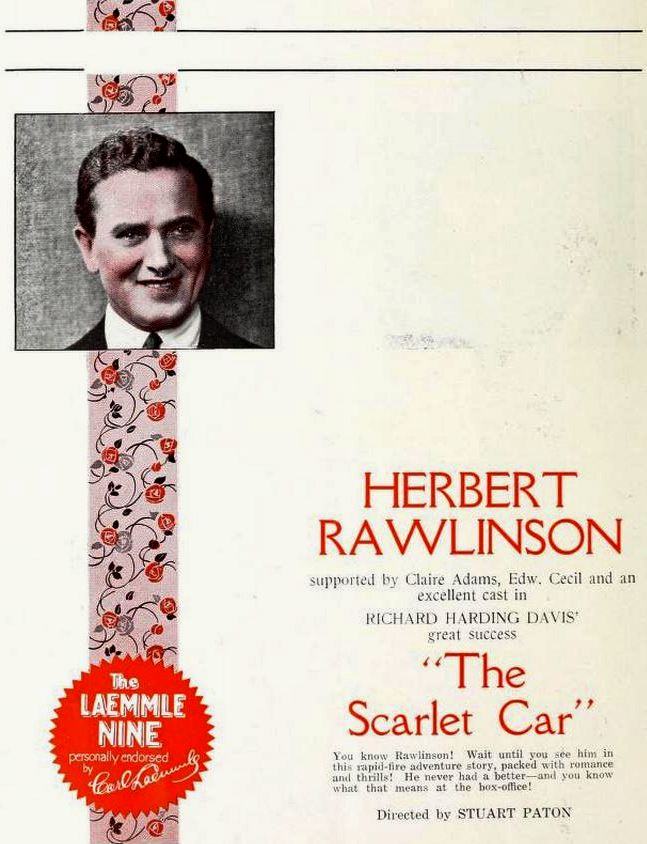
1923’s The Scarlet Car is a relic of silent cinema’s golden age that hums with the tension of a noose tightening. Directed with a sharp eye for moral ambiguity, this tale of love and political machinations unfolds like a vintage clockwork mechanism: every gear a calculated betrayal, every spring a concealed motive. Edward Cecil’s Billy Winthrop is less a romantic lead than a tragic figure caught between familial duty and personal ethics, his struggle to reconcile love for Beatrice Forbes (Claire Adams) with disgust at her betrothed, Ernest Peabody, echoing the silent film era’s obsession with surface versus substance.
The film’s greatest strength lies in its unflinching exploration of corruption. Ernest Peabody, played by Tom O’Brien with a politician’s oily charm, embodies the era’s fear of reformists who cloak greed in populist rhetoric. His double-cross of Violet Gaynor (Herbert Rawlinson’s sister-in-arms) isn’t just a plot device—it’s a microcosm of the systemic rot Billy must confront. The scarlet car, a recurring visual motif, acts as both a Chekhov’s gun and a metaphor. Its crimson hue, bold and unignorable, mirrors the blood money flowing through Peabody’s campaign. When Billy hijacks the vehicle to expose the truth, the film shifts from political thriller to moral allegory, the car becoming a conduit for justice in a world where truth is a commodity.
Comparisons to The Danger Signal are inevitable, though The Scarlet Car distinguishes itself with its emphasis on personal sacrifice. Where The Silence of Dean Maitland uses silence as a moral test, this film weaponizes silence as complicity. The absence of spoken dialogue in the original print (now lost to time, but preserved in its essence) forces the audience to lean into the actors’ physicality—Cecil’s furrowed brow, Peabody’s calculated pauses—to decipher the subtext. It’s a masterclass in visual storytelling, where a raised eyebrow or a clenched jaw carries the weight of a thousand words.
Edward Cecil’s performance is a masterwork of silent acting. His Billy Winthrop isn’t a hero in the traditional sense; he’s a man unraveling, his idealism fraying as he confronts the cost of integrity. In one standout scene, Billy discovers Peabody’s betrayal through a ledger slipped under Violet Gaynor’s door. Cecil’s reaction—a slow, deliberate closing of the door, followed by a lingering stare at the camera—speaks volumes. He’s not just reacting to the betrayal; he’s confronting the realization that the system he’s part of is irreparably flawed.
Tom O’Brien’s Peabody is a villain for the ages, his politeness a veneer for avarice. In a lesser film, Peabody might have been a cartoonish figure, but O’Brien infuses him with a chilling normalcy. His final moments—when the truth is exposed and the scarlet car is used as evidence—are a study in deflation. The camera lingers on his face as he realizes his lies have caught up to him, the silence more damning than any shouted confession.
Claire Adams’ Beatrice is a fascinating blend of privilege and restraint. She’s not a passive damsel; her engagement to Peabody is a calculated choice, one that puts her at odds with Billy’s idealism. Adams’ performance walks a tightrope between complicity and innocence, her expressions betraying a woman torn between societal expectations and her own desires. It’s a role that demands nuance, and Adams delivers it in spades.
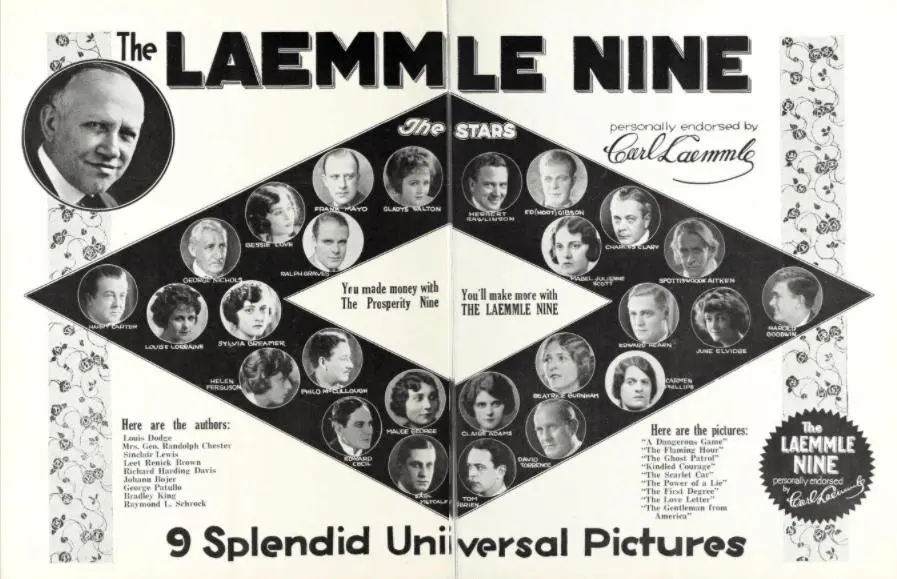
Though The Scarlet Car is a product of 1923, its themes resonate with startling immediacy. The film’s exploration of political corruption—Peabody’s double-cross of Violet Gaynor—echoes modern narratives about the intersection of power and personal ethics. It’s not hard to see parallels with For Valour’s examination of duty versus conscience, but The Scarlet Car distinguishes itself by focusing on the personal toll of systemic rot. The scarlet car, as a symbol of both temptation and truth, could easily slot into a contemporary heist film, yet here it feels more like a moral compass, its red hue a constant reminder of the blood money fueling Peabody’s campaign.
The film’s conclusion is as bittersweet as it is necessary. Billy’s triumph is pyrrhic; winning Beatrice comes at the cost of exposing the rot in his father’s legacy. In one of the film’s most poignant moments, Billy and Beatrice share a brief kiss, the camera pulling back to reveal the scarlet car in the background—a reminder that their love exists within a world built on compromise. It’s a conclusion that rejects the tidy resolutions of melodrama, instead opting for a realism that feels both prescient and timeless.
“The Scarlet Car is not just a film about love and betrayal—it’s a mirror held to the fragility of integrity in a world where loyalty is a currency.”
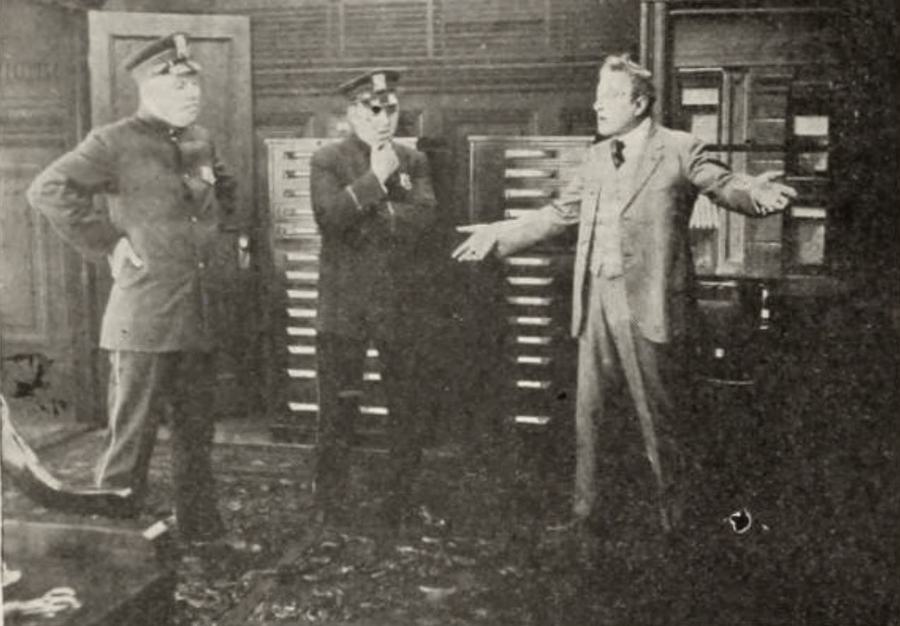
What makes The Scarlet Car endure is its technical ambition. The use of shadow and light in the film’s climax—a scene where Billy confronts Peabody in a dimly lit office—anticipates the chiaroscuro techniques of film noir. The camera work, though constrained by the technology of the time, is dynamic, with cross-cutting between Billy’s investigation and Peabody’s schemes creating a sense of impending doom. The film’s score, though likely lost to history, must have been a masterstroke in its time, elevating the tension without overpowering the visual storytelling.
Comparisons to The Firefly of France are apt in terms of pacing, but The Scarlet Car’s focus on moral conflict sets it apart. Where The Texan uses the Western genre to explore similar themes of honor and betrayal, The Scarlet Car roots its drama in the urban elite, making its critique of corruption all the more biting. The film’s dialogue—though silent, conveyed through intertitles—is razor-sharp, with wit and precision that would make a modern screenwriter envious.
Though The Scarlet Car may not have the name recognition of Stardust or Leave It to Me, its influence can be felt in the works of later filmmakers who tackled political intrigue through a personal lens. The film’s emphasis on moral conflict and its use of visual metaphors (the scarlet car, the ledger of betrayals) prefigure the techniques of directors like Orson Welles and Billy Wilder. Its exploration of the cost of integrity also finds echoes in The Other Half, though The Scarlet Car’s tone is darker, more unflinching in its portrayal of corruption.
For modern viewers, The Scarlet Car offers a window into the anxieties of the 1920s—a decade where the old world order was crumbling under the weight of industrialization and political upheaval. The film’s focus on the intersection of personal ethics and political power feels particularly prescient in an age where trust in institutions is again under siege. It’s a silent film that speaks volumes, a relic that remains startlingly relevant.
The Scarlet Car is more than a period piece; it’s a cautionary tale about the price of complicity and the fragility of honor. Its characters are flawed, its world is corrupt, and yet there’s a strange beauty in the way it confronts these truths without flinching. As Billy Winthrop drives the scarlet car through the streets of a city built on lies, one can’t help but feel the weight of its message: that integrity is not a destination, but a constant, exhausting negotiation. For those willing to look past its age, The Scarlet Car remains a testament to the enduring power of cinema to unsettle, challenge, and, perhaps, inspire change.
IMDb —
1916
Community
Log in to comment.