DbcultAccessing Vault...
7.6/10
Senior Film Conservator
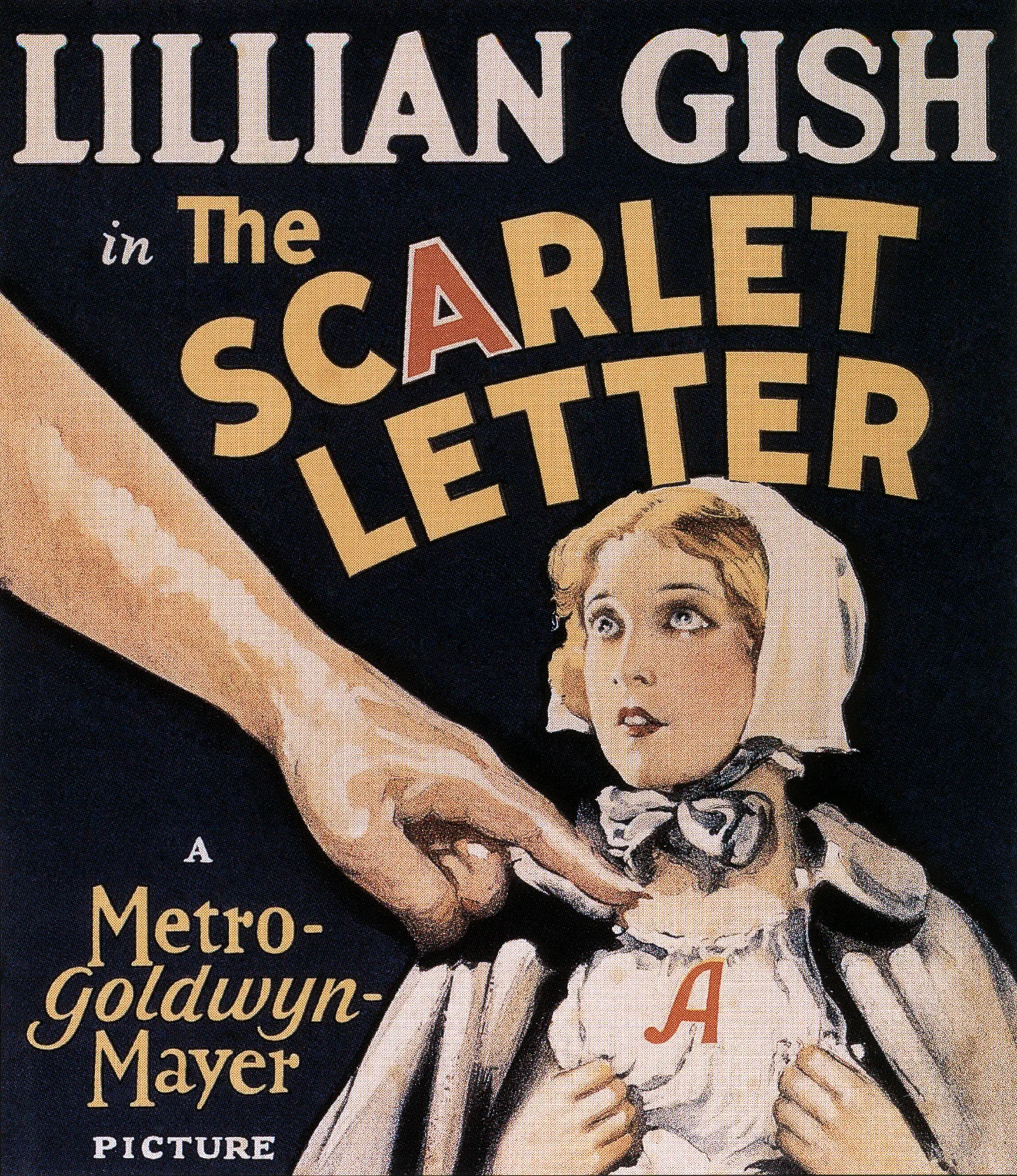
A definitive 7.6/10 rating for a film that redefined the boundaries of cult cinema. The Scarlet Letter remains a cornerstone of transgressive art.
Should you spend two hours watching a silent film from nearly a century ago? Short answer: Yes, but specifically because it avoids the melodrama that killed most of its contemporaries. This is not just a 'classic'; it is a masterclass in how to tell a story through the eyes rather than the mouth. If you are a fan of psychological thrillers or character-driven dramas, this is for you. If you require explosions or fast-paced dialogue to stay engaged, you should probably skip it.
The 1926 version of The Scarlet Letter is arguably the most effective adaptation of Hawthorne's work ever put to film. It manages to feel modern because it focuses on the internal mechanics of guilt rather than the external 'theatrics' of the era. It is essential viewing for anyone interested in the evolution of acting.
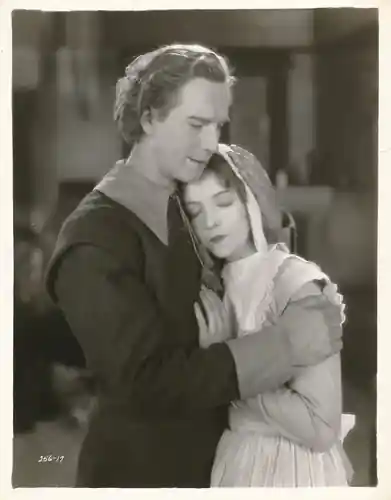
1) This film works because: Lillian Gish delivers a performance that is so grounded and subtle it makes modern CGI-heavy dramas look amateurish. Her ability to convey defiance through a slight tilt of the head is unparalleled.
2) This film fails because: The pacing in the second act leans heavily into the 'tortured soul' trope, which can feel repetitive for viewers accustomed to more dynamic narrative shifts.
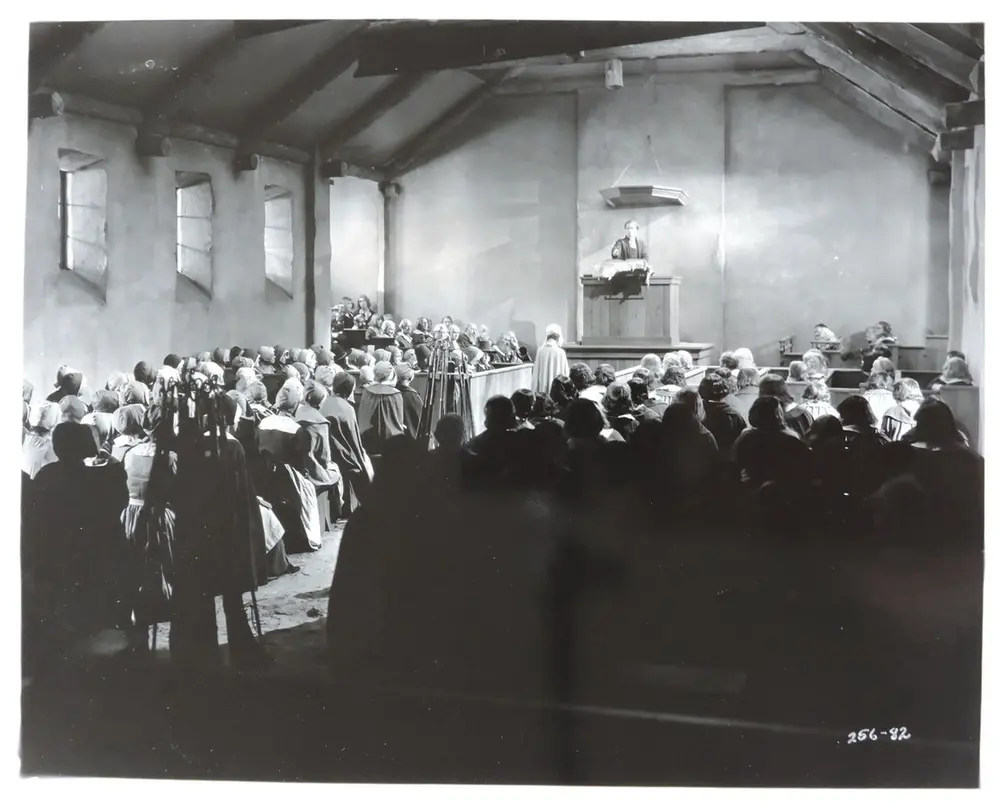
3) You should watch it if: You want to see how a director can use shadows and landscape to create a sense of impending doom without saying a single word.
Lillian Gish was often cast as the fragile waif, but in this film, she subverts that entirely. Her Hester Prynne isn't a victim; she’s a revolutionary. While films like The Unbeliever relied on grand gestures to convey morality, Gish uses stillness. There is a specific scene on the scaffold where the townspeople jeer at her. Most actresses of 1926 would have flailed or wept. Gish simply stares. It’s haunting.
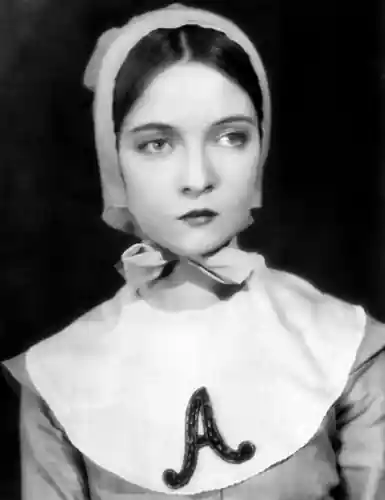
Her chemistry with Lars Hanson, who plays the tormented Reverend Dimmesdale, is palpable even through the grainy black-and-white film stock. Hanson, a Swedish actor brought in by director Victor Sjöström, brings a European intensity that contrasts sharply with the more traditional American styles seen in films like The Waybacks. This clash of styles works perfectly to illustrate the division between the 'holy' and the 'human'.
Victor Sjöström was a master of the 'landscape as character' technique. In this film, the woods aren't just trees; they are the only place where truth can exist. The town, conversely, is filmed with sharp, angular shadows that make the houses look like prisons. This visual storytelling is far more sophisticated than the flat lighting found in earlier works like Going Up.
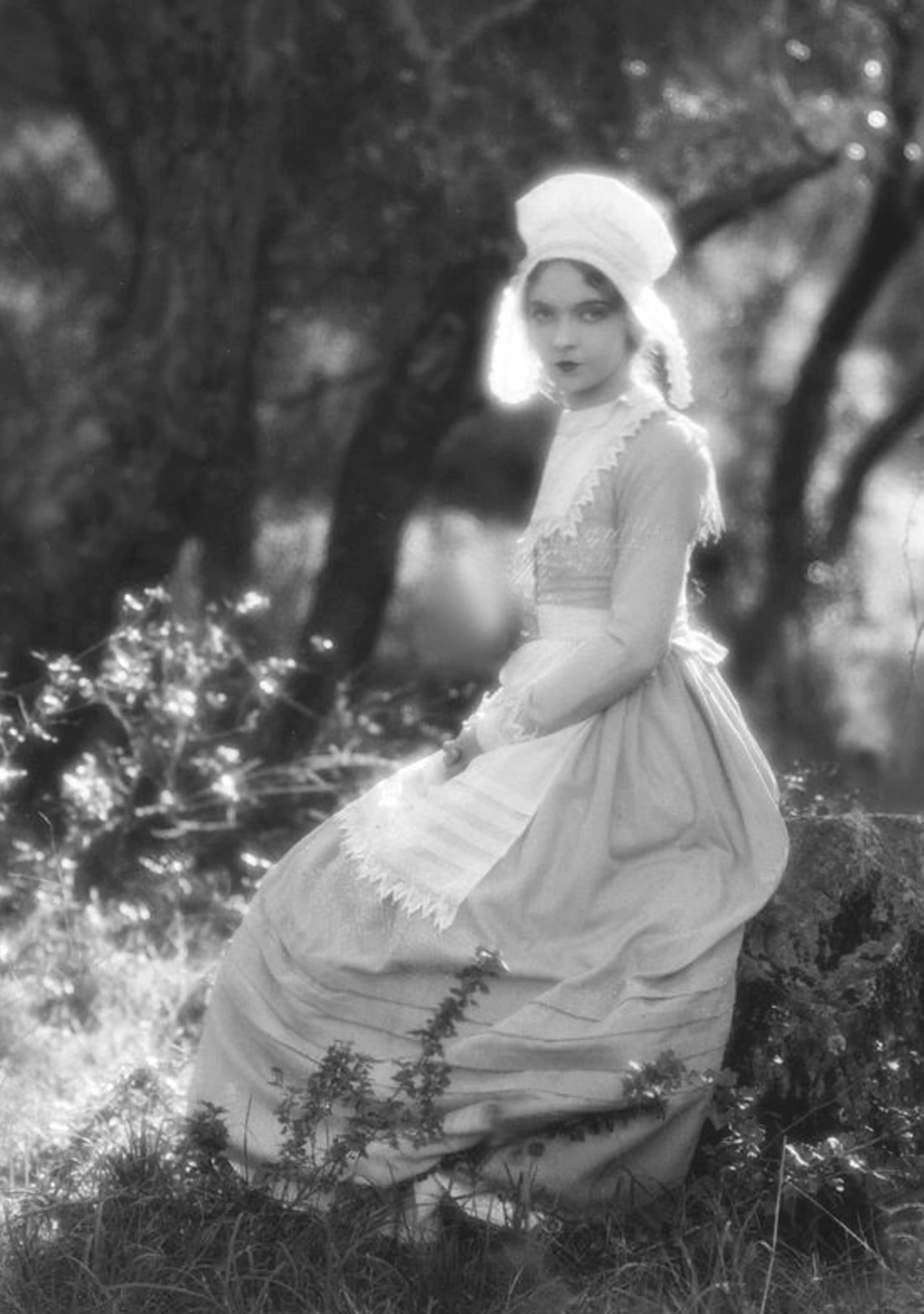
The way Sjöström frames the scarlet letter itself is also fascinating. It isn't just a prop; it’s a living thing. Through clever use of lighting, the 'A' often seems to glow or darken depending on Hester’s emotional state. This isn't just a technical trick; it’s an early example of psychological expressionism in American cinema.
Adapting Hawthorne is a nightmare because the book is 80% internal monologue. Frances Marion, the highest-paid screenwriter of her time, solved this by externalizing the conflict through small, domestic details. She understood that a woman washing a child’s face could be just as dramatic as a battle scene. This attention to detail is why the film feels more intimate than the broad strokes of The Tenderfoot.
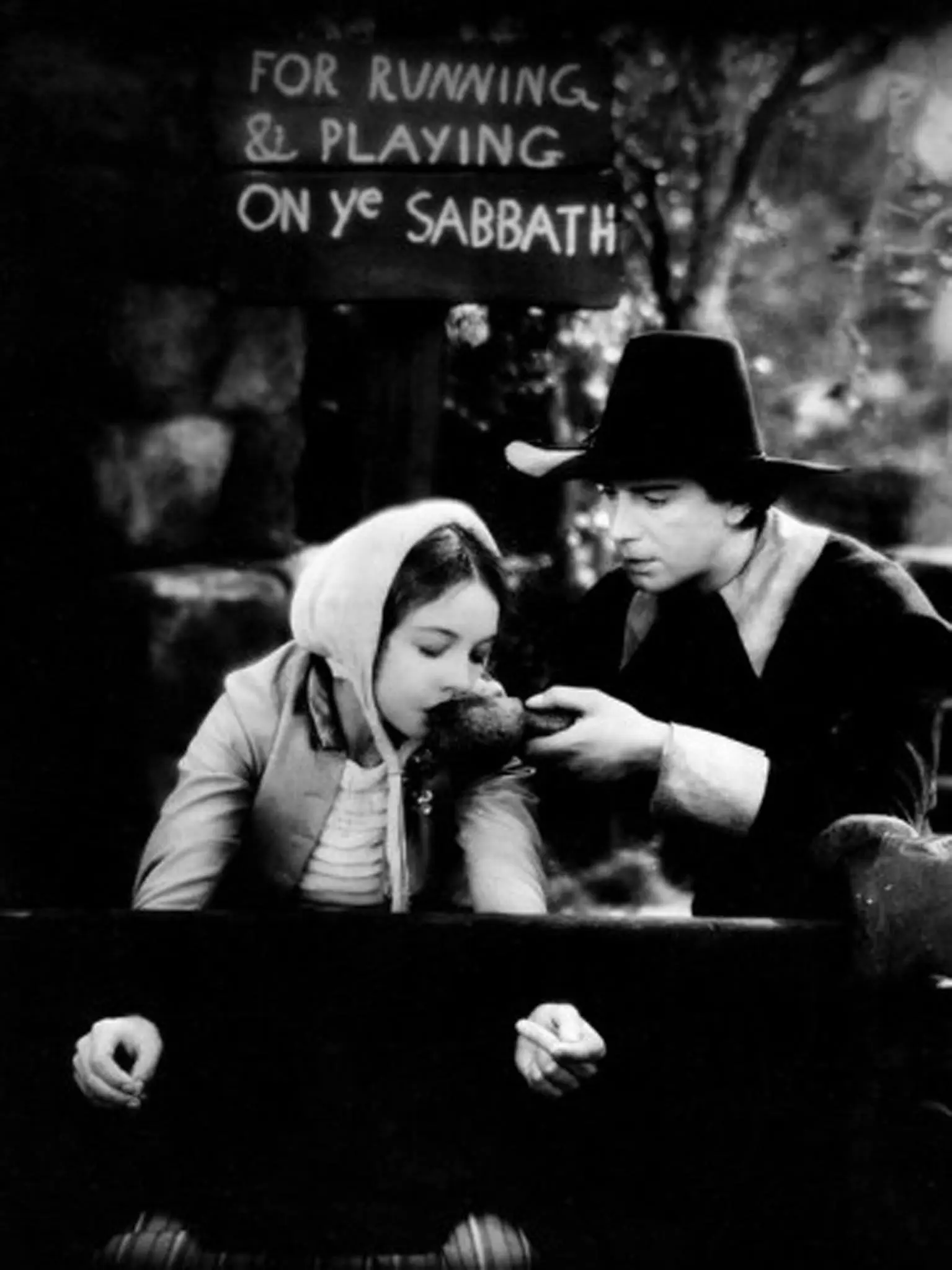
Marion also took a stance that was quite bold for 1926: she made the church the villain. Not a specific person, but the institution of judgment. In an era when films like Brigadier Gerard were celebrating traditional heroism, Marion and Gish were busy deconstructing the patriarchy. It’s a gutsy move that pays off.
The cinematography by Hendrik Sartov is exceptional. He uses soft focus not to make things look 'pretty,' but to isolate Hester from the world around her. When she is in a crowd, everyone else is a blur. She is the only thing that is real. This technique is something we take for granted now, but in 1926, it was cutting edge.
The pacing is deliberate. It doesn't rush to the 'reveal' of the father’s identity because the film knows that we already know. Instead, it lingers on the agony of the secret. This slow-burn approach might frustrate those who enjoy the briskness of West of Chicago, but it’s necessary for the emotional payoff in the final act.
Yes, The Scarlet Letter (1926) is a vital piece of cinema history that remains emotionally resonant today. It is worth watching because it prioritizes human psychology over period-piece tropes. It proves that silent film is not a 'limited' medium but a different language entirely. If you want to understand the power of a gaze, you must watch this film.
The Scarlet Letter (1926) is a rare beast: a silent film that doesn't feel like a relic. It is a sharp, painful, and ultimately beautiful look at what happens when a community tries to crush the human spirit. It works. But it’s flawed. The theatricality of the era occasionally peeks through, but Gish always pulls it back to reality. It is a definitive version of the story. Forget the modern remakes; this is the one that matters.
"Gish doesn't just play Hester Prynne; she inhabits the very concept of defiance."
IMDb —
1928
Community
Log in to comment.