DbcultAccessing Vault...
7/10
Senior Film Conservator
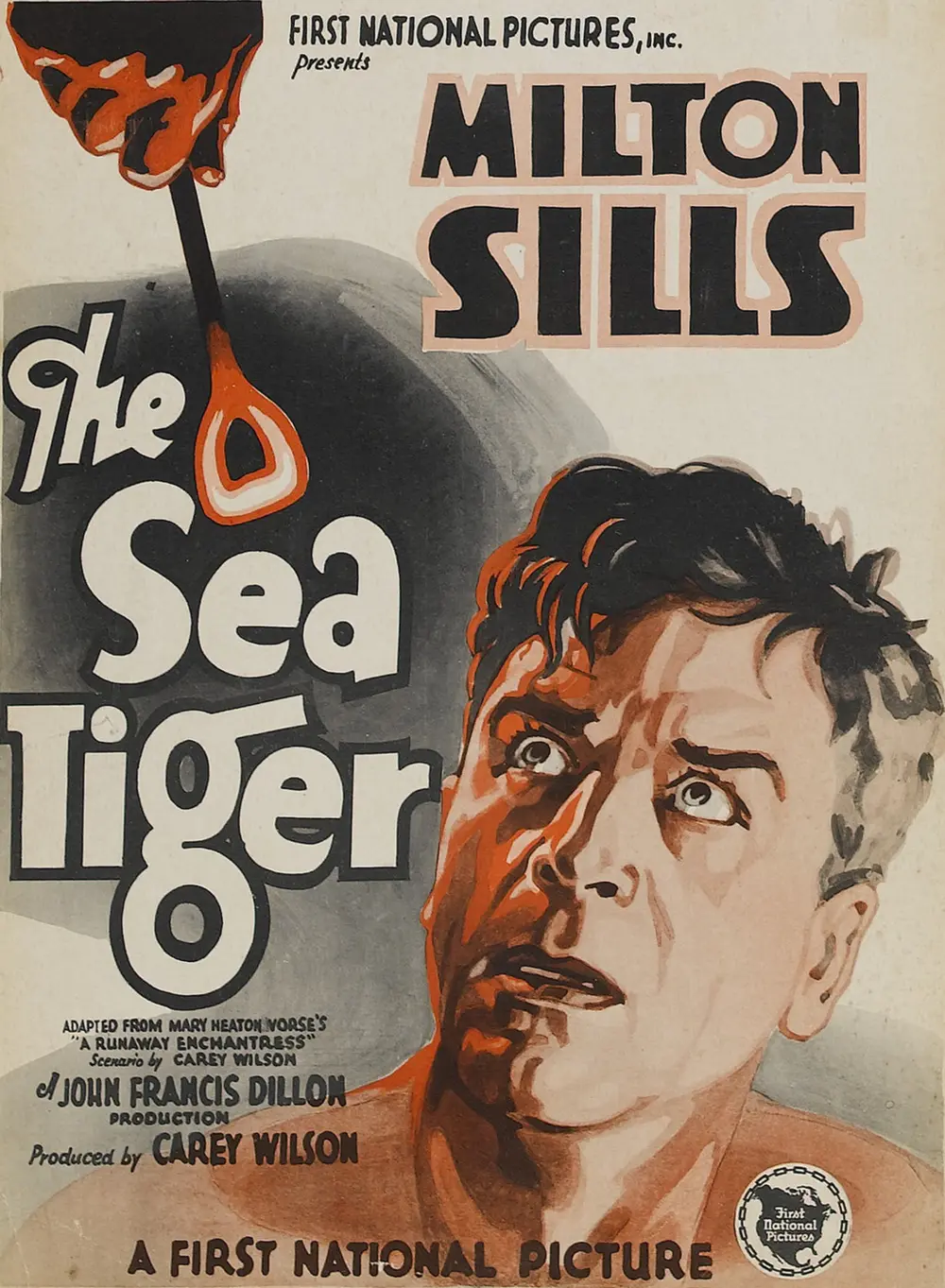
A definitive 7/10 rating for a film that redefined the boundaries of cult cinema. The Sea Tiger remains a cornerstone of transgressive art.
Is The Sea Tiger a hidden gem of the late silent era or just another dusty relic? Short answer: Yes, it is worth your time, but only if you appreciate the raw, physical charisma of Milton Sills and the early luminosity of Mary Astor.
This film is specifically for those who enjoy maritime melodramas and the 'tough guy with a heart of gold' trope. It is definitely not for viewers who require fast-paced action or those who find the exaggerated gestures of 1920s cinema to be more comical than emotional.
1) This film works because the central tension between Milton Sills and Mary Astor feels modern and grounded despite the era's stylistic constraints.
2) This film fails because the character of Charles is written with such grating incompetence that it makes Julian’s devotion feel less like loyalty and more like enabling.
3) You should watch it if you want to see a masterclass in silent-era physical acting and a rare cinematic glimpse of the Canary Islands before they became a tourist hub.
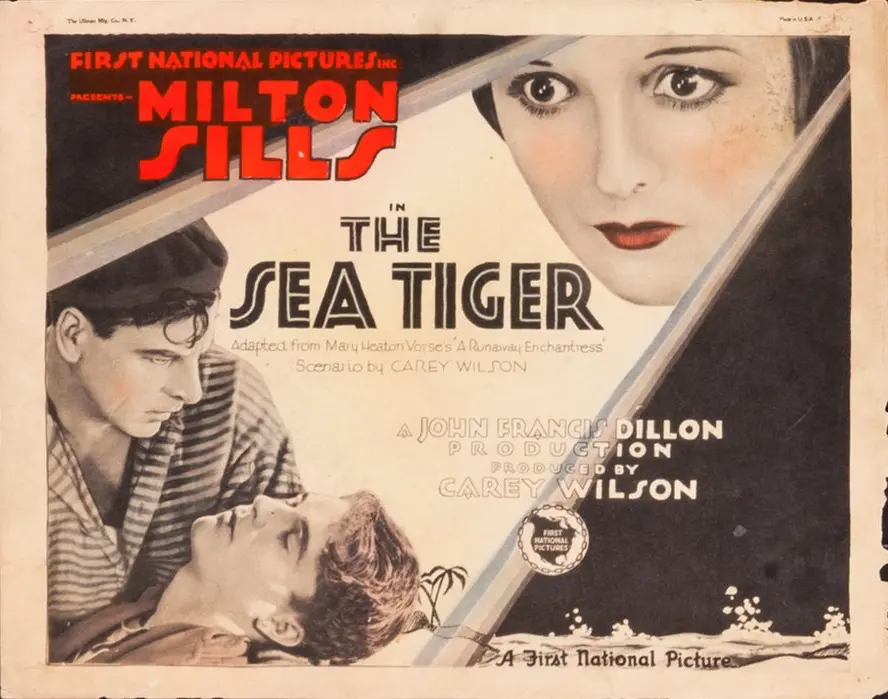
Milton Sills was the archetypal 'man's man' of the 1920s, and in The Sea Tiger, he earns his moniker. There is a specific scene early in the film where Julian is hauling nets, his muscles strained, his face a mask of salt-crusted determination. It is a moment that defines the character before a single line of intertitle text is read. Sills doesn't just play a fisherman; he embodies the weight of the sea itself.
His performance here is a fascinating counterpoint to the more theatrical style found in films like A Fool There Was. While his contemporaries often leaned into wild-eyed expressions, Sills uses a controlled, simmering intensity. When he looks at his brother Charles, you see a mixture of exhaustion and unconditional love that feels remarkably human. It works. But it’s flawed by the script's insistence on making him a martyr.
The 'Sea Tiger' persona is not just a nickname; it’s a social barrier. Julian is a man of the earth and sea, while the woman he eventually loves represents the unattainable heights of the aristocracy. This class conflict is handled with more nuance than one might expect from a 1927 production. Sills plays the 'pretend' courtship with a clumsy charm that slowly gives way to genuine vulnerability.

Mary Astor, long before her iconic turn in The Maltese Falcon, shows exactly why she was a star. In The Sea Tiger, she plays the aristocratic love interest not as a porcelain doll, but as a woman with a keen sense of observation. There is a moment when Julian is 'pretending' to woo her, and the camera catches Astor’s eyes narrowing. She isn't just being courted; she is evaluating him.
Compared to the performance in The Thief, Astor brings a much more internal logic to her role. She manages to convey a sense of boredom with her own class that makes her attraction to the rugged Julian believable. When they finally share a frame during the climax, the chemistry is palpable, transcending the lack of spoken dialogue. It is a rare instance where the romance feels earned rather than dictated by the plot.
The contrast between her refined movements and Sills’ heavy, grounded gait creates a visual rhythm that keeps the film moving. While Alice White and Emily Fitzroy provide solid supporting work, the film truly lives and dies on the Sills-Astor axis. Without their specific gravity, the plot would likely float away into the ether of generic melodrama.
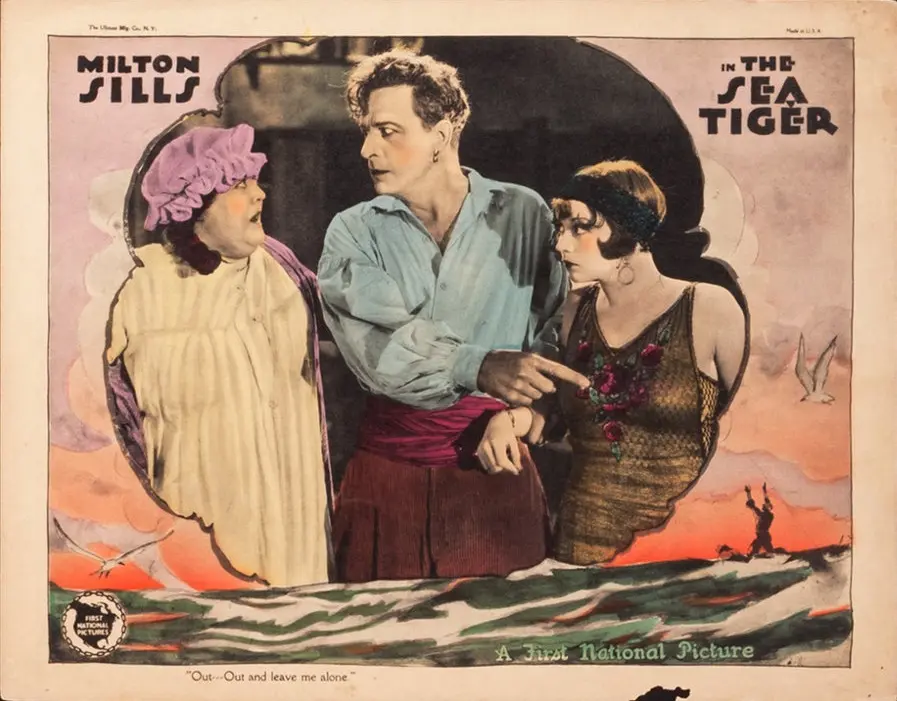
Is The Sea Tiger worth a modern viewing?
Yes, for those interested in the evolution of the romantic hero. The film offers a unique blend of rugged adventure and psychological romance. It serves as a bridge between the swashbuckling silents of the early 20s and the more character-driven dramas that would emerge with the advent of sound. The cinematography alone, capturing the stark beauty of the Canary Islands, justifies a look for any cinephile.
The Canary Islands setting isn't just a backdrop; it’s a character. The director uses the jagged rocks and crashing waves to mirror Julian’s internal turmoil. Every time the story threatens to become too sentimental, we are pulled back to the harsh reality of the docks. This grounded aesthetic reminds me of the atmospheric work in The Submarine Eye, where the environment dictates the stakes.

The lighting in the indoor scenes—particularly in the aristocratic villas—is surprisingly sophisticated. Deep shadows and high-contrast frames emphasize the distance between the two worlds. There is a specific shot of Julian standing in a doorway, silhouetted against the bright island sun, that perfectly encapsulates his status as an outsider looking in. It is a simple, punchy visual that says more than three pages of dialogue ever could.
Pacing-wise, the film does suffer from the middle-act sag common in silent features. The subplot involving Charles’ various dalliances feels repetitive. We get it: the brother is a parasite. We don't need three different scenes of him getting into trouble to understand Julian’s motivation. However, when the focus returns to the central romance, the film regains its momentum with surprising force.
Pros:
• Exceptional chemistry between the leads.
• Striking location photography that feels authentic and gritty.
• A sophisticated take on class dynamics for its time.
• Strong, clear-eyed direction that avoids unnecessary sentimentality.

Cons:
• The supporting characters are largely forgettable archetypes.
• Some plot points rely on convenient coincidences that strain belief.
• The pacing in the second act is noticeably sluggish.
The plot of a man pretending to love a woman only to fall for her is a tale as old as time. It’s a trope that can easily fall into the 'creepy' category by modern standards. However, The Sea Tiger escapes this trap through Julian's obvious discomfort. He isn't a master manipulator; he’s a desperate brother. This vulnerability makes his eventual realization of love feel like a relief rather than a conquest.
There is a brutal simplicity to the film's climax. It doesn't rely on massive explosions or grand speeches. Instead, it relies on a choice. Julian must choose between the life he has built and the woman he has discovered. It’s a binary decision that resonates because the film has spent so much time establishing the weight of his responsibilities. The brother is a burden. The woman is a possibility. The choice is inevitable.
In many ways, this film feels like a precursor to the noir sensibilities that would dominate the 1940s. The idea of a man trapped by his own loyalty, caught in a web of his own making, is very much in line with the genre's later developments. While it lacks the cynicism of noir, the structural DNA is clearly present.
The Sea Tiger is a robust, well-crafted piece of silent cinema that succeeds because it understands its strengths. It doesn't try to be an epic; it tries to be a character study set against a beautiful, harsh landscape. Milton Sills delivers a performance of remarkable grit, and Mary Astor proves why she remained a force in Hollywood for decades. Despite a weak secondary protagonist and some pacing issues, the film remains a compelling watch. It is a testament to the power of visual storytelling and the enduring appeal of the 'Sea Tiger' archetype. It is not a masterpiece, but it is a damn good movie. Watch it for the history, stay for the sparks between the leads.
IMDb —
1929
Community
Log in to comment.