DbcultAccessing Vault...
Cult Review
Senior Film Conservator
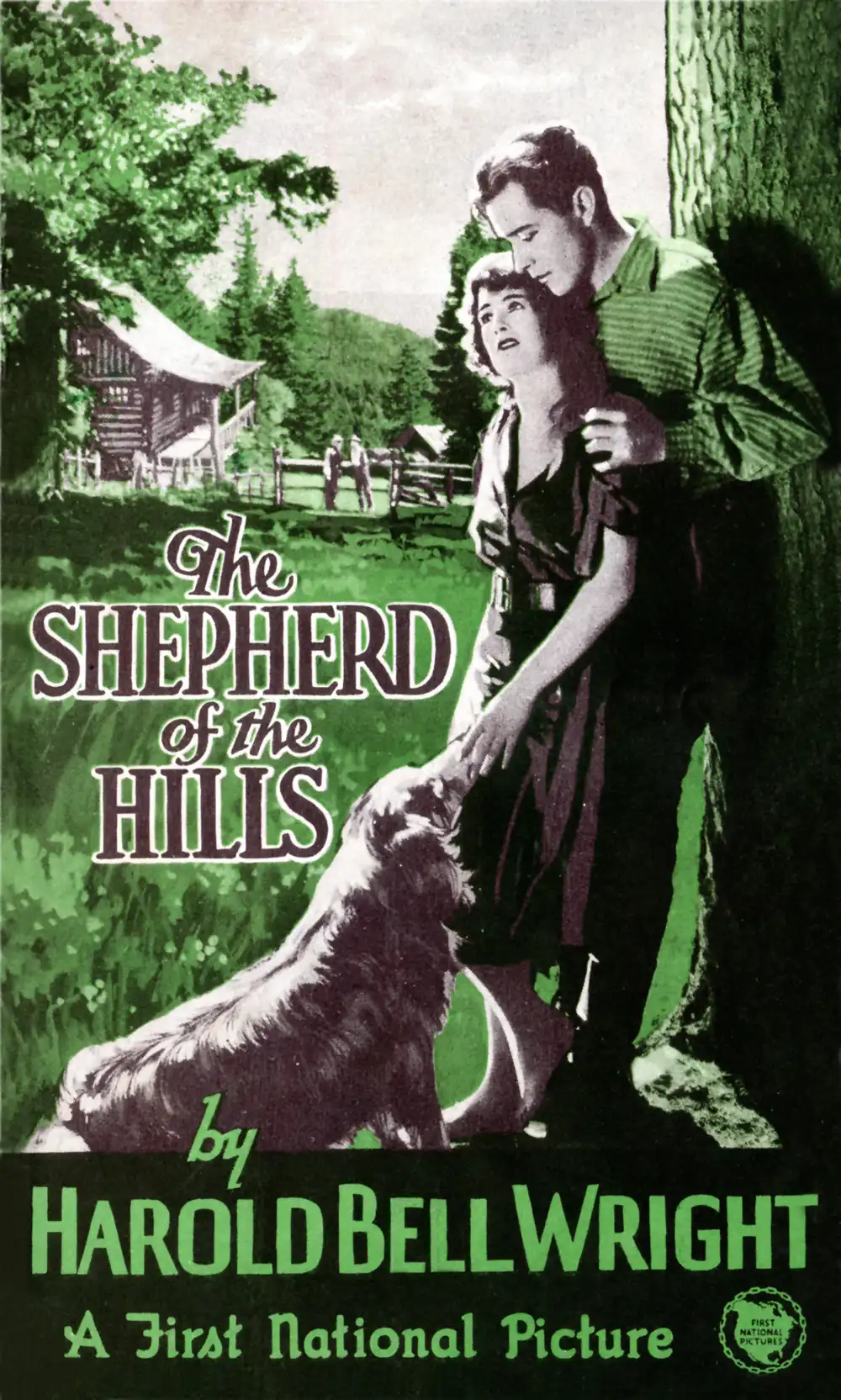
If you’re the type of person who finds the high-drama posturing of late silent films more charming than annoying, this is probably worth ninety minutes of your life. It’s for people who like watching actors try to look 'rugged' while clearly wearing enough pancake makeup to survive a sandstorm. If you’re looking for a gritty, realistic depiction of mountain life, you’re going to hate this. It’s a moral fable that feels like it was filmed inside a series of slightly dusty paintings.
John Boles plays Young Matt. He spends a significant portion of the first act just... staring. He stares at the hills, he stares at the dirt, he stares at the middle distance with this look of intense, localized constipation that 1920s audiences must have interpreted as 'brooding revenge.' He’s mad because his dad left his mom, and he’s decided his personality is going to be 'Hate Everyone.' It’s a bit much. There’s a scene early on where he’s leaning against a tree and he looks so much like a department store mannequin that I forgot he was supposed to be a living person for a second.
Then the Shepherd shows up. Alec B. Francis plays him with this watery-eyed, saintly patience that makes you want to either hug him or tell him to get a hobby. He’s the 'stranger with a secret' trope before it became a total cliché. The way he interacts with the hillfolk is interesting because he’s so clearly from a different world—not just the city, but like, a different plane of existence where everyone speaks in flowery metaphors. Unlike the more frantic energy in something like The Avenging Trail, this movie takes its sweet time letting people just stand in doorways.
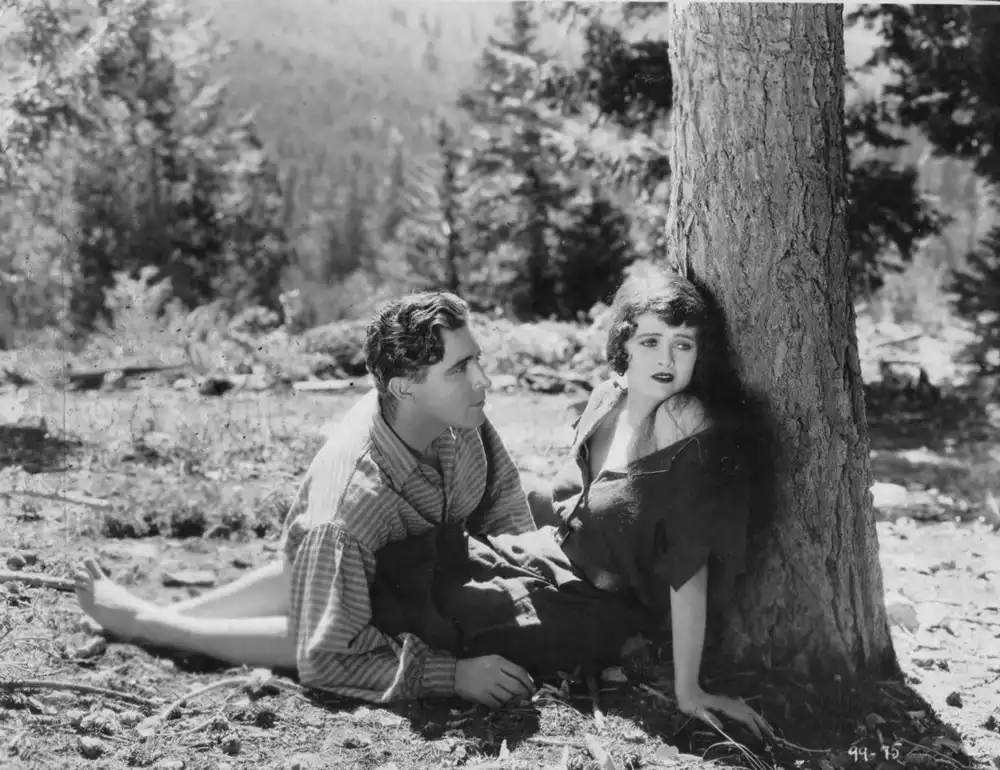
The lighting in the cabin scenes is actually pretty great. There’s this one shot where the light comes through a window and hits a dusty table, and for a moment, the movie stops being a melodrama and feels like a real memory. But then someone walks into the frame and starts doing 'Big Acting' with their hands and the spell breaks. Molly O'Day as Sammy Lane is fine, but she looks way too polished. Her hair is always perfectly coiffed, even when she’s supposed to be a 'wild mountain girl.' It’s that classic Hollywood thing where 'poor' just means your dress has one small, strategically placed patch on it.
There is a weird edit about forty minutes in during a conversation near a fence. The camera cuts from a wide shot to a close-up, but the actors' positions are completely different. It’s like they filmed the close-up three days later and forgot where everyone was standing. It’s the kind of thing you only notice if you’re actually paying attention, but once you see it, it’s hilarious. The fence post just... moves six inches to the left.
Speaking of things that feel off, the pacing in the middle section drags like a sled on dry grass. There are several scenes of people walking up hills that could have been cut by half. We get it, the Ozarks are hilly. You don't need to show us every single incline. It lacks the punchy rhythm of Rustling a Bride or even the weirdly specific energy of Call for Mr. Caveman. It’s trying to be 'Important,' and you can feel the weight of that ambition in how slow the title cards stay on screen.
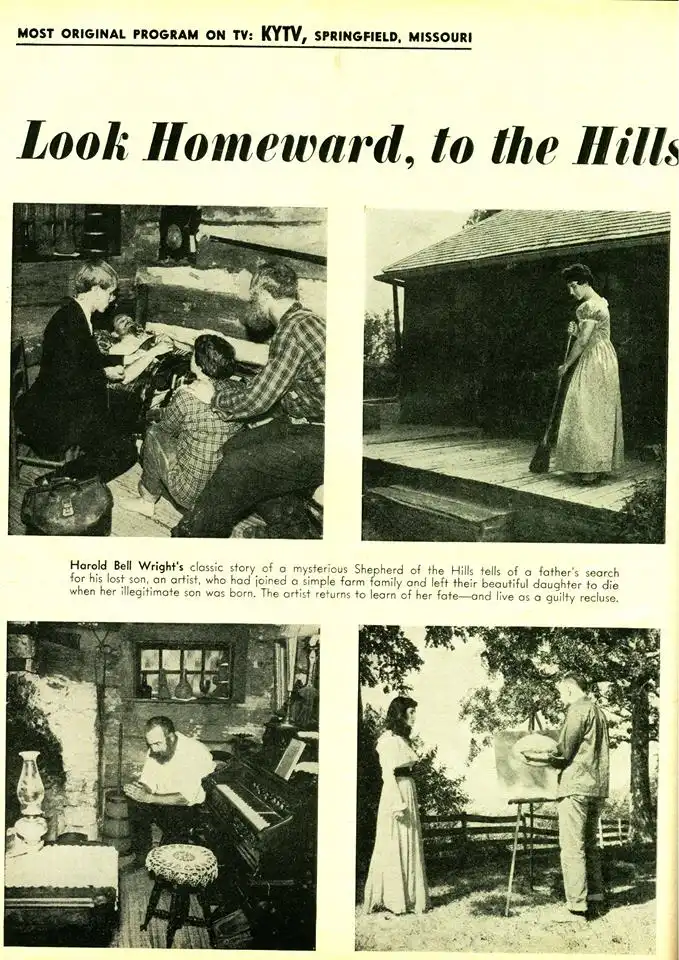
The chemistry between Boles and O'Day is... functional? They look like two people who were told to stand near each other and pretend they’ve known each other since childhood. There’s no spark, just a lot of earnest nodding. It’s actually the Shepherd’s relationship with the community that carries the movie. Alec B. Francis has this way of tilting his head that makes him look genuinely concerned about the people around him, even when the script is giving him some pretty hokey dialogue to work with.
One thing I noticed was the background extras. In the village scenes, there’s always someone in the back who looks like they have no idea what they’re supposed to be doing. There’s a guy leaning against a porch in one shot who is just staring directly at the camera with a 'when is lunch?' expression. It’s these little cracks in the artifice that I love about movies from this era. They were trying so hard to create this epic, soulful experience, but they couldn't control the guy in the hat who just wanted his five dollars for the day.
The climax involves a lot of mist and some very dramatic shadows. It’s effective, in a stagey kind of way. The movie gets significantly better once it stops trying to explain everyone's feelings and just lets the visuals do the work. The landscape becomes a character, which is a phrase I usually hate, but here it actually fits. The hills look lonely. By the time the 'secret' is revealed—which you’ll probably guess in the first twenty minutes if you’ve ever seen a movie before—you’re mostly just waiting for Boles to stop scowling.
It’s a strange film. It’s not as fun as Beverly of Graustark and not as intense as it thinks it is. But there’s a sincerity to it that’s hard to find now. It’s a movie that believes in things like 'redemption' and 'the goodness of man' without any irony. That makes it feel like a relic, but a pretty one. Just don't expect it to move quickly. It’s a mountain movie; it moves at the speed of a rock slide, which is to say, not at all until everything happens at once.
IMDb 6.3
1927
Community
Log in to comment.