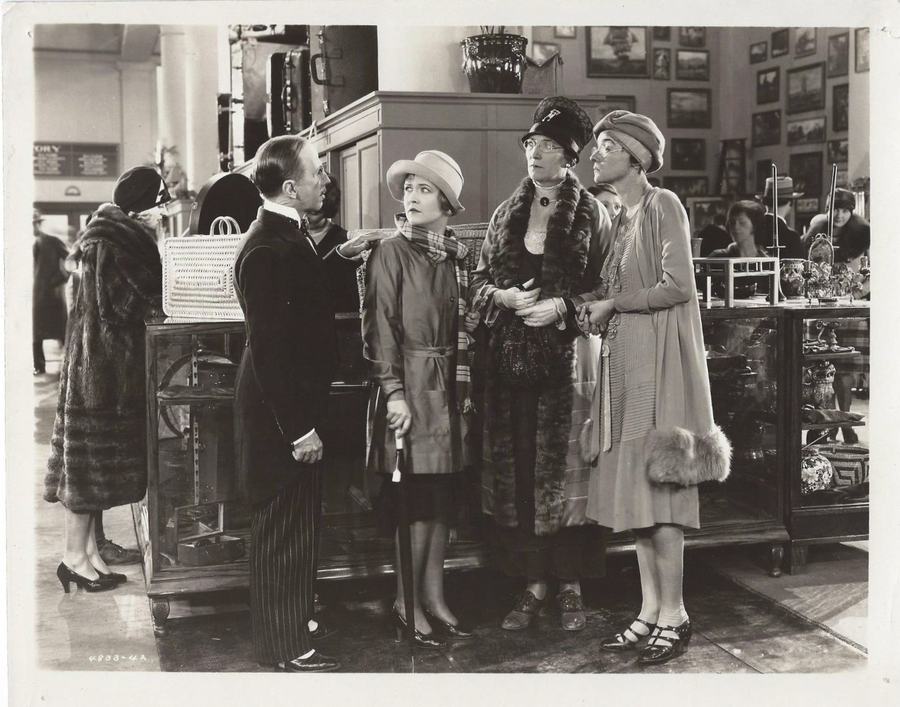
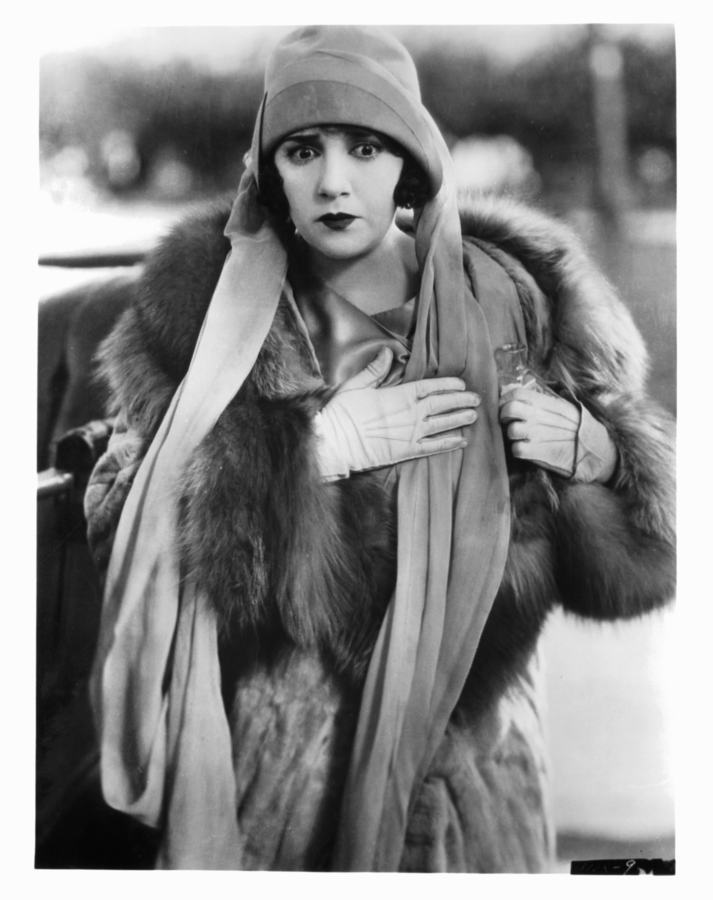
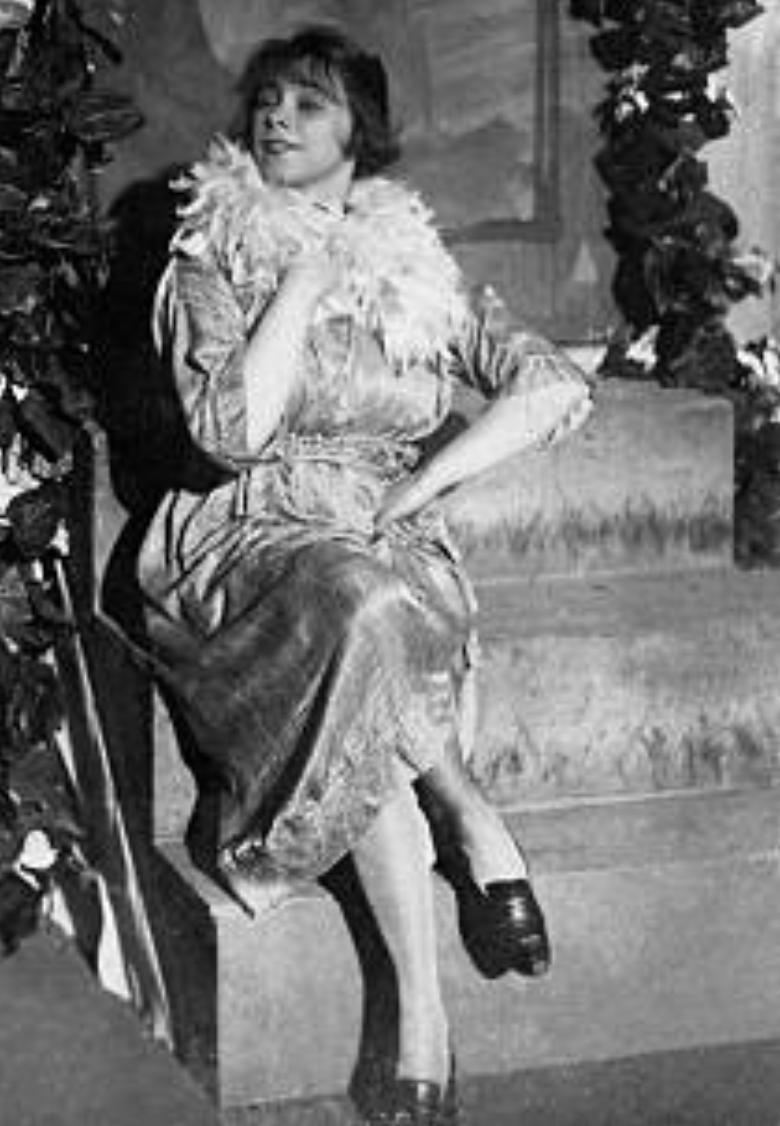
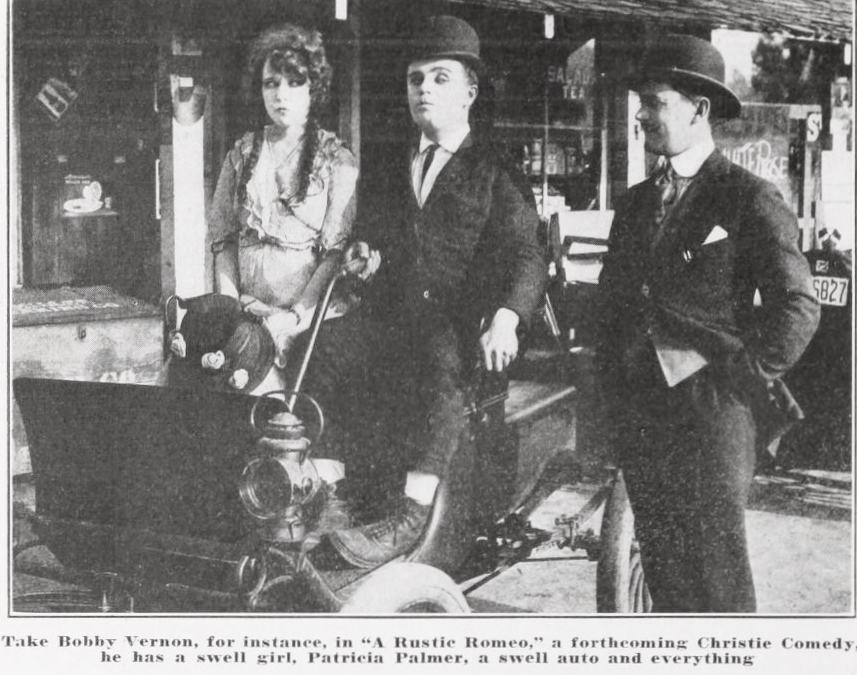
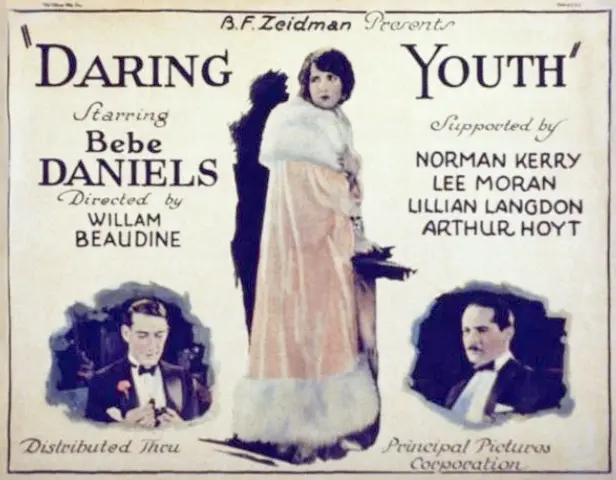
Alita Allen is about to be married to her fiancé, John Campbell. However, Alita's mother--who has been unhappily married for 25 years--puts her foot down and tells her husband that there's a new arrangement: she will have breakfast with him twice a week, but other than that both will have complete freedom from each other.
The Architectural Subversion of the Domestic Sphere The cinematic landscape of 1924 was a crucible of shifting social paradigms, and Daring Youth emerges as a remarkably prescient artifact of that era's burgeoning skepticism toward institutionalized matrimony. While contemporaries like Nothing But Nerve leaned heavi...

Comparing the cinematic DNA and archive impact of two defining moments in cult history.
William Beaudine
Alexander Butler
Community
Log in to comment.
" The Architectural Subversion of the Domestic Sphere The cinematic landscape of 1924 was a crucible of shifting social paradigms, and Daring Youth emerges as a remarkably prescient artifact of that era's burgeoning skepticism toward institutionalized matrimony. While contemporaries like Nothing But Nerve leaned heavily into the slapstick kinetics of the period, this Dorothy Farnum-penned script navigates the treacherous waters of psychological warfare within the American parlor. The film does ..."
Lillian Langdon
Dorothy Farnum, Alexander Neal, William Shakespeare
United States


Deep dive into the cult classic
Discover similar cinematic experiences
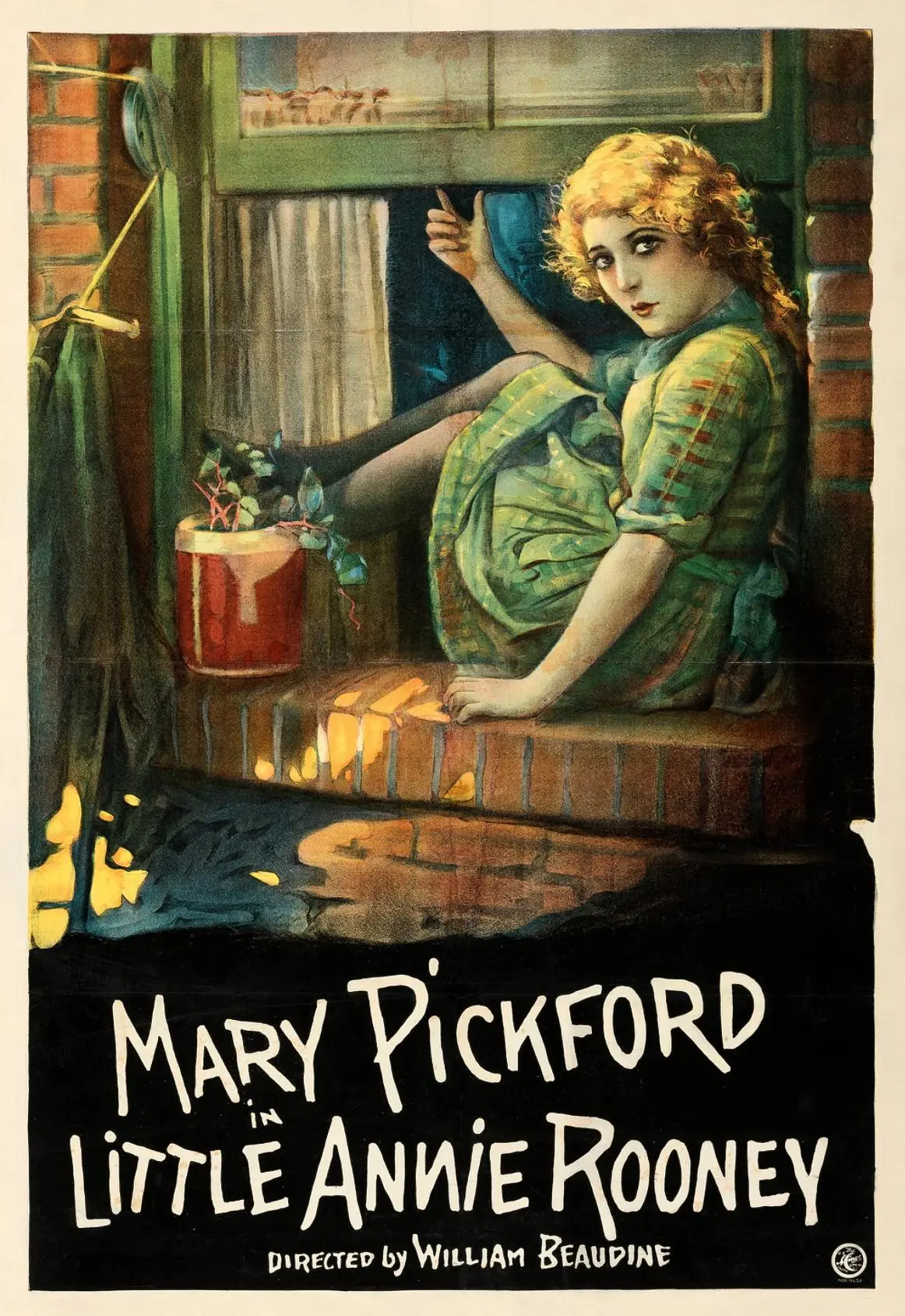
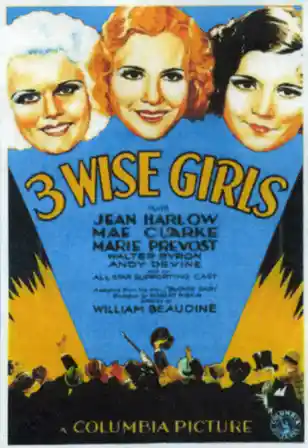
A Directorial Spotlight on William Beaudine