DbcultAccessing Vault...
Cult Review
Senior Film Conservator
Is The Sky Jumper worth watching today? Short answer: absolutely, if you appreciate the foundational chaos of early cinema. This silent adventure-comedy is a delightful, if somewhat frantic, glimpse into an era where physical comedy reigned supreme, making it perfect for film historians and those seeking unadulterated escapism, but perhaps not for viewers accustomed to nuanced narratives or sophisticated pacing.
It's a curious artifact, a testament to the sheer ingenuity and often absurd lengths filmmakers would go to entertain without dialogue. This film is for anyone who cherishes the raw energy of silent-era slapstick and the thrill of a good chase, no matter how improbable. It is decidedly not for those who demand deep character development, intricate plot twists, or films that take themselves too seriously.
The Sky Jumper, a silent film from the golden age of physical comedy, is a fascinating study in accidental heroism and escalating absurdity. Directed with a clear understanding of comedic timing, it leans heavily on the visual language that defined the era, delivering a narrative that, while simple, is executed with a relentless pace. Its charm lies in its commitment to the bit, however outlandish.
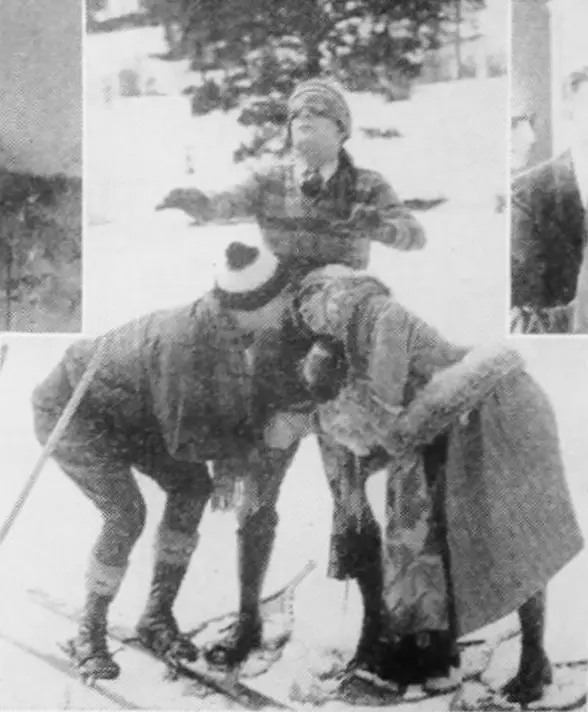
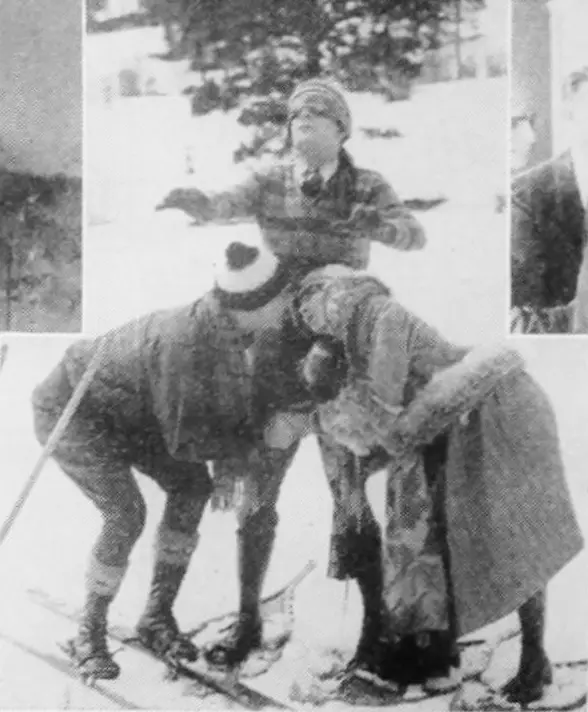
The film works because of its unwavering commitment to slapstick and the sheer, unadulterated energy of its central performance. It's a masterclass in how to build comedic tension through physical gags and escalating stakes, even when those stakes are entirely ridiculous. The sequence of Van being involuntarily pushed down the ski slope, for instance, is a perfectly choreographed piece of silent comedy, showcasing the character's terror and the unexpected triumph simultaneously.
This film fails because its narrative, while entertaining, is almost entirely devoid of emotional depth or character arc. Van's journey is one of pure reaction, a series of fortunate accidents rather than conscious choices, which can leave modern viewers feeling a disconnect. It’s an exercise in spectacle over substance, which, while fun, can feel thin over its runtime.
You should watch it if you're a fan of early cinema, enjoy purely visual humor, or are curious about the origins of the 'accidental hero' trope. It's a joyous, if slight, piece of film history.
The premise of The Sky Jumper is delightfully straightforward: a casual taunt leads to a high-stakes challenge. Van, portrayed with a charming blend of timidity and accidental bravado, finds himself pitted against a rival ski jumper. The initial jump, forced upon him, sets the tone for the entire film – a series of events where Van is less an agent of his destiny and more a passenger on a runaway train of fate. This foundational concept, while simple, is surprisingly effective in generating continuous laughter and suspense.
The genius of the film lies in its ability to take a man utterly terrified of a sport and turn him into an unwitting champion. The record jump isn't a result of skill, but of pure, unadulterated fear and momentum. This subversion of the traditional hero's journey is refreshing, even a century later. It posits that sometimes, the greatest achievements are born not of courage, but of sheer, panicked survival instinct.
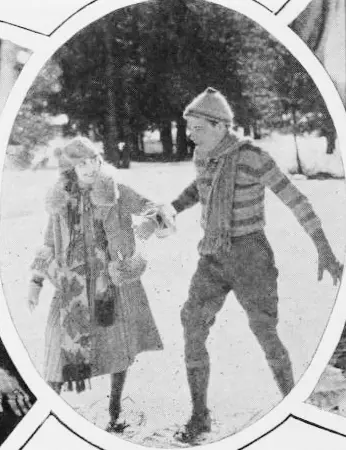
In the silent era, an actor's face and body were their entire vocabulary. Florence Gilbert, as Van, delivers a performance that perfectly encapsulates the character's reluctant heroism. Her wide-eyed terror on the ski slope is palpable, yet her subsequent, almost bewildered, triumph is equally convincing. It’s a nuanced portrayal of a man out of his depth, conveying more through a grimace or a flailing limb than many modern actors manage with dialogue.
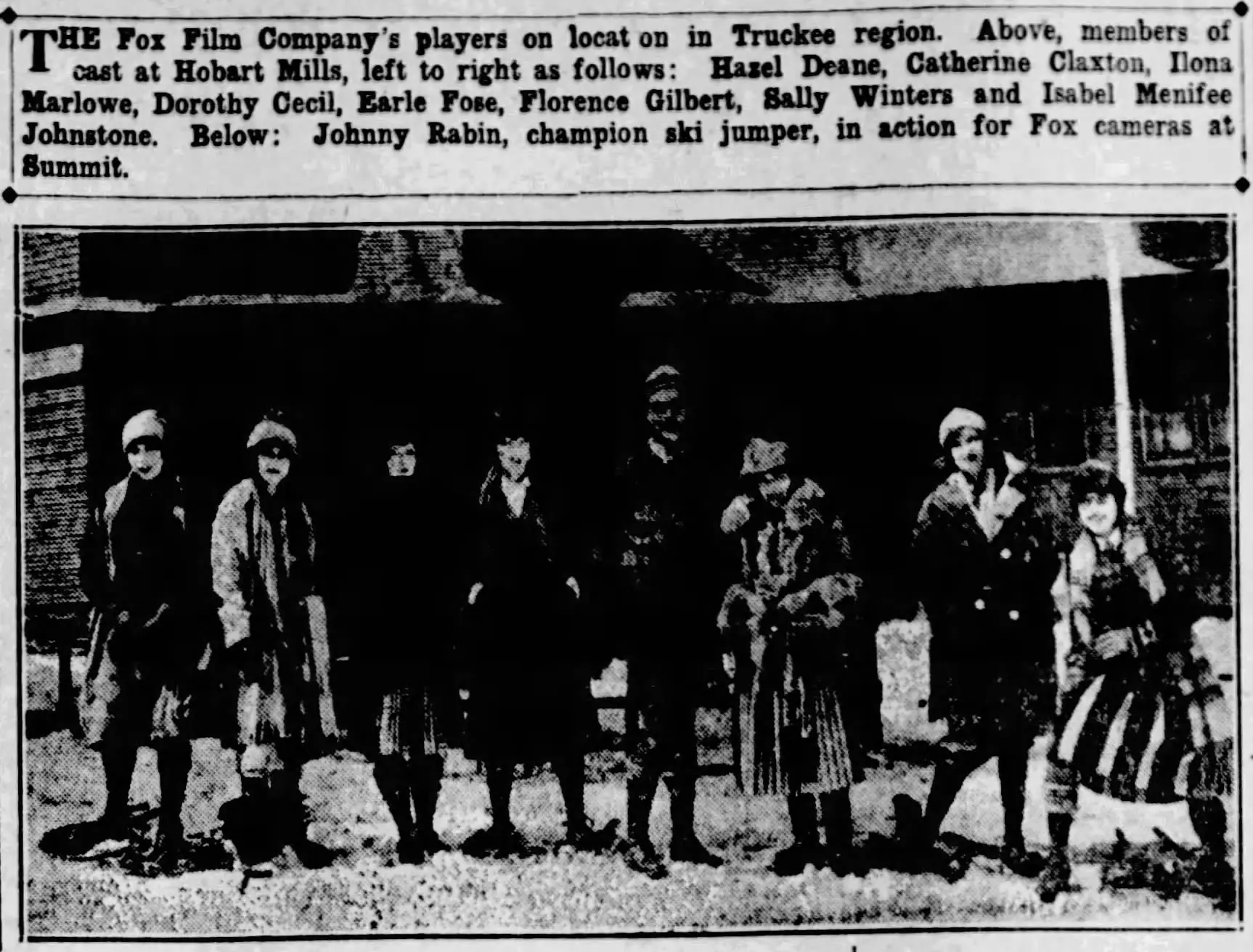
Earle Foxe, likely playing the rival, embodies the exaggerated villainy common to silent film antagonists. His sneering challenge and subsequent attempts to sabotage Van are broad, yet effective, providing the necessary antagonistic force to propel the plot forward. The supporting cast, including Sally Winters and Hazel Deane, contribute to the overall vibrancy, often reacting with expressive pantomime that underscores the unfolding chaos. One particularly memorable moment is the rival's smug push, a simple action that speaks volumes about his character and Van's predicament.
This physical storytelling is a lost art, and watching Gilbert navigate the increasingly absurd scenarios is a masterclass in silent comedic acting. Unlike some of her contemporaries in The Innocence of Lizette, Gilbert's performance here feels less melodramatic and more grounded in comedic timing, even amidst the over-the-top antics.
The direction of The Sky Jumper is a testament to the skill required to craft compelling narratives without sound. The film moves at a breakneck pace, each scene flowing seamlessly into the next, building momentum like Van on his improvised skis. The staging of the ski jump itself is particularly impressive for its time, likely involving clever camera angles and practical effects to convey the height and speed. The sense of scale, even in these early films, is often underestimated.
Cinematography, while rudimentary by today's standards, effectively captures the expansive, often dangerous, landscapes that serve as the backdrop for Van's escapades. Wide shots are employed to emphasize the isolation of the snowy hills and the sheer distance Van must cover, adding to the feeling of his predicament. The chase sequence involving the bear, while clearly staged, is edited with a dynamic energy that keeps the audience invested. The use of quick cuts during the final tree-flinging sequence is surprisingly effective, creating a dizzying sense of motion that perfectly culminates Van's chaotic journey. It’s a far cry from the more intimate, character-driven shots seen in dramas like Women Men Forget, but perfectly suited to its comedic purpose.
The pacing of The Sky Jumper is relentless. There is barely a moment for Van, or the audience, to catch their breath. From the initial challenge to the final, accidental victory, the film is a continuous escalation of comedic scenarios. This rapid-fire delivery is a hallmark of early silent comedies, designed to keep audiences engaged through sheer spectacle and constant motion. The tone is lighthearted and farcical, never straying into genuine peril, despite the presence of bears and dizzying heights.
The film thrives on its predictability – you know Van will somehow bumble his way to victory – but it’s the 'how' that provides the constant entertainment. The bear chase, for instance, serves no real narrative purpose beyond providing another obstacle for Van to comically overcome, further highlighting his unwitting resourcefulness. This kind of pure, unadulterated slapstick, where the plot is merely a vehicle for gags, is a refreshing change of pace from today's often overly complex comedies. It’s a film that understands its purpose: to elicit laughter through physical absurdity, much like Frenzied Film, though with a more outdoor adventure twist.
Absolutely, yes, but with a clear understanding of its historical context. The Sky Jumper is a charming, often hilarious, relic of a bygone era. It offers a window into the origins of screen comedy, showcasing how simple premises and exaggerated physical performances could captivate audiences. For anyone interested in film history, the evolution of comedic storytelling, or simply in need of a good, old-fashioned laugh, this film is a worthwhile watch. It’s a reminder that sometimes, the most effective humor comes from the most unexpected places and the most accidental heroes.
It’s not a film that will challenge your perceptions or offer profound insights into the human condition. Its goals are far simpler: to entertain, to thrill, and to make you smile. And in that, it succeeds admirably. The sheer ingenuity of the stunts and the relentless comedic energy make it a surprisingly engaging watch, even for those unaccustomed to silent cinema. It works. But it’s flawed. Its lack of depth is a genuine criticism, but one easily overlooked if you embrace its particular brand of chaos.
The Sky Jumper is a joyous, if slight, piece of silent cinema that delivers exactly what it promises: a high-energy romp filled with slapstick, improbable escapes, and an accidental hero. While it may lack the narrative sophistication of later films, its raw comedic power and the sheer ingenuity of its physical gags make it an enduring, if somewhat niche, delight. It's a testament to the fact that sometimes, the most profound impact can come from the most unpretentious of stories. Go into it expecting pure, unadulterated fun, and you'll leave with a smile. It's not a masterpiece, but it’s a heck of a good time.
IMDb —
1916
Community
Log in to comment.