DbcultAccessing Vault...
5.4/10
Senior Film Conservator
A definitive 5.4/10 rating for a film that redefined the boundaries of cult cinema. The Slavey remains a cornerstone of transgressive art.
Stepping back into the nascent days of cinema, one encounters gems like "The Slavey", a film that, despite its apparent simplicity, offers a remarkably rich tapestry of early 20th-century life and the human condition. This isn't a grand epic or a sweeping romance; rather, it's an intimate, observational piece, a slice of life rendered with a surprising depth that belies its runtime and the era of its creation. At its core, the film is a vibrant character study, centered around Lizzie, played with an effervescent authenticity by Pearl Chapple, who embodies the spirit of the quintessential hotel factotum. She is the engine room of a bustling establishment, a woman whose days are a relentless ballet of duties, each task a brushstroke in the larger portrait of her tireless existence. The hotel itself, far from being a mere backdrop, emerges as a vibrant character in its own right, a microcosm of society where diverse individuals intersect, their brief sojourns illuminated by Lizzie's unwavering presence. It's a testament to the film's understated brilliance that it manages to convey so much about labor, class, and human interaction without uttering a single spoken word, relying instead on the expressive power of visual storytelling and the nuanced performances of its cast.
The narrative, if one can call it that in the traditional sense, is less about a linear plot progression and more about a series of vignettes, each revealing a facet of Lizzie's demanding profession and the peculiar inhabitants of her world. From the moment she greets the dawn with a broom in hand to her weary collapse at day's end, Lizzie's life is a continuous cycle of service. She cleans rooms, serves meals, answers bells, mends clothes, and, perhaps most importantly, navigates the eccentricities of her transient clientele with a remarkable blend of patience and pragmatism. This portrayal of an industrious working-class woman is particularly significant for its time. While other films of the era might have focused on more dramatic or glamorous roles, "The Slavey" elevates the everyday, showcasing the dignity and resilience inherent in honest labor. It subtly critiques the invisibility of such essential workers, inviting the audience to see the world through Lizzie's eyes, to appreciate the sheer volume of effort required to maintain the illusion of seamless hospitality. In a cinematic landscape that often romanticized or sensationalized, this film grounds itself in the unvarnished reality of an ordinary life, finding extraordinary meaning within it.
Pearl Chapple's performance as Lizzie is nothing short of captivating. She embodies a spirit that is both tenacious and tender, conveying a spectrum of emotions through subtle gestures and expressive facial work – a hallmark of silent film acting at its peak. There's a weariness in her shoulders, a spark of defiance in her eyes, and an underlying warmth that makes her instantly relatable. She’s not a tragic figure, nor is she a caricature; she is a fully realized individual, whose quiet determination resonates long after the final frame. Her interactions with the various guests are a masterclass in silent comedic timing and dramatic nuance. We see her exasperation with the demanding patrons, her empathy for the lovelorn, and her sheer fortitude in the face of relentless chores. It’s a performance that reminds us of the power of physical storytelling, a skill that could easily be overlooked in an age saturated with dialogue. Chapple manages to convey the heavy burden of her responsibilities while simultaneously hinting at an inner life, a resilience that allows her to face each new day with a renewed, if sometimes begrudging, sense of purpose. Her portrayal stands as a quiet but powerful testament to the unsung heroes of service, individuals whose labor, though often unseen, forms the very bedrock of society.
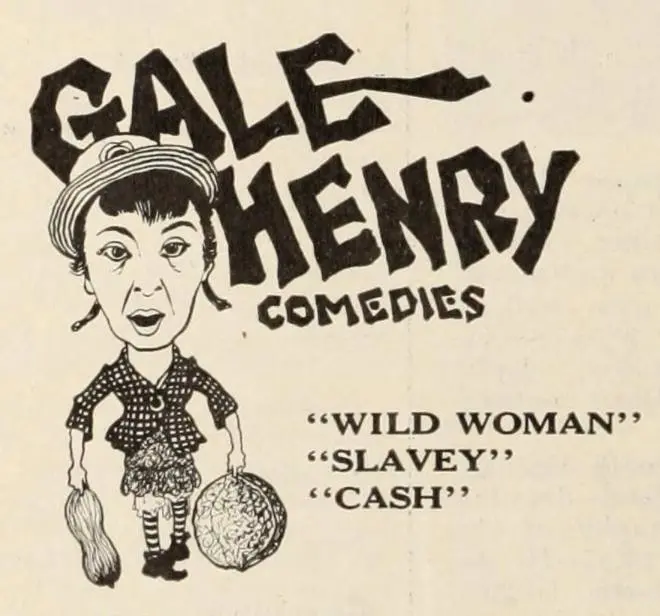
The hotel guests themselves are a delightful collection of archetypes, each contributing to the film's vibrant tapestry of human experience. We encounter the saccharine bliss of honeymooners, their world momentarily reduced to whispered endearments and shared glances, oblivious to the tireless efforts that facilitate their romantic idyll. Then there's the one-man band, a figure of charming eccentricity whose makeshift orchestra provides a cacophonous, yet oddly fitting, soundtrack to the hotel's daily rhythm. His presence injects a dose of boisterous humor, a reminder that even within the confines of a structured environment, individual expression finds a way to flourish. Perhaps most memorable is the theater actor, whose dramatic rehearsals spill from his private room into the public spaces, his booming recitations and exaggerated gestures providing a constant source of amusement and occasional annoyance for Lizzie. These characters, though briefly glimpsed, are etched with enough specificity to feel authentic, each a fleeting brushstroke in the larger portrait of transient humanity that passes through Lizzie's domain. Their interactions, however brief, highlight the transactional nature of hospitality, but also the unexpected moments of genuine human connection that can arise even in such fleeting encounters. The hotel, in essence, becomes a stage where these mini-dramas unfold, with Lizzie as the ever-present, often unwitting, audience and facilitator.
Comparing "The Slavey" to other films of its era, one can appreciate its unique position. While a film like A Girl Named Mary might delve into more overt melodramatic narratives concerning working women, "The Slavey" opts for a quieter, more observational approach. It's less about a grand struggle and more about the daily grind, portraying resilience not as a dramatic act, but as a continuous state of being. Similarly, while The Price of Fame might explore the costs of public life, "The Slavey" focuses on the hidden costs of anonymity and relentless service. The film’s episodic structure, where individual scenes feel like self-contained sketches, might draw parallels to the early forms of variety shows or vaudeville, a popular entertainment format of the time. This structure allows for a rapid succession of comedic and poignant moments, preventing the film from feeling stagnant despite its confined setting. It’s a masterful use of cinematic language to convey the relentless, unpredictable rhythm of hotel life, where every moment brings a new demand or a new face.
The film's direction, though uncredited in many historical accounts for early shorts, demonstrates a keen understanding of visual storytelling. The camera often adopts a fly-on-the-wall perspective, allowing the audience to observe Lizzie's world unfold naturally. There's a subtle choreography to the movements of the actors and the staging of the scenes, ensuring that even in the absence of dialogue, the narrative remains clear and engaging. The use of close-ups, though perhaps not as prevalent as in later silent films, is employed effectively to highlight Lizzie's reactions, allowing us to connect with her emotional state. The hotel set, likely a relatively modest affair, is utilized to its fullest potential, feeling lived-in and authentic. Every prop, from the dusty broom to the stack of fresh towels, serves to ground the narrative in realism. It's a testament to the filmmakers' ingenuity that they could create such a vivid world with limited resources, relying instead on strong performances and clear visual cues. The film doesn't attempt grand cinematic flourishes; its power lies in its unassuming sincerity and its ability to find drama and humor in the everyday.
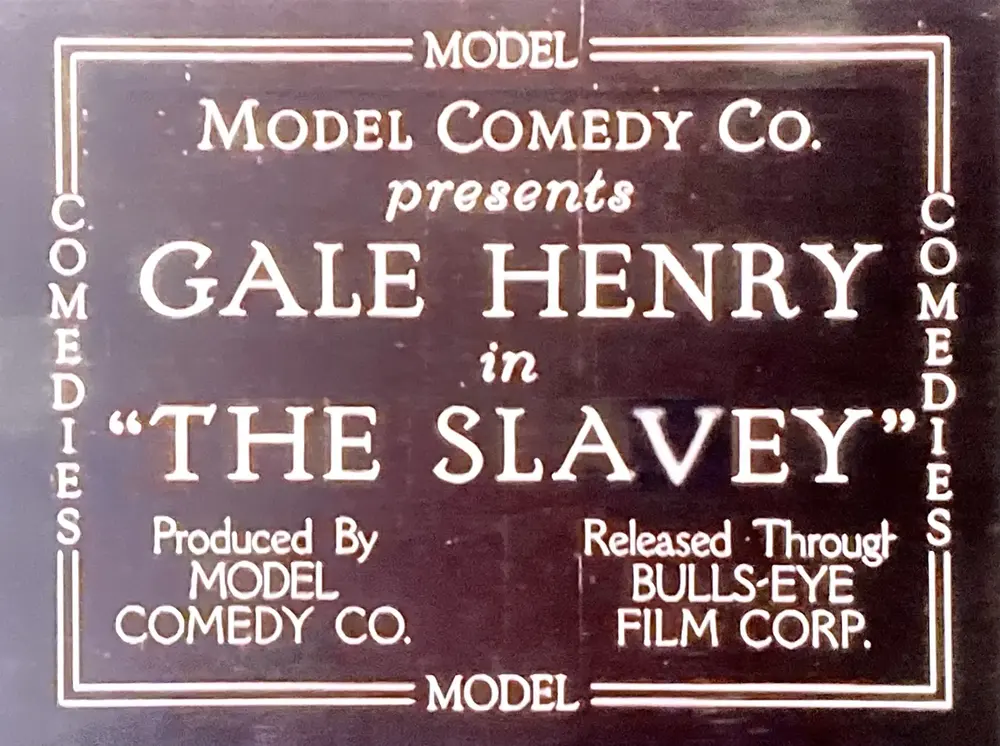
The comedic elements in "The Slavey" are largely born from situation and character. The one-man band's incessant noise, the actor's melodramatic pronouncements, and the occasional mishaps in Lizzie's duties provide genuine chuckles. It's a gentle humor, devoid of cynicism, reflecting a simpler time when physical comedy and observational wit held sway. This type of humor, often seen in contemporary films like Oh, Baby!, relies on relatable human foibles and the inherent absurdity of everyday life. However, beneath the lighthearted moments, there's a current of social commentary. The film quietly addresses the class distinctions prevalent in society, where Lizzie's tireless efforts often go unnoticed or unappreciated by those she serves. Yet, it avoids becoming preachy, instead presenting these realities as an inherent part of the social fabric, leaving the audience to draw their own conclusions about fairness and recognition. The film’s ability to weave humor and subtle social critique together is one of its most impressive achievements, demonstrating a sophisticated understanding of how to engage an audience on multiple levels.
The film's enduring appeal lies in its timeless themes of resilience, community, and the dignity of labor. Lizzie's struggle to maintain order amidst chaos, to serve with grace despite fatigue, is a universal human experience. We can all relate to the feeling of being overwhelmed by responsibilities, and we can all admire the strength required to persevere. The hotel, with its transient population, serves as a powerful metaphor for life itself – a place where people come and go, leaving their fleeting marks, while some, like Lizzie, remain, holding the fabric of everyday existence together. It's a narrative that, in its quiet way, champions the unsung heroes, the individuals whose contributions often go unnoticed but are absolutely vital. Much like the communal spirit that might be hinted at in films such as Studenci or En hjemløs Fugl, which might explore the daily lives of distinct social groups, "The Slavey" finds its resonance in depicting the interconnectedness of lives within a shared, albeit temporary, space. It’s a small film with a big heart, a gentle reminder that true character is often forged in the crucible of daily duties.
In conclusion, "The Slavey" is more than just an early silent film; it is a meticulously crafted cinematic sketch that captures the essence of an era and the indomitable spirit of its protagonist. Pearl Chapple’s performance as Lizzie anchors the film, imbuing her character with a humanity that transcends the limitations of the silent medium. The film's ability to blend observational comedy with subtle social commentary, all within the confines of a single location, is a testament to the ingenuity of early filmmakers. It’s a film that demands a viewer’s attention not through bombast or spectacle, but through its quiet authenticity and its profound appreciation for the everyday. For anyone interested in the foundational works of cinema, or simply in a heartwarming portrayal of human resilience, "The Slavey" remains an essential viewing experience. Its legacy persists not just as a historical artifact, but as a timeless piece of storytelling that continues to resonate with audiences, celebrating the quiet strength and unwavering dedication of those who, like Lizzie, keep the world turning, one demanding task at a time. It stands as a powerful counterpoint to films that focus on grand adventures or dramatic confrontations, instead finding its profound impact in the relentless, often unglamorous, rhythm of daily life and the quiet heroism found within it.
IMDb —
1923
Community
Log in to comment.