DbcultAccessing Vault...
5.6/10
Senior Film Conservator
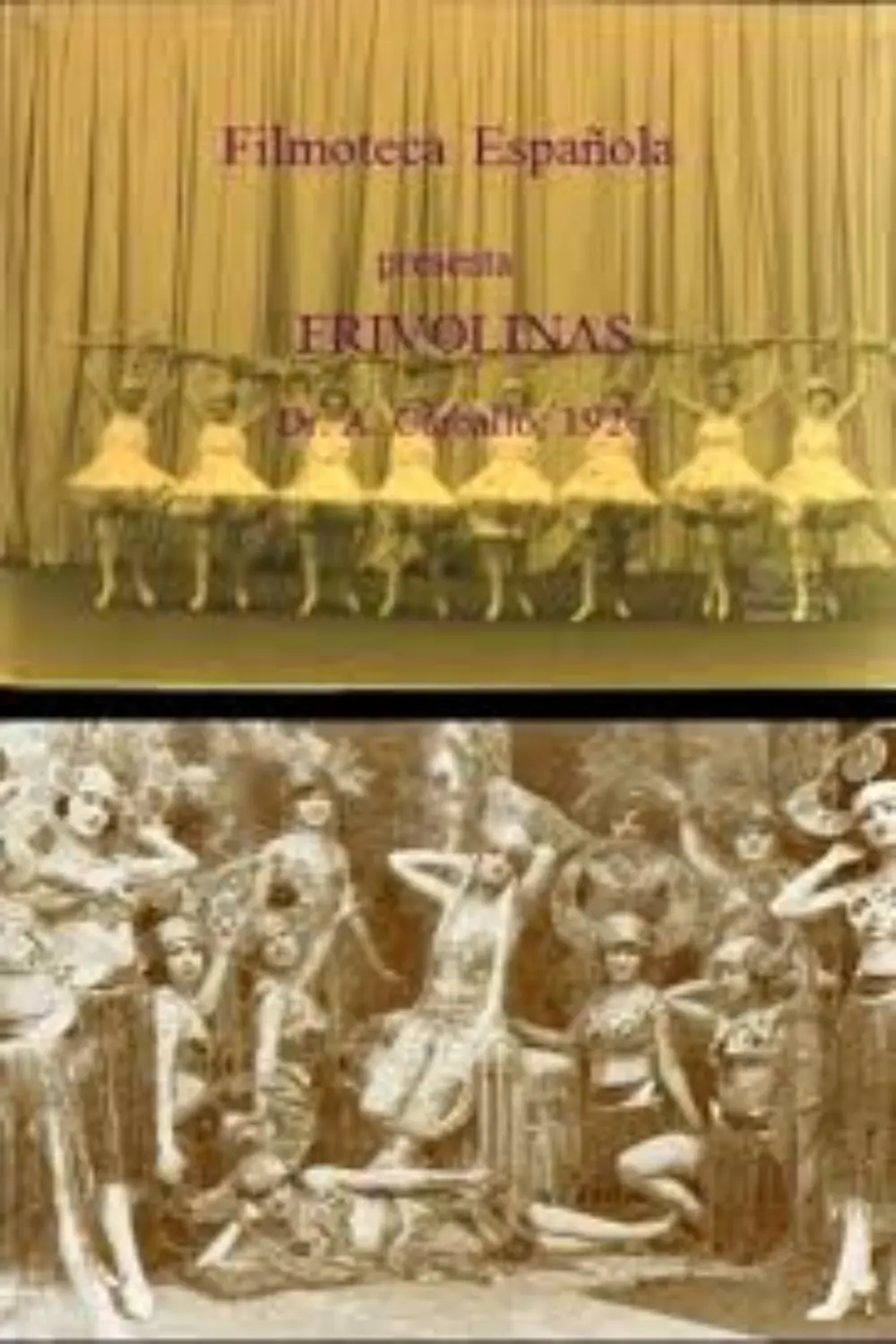
A definitive 5.6/10 rating for a film that redefined the boundaries of cult cinema. Frivolinas remains a cornerstone of transgressive art.
Is this film worth watching today? Short answer: No, unless you are a dedicated film historian or a lover of archival curiosities. For the average viewer seeking a story, Frivolinas will feel like a disjointed fever dream of 1920s stagecraft, but for those interested in the roots of Spanish entertainment, it is an indispensable artifact.
This film is for the academic researcher, the vintage fashion enthusiast, and the lover of silent-era stage performance; it is absolutely not for anyone looking for a coherent plot or modern cinematic pacing. It is a raw, unpolished look at what made people laugh and cheer in Madrid nearly a century ago.
1) This film works because it preserves the specific aesthetic and kinetic energy of the 'Revista' variety shows which were never intended to be permanent, capturing the intricate costume designs and the physical comedy of legends like Miguel Ligero.
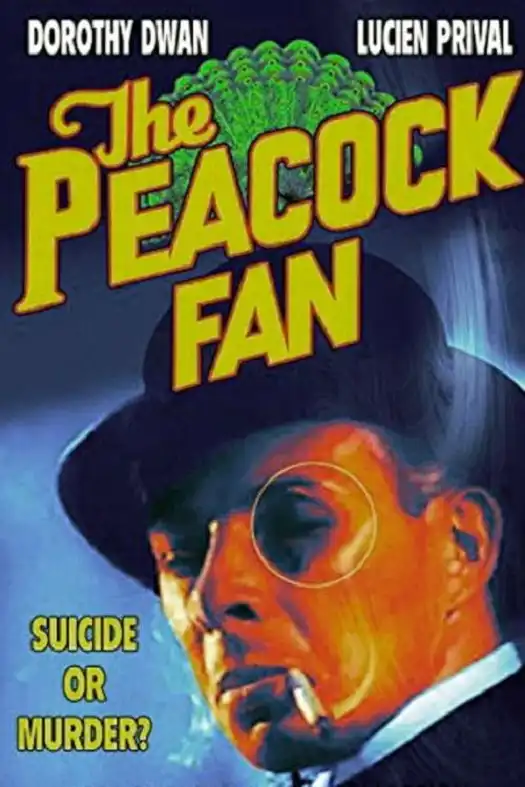
2) This film fails because it completely abandons the language of cinema in favor of a static, 'front-row seat' perspective that lacks the narrative tension or visual dynamism found in contemporary films like The Night Cry.
3) You should watch it if you want to witness the exact moment when Spanish theater attempted to colonize the cinema screen, or if you want to see the legendary bullfighter Juan Belmonte in a rare, non-sporting context.
Watching Frivolinas is akin to opening a dusty trunk found in the attic of a grand theater. It isn't a movie in the sense that Beauty and the Beast is a movie; it is a filmed catalog. The production was essentially a marketing vehicle for Eulogio Velasco, the Ziegfeld of Spain. By 1927, Velasco’s variety shows were the pinnacle of urban entertainment, and Frivolinas was his way of bringing the 'Arco Iris' and 'Las maravillosas' experience to the provinces where his troupes couldn't travel.
The film is structured as a series of disconnected vignettes. One moment, we are watching a chorus line of women in towering headdresses; the next, we are thrust into a slapstick routine. There is no connective tissue. It’s a mess. But it’s a fascinating mess. The lack of a script is actually its greatest strength as a historical document, as it doesn't try to hide its theatrical origins behind a forced plot.
This is a question of intent. If you go into Frivolinas expecting a cinematic journey, you will be bored within ten minutes. However, if you view it as a 1927 'time machine,' it becomes a gripping experience. It allows us to see the faces and movements of performers who were the icons of their day but are now mere footnotes in history books.
The film provides a direct answer to what Spanish audiences found 'modern' in the late 20s. It wasn't the avant-garde experiments of Buñuel; it was the sequins, the double entendres, and the physical prowess of the dancers. For that reason alone, it is worth a single, focused viewing for any serious cinephile.
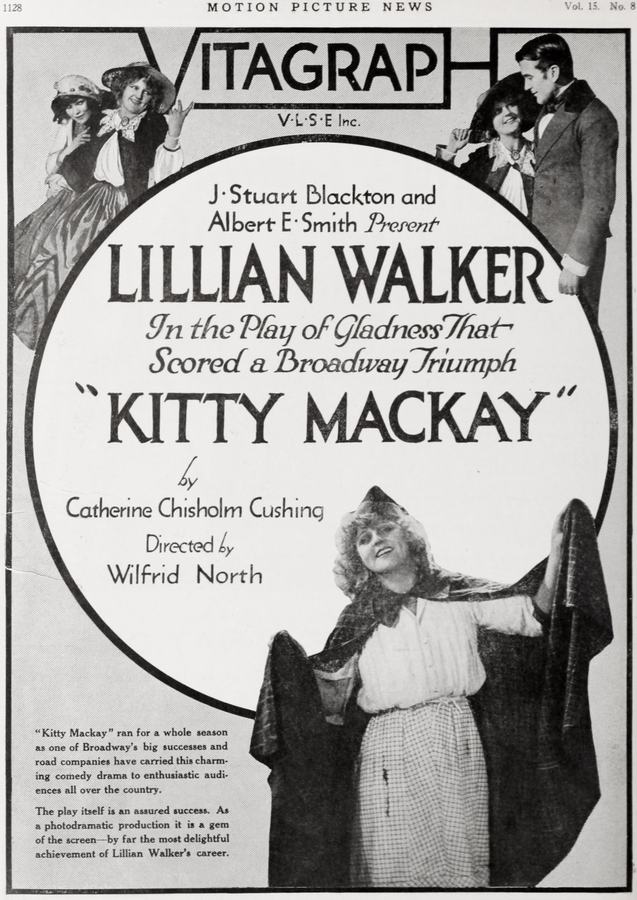
From a technical standpoint, Arturo Carballo’s direction is almost non-existent. He places the camera where the best seat in the house would be and simply lets the film roll. There is a complete lack of the cross-cutting or close-up intimacy found in American films of the same year, such as The Heart of a Woman. The lighting is harsh, designed for the stage rather than the sensitive orthochromatic film stock of the era, which often leaves the performers looking like pale ghosts against dark backgrounds.
However, there is one surprising observation to be made about the cinematography: the sheer scale of the sets. Because these were real stage productions with massive budgets, the 'mise-en-scène' is naturally more opulent than many low-budget narrative films of the time, like Shame. The 'Arco Iris' segment, in particular, uses depth in a way that feels accidental but effective, as dancers move from the deep background toward the lens, creating a primitive 3D effect.
The standout element of the film is undoubtedly Miguel Ligero. Before he became a staple of Spanish sound cinema, he was a variety star. His timing, even without the benefit of sound, is impeccable. In one specific scene where he interacts with the chorus, his use of side-eye and exaggerated posture provides a masterclass in silent comedy. He carries the weight of the film’s entertainment value on his shoulders.
Compare his performance to the more melodramatic acting in The Last Chance, and you see the divide between the theatrical and the cinematic. Ligero isn't acting for the camera; he’s acting for the guy in the back row of the balcony. It’s loud, it’s broad, and in the context of this film, it’s exactly what is needed.
One of the most debatable and controversial inclusions in the film is the appearance of Juan Belmonte. For a variety show, including the world's most famous matador was a massive 'get.' However, his presence feels entirely out of place. He doesn't perform in the traditional sense; he is merely 'there' to be seen. It’s an early example of celebrity worship that feels strangely modern, much like a cameo in a modern blockbuster that serves no purpose other than to make the audience point at the screen.
Pros:
Cons:
Frivolinas is a beautiful, boring, and essential piece of Spanish history. It is a film that refuses to be a movie, choosing instead to be a witness. If you approach it as a documentary of a lost art form, it is a treasure. If you approach it as a Saturday night feature, you will likely find yourself reaching for the remote. It is a stark reminder that cinema’s first duty was often just to record the things we were afraid of losing. It’s flawed. It’s chaotic. But it’s ours.
"Frivolinas doesn't ask for your attention; it demands your curiosity. It is the visual equivalent of a 1927 theater program come to life, flickering with a frantic, desperate energy to be remembered."
IMDb —
1920
Community
Log in to comment.