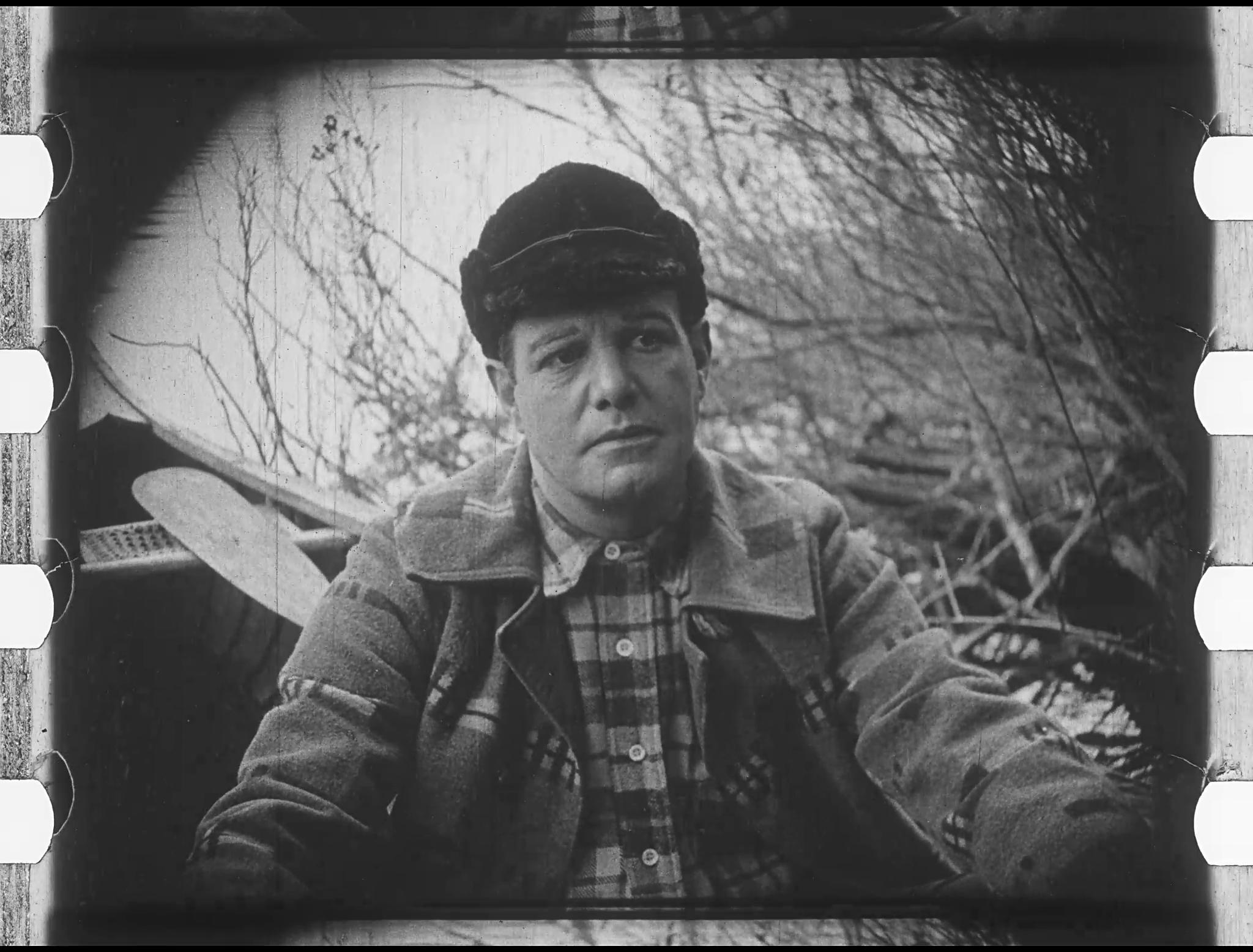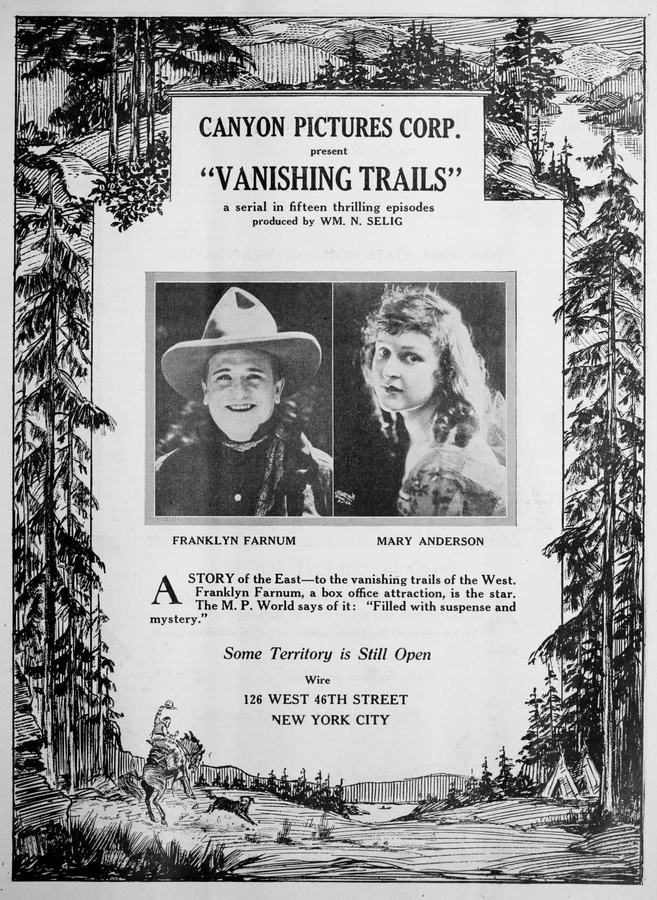
Tracer’s horse exhales steam against the credits, and already the film announces its thesis: breath is evidence, tracks are testimony, yet both evaporate. Director Duke R. Lee—doubling as venal cattle king McCrae—frames the first shot through a warped whiskey bottle, so the frontier smears into a pickled hallucination...
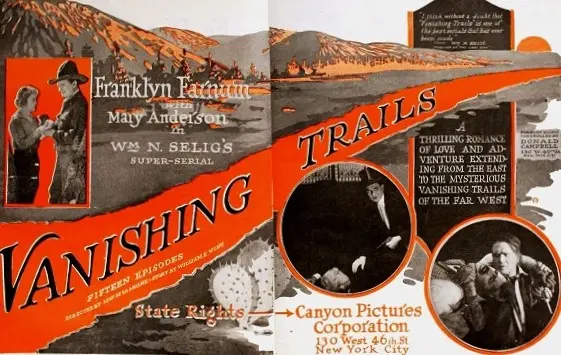
publicity
Comparing the cinematic DNA and archive impact of two defining moments in cult history.
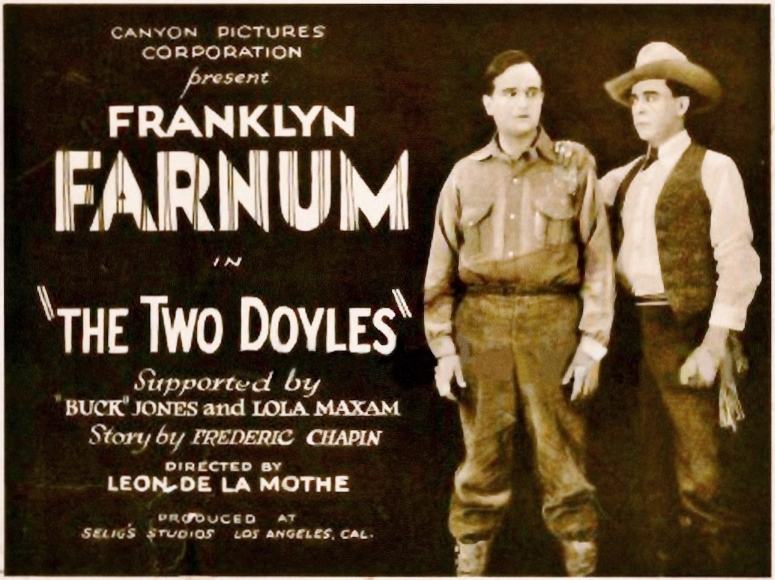
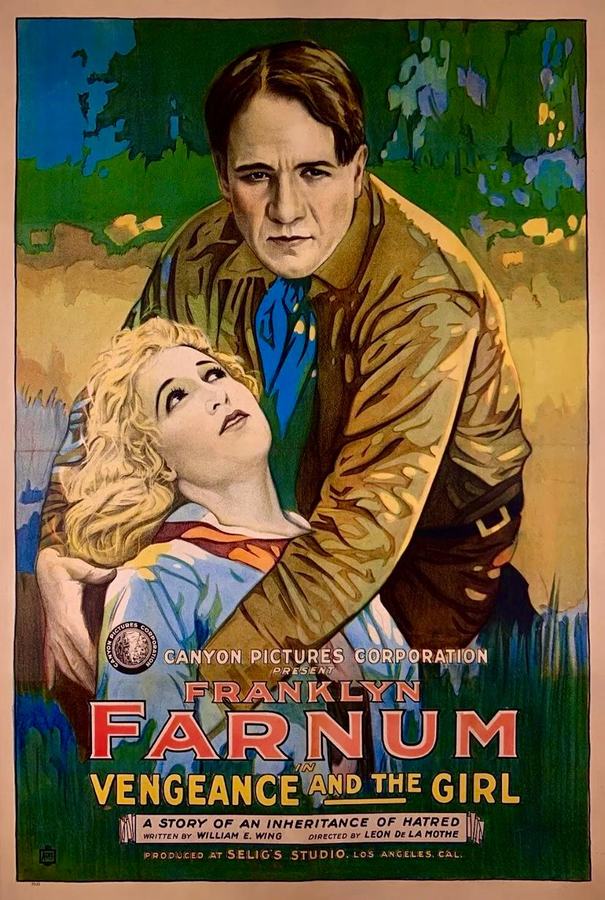
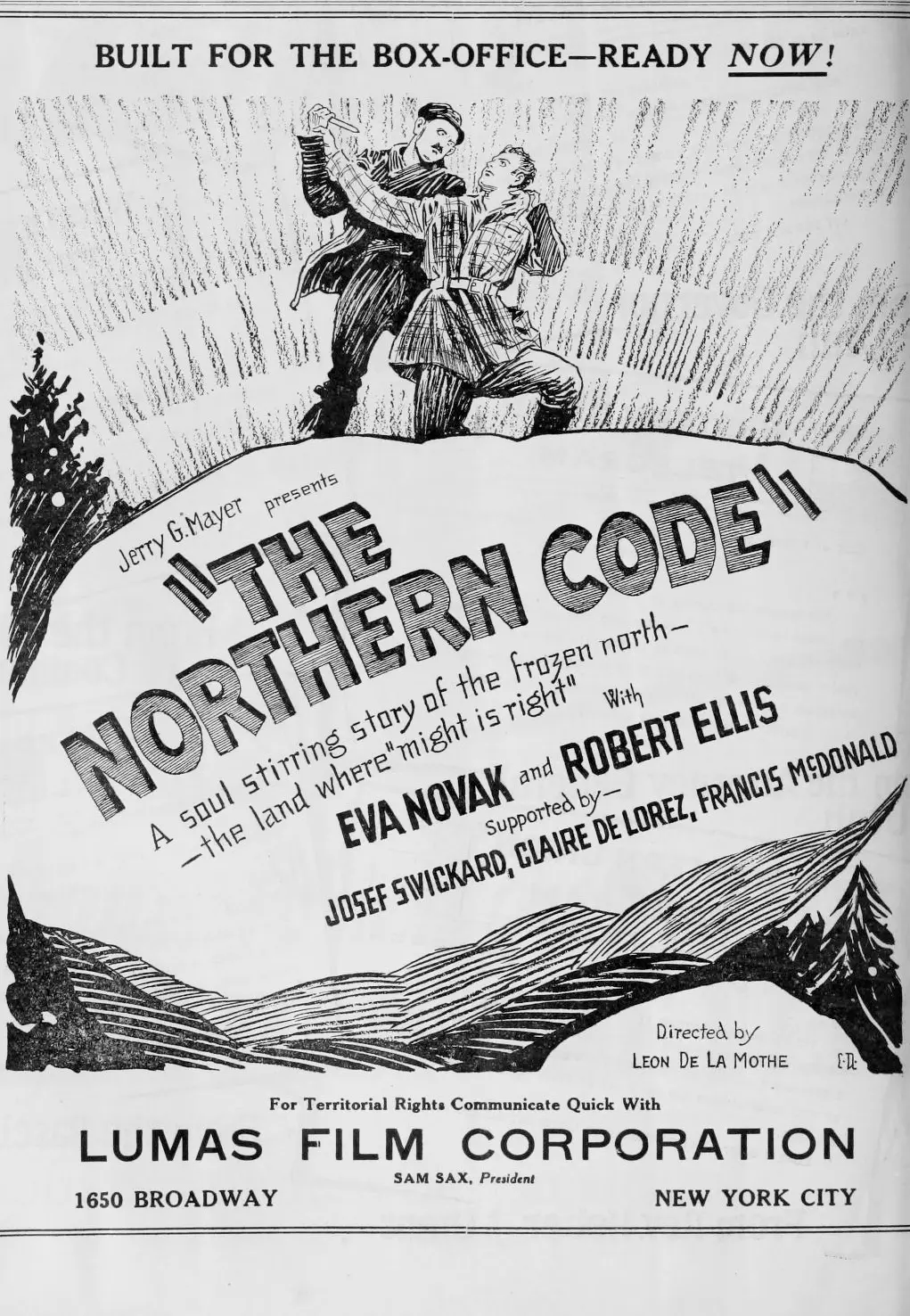
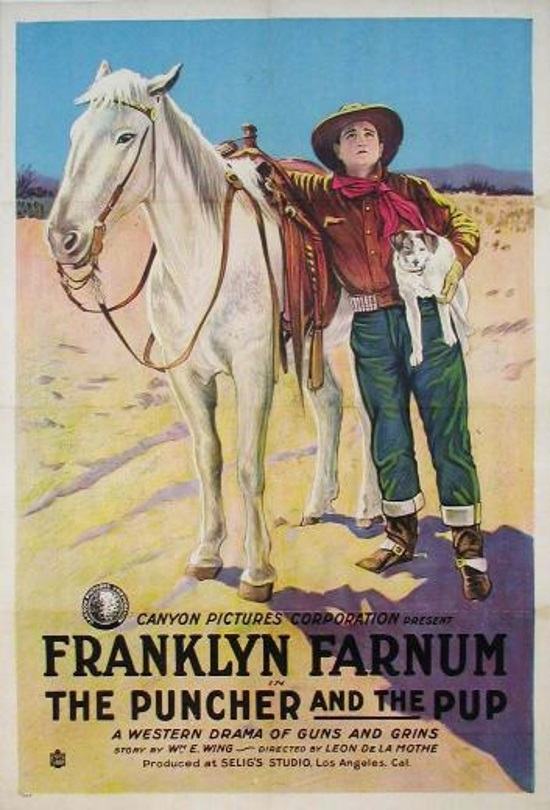
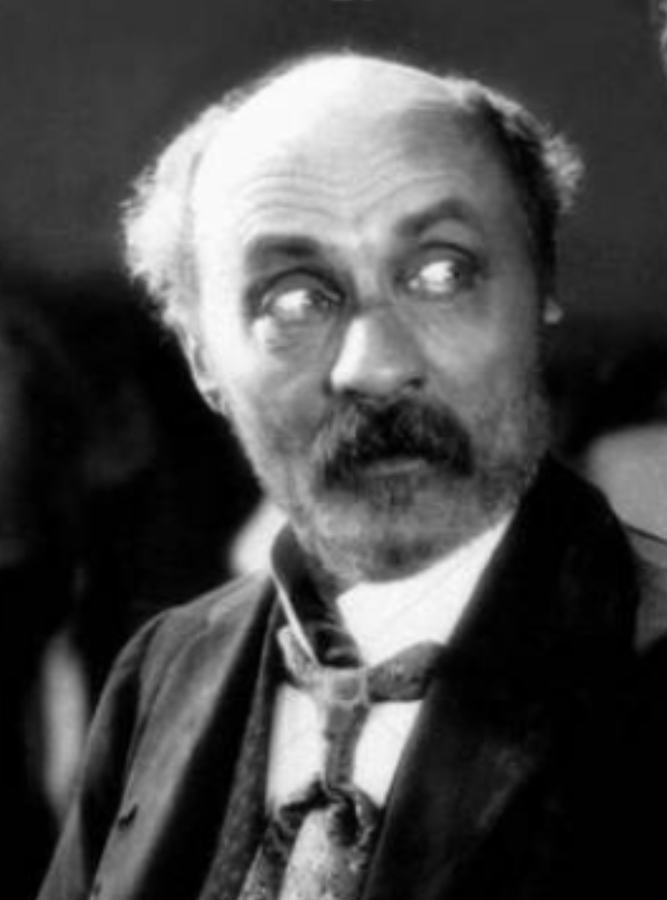
Leon De La Mothe
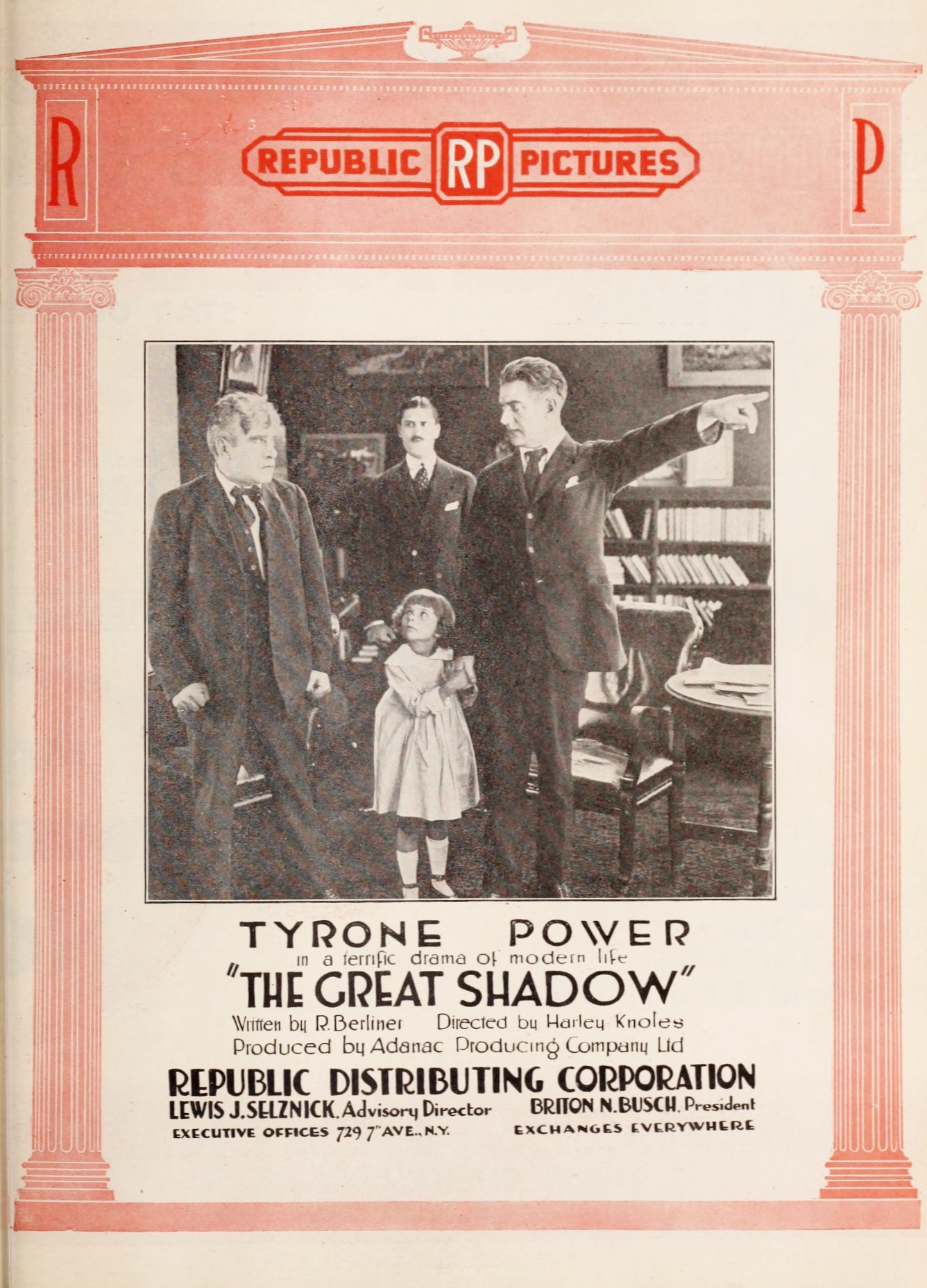
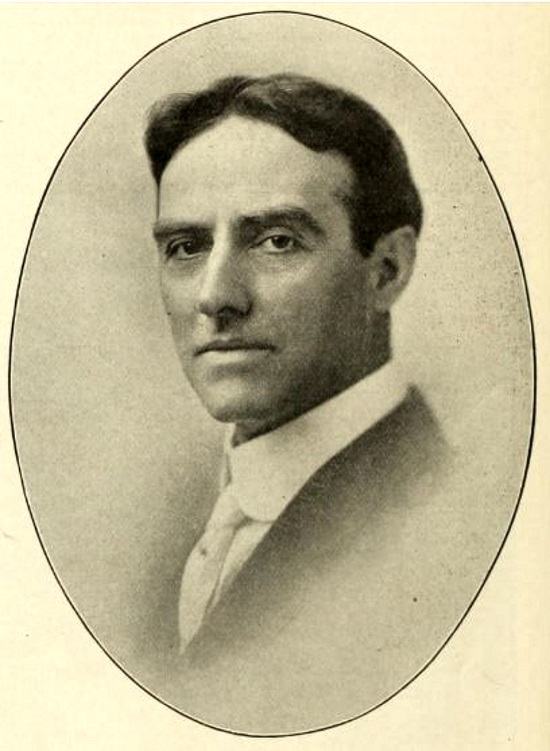
Harley Knoles
Community
Log in to comment.
" Tracer’s horse exhales steam against the credits, and already the film announces its thesis: breath is evidence, tracks are testimony, yet both evaporate. Director Duke R. Lee—doubling as venal cattle king McCrae—frames the first shot through a warped whiskey bottle, so the frontier smears into a pickled hallucination. It is 1924, but the calendar matters less than the sediment of myth we still churn up whenever we speak of the West. William E. Wing’s intertitles arrive like telegrams from a g..."
William E. Wing
United States
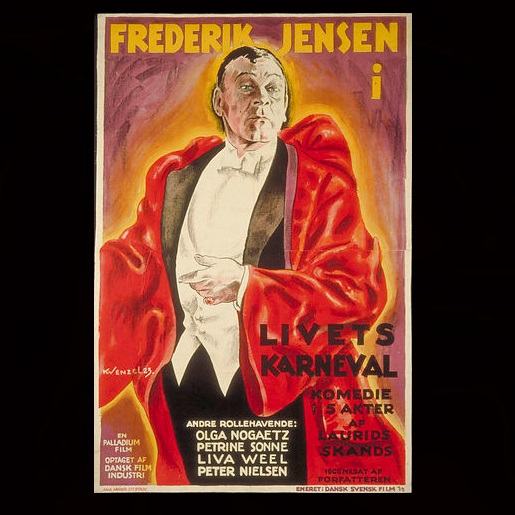
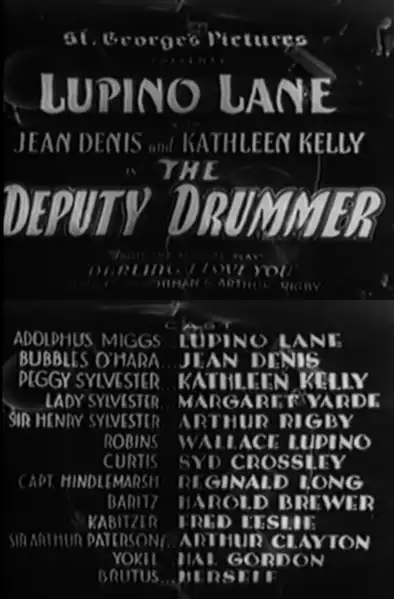
Deep dive into the cult classic
Discover similar cinematic experiences
A Directorial Spotlight on Leon De La Mothe