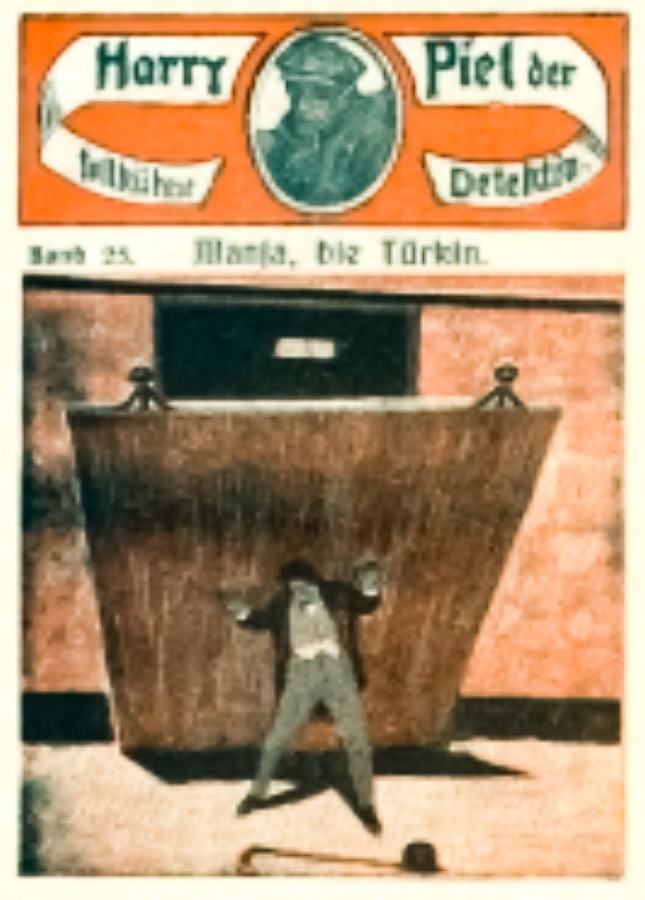
The Kinetic Alchemy of Harry Piel: Revisiting Manya, die Türkin In the volatile landscape of 1915 cinema, where the medium was still wrestling with its own identity—oscillating between the proscenium-bound traditions of the stage and the untamed possibilities of the lens—Harry Piel emerged as a singular force of nat...
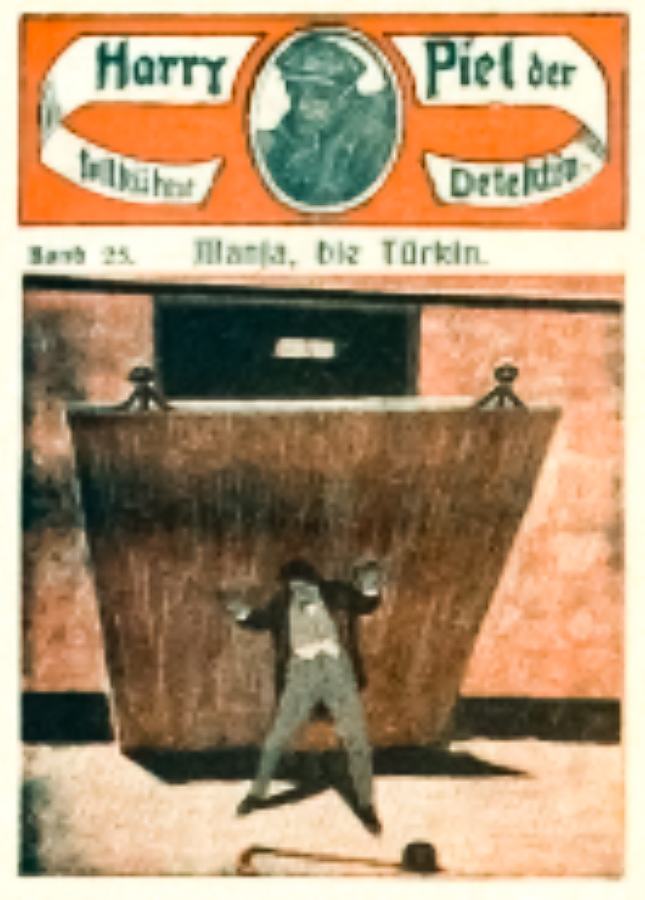
production_art
Comparing the cinematic DNA and archive impact of two defining moments in cult history.
Harry Piel
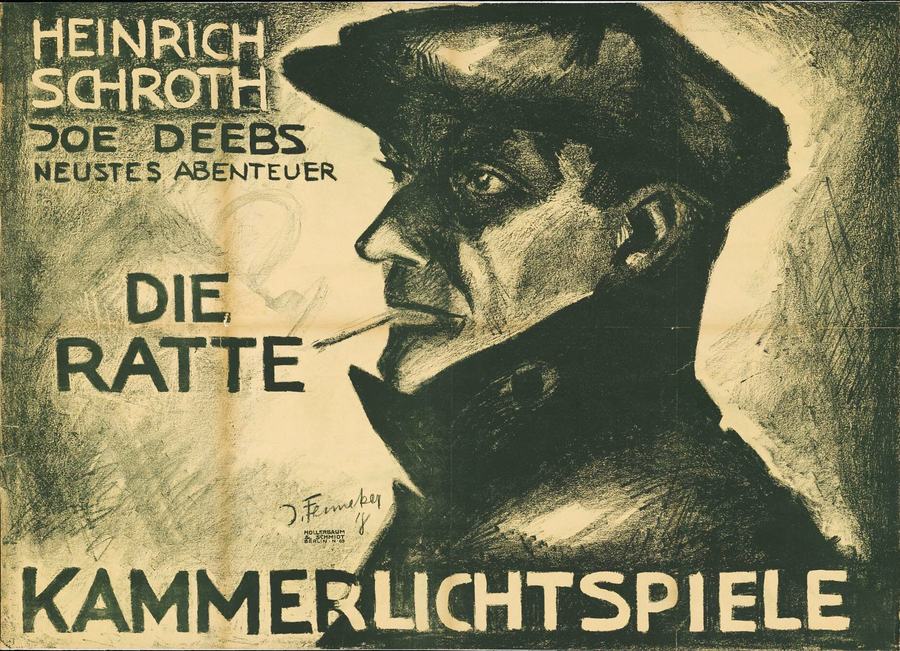
Harry Piel
Community
Log in to comment.
" The Kinetic Alchemy of Harry Piel: Revisiting Manya, die Türkin In the volatile landscape of 1915 cinema, where the medium was still wrestling with its own identity—oscillating between the proscenium-bound traditions of the stage and the untamed possibilities of the lens—Harry Piel emerged as a singular force of nature. His work on Manya, die Türkin represents a pivotal moment in the evolution of the German 'Sensationsfilm.' While many filmmakers of the era were content with the domestic mora..."
Deep dive into the cult classic
Discover similar cinematic experiences
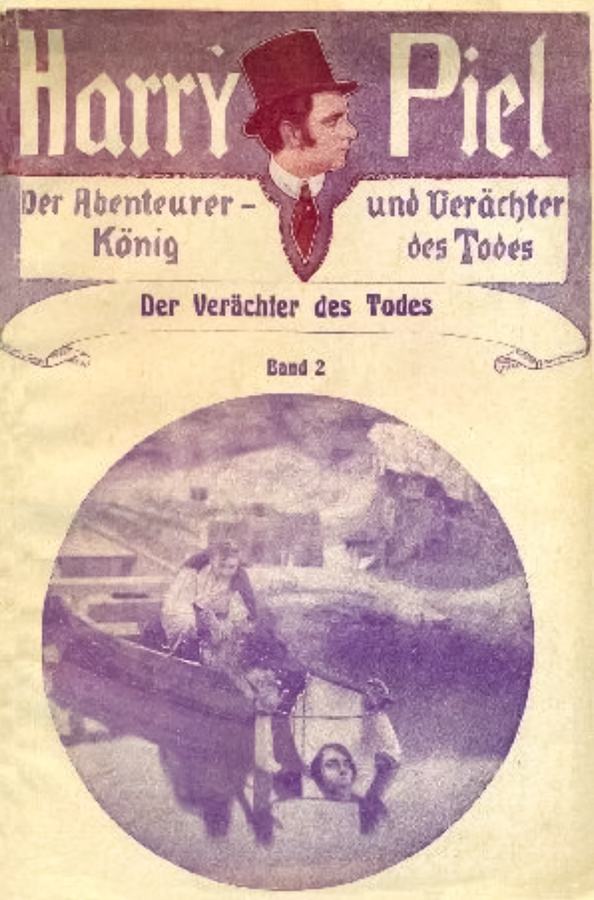
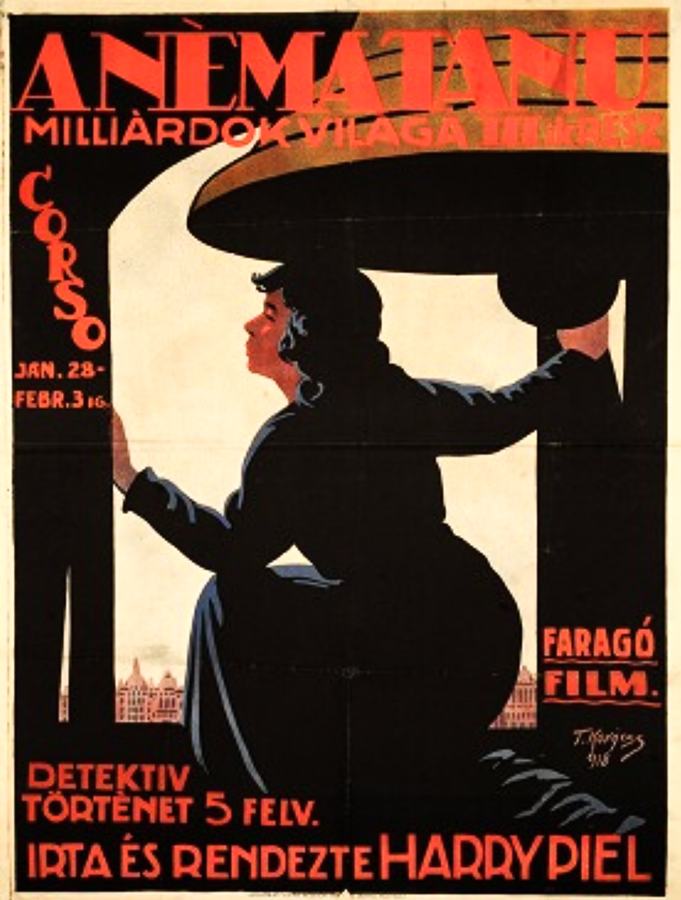
A Directorial Spotlight on Harry Piel