DbcultAccessing Vault...
Cult Review
Senior Film Conservator
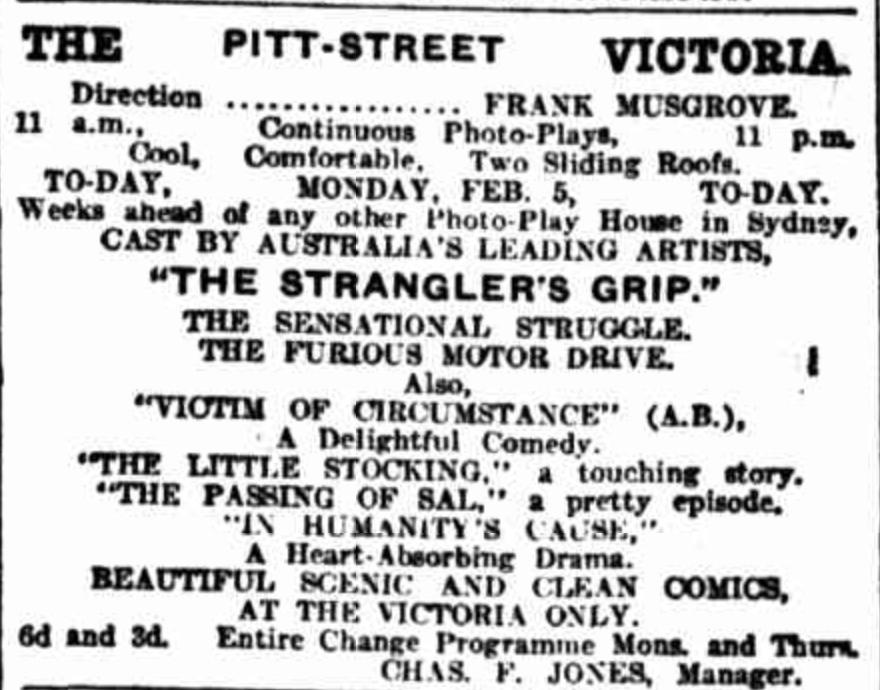
Stepping into the spectral embrace of 'The Strangler's Grip' is akin to unearthing a forgotten relic from the nascent days of cinematic storytelling. This isn't merely a film; it's a meticulously crafted artifact, a testament to the power of early filmmakers to conjure profound suspense and psychological disquiet with tools that, by today's standards, seem almost rudimentary. Yet, within its frames, one discovers a narrative sophistication and an atmospheric potency that belies its vintage. The film, starring the compelling quartet of Charles Lawrence, Cyril Mackay, Leonard Willey, and Sydney Stirling, serves as a chilling reminder that the primal fears of humanity, and the art of exploiting them, have been a cornerstone of visual narrative since its very inception.
From its opening moments, 'The Strangler's Grip' establishes an unsettling ambiance. The city itself, a sprawling, anonymous entity, becomes a character, its labyrinthine streets and fog-laden thoroughfares serving as both hunting ground and sanctuary for the unseen menace. The initial discovery of a victim, presented with a stark, almost clinical detachment, immediately immerses the viewer in the grim reality of the unfolding horror. There's no grandstanding; just the quiet, terrifying implication of an unnatural force at play. This understated approach, relying heavily on visual cues and the audience's imagination, demonstrates a masterful understanding of suspense that many contemporary thrillers often overlook in their quest for overt shock.
The performance of Charles Lawrence as Inspector Thorne is particularly noteworthy. He embodies the weary, world-worn detective with a subtle intensity that resonates deeply. His expressions, often a study in quiet determination mixed with existential fatigue, speak volumes without the need for intertitles to elaborate on his internal struggles. Thorne isn't a flamboyant hero; he's a man burdened by the weight of the city's fear, driven by a quiet sense of duty. His methodical approach to the investigation, meticulously examining crime scenes and interviewing terrified witnesses, forms the backbone of the narrative. It's a portrayal that grounds the fantastical horror in a very human struggle for order against chaos, reminiscent of the stoic resolve seen in figures battling insurmountable odds in films like The Redemption of White Hawk, albeit in a dramatically different context.
The film's plot, while seemingly straightforward in its premise of a serial killer on the loose, is remarkably intricate in its execution. Red herrings abound, each suspect introduced with enough ambiguity to keep the audience guessing. Cyril Mackay, in a pivotal supporting role, delivers a performance that oscillates between nervous vulnerability and potential duplicity, adding layers of doubt to the investigation. His character, a seemingly innocuous gentleman, becomes entangled in the web of suspicion, forcing Thorne to confront the unsettling truth that evil can lurk beneath the most respectable exteriors. This thematic exploration of hidden malevolence is a recurring motif in early cinema, often explored in moralistic tales or melodramas, but 'The Strangler's Grip' injects it with a potent dose of pure, unadulterated terror.
One of the film's most striking achievements lies in its use of visual metaphor and symbolism. The recurring motif of hands – grasping, reaching, strangling – is rendered with a chilling efficacy that transcends the literal. These are not merely hands of flesh and blood, but symbols of an insidious force that seeks to choke the life out of the city's inhabitants, and perhaps, its very soul. The cinematography, utilizing deep shadows and stark contrasts, creates a perpetual sense of unease. Shots of deserted streets under flickering gaslight, or the sudden, jarring close-ups of terrified faces, are masterclasses in building tension. It’s a visual language that speaks volumes, echoing the dramatic intensity found in grand historical narratives like The Life and Death of King Richard III, where visual gravitas carries immense narrative weight, though here applied to a more intimate, psychological horror.
The supporting cast, including Leonard Willey and
What truly elevates 'The Strangler's Grip' beyond a simple crime drama is its exploration of psychological themes. The film doesn't just ask 'who did it?' but rather 'what does this do to us?' It delves into the mass hysteria, the whispers of paranoia that ripple through the populace, and the way fear can warp perceptions and turn neighbors against each other. This psychological depth places it in conversation with other early films that explored the human condition under duress, like Der Eid des Stephan Huller, which examined moral dilemmas and societal pressures, albeit through a more dramatic lens. Here, the pressure is existential, a direct assault on the collective sense of security.
The pacing of 'The Strangler's Grip' is deliberately measured, allowing the tension to coil rather than explode. Each scene builds upon the last, adding layers of dread and suspense. The climax, when it finally arrives, is not a sudden burst of violence but a carefully orchestrated confrontation that feels earned. The resolution, while providing a sense of closure, leaves a lingering chill, suggesting that the scars of such terror are not easily erased. This nuanced approach to resolution is a hallmark of truly effective storytelling, avoiding simplistic answers in favor of a more complex emotional aftermath.
Comparing 'The Strangler's Grip' to other films of its period reveals its distinctiveness. While films like The Mystery of the Rocks of Kador also ventured into the realm of suspenseful mystery, 'The Strangler's Grip' leans more heavily into the psychological horror aspect, focusing on the unseen threat and its impact on the collective psyche. It doesn't rely on elaborate stunts or exotic locations, as seen in adventure serials, but rather on the internal landscape of fear and suspicion. Its urban setting, steeped in a pervasive sense of metropolitan anonymity, foreshadows the anxieties that would come to define the modern thriller genre. The dread evoked is less about specific dangers and more about the existential vulnerability inherent in a vast, impersonal city, a theme subtly present in the background of social commentaries like Oliver Twist, but brought to the forefront here.
The film's influence on subsequent thrillers and horror films cannot be overstated. It laid crucial groundwork for developing narrative techniques that build suspense through atmosphere and character psychology, rather than overt violence. The concept of the elusive, almost supernatural killer, a figure who transcends conventional understanding, finds a powerful early articulation here. This makes 'The Strangler's Grip' a pivotal text for anyone interested in the evolution of genre cinema, demonstrating how early practitioners grappled with and innovated upon the nascent language of film to explore humanity's darker impulses.
The artistry in 'The Strangler's Grip' extends beyond its narrative and performances. The use of practical effects, particularly in depicting the victims and their gruesome fates, is handled with a surprising degree of restraint and effectiveness. The power lies in suggestion, in what is implied rather than explicitly shown, a technique that often proves far more terrifying. This judicious approach allows the audience's imagination to fill in the most horrific details, making the experience deeply personal and profoundly unsettling. It's a lesson in terror that many contemporary filmmakers could still learn from, proving that true horror resides not in gore, but in the mind.
Furthermore, the film's exploration of class distinctions and social anxieties, while not overtly political, adds another layer of intrigue. The victims often come from varied social strata, suggesting that the terror is indiscriminate, a universal threat that transcends the carefully constructed barriers of society. This democratic nature of fear serves to heighten the tension, as no one, regardless of wealth or status, is truly safe. This subtle social commentary differentiates it from more straightforward action-oriented narratives like Zigomar contre Nick Carter, which prioritized adventure over introspection.
In a broader historical context, 'The Strangler's Grip' stands as a testament to the burgeoning sophistication of silent cinema. It proves that even without synchronized sound, filmmakers could craft narratives of immense emotional and psychological resonance. The reliance on visual storytelling, exaggerated expressions, and evocative mise-en-scène required a unique skill set, one that the creators of this film clearly possessed in abundance. It's a stark contrast to films focused purely on spectacle or historical recreation, like Life and Passion of Christ or The Battle of Trafalgar, demonstrating a different, more internal pathway to cinematic impact.
The film also showcases an early understanding of narrative economy. Despite its intricate plot and numerous characters, it manages to convey a vast amount of information with remarkable efficiency. Each scene serves a purpose, each interaction pushes the story forward or deepens our understanding of the characters and their predicament. This tight narrative structure is a hallmark of enduring cinema, ensuring that the audience remains fully engaged from the first frame to the last. It's a masterclass in how to tell a complex story within the constraints of early filmmaking, a skill that would evolve but finds its strong roots here.
Ultimately, 'The Strangler's Grip' is far more than a historical curiosity. It is a potent, unnerving thriller that continues to resonate with audiences today, a chilling exploration of fear, justice, and the dark corners of the human psyche. Its enduring power lies in its ability to tap into universal anxieties, crafting a narrative that feels both timeless and deeply unsettling. For aficionados of early cinema, and indeed for anyone interested in the origins of psychological horror, this film is an essential viewing experience, a dark jewel in the crown of silent-era suspense. It reminds us that long before advanced technology, the true power of film lay, and still lies, in its capacity to grip the imagination and stir the soul. The legacy of this film, though perhaps overshadowed by later, more celebrated works, is undeniable, having contributed significantly to the cinematic grammar of fear. Its ability to create such a profound sense of foreboding with limited resources is a testament to the sheer ingenuity of its creators.
The performances of Charles Lawrence, Cyril Mackay, Leonard Willey, and Sydney Stirling are particularly commendable for their ability to convey complex emotions without dialogue. Their nuanced gestures, expressive eyes, and carefully orchestrated movements speak volumes, drawing the audience into their world of fear and determination. This form of acting, a true art in itself, is a highlight of 'The Strangler's Grip' and contributes immensely to its lasting impact. It's a stark reminder of the unique demands and triumphs of silent-era performance, where the body and face became the primary conduits for storytelling, a craft beautifully displayed here.
The film's innovative use of light and shadow is another element that warrants significant praise. The interplay between stark illumination and encroaching darkness isn't just aesthetic; it’s narrative. Shadows conceal the killer, highlight the terror on victims' faces, and create a pervasive sense of the unknown. This visual strategy is fundamental to the film’s atmosphere, turning every corner and every dimly lit room into a potential site of horror. This deliberate manipulation of visual elements for psychological effect sets a precedent for countless films that followed, cementing 'The Strangler's Grip' as a foundational text in the visual rhetoric of suspense. It’s a compelling argument for the power of pure cinematic vision, unburdened by the spoken word.
In conclusion, 'The Strangler's Grip' remains a compelling and chilling experience, a vital piece of cinematic history that showcases the early mastery of suspense and psychological storytelling. Its artistic merits, from the gripping performances to the masterful direction and innovative cinematography, ensure its place as a significant contributor to the thriller genre. It’s a journey into the heart of an unfolding nightmare, a testament to the enduring power of film to explore humanity's deepest fears. It stands as a beacon for what early cinema could achieve, a dark, gleaming gem that continues to fascinate and terrify, proving that some horrors are truly timeless. Do yourself a favor and seek out this masterful piece of vintage terror; it holds a grip that is truly unforgettable.
IMDb 4.8
1935
Community
Log in to comment.