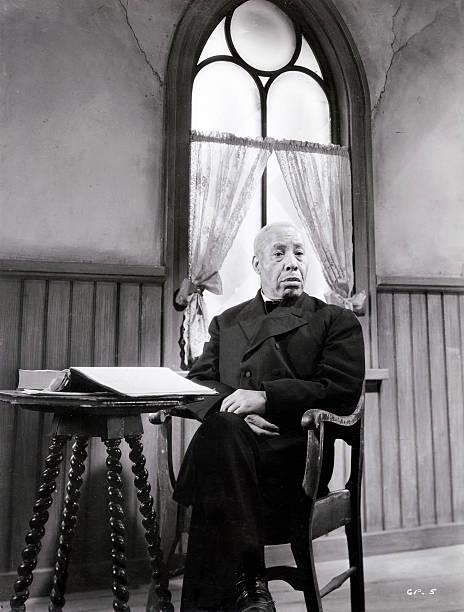
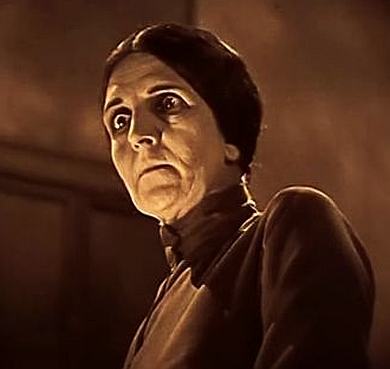
The wealthy owner of a railroad is about to be reunited with his daughter, who was kidnapped in her childhood. However, a mysterious figure is attempting to frighten the girl away by having sinister and threatening messages flashed at her via red lights.
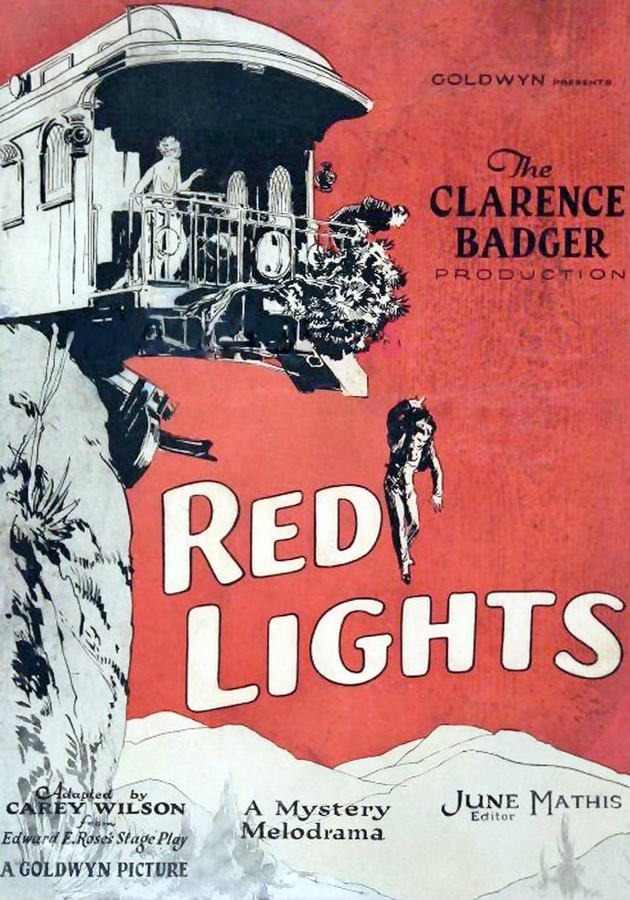
The 1920s stood as a crucible for cinematic experimentation, a decade where the grammar of suspense was being codified in real-time. Amidst this era of flickering shadows and grand mechanical ambitions, Red Lights (1923) emerges not merely as a relic of silent-era melodrama, but as a surprisingly sophisticated archit...
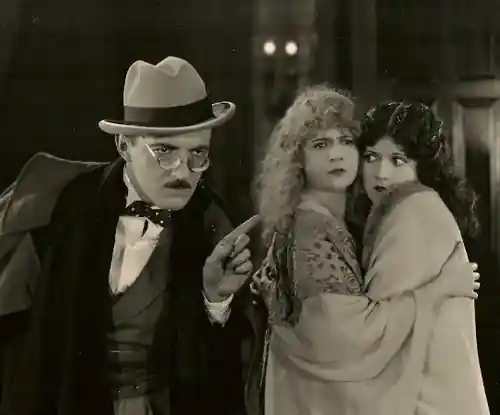
still_frame
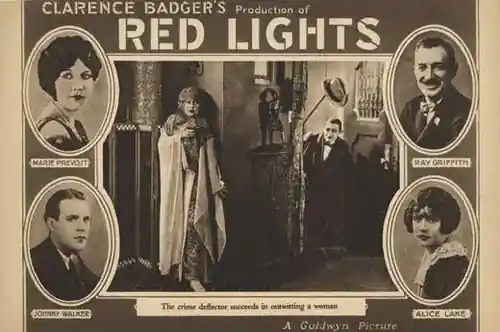
production_art
Comparing the cinematic DNA and archive impact of two defining moments in cult history.
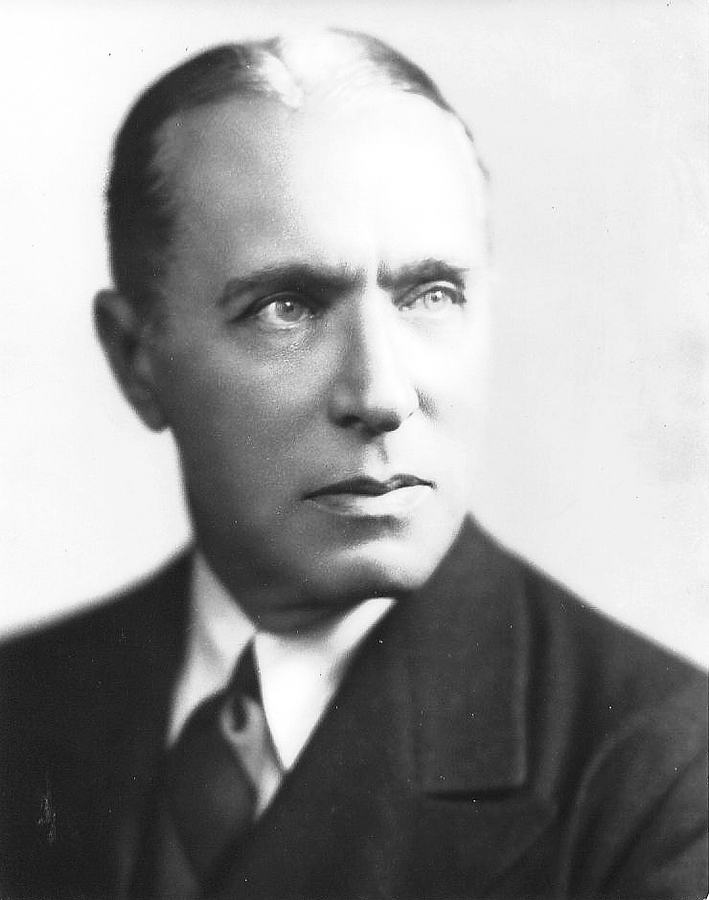
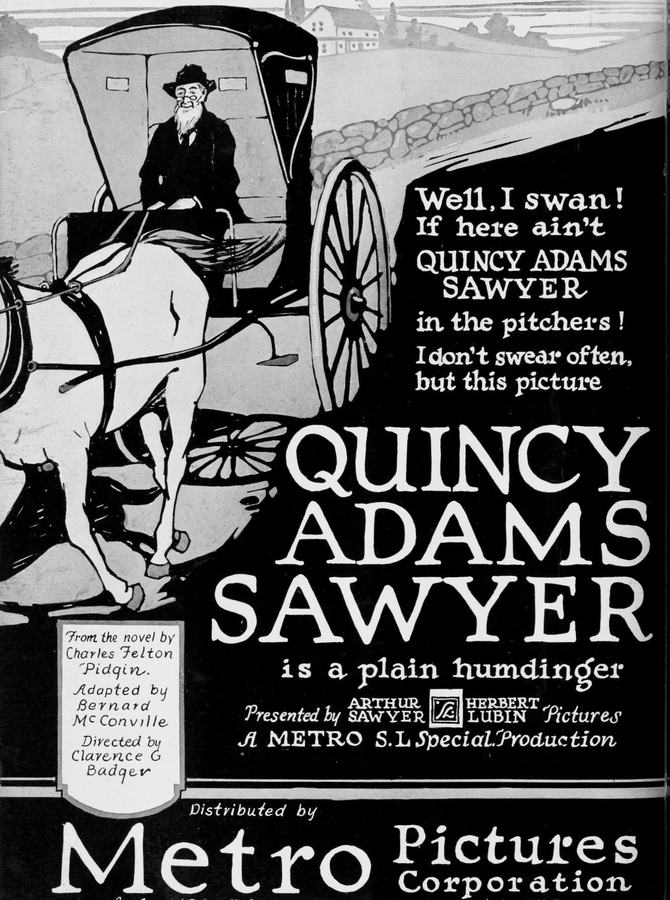
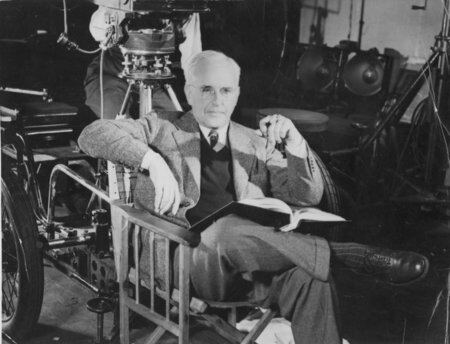
Clarence G. Badger
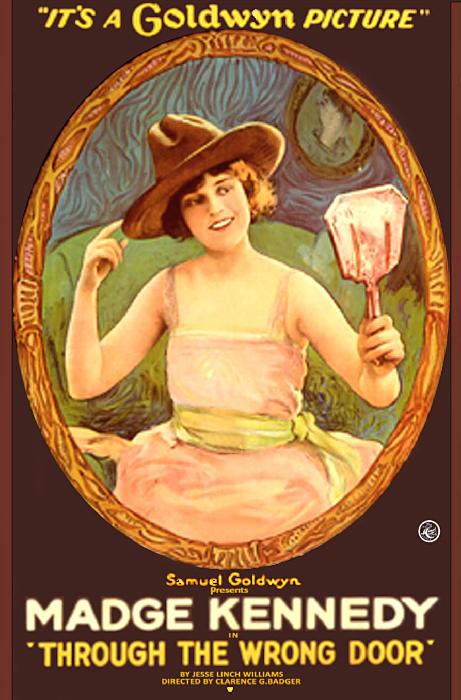
Clarence G. Badger
Community
Log in to comment.
" The 1920s stood as a crucible for cinematic experimentation, a decade where the grammar of suspense was being codified in real-time. Amidst this era of flickering shadows and grand mechanical ambitions, Red Lights (1923) emerges not merely as a relic of silent-era melodrama, but as a surprisingly sophisticated architectural blueprint for the modern thriller. It is a film that marries the clanking industrialism of the American railroad with a proto-noir sensibility that feels decades ahead of i..."
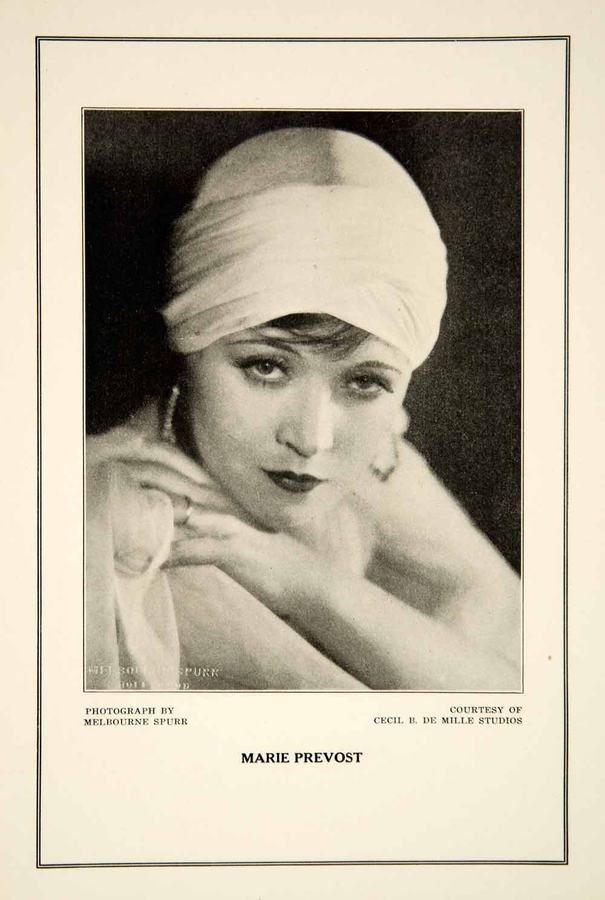
Marie Prevost
Alice D.G. Miller, Carey Wilson, Edward E. Rose
United States