DbcultAccessing Vault...
Cult Review
Senior Film Conservator
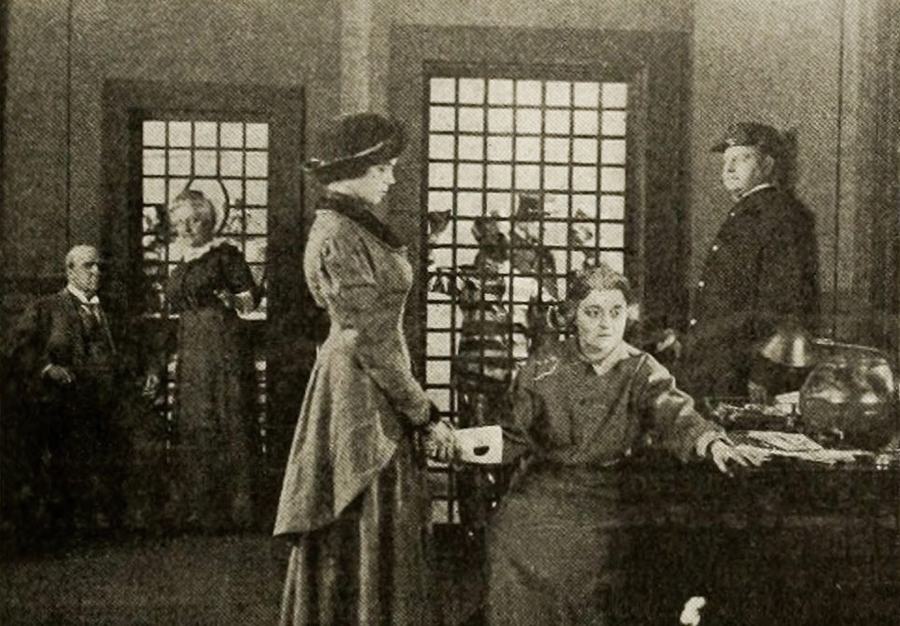
In the annals of early cinema, where moralistic narratives often held sway and melodramatic flourishes painted grand canvases of human experience, a film like "The Taint" (1914) emerges as a particularly compelling, if tragically overlooked, artifact. It's a sprawling epic, a testament to the narrative ambition of its era, weaving a tapestry of trust shattered, justice perverted, and an indomitable maternal spirit that defies the crushing weight of circumstance. Far from a simple cautionary tale, this silent drama, featuring the talents of Creighton Hale and Ruby Hoffman, delves into the darker corners of human nature while simultaneously celebrating the enduring power of love and resilience. It's a journey that commences in the seemingly serene, intellectual world of Madame Bartlett, a celebrated biologist whose life is about to be irrevocably intertwined with the devastating machinations of deceit and destiny.
The narrative ignites with the introduction of Vera Knight, a young woman of admirable qualities, who steps into the employ of the distinguished Madame Bartlett as her assistant. This initial dynamic, ostensibly one of mentorship and burgeoning affection, quickly becomes complicated by the insidious presence of Chilton, Bartlett's secretary. Chilton is a character sculpted from the archetype of the charming scoundrel, his polished exterior masking a core rotten with vice. His penchant for gambling has plunged him into a quagmire of debt, compelling him to systematically falsify the account books – a classic, albeit dangerous, cinematic trope of financial malfeasance that sets the stage for much larger catastrophes. Vera, innocent and susceptible to his practiced allure, finds herself falling deeply for Chilton, accepting his marriage proposal with a heart brimming with ill-fated joy. This rapid descent into a compromised intimacy, where Vera becomes a victim of "abused confidence," is depicted with the stark, often exaggerated emotional beats characteristic of silent film acting, yet it resonates with a timeless poignancy. Her subsequent pregnancy, a scandalous predicament in the conservative social milieu of the early 20th century, forces her into a clandestine retreat to a secluded country farm, where she gives birth to her child, utterly alone in her shame and heartbreak.
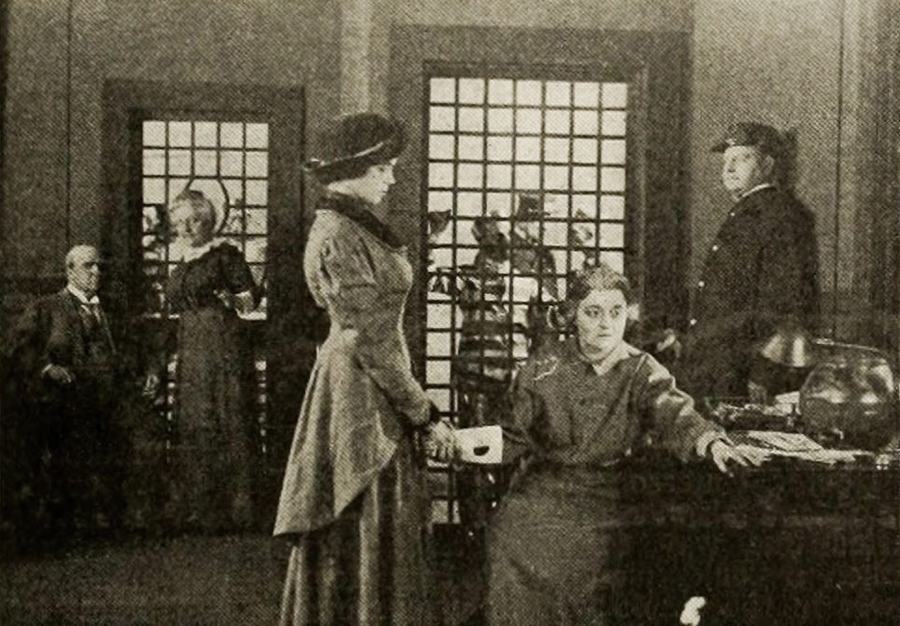
Chilton, meanwhile, continues to string Vera along with a litany of pretexts for postponing their marriage, his true intentions laid bare by his continued financial recklessness. It’s Madame Bartlett, a woman of intellect and perception, who first senses the foul play. An overheard conversation between Chilton and a creditor ignites her suspicions, leading her to investigate the ledgers in his absence. The discovery of his systematic embezzlement is a pivotal moment, shifting the narrative from a personal tragedy to a public crime. Just as this revelation unfolds, Vera, desperate for resolution, returns to the city for one final, impassioned plea to the man who betrayed her. The ensuing confrontation, with Vera beseeching Chilton for his promised hand and Madame Bartlett entering to expose his double guilt – both financial and moral – is a masterclass in escalating tension. Bartlett’s ultimatum, marriage or jail, pushes Chilton to the brink, triggering a chain of events that will forever alter Vera’s destiny.
Frantic with the terror of public exposure, Chilton's desperation curdles into outright criminality. That very night, he invades Bartlett’s library, not merely to destroy the incriminating ledger pages, but to seize whatever valuables he can lay his hands on. This scene, underscored by the dramatic chiaroscuro lighting often employed in silent films to heighten suspense, culminates in a fatal struggle when Madame Bartlett discovers him. A gunshot rends the silence, and the esteemed biologist falls, a victim of Chilton’s ruthless self-preservation. Vera, drawn by the commotion, rushes in just as Chilton makes his escape through a window, leaving her to be discovered bending over the lifeless body of her friend. The arrival of the servants, their immediate accusations, and Vera’s subsequent arrest, trial, and conviction on purely circumstantial evidence, form the agonizing heart of the film’s first act. Sentenced to life imprisonment, Vera's plight resonates deeply, echoing the societal injustices often depicted in contemporary dramas like Saints and Sorrows, where moral rectitude frequently clashes with a flawed legal system. Her sacrifice is profound: her infant son, adopted by the kind farmer and his wife, grows to manhood in blissful ignorance of his true parentage, a poignant symbol of her shattered life.
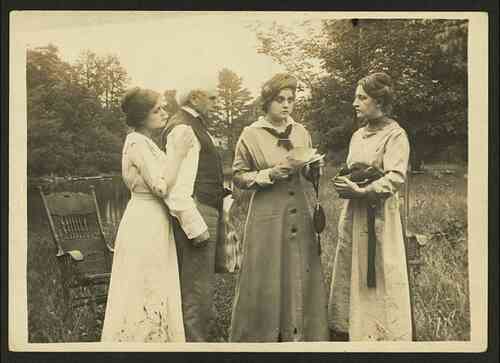
The film then executes a daring temporal leap, advancing two decades. This narrative device, common in expansive melodramas, allows for a profound exploration of character evolution and the long-reaching consequences of past actions. Within the harsh confines of the prison, Vera’s exemplary conduct earns her the coveted status of a "trusty," a position of confidence among the officials. It is through a stroke of "strange accident" that she uncovers a meticulously planned plot by the convicts to overpower their guards and stage a mass escape. Her courageous warning thwarts the revolt, nipping it in the bud, and for this extraordinary act of civic duty, Vera is rewarded with a pardon and her freedom. This segment, though brief, is crucial, showcasing Vera’s inherent goodness and moral fortitude, qualities that endure despite her unjust suffering.
Now free, the eager mother's heart yearns for her son. Her return to the farmhouse, however, is tinged with a devastating realization: her son has blossomed into a successful businessman, poised to marry the daughter of Senator Bristow. The sight of his happiness, unburdened by the shadow of her past, compels Vera to make the ultimate maternal sacrifice. She chooses silence, determining "not to cast a shadow upon the young man's happiness." This decision, a powerful act of selflessness, elevates Vera beyond mere victimhood, transforming her into a tragic heroine. It’s a moment that resonates with the profound emotional depth found in other early cinematic portrayals of maternal sacrifice, such as certain forgotten narratives that explore women making difficult choices for their children's futures, a theme subtly echoed in films where characters grapple with painful truths for the greater good.
Not one to languish, Vera, equipped with her keen intellect and renewed purpose, accepts a position within the Secret Service, rapidly proving her value to the organization. Her new role thrusts her into a high-stakes investigation concerning Baron Metzger, a shadowy figure attempting to steal critical fortification plans from the United States Government. As Vera meticulously "runs down the clues," a chilling realization begins to dawn: her own son is inexplicably entangled with Metzger. The astonishment morphs into a profound shock when she unequivocally recognizes Baron Metzger as Paul Chilton, the architect of her past misery, the very man who betrayed her and murdered Madame Bartlett. The revelation is a staggering blow, a cruel twist of fate that binds her personal quest for justice to her professional duty. Unbeknownst to Vera, Metzger (Chilton) has ensnared her son, Walter, in a web of gambling debts, leaving him financially ruined and vulnerable to manipulation. This cruel irony, where the villain of her past preys upon her innocent son, is a dramatic crescendo, highlighting the cyclical nature of villainy and the enduring reach of past transgressions.
To further her investigation and protect her son, Vera ingeniously orchestrates her appointment as Senator Bristow's secretary, gaining proximity to both her son and the unfolding conspiracy. Metzger, wielding his power over Walter through crippling debt, successfully persuades the young man to aid him in securing the coveted government papers. This manipulation leads to a harrowing scheme: Walter invites his prospective father-in-law, Senator Bristow, for an automobile ride, with Metzger disguised as the driver. A drugged cigar renders the Senator unconscious, but in a moment of belated moral awakening, Walter recoils from the full horror of his complicity. He refuses to steal the papers, demonstrating a flicker of his mother's inherent goodness. Metzger, undeterred, seizes the documents himself. The Senator's recovery of consciousness precipitates a violent struggle, culminating in his tragic demise, hurled dying from the speeding car onto the road.
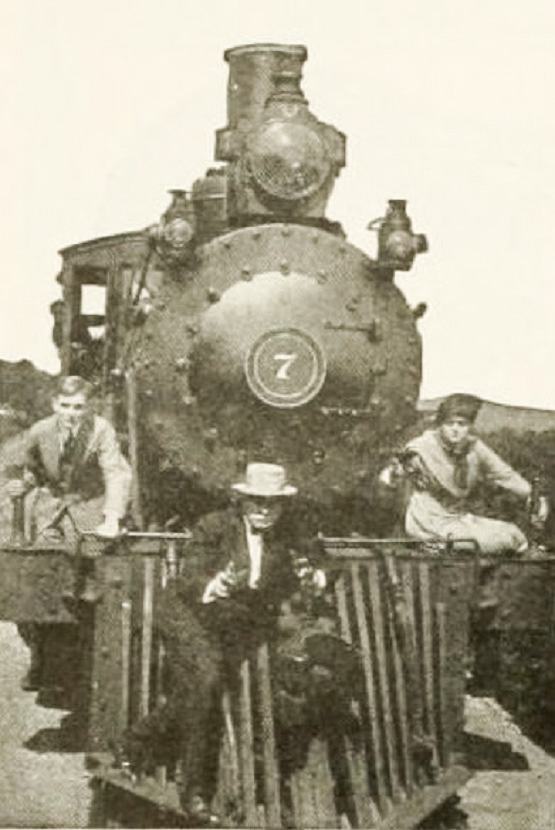
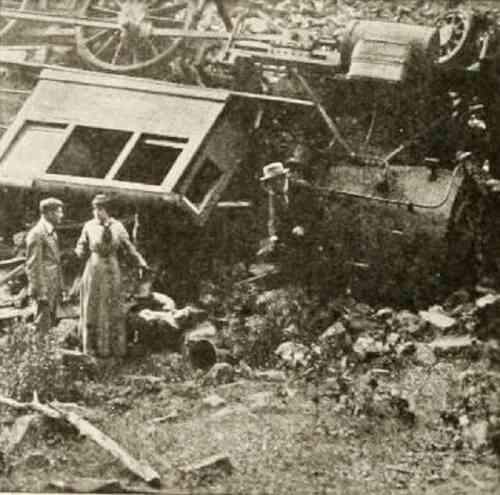
The aftermath is chaotic. Walter, an unwitting accomplice, becomes the prime suspect in Senator Bristow’s murder. It is Vera, his mother, who meticulously works to clear his name, using her position and intelligence to unravel the truth and shield him from implication. The final act transforms into a relentless pursuit of Metzger. The climax is a spectacular, action-packed sequence, characteristic of the more ambitious silent films of the era. Metzger, attempting to escape justice, boards a runaway locomotive. The ensuing chase, culminating in the train leaving the tracks and carrying the villain to his spectacular, fiery death, provides a cathartic resolution. This grand, destructive finale, a clear precursor to countless action sequences in later cinema, ensures that justice, though long delayed and hard-won, is ultimately served. The dramatic scope here is not unlike that seen in films that push the boundaries of cinematic spectacle for their time, perhaps even sharing a spirit with early thrillers focused on pursuit and ultimate comeuppance.
Considering the constraints of early silent cinema, the performances in "The Taint" are notably effective in conveying its sweeping narrative and heightened emotions. While specific directorial credits aren't provided, the overall orchestration of such a complex plot suggests a skilled hand in guiding the ensemble. Ruby Hoffman, likely portraying Vera Knight, would have relied heavily on expressive body language and facial expressions – the hallmark of silent film acting – to convey Vera's journey from innocent trust to profound despair, then to steely resolve. Her transformation over two decades, without the aid of dialogue, would have required nuanced physical storytelling, showcasing a range from vulnerability to quiet strength. Creighton Hale, or whoever embodies the duplicitous Chilton/Metzger, would have had the challenging task of portraying a character who is initially charming yet progressively reveals his monstrous nature. The subtle shifts from suave confidence to frantic desperation, and finally to outright villainy, would have been key to making his character believable and menacing. The supporting cast, including Sam J. Ryan and Edward José, would have contributed to the film's rich tapestry, each playing their part in the intricate machinations of the plot.
The film's narrative structure, with its significant time jump and multiple plot threads converging, speaks to a sophisticated approach to storytelling for 1914. It avoids the episodic nature of some earlier films, instead building a cohesive, if sprawling, saga. The use of intertitles would have been crucial in conveying the intricate details of the Secret Service plot and the characters' internal monologues, especially Vera's silent sacrifice. While lacking the advanced cinematography of later decades, "The Taint" would have utilized techniques common to its era: static shots, clear staging, and perhaps some early attempts at parallel editing to build suspense during the chase sequences. The melodrama, while pronounced, is not gratuitous; it serves the purpose of exploring grand themes of morality, justice, and the enduring power of familial bonds. In its ambition and scope, it stands as an intriguing counterpart to other early large-scale productions, even if its specific visual innovations might be less documented than, say, the epic staging of The Life and Death of King Richard III or the dramatic historical sweep of Defense of Sevastopol.
"The Taint" is more than just a historical curiosity; it’s a powerful exploration of themes that remain perennially relevant. The unjust conviction of an innocent woman, the corrupting influence of greed and power, the profound impact of betrayal, and the unwavering strength of a mother’s love are all woven into its intricate fabric. Vera Knight's journey from naive victim to pragmatic, resourceful agent of justice, all while bearing the silent burden of her past, is a testament to the enduring human spirit. Her ultimate decision to shield her son from the truth, even after enduring decades of suffering, elevates her character to a mythic status of self-sacrifice. It challenges the audience to ponder the true meaning of justice and redemption, and whether personal happiness can ever truly be untainted by the ghosts of the past.
The film’s title itself, "The Taint," is a brilliant, evocative choice. It speaks not only to the initial stain of Vera’s compromised reputation and unjust imprisonment but also to the lingering shadow that her past could cast upon her son’s future. It asks whether such a "taint" can ever truly be removed, or merely contained. The resolution, while providing cinematic satisfaction with the villain’s spectacular demise, leaves a lingering emotional resonance regarding Vera’s untold story. She achieves justice, but at what personal cost? Her son is saved, but remains unaware of the depth of his mother's sacrifice. This bittersweet ending, where heroism is recognized but personal vindication remains private, offers a more complex and human conclusion than a simple 'happily ever after.' It's a narrative sophistication that belies its early production date, suggesting a depth of storytelling that can stand alongside other morally complex dramas of the era.
In an age where cinematic narratives were still finding their footing, "The Taint" dared to craft a multi-layered story of profound emotional depth and thrilling suspense. It reminds us that even in the nascent years of film, storytellers were grappling with complex human dilemmas, presenting audiences with compelling characters facing insurmountable odds. This forgotten gem deserves to be rediscovered, not just as a historical curiosity, but as a powerful and moving piece of early cinematic art that explores the darkest aspects of human nature and the brightest sparks of an unyielding spirit. Its narrative ambition, thematic richness, and the sheer scope of its protagonist's journey make it a compelling watch, demonstrating the enduring power of silent cinema to captivate and provoke thought, far beyond the limitations of its technical era.
IMDb 5
1929
Community
Log in to comment.