DbcultAccessing Vault...
3.7/10
Senior Film Conservator
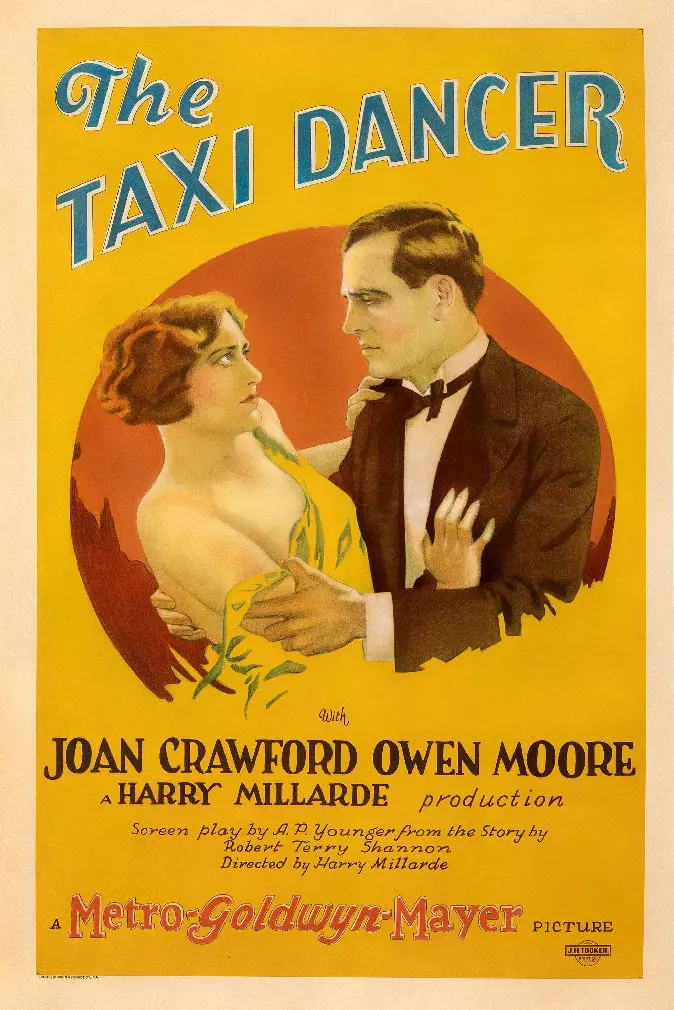
A definitive 3.7/10 rating for a film that redefined the boundaries of cult cinema. The Taxi Dancer remains a cornerstone of transgressive art.
Is this film worth watching today? Short answer: Yes, but primarily as a historical document of a legend's birth. If you are a fan of Joan Crawford or a student of silent-era social dynamics, this is essential viewing; however, if you struggle with the exaggerated pantomime of the late 1920s, you might find the melodrama a bit thick.
This film is for the cinephile who finds beauty in the flicker of nitrate and the evolution of a star's persona. It is NOT for the modern viewer who requires rapid-fire dialogue or high-octane action to stay engaged.
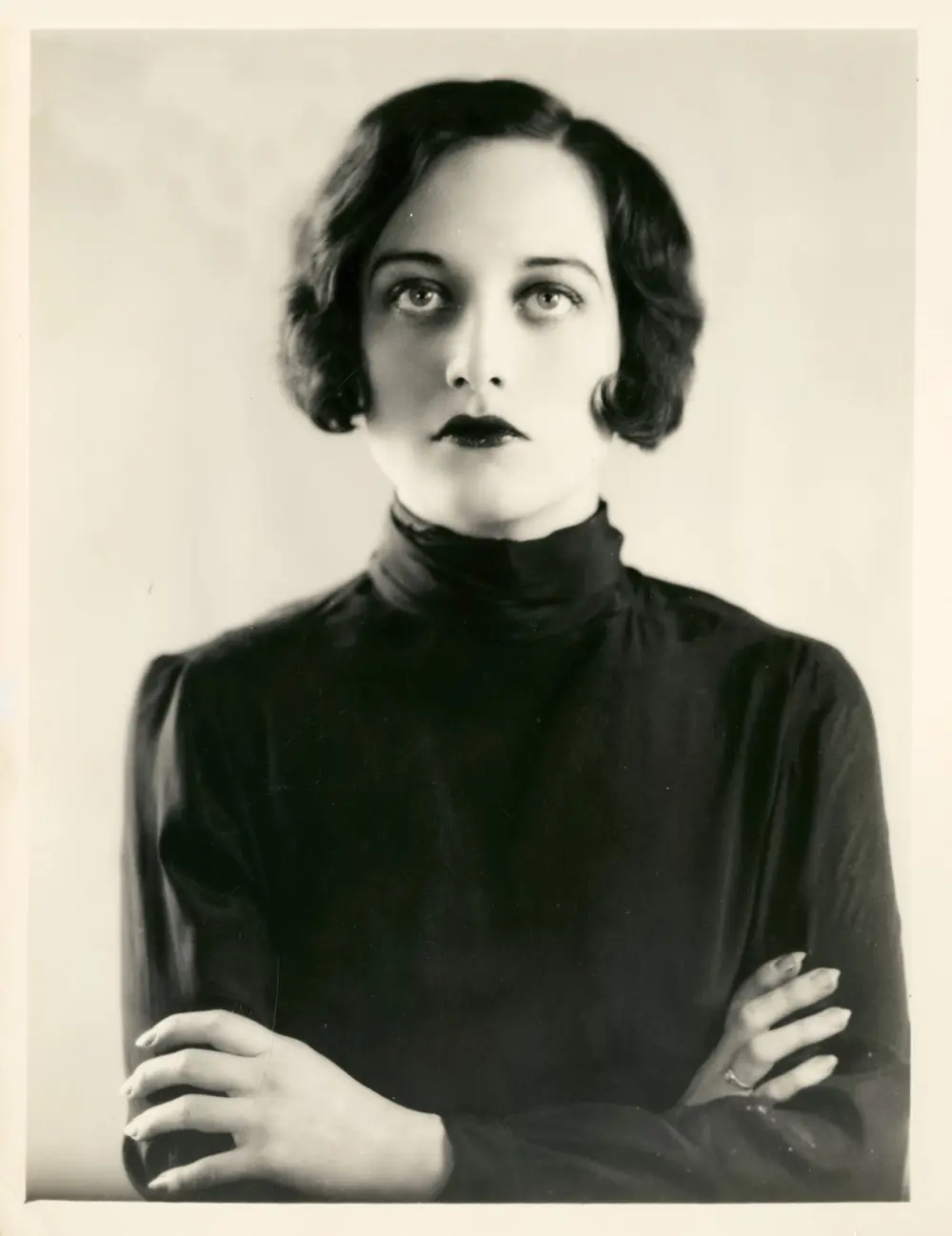
1) This film works because it captures the raw, unpolished magnetism of Joan Crawford before the MGM 'star machine' fully refined her into a mannequin of perfection.
2) This film fails because the narrative relies on a series of convenient coincidences—specifically characters overhearing pivotal conversations through thin walls—that strain modern credibility.
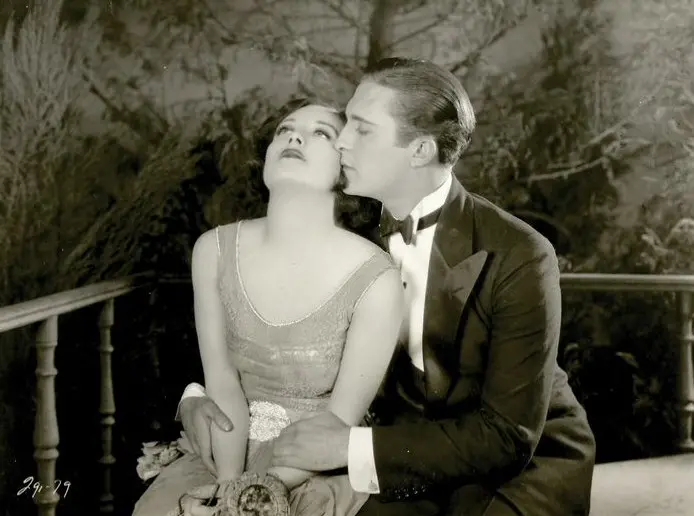
3) You should watch it if you want to see a surprisingly cynical take on the 'working girl' trope that predates the strict enforcement of the Hays Code.
Before she was the shoulder-padded icon of the 1940s, Joan Crawford was a dancer. In The Taxi Dancer, that reality bleeds into the fiction. Playing Joselyn Poe, Crawford brings a physicality to the role that her contemporaries often lacked. There is a specific scene early in the film where she is crying in her furnished room. While many silent actresses would have resorted to grand, sweeping gestures of despair, Crawford’s grief feels localized and heavy. You can see the gears of survival turning behind her eyes.
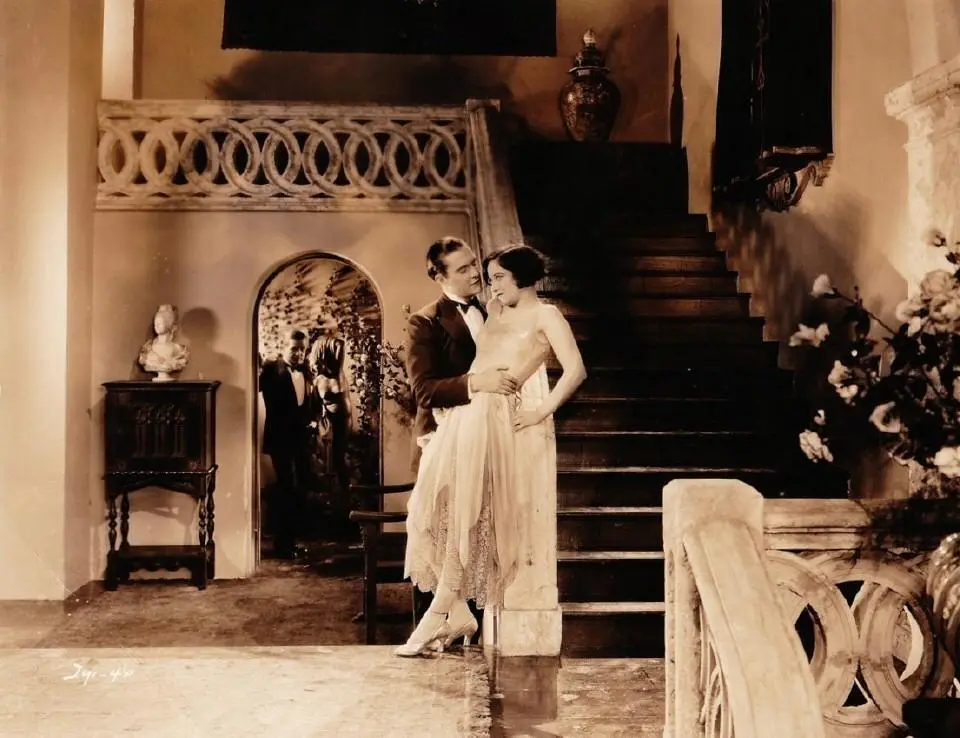
This performance is the bridge between the Victorian innocence of the Gish sisters and the modern, self-actualized woman. Crawford doesn't just act; she colonizes the frame. Even when Owen Moore’s Lee Rogers is speaking via intertitles, your eyes remain fixed on Joselyn’s reactions. It is a masterclass in silent reaction shots, proving that Crawford was a cinematic force long before she ever uttered a word on screen.
The film serves as a fascinating, almost ethnographic look at the 'taxi dancer' phenomenon of the 1920s. Unlike the polished ballroom scenes in Dancing Daddy, the environment here is transactional and slightly dangerous. The dance hall is a meat market where dignity is sold ten cents at a time. The cinematography captures this through the use of low-key lighting and crowded compositions that make the viewer feel the claustrophobia of the venue.
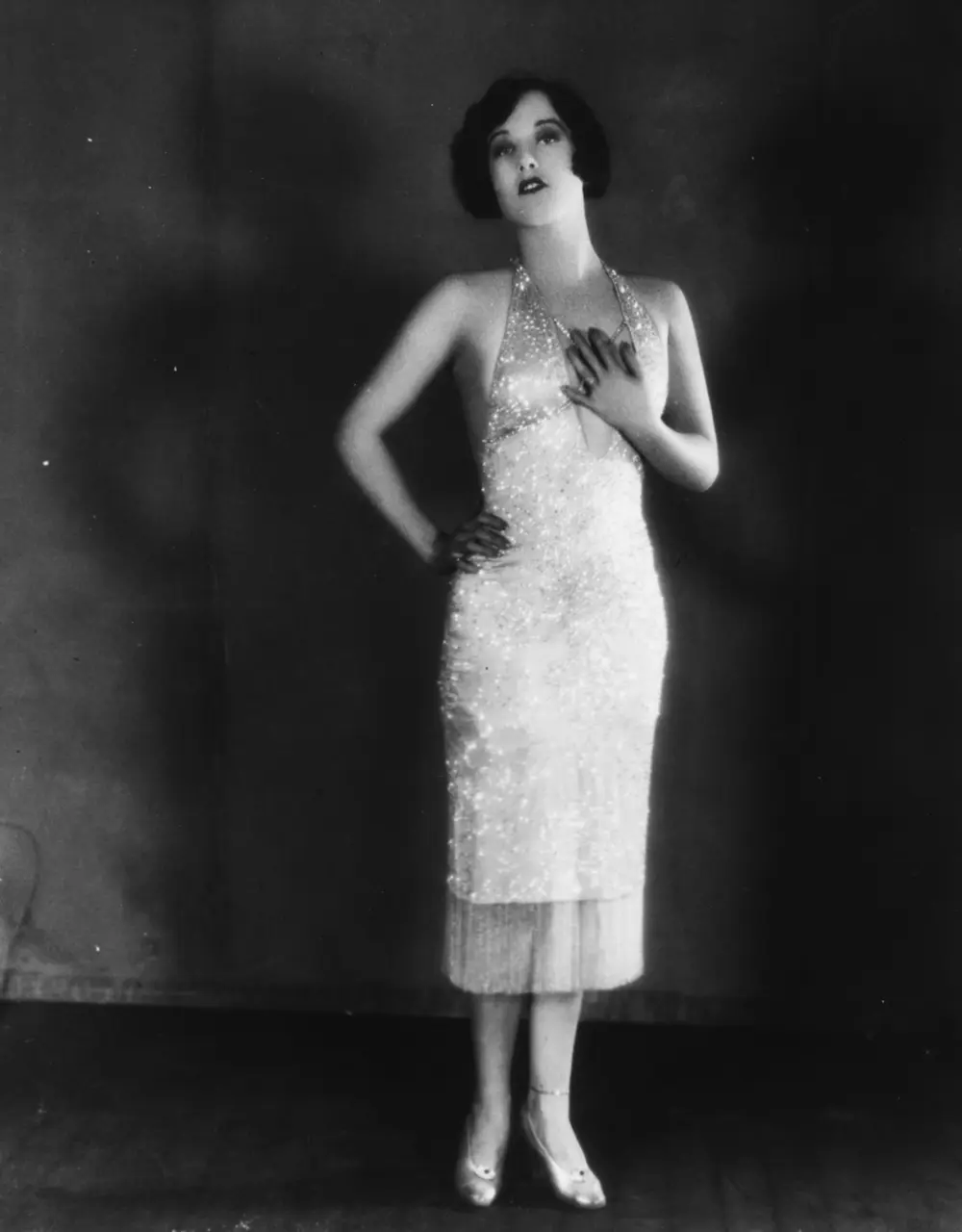
One of the most striking moments occurs when Kitty (played with a delightful, sharp-edged cynicism by Joyzelle Joyner) introduces Joselyn to the 'cads.' These aren't the mustache-twirling villains of early cinema; they are the bored, wealthy elite looking for a cheap thrill. The film takes a hard stance here: the card shark Lee Rogers, despite his dishonest profession, has more integrity than the 'gentlemen' who frequent the dance hall. It’s a cynical observation that feels surprisingly modern.
The direction by Millard Webb (though the script is the real star here by Younger and Spence) focuses on the contrast between the private and public lives of the characters. The furnished room where Joselyn starts her journey is shot with a stark, depressing minimalism that rivals the social realism of The Covered Wagon, albeit on a much smaller scale. The pacing is generally brisk, though it occasionally sags during the middle section where Joselyn is courted by various suitors.
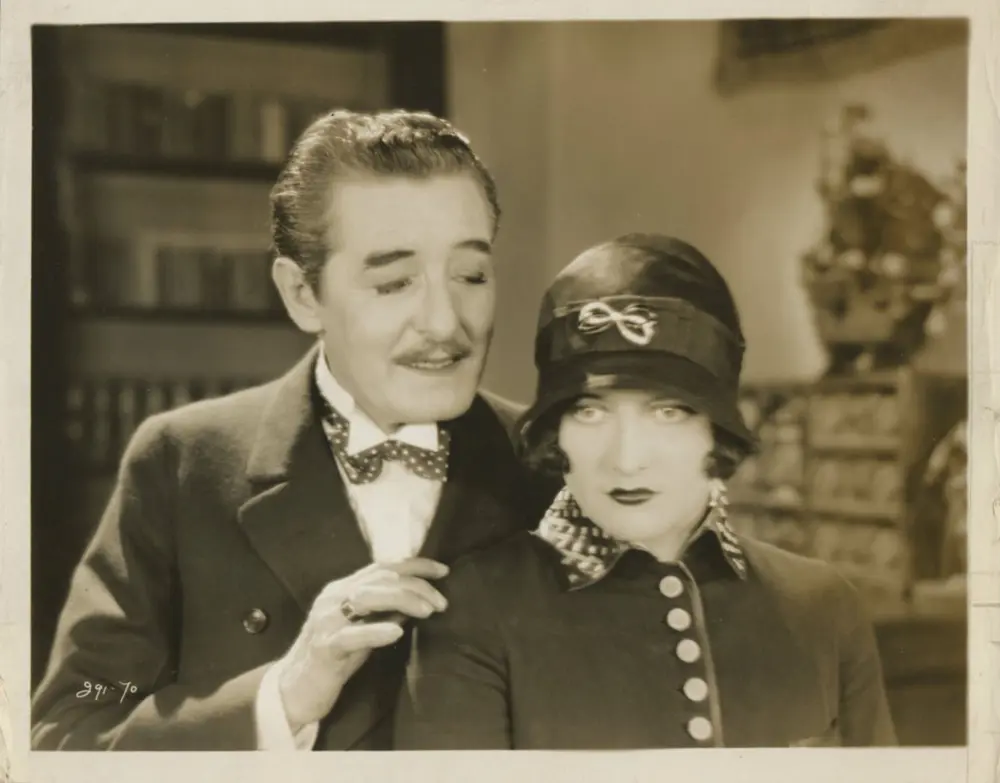
The visual storytelling is at its peak during the gambling sequences. We see Lee Rogers’ hands—nimble, deceptive, and controlled. This is contrasted later with the frantic, uncoordinated movements of the dance floor. The film uses these visual motifs to tell us everything we need to know about the characters' internal states without relying on an overabundance of intertitles. It’s a gamble. And it works.
If you are looking for a deep dive into the evolution of Hollywood stardom, the answer is a resounding yes. The Taxi Dancer is a crucial piece of the puzzle in understanding how the 'flapper' era transitioned into the more complex dramas of the 1930s. It lacks the sheer scale of The Vortex, but it makes up for it with a localized, intimate intensity.
However, if you are looking for a lighthearted romp, stay away. This is a film about the struggle for soul-preservation in a city that wants to buy you for a nickel. It is a heavy, sometimes plodding experience that rewards the patient viewer with a powerhouse performance from a future legend.
Pros:
Cons:
Released in the same era as films like Remodeling Her Husband, The Taxi Dancer fits into a larger conversation about women's autonomy. In 1927, the concept of a woman living alone in New York and working in a dance hall was still scandalous to many. The film tries to have it both ways: it shows the 'sin' of the dance hall while maintaining the heroine's 'purity.' This tension is what makes it so fascinating to watch today. It is a film caught between two worlds—the Victorian past and the liberated future.
"The Taxi Dancer isn't just a movie; it's the moment the camera fell in love with Joan Crawford, and it's never really stopped since."
The Taxi Dancer is a flawed but compelling relic. It succeeds as a character study even when it fails as a cohesive narrative. Crawford is the sun around which the rest of the film orbits, and her gravity is enough to keep the viewer grounded through the more dated elements of the plot. It is a gritty, cynical, and ultimately hopeful look at the human cost of the American dream. It’s a gamble that pays off. It works. But it is undeniably a product of its time.
IMDb —
1917
Community
Log in to comment.