DbcultAccessing Vault...
Cult Review
Senior Film Conservator
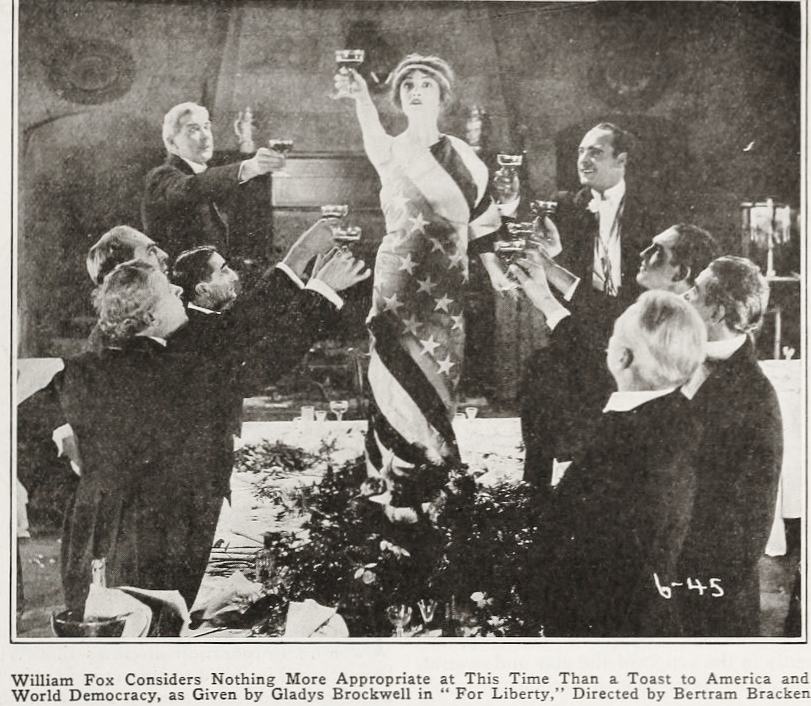
In the annals of early cinema, where grand gestures often superseded nuanced dialogue, a film like 'For Liberty' emerges as a fascinating artifact, a testament to the storytelling prowess of its era. Released in 1917, amidst the throes of the Great War, this silent melodrama, penned by the inventive Bennett Cohen, plunges us into a world where personal affections and national allegiances collide with devastating force. It’s a narrative tapestry woven with threads of espionage, sacrifice, and the profound misunderstanding that can twist even the noblest intentions into perceived betrayal. As a seasoned observer of film's evolutionary journey, I find myself continually drawn to these foundational works, not merely for their historical significance but for their enduring capacity to reflect the human condition, even through the lens of a bygone aesthetic.
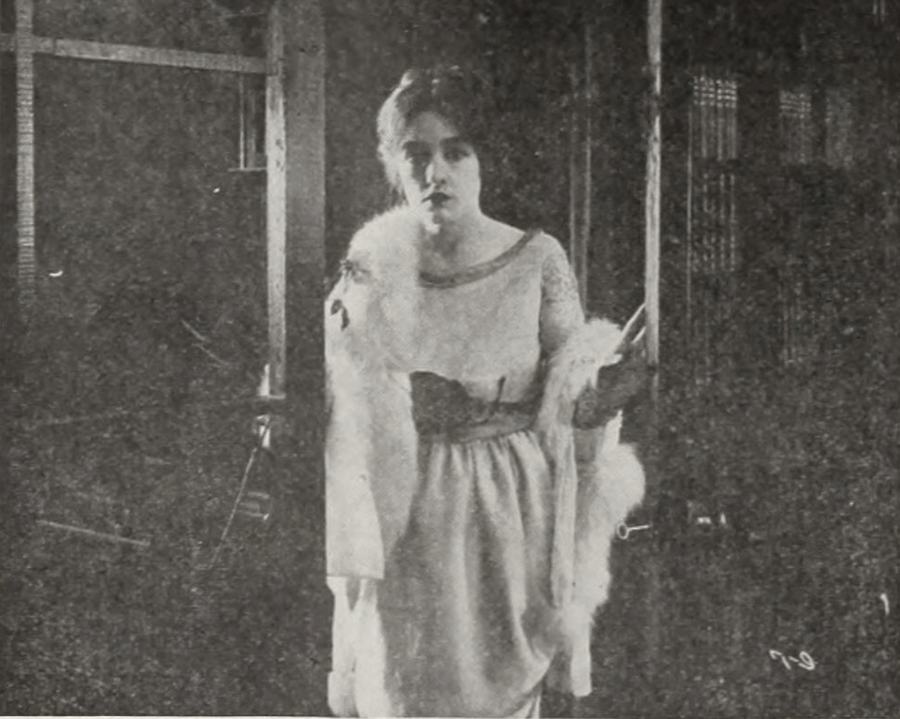
At the core of this compelling drama is Marcia Glendon, portrayed with a compelling blend of vulnerability and resolve by Clara Graham. An American expatriate living in Berlin, Marcia finds herself in an unenviable position, courted by two very different men. On one hand, there's the formidable German General Von Lentz, brought to life with imposing authority by Bertram Grassby. His attraction to Marcia is palpable, a dangerous asset that Marcia, with a burgeoning sense of patriotic duty, resolves to exploit. On the other, there's Frank Graham, the American spy, played by Willard Louis, whose clandestine activities mirror Marcia's unspoken loyalties. The initial dance between these characters is a delicate ballet of unspoken desires and hidden agendas, a fascinating study in the complexities of wartime relationships.
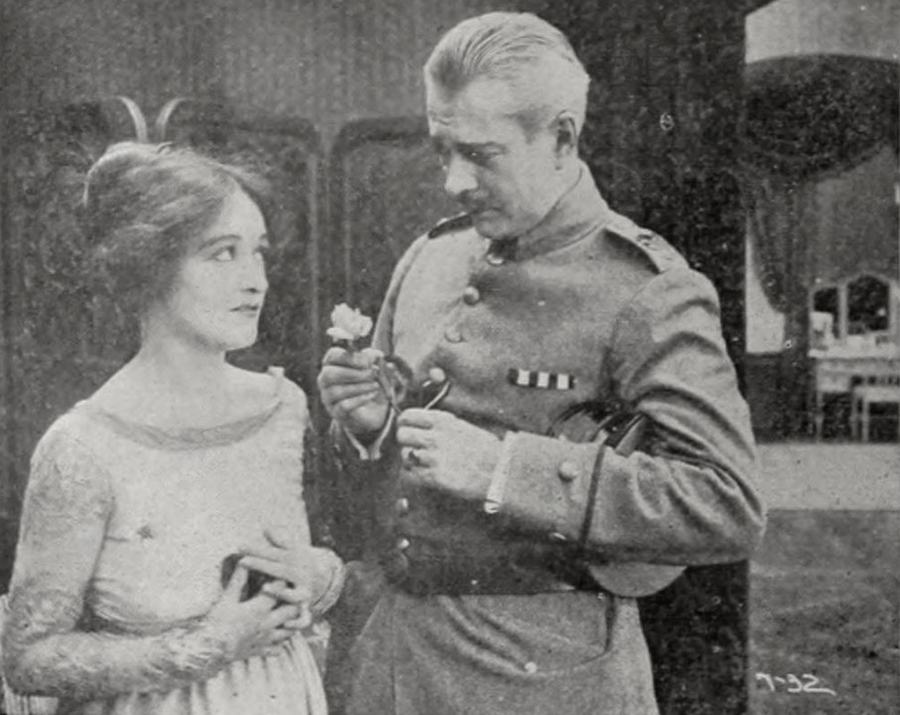
When war inevitably erupts, Marcia's decision to leverage General Von Lentz's affection to aid her country is a bold, albeit morally ambiguous, move. This choice, while born of patriotism, positions her precariously on the precipice of personal and national betrayal. Her actions are a testament to the often-unseen sacrifices demanded of individuals caught in the maelstrom of global conflict. It's a theme that resonates deeply, recalling the quiet heroism found in films like A Sister to Carmen, where female protagonists are often forced into difficult choices to protect those they love or their ideals. Marcia's predicament, however, takes a darker turn when Frank, observing her interactions with the General through a veil of suspicion, misinterprets her clandestine efforts. He repudiates her, branding her a traitor, a moment of profound injustice that forms the emotional anchor of the film. This tragic misunderstanding underscores the inherent danger of appearances, particularly in the fog of war, where trust is a fragile commodity.
The narrative intensifies dramatically when Frank is captured, his fate hanging by a thread. This pivotal moment forces Marcia into an act of unparalleled self-sacrifice. She purchases Frank's freedom by offering herself to General Von Lentz, a decision that speaks volumes about her unwavering commitment, not just to Frank, but to the cause he represents. This is where Clara Graham's performance truly shines, conveying the immense weight of such a choice through subtle expressions and poignant gestures, a hallmark of silent era acting. The emotional resonance of this sacrifice is profound, inviting audiences to ponder the true cost of liberty and the depths of human devotion.
Frank, now freed, accomplishes his mission, transporting vital German secret plans across the border to American lines. His escape, facilitated by Marcia's agonizing decision, is a moment of triumph for the Allied cause, yet it is shadowed by the knowledge of Marcia's fate. The film masterfully builds tension as Frank, now aware of Marcia's true heroism, races against time. His immediate return, leading an American regiment, is a classic cinematic trope, a dramatic cavalry charge that arrives just in time to save Marcia's honor. This climactic rescue, while perhaps predictable by modern standards, would have been a profoundly satisfying resolution for audiences of the era, reaffirming moral order and the triumph of good over perceived evil. It echoes the kind of thrilling, last-minute saves seen in other adventure serials of the time, though perhaps with a more pronounced melodramatic flair than, say, Reggie Mixes In, which often leaned on lighter escapades.
The cast of 'For Liberty', including supporting players like Colin Chase, William Ryno, Gladys Brockwell, Norbert A. Myles, George Routh, and Charles Clary, contributes to the film's immersive atmosphere. While Clara Graham's portrayal of Marcia is undoubtedly the linchpin, her ability to convey complex emotions without spoken word is a masterclass in silent film acting. Her expressive eyes and carefully calibrated body language articulate a spectrum of feelings – fear, determination, sorrow, and ultimately, relief – that transcend the limitations of intertitles. Bertram Grassby's General Von Lentz is a formidable antagonist, not merely a caricature of villainy, but a man driven by duty and a human, if misguided, affection. His presence lends a gravitas to the German side of the conflict, making Marcia's sacrifice all the more poignant. Willard Louis's Frank Graham, initially misguided, evolves into a heroic figure, his transformation from suspicious lover to repentant rescuer forming a satisfying arc. The ensemble works in concert, each actor contributing to the dramatic tension and emotional depth of the narrative.
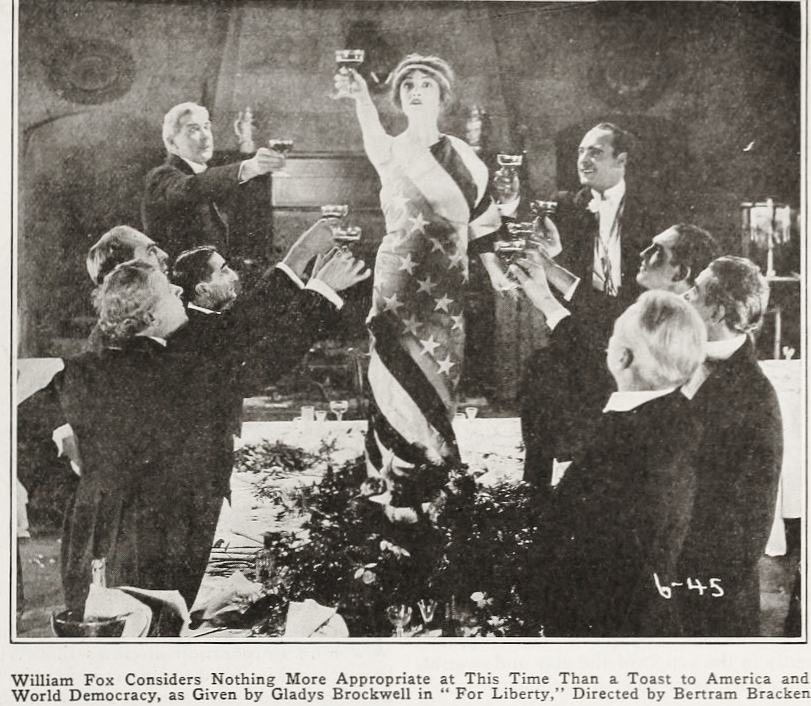
The direction, though uncredited in the plot summary, likely emphasized clear visual storytelling, a necessity for silent films. The use of close-ups to capture facial expressions, long shots to establish the grandeur or peril of the setting, and dynamic editing to build suspense would have been crucial. One can imagine the use of dramatic lighting to highlight Marcia's internal struggles or the stark contrast between the opulent German headquarters and the perilous borderlands. The pacing would have been carefully controlled, alternating between moments of quiet tension and bursts of thrilling action, culminating in the exhilarating final rescue. This careful construction of visual narrative is a hallmark of the period, seen in other suspenseful features like The Crimson Stain Mystery, which also relied heavily on visual cues and dramatic staging to keep audiences on the edge of their seats.
'For Liberty' is more than just a spy thriller; it's a profound exploration of personal agency in times of global crisis. Marcia's journey forces us to confront questions of loyalty, identity, and the moral compromises often necessitated by war. Her sacrifice, though ultimately 'redeemed,' raises uncomfortable questions about the societal expectations placed upon women during wartime – often expected to be passive victims or, in this case, to use their feminine wiles for the national good, even at great personal cost. The film's resolution, where Frank saves Marcia's 'honor,' speaks volumes about the patriarchal values prevalent at the time, where a woman's virtue was often considered as valuable, if not more so, than her life or personal freedom. It's a fascinating contrast to more modern portrayals of female spies, which might emphasize their intellectual prowess or physical capabilities over their romantic entanglements.
Bennett Cohen's screenplay, while adhering to the dramatic conventions of the era, weaves a surprisingly intricate plot. The initial misunderstanding, the subsequent sacrifice, and the final redemption arc are all meticulously crafted to maximize emotional impact. It speaks to a certain sophistication in early screenwriting, demonstrating an understanding of character motivation and plot progression that transcends mere spectacle. The film’s topicality, released during WWI, would have undoubtedly resonated strongly with contemporary audiences, offering a dramatic lens through which to process the anxieties and patriotic fervor of the time. It’s a stark contrast to films focused on more domestic or character-driven dramas like The Love Tyrant or The Faded Flower, highlighting the diverse range of narratives being explored in early cinema.
The historical context of 'For Liberty' cannot be overstated. Released when America had just entered the Great War, films like this served not only as entertainment but also as powerful tools of propaganda, galvanizing public support and reinforcing nationalistic ideals. The portrayal of the German general, while not entirely one-dimensional, certainly positions the Germans as the 'other,' a common trope in wartime cinema. Yet, the film's focus on individual sacrifice and the personal toll of war elevates it beyond simple jingoism. It suggests that while nations clash, individuals on both sides are often caught in webs of duty, desire, and misunderstanding. This human element is what makes films of this period, even those with clear political leanings, so enduringly captivating.
In conclusion, 'For Liberty' stands as a compelling example of early American cinema's capacity for complex storytelling and emotional depth. Through the captivating performance of Clara Graham and the intricate plotting of Bennett Cohen, the film navigates the treacherous waters of wartime espionage and personal sacrifice with a potent blend of melodrama and thrilling suspense. It reminds us that even in the absence of spoken dialogue, the power of visual narrative, expressive acting, and resonant themes can create a cinematic experience that transcends time. For those interested in the evolution of spy thrillers, the portrayal of women in early cinema, or simply the enduring power of a well-told story, For Liberty offers a rich and rewarding viewing experience. It's a testament to the fact that heroism comes in many forms, often requiring a profound personal cost, and that true understanding can sometimes only be achieved through the crucible of extreme circumstance. Its legacy, much like the secret plans Frank Graham carried, is one of vital information, revealing much about the craft and concerns of cinema over a century ago.
IMDb 6.6
1917
Community
Log in to comment.